

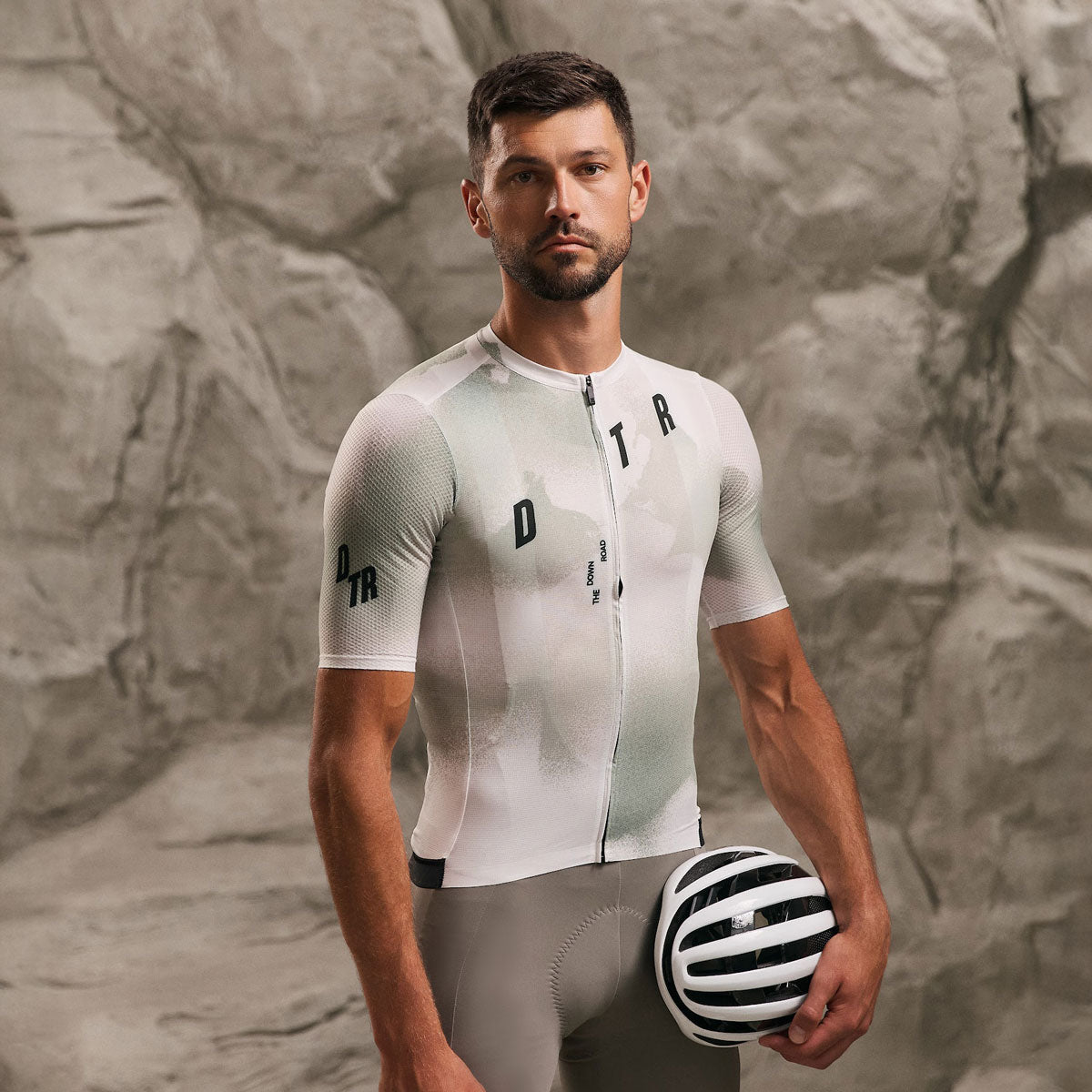
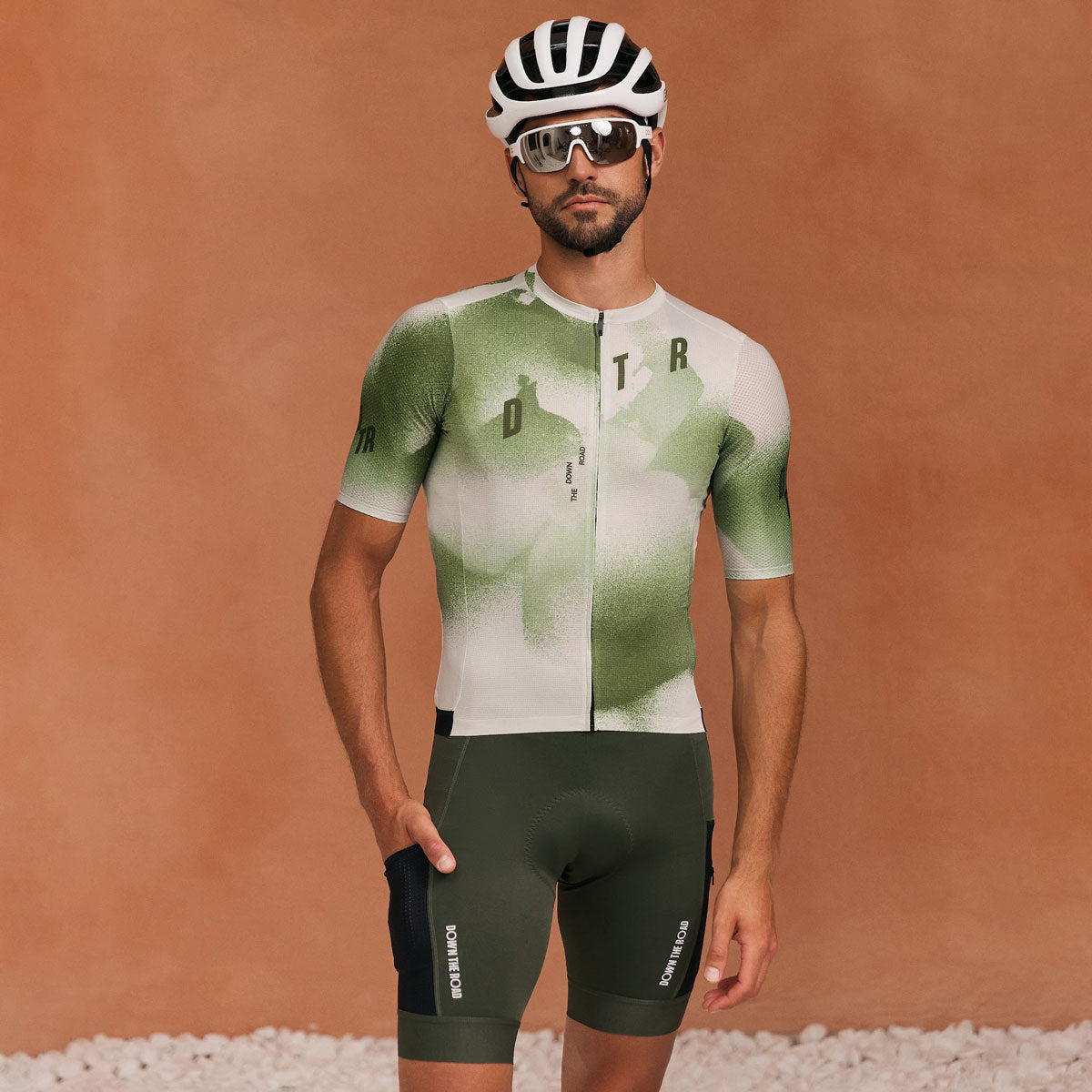
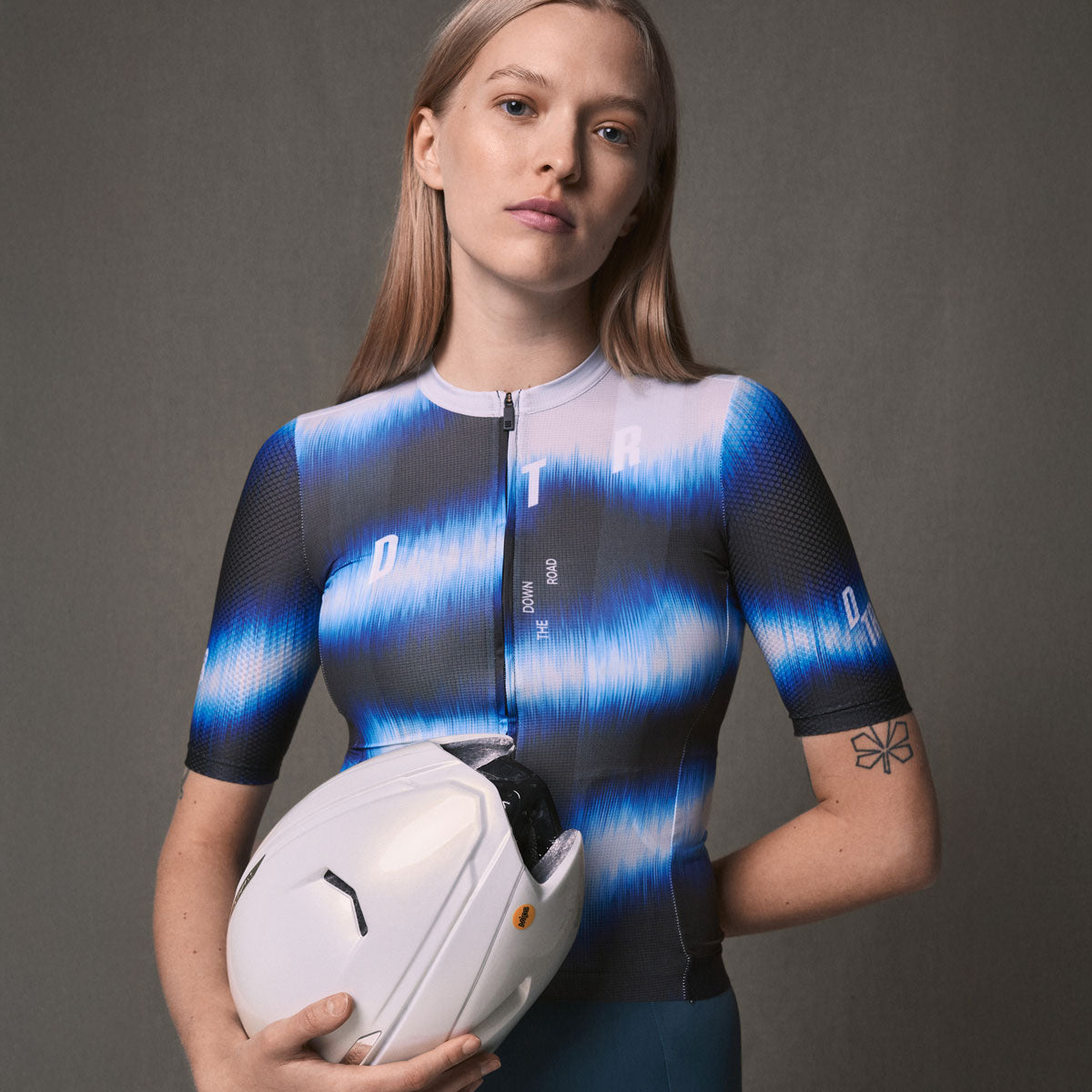
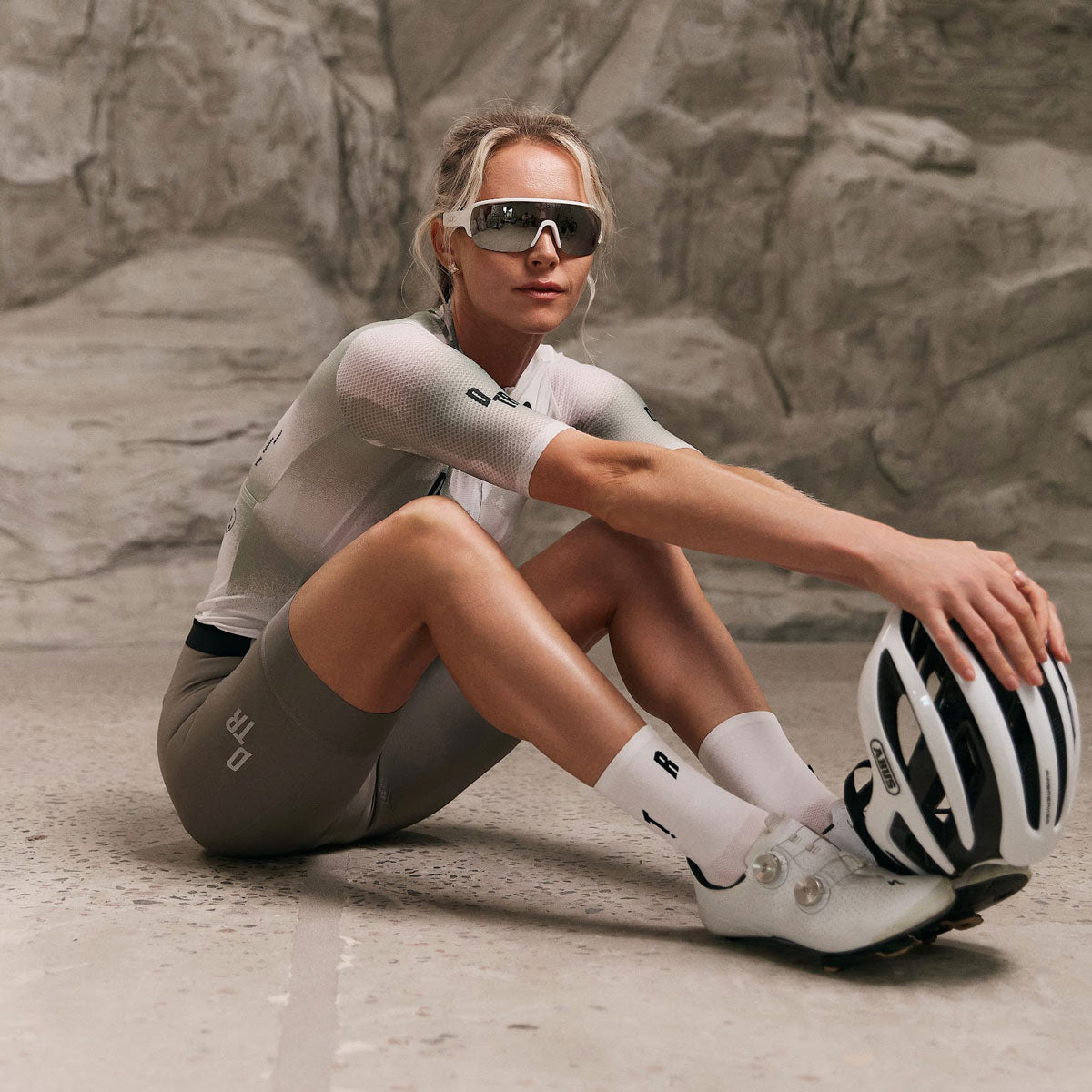
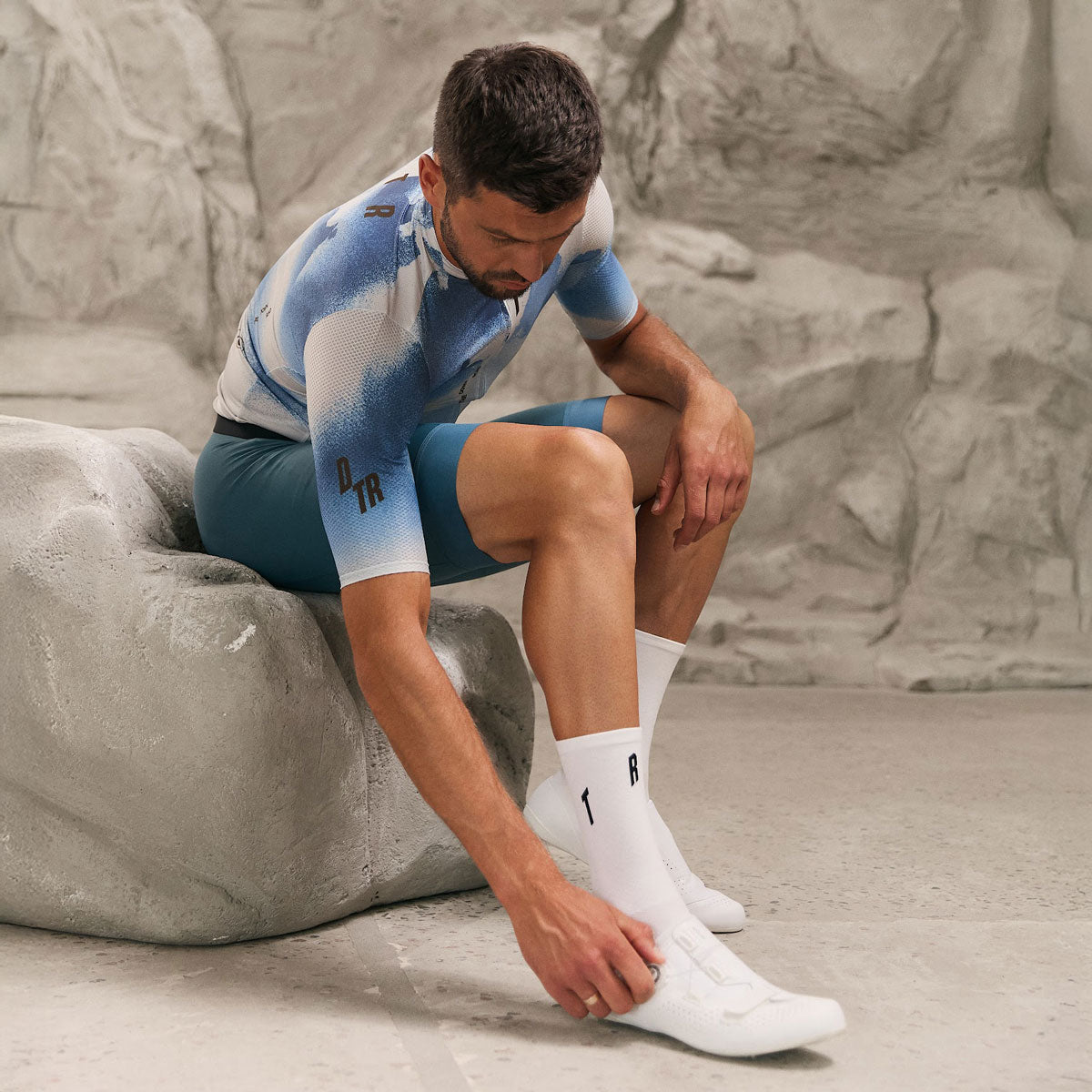
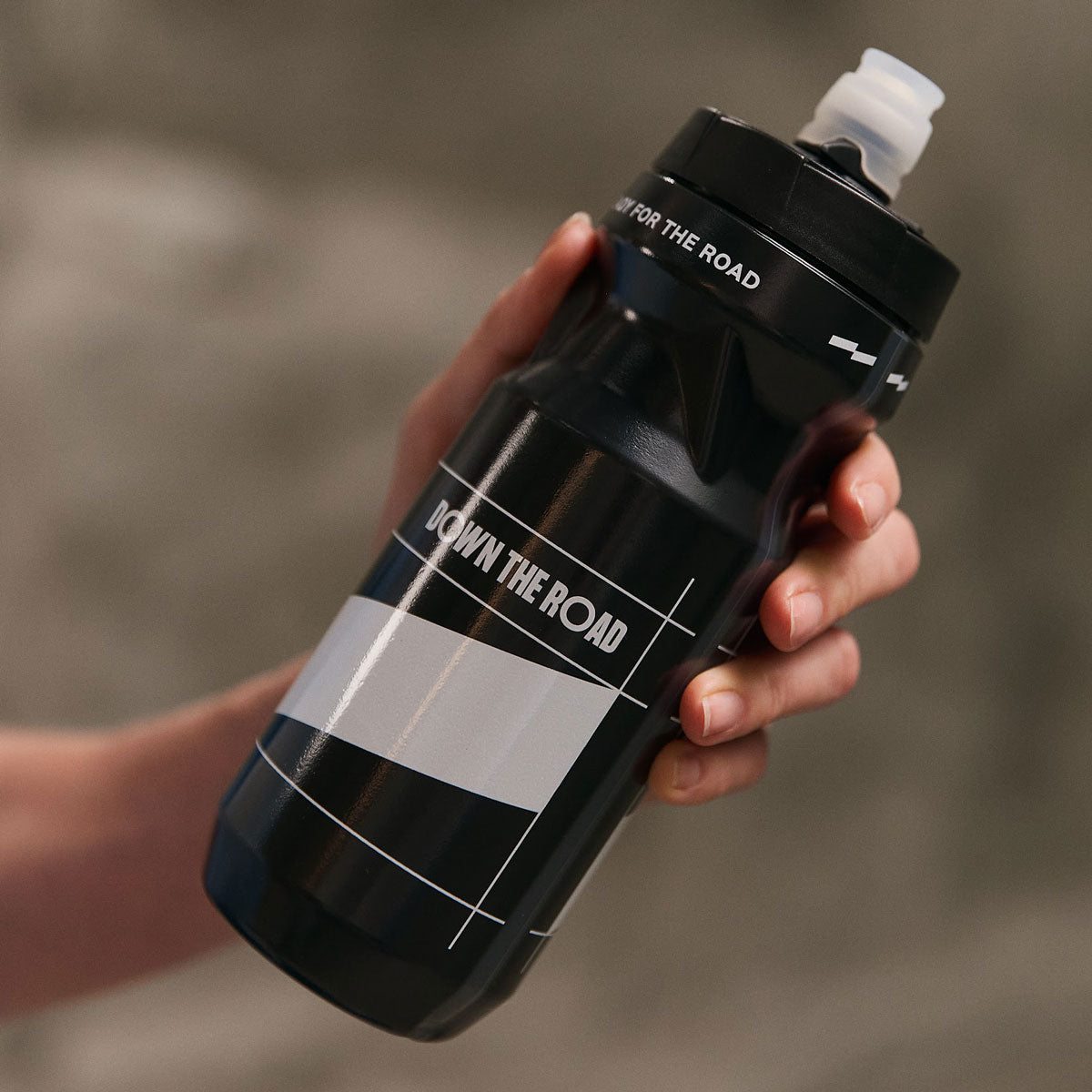
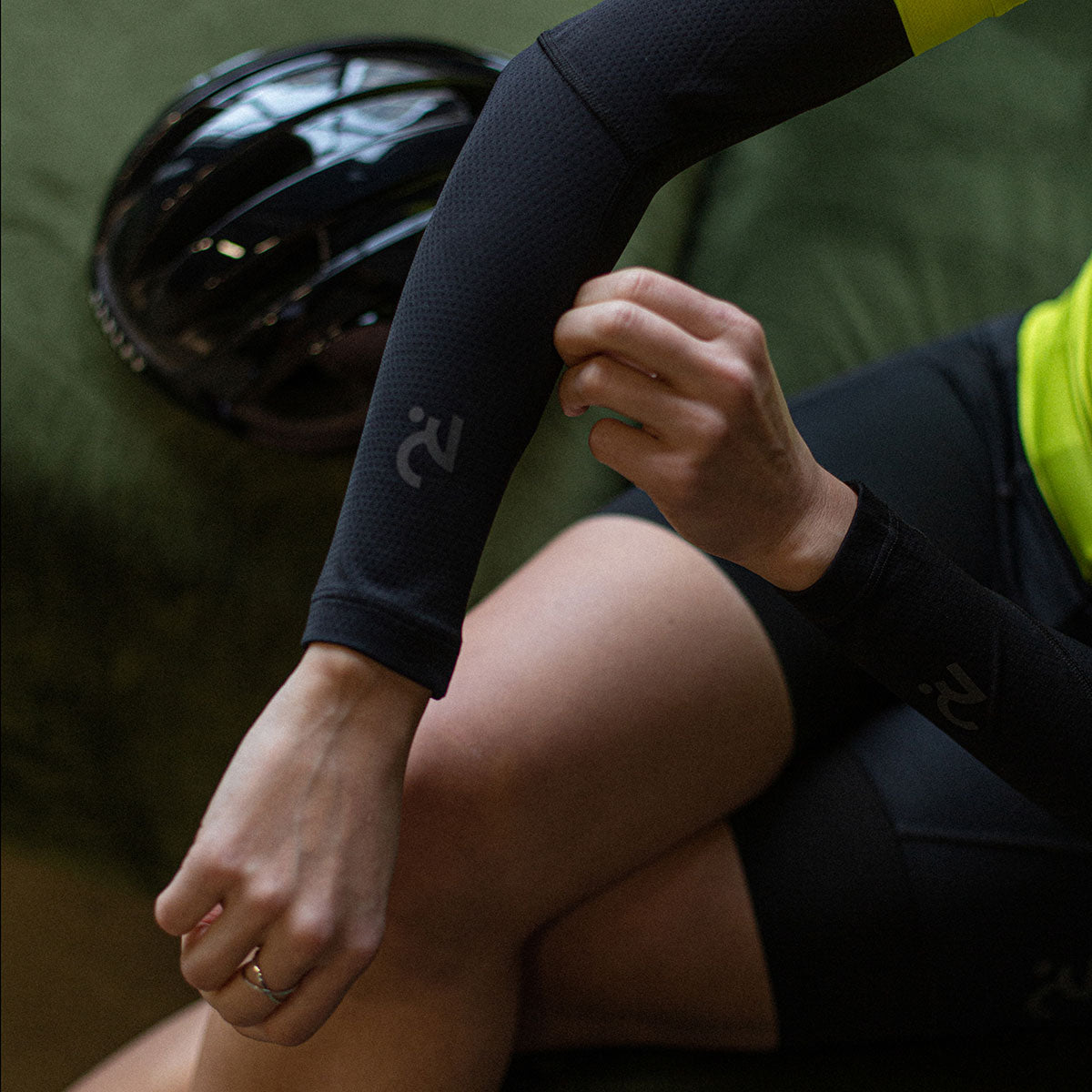
For an Olympic-distance triathlon, wear a one-piece trisuit under your wetsuit for the swim, then bike and run in the same suit, with no change of clothes in transition. This guide covers the suit, the chamois, what goes under and over it, and what to pack for transition, for a race that usually takes two to three hours.
What do you wear for the whole race?
A trisuit. Olympic distance is a 1.5 km swim, a 40 km ride and a 10 km run, and one suit covers all three. It dries while you ride, carries a chamois made for 40 km and then for running, and removes the one thing that costs time at this distance: changing. Choose it for fit first.
Sleeved or sleeveless?
Sleeveless is the default for warm water and hot bike legs: nothing restricts the shoulders in the swim and it dries fast. A sleeved suit suits fair skin, cool mornings or an exposed bike course. At 40 km the difference is comfort and sun cover, not speed. Our sleeved vs sleeveless comparison goes through it.
How much chamois do you need for 40 km?
Less than for a long road ride. You need enough multi-density chamois to stay comfortable for about 70 minutes in the saddle, thin enough not to hold water in the swim or feel bulky on the run. More density does not mean more thickness. The trisuit chamois guide breaks it down by distance.
What goes under and over a trisuit?
Under it, nothing: a trisuit is made to be worn against the skin, so skip underwear (why). Over it, the wetsuit for the swim and a race belt with your number for the bike and run. On a cold morning, arm warmers or a light windbreaker can go on in T1 and come off before the run.
Does a trisuit work under a wetsuit?
Yes. Wear it fitted, with no folds at the neck or arms where the wetsuit can rub. Take the wetsuit off in T1 and leave the suit on. Swim in your race suit at least once beforehand so you know where it chafes before race day. More in what to wear under a wetsuit.
What do you need in transition?
Race belt, helmet, bike shoes, run shoes, socks if you wear them, sunglasses, a cap or visor for the run, and nutrition. Everything else stays at home. The full list is in the transition kit checklist. Racing shorter? See sprint triathlon kit. Stepping up? See 70.3 kit.
Are men's and women's trisuits different?
Yes. Gender-specific fit means the cut and chamois are engineered for the body, not a smaller version of the men's suit. Browse the men's trisuits and women's trisuits.
Quick answers
Can I race in bib shorts and a tri top instead?
You can, but a bib short chamois holds water in the swim and you add a layer to manage in T1. See trisuit vs tri top and shorts.
Do I change for the run?
No. The same suit covers all three legs; you only swap shoes.
How tight should it fit?
Snug without limiting your breathing, and it should not ride up when you reach forward on the aero bars.
Build your race-day kit: the DTR trisuit range.
DTR — performance cycling and triathlon apparel, designed and developed in Ukraine.

Leave a comment
This site is protected by hCaptcha and the hCaptcha Privacy Policy and Terms of Service apply.