

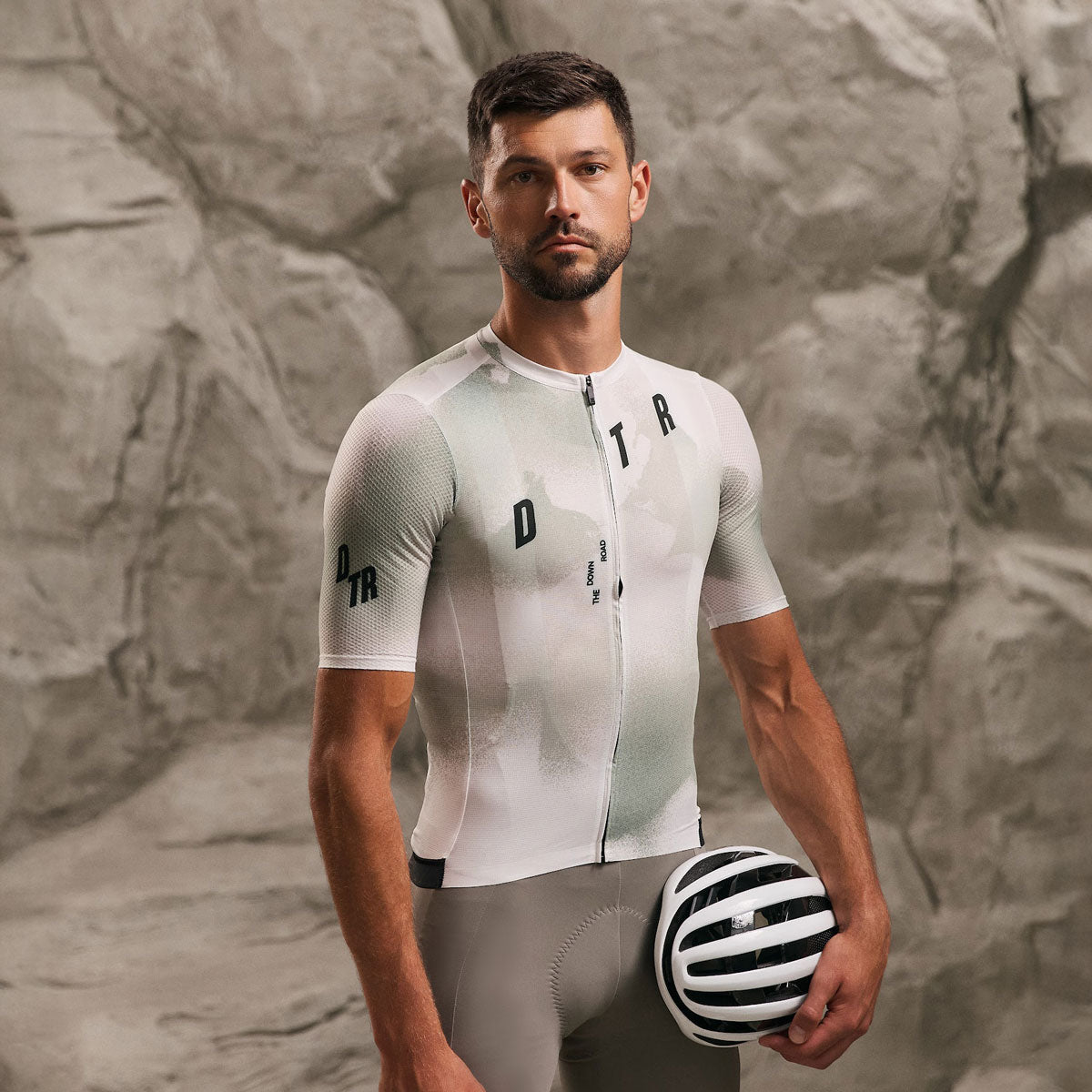
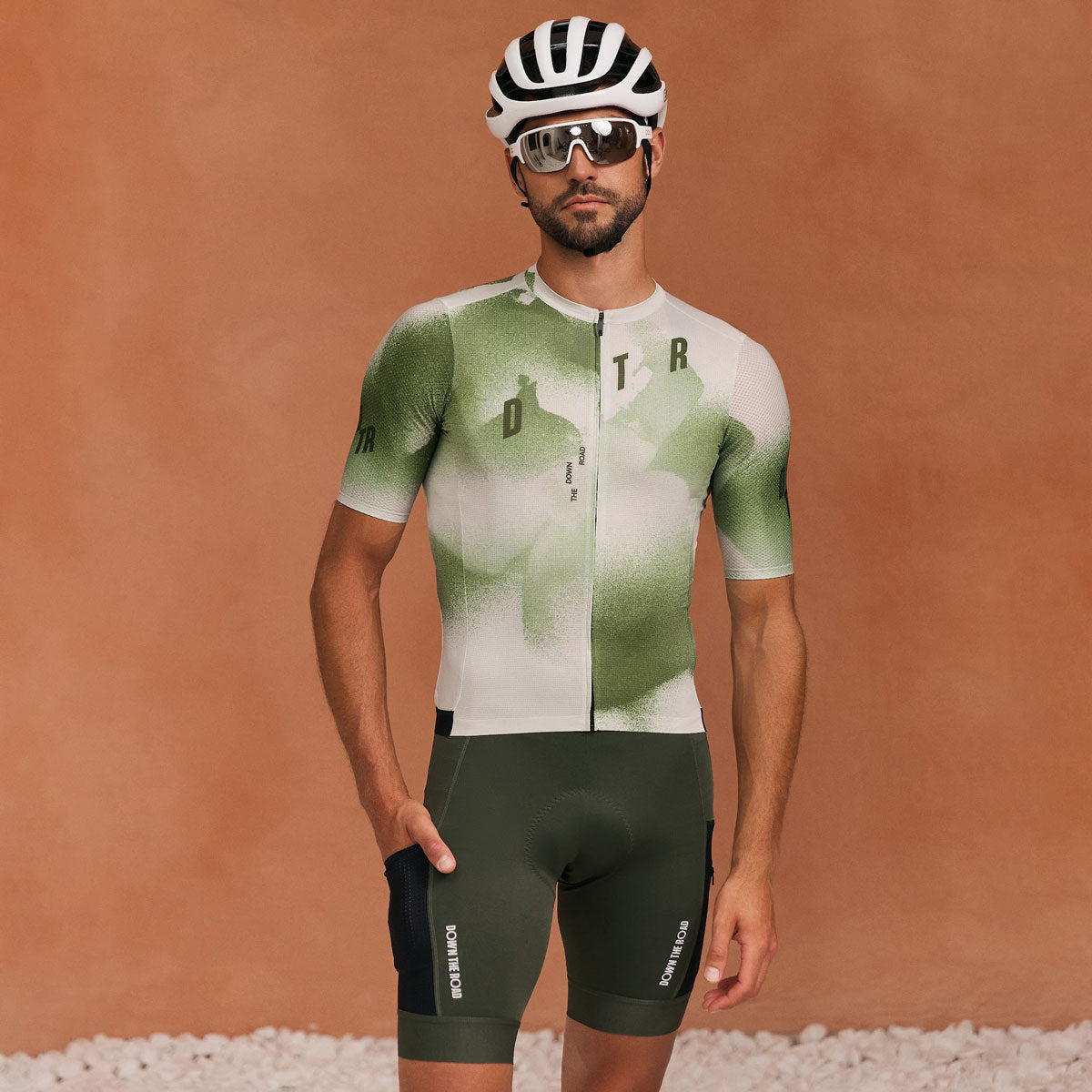
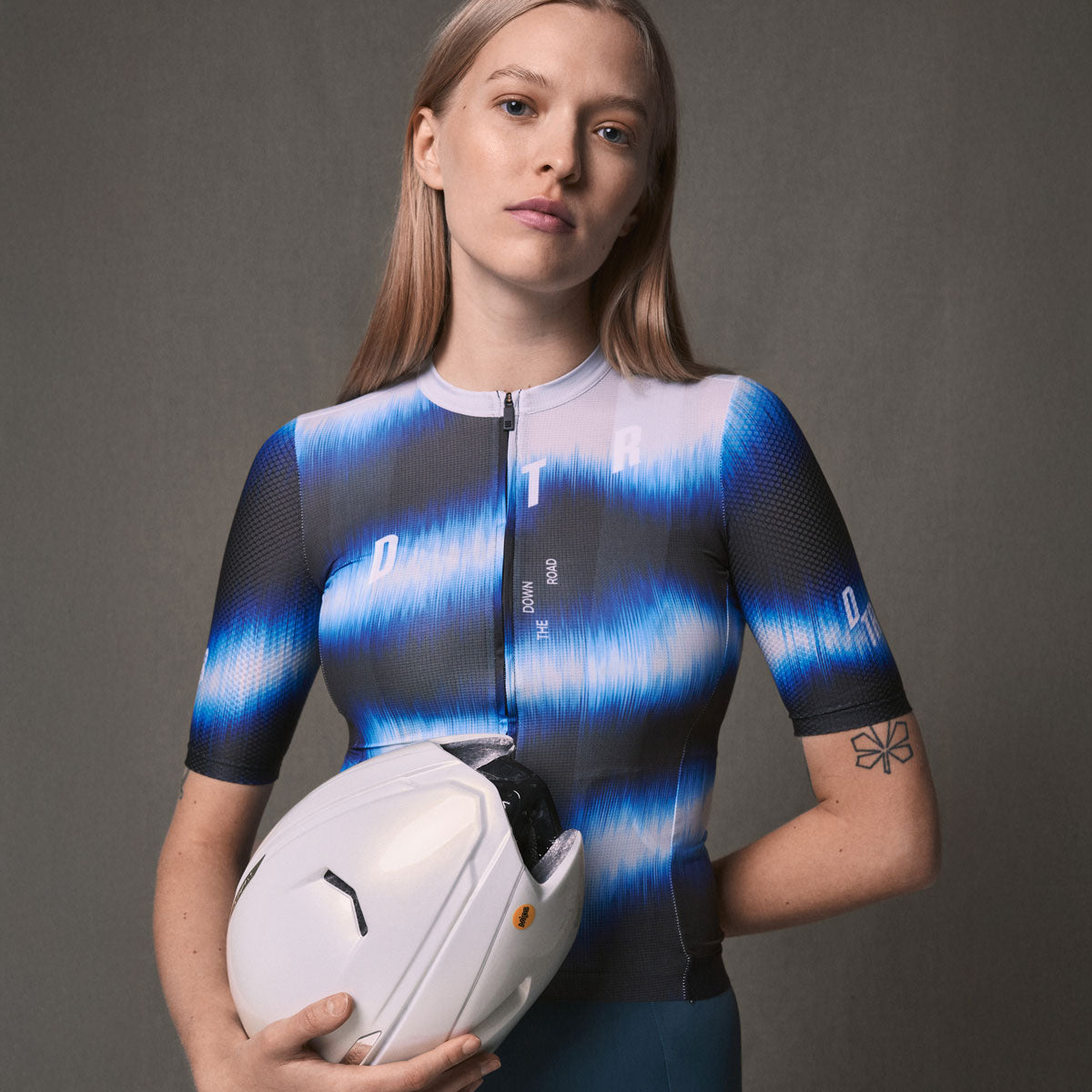

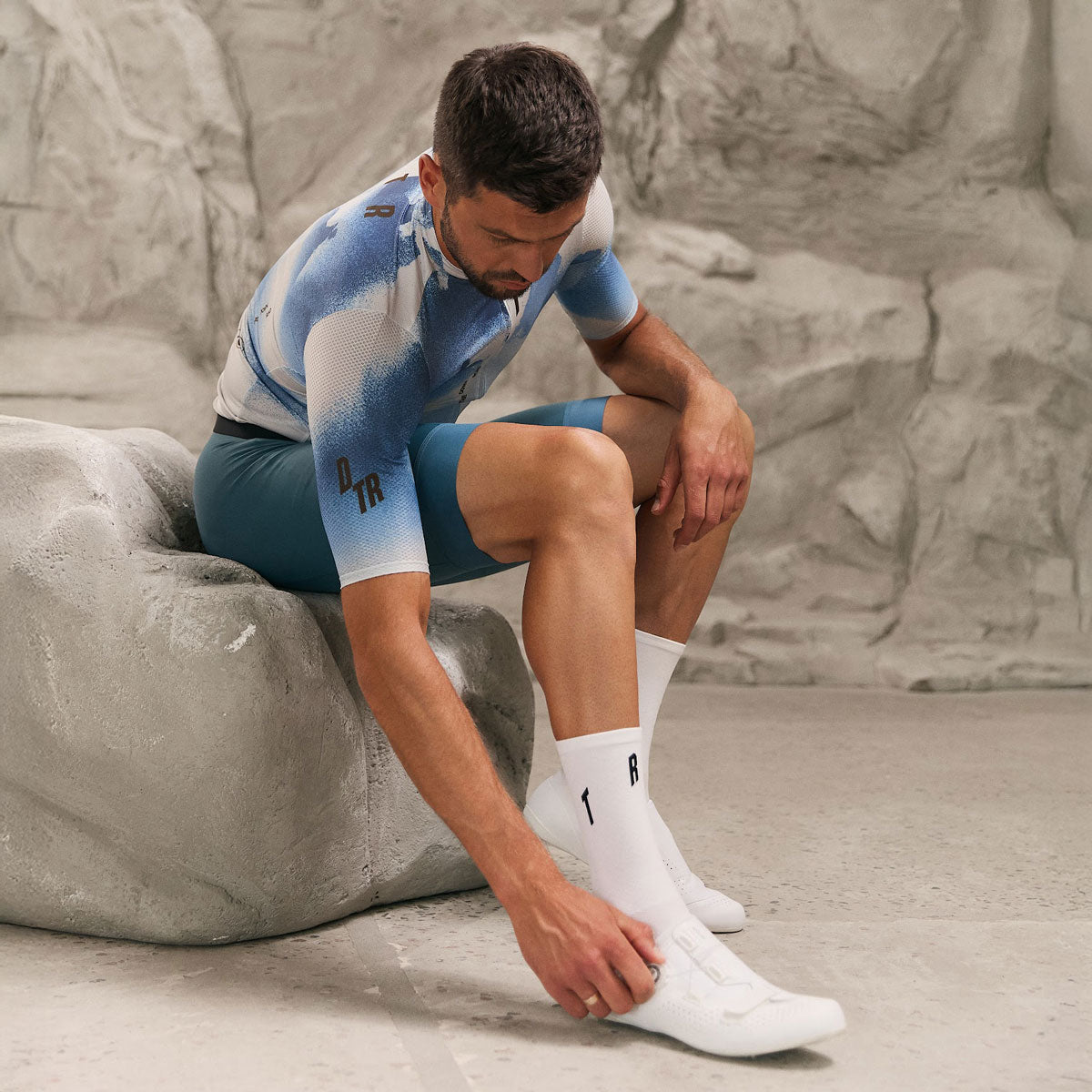
The honest answer is that neither is better — a sleeved (aero) trisuit is faster and gives more sun protection, while a sleeveless trisuit is cooler, easier to get a wetsuit over, and gives freer shoulder movement for the swim. Both do the same job across all three triathlon legs; the right one depends on your race conditions, priorities and comfort. Sleeved suits have become the racing default for their aero gains, but sleeveless remains a strong, popular choice for hot races and swim comfort. This guide breaks down the trade-offs so you can pick for your race.
What's the difference?
Both are trisuits — one-piece (or two-piece) kit designed to swim, bike and run in without changing, with a thin tri chamois. The only difference is the shoulders and arms:
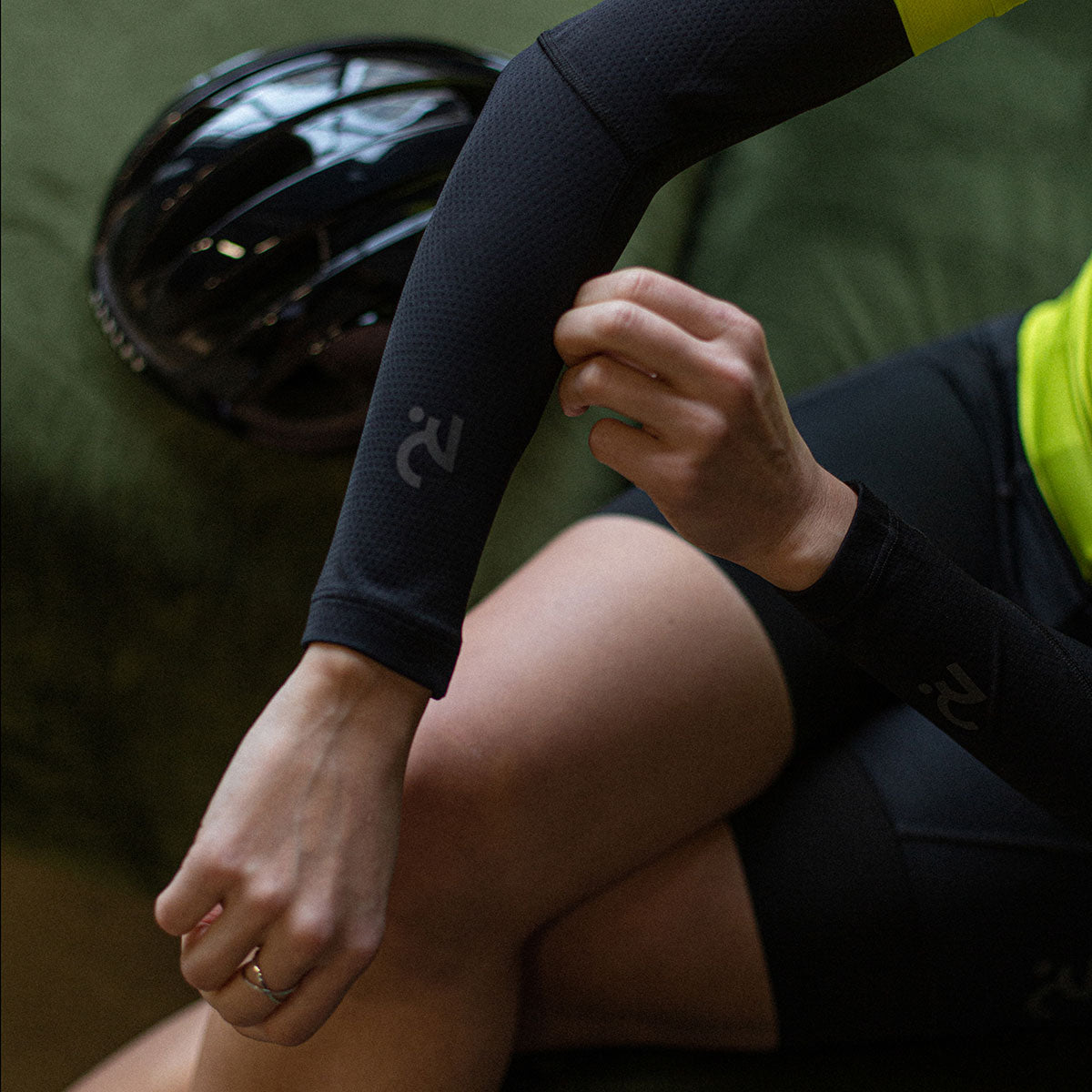
- A sleeved trisuit (also called an aero trisuit) has short, fitted sleeves that cover the shoulders and upper arms.
- A sleeveless trisuit has no sleeves, leaving the shoulders and arms bare, like a tank top.
Everything else — the chamois, the fit, the fabric — is the same. The sleeve question is really about aerodynamics, cooling, sun and swim freedom.
The case for a sleeved (aero) trisuit
Sleeved trisuits have taken over racing for good reasons:
- Aerodynamics: fitted sleeves smooth airflow over the shoulders and arms, and textured sleeve fabric can trip the airflow to reduce drag — measurably faster on the bike, which is where you spend most of a triathlon.
- Sun protection: sleeves cover your shoulders and upper arms, which matters on long, exposed races in strong sun.
- The racing default: for time-focused athletes, especially over 70.3 and Ironman distances, sleeved suits are now the standard choice.
The trade-offs: they can be marginally warmer, and some find them slightly more restrictive over the shoulders for the swim (though modern cuts minimise this).
The case for a sleeveless trisuit
Sleeveless trisuits remain popular, especially for certain conditions:
- Cooling: bare shoulders and arms shed heat better, which matters in hot races where overheating on the run is a real risk.
- Swim freedom: no sleeves means completely unrestricted shoulder movement — some swimmers strongly prefer this feel.
- Wetsuit ease: a sleeveless suit is easier to pull a wetsuit over and off in transition.
- Comfort and value: many riders simply find them more comfortable, and they're a common first-trisuit choice.
The trade-off: they're less aerodynamic than sleeved suits and offer less sun protection on the shoulders.
Sleeved vs sleeveless: how to choose
Match it to your race and priorities:
- Racing for time, especially 70.3/Ironman, in moderate conditions? A sleeved aero suit is the faster choice.
- Racing in hot conditions where cooling matters more than marginal aero? Sleeveless keeps you cooler.
- Prioritise swim shoulder freedom and easy wetsuit removal? Sleeveless.
- Want sun protection on a long, exposed course? Sleeved.
- New to triathlon and prioritising comfort over marginal gains? Either works — pick what feels best; sleeveless is a common, comfortable start.
Neither is "correct." Many athletes own both and choose per race based on the weather and distance. If you're deciding between one-piece and two-piece, see our trisuit vs two-piece guide.
Don't forget the fundamentals
Whichever you choose, the parts that matter most are the same:
- A thin, quick-drying chamois that cushions the bike without chafing on the run.
- A snug, aero fit that stays put through the swim, bike and run.
- Quick-drying fabric that sheds water fast out of the swim.
Sleeves are a meaningful choice, but a well-fitting suit with the right chamois matters more to your race than sleeves alone. And never race in an untested suit — swim, bike and run in it first.
FAQ
Are sleeved or sleeveless trisuits better? Neither outright. Sleeved (aero) trisuits are faster and give more sun protection; sleeveless are cooler, easier to get a wetsuit over, and give freer swim shoulder movement. Choose based on your race conditions, distance and comfort priorities.
Are sleeved trisuits actually faster? Yes — fitted, often textured sleeves smooth and manage airflow over the shoulders and arms to reduce drag on the bike, where you spend most of a triathlon. That's why sleeved aero suits have become the racing standard, especially at longer distances.
Is a sleeveless trisuit better for hot races? It can be — bare shoulders and arms shed heat better, which helps in hot conditions where overheating on the run is a risk. Many athletes choose sleeveless for hot races and sleeved for cooler, time-focused ones.
Can you swim in a sleeved trisuit? Yes — sleeved trisuits are designed to swim in, and modern cuts allow good shoulder movement. Some swimmers still prefer the completely unrestricted feel of sleeveless, and sleeveless is a little easier to pull a wetsuit over.
Which should a beginner choose? Either works for a first triathlon — prioritise comfort and fit over marginal aero gains. Sleeveless is a common, comfortable and slightly cheaper starting point; a sleeved suit is a good choice if you want sun protection or plan to race for time. For the full picture, here is how to choose the best trisuit for beginners.
The bottom line
Sleeved and sleeveless trisuits aren't better or worse — they're a trade-off. A sleeved aero suit is faster and gives more sun protection; a sleeveless suit is cooler, gives freer swim movement and is easier under a wetsuit. Choose sleeved for time and cooler conditions, sleeveless for hot races and swim comfort, and remember the chamois and fit matter more than sleeves alone. Explore DTR trisuits for both.
—
DTR — performance cycling and triathlon apparel, designed and developed in Ukraine.

Leave a comment
This site is protected by hCaptcha and the hCaptcha Privacy Policy and Terms of Service apply.