

The straight answer: you need bib shorts for warm-weather riding and bib tights for cold-weather riding — they're seasonal counterparts, not competitors, and most cyclists who ride year-round own both. Bib shorts are your summer staple with bare legs and a chamois built for warmth; bib tights add full-leg thermal coverage for winter. Neither is "better" — which one you reach for depends entirely on the temperature. This guide explains the difference, when to wear each, and how leg warmers fit between them.
What's the difference?
Both are bib-style shorts and tights — held up by shoulder straps rather than a waistband, which is more comfortable and prevents a tight band on your stomach. The difference is length and fabric:
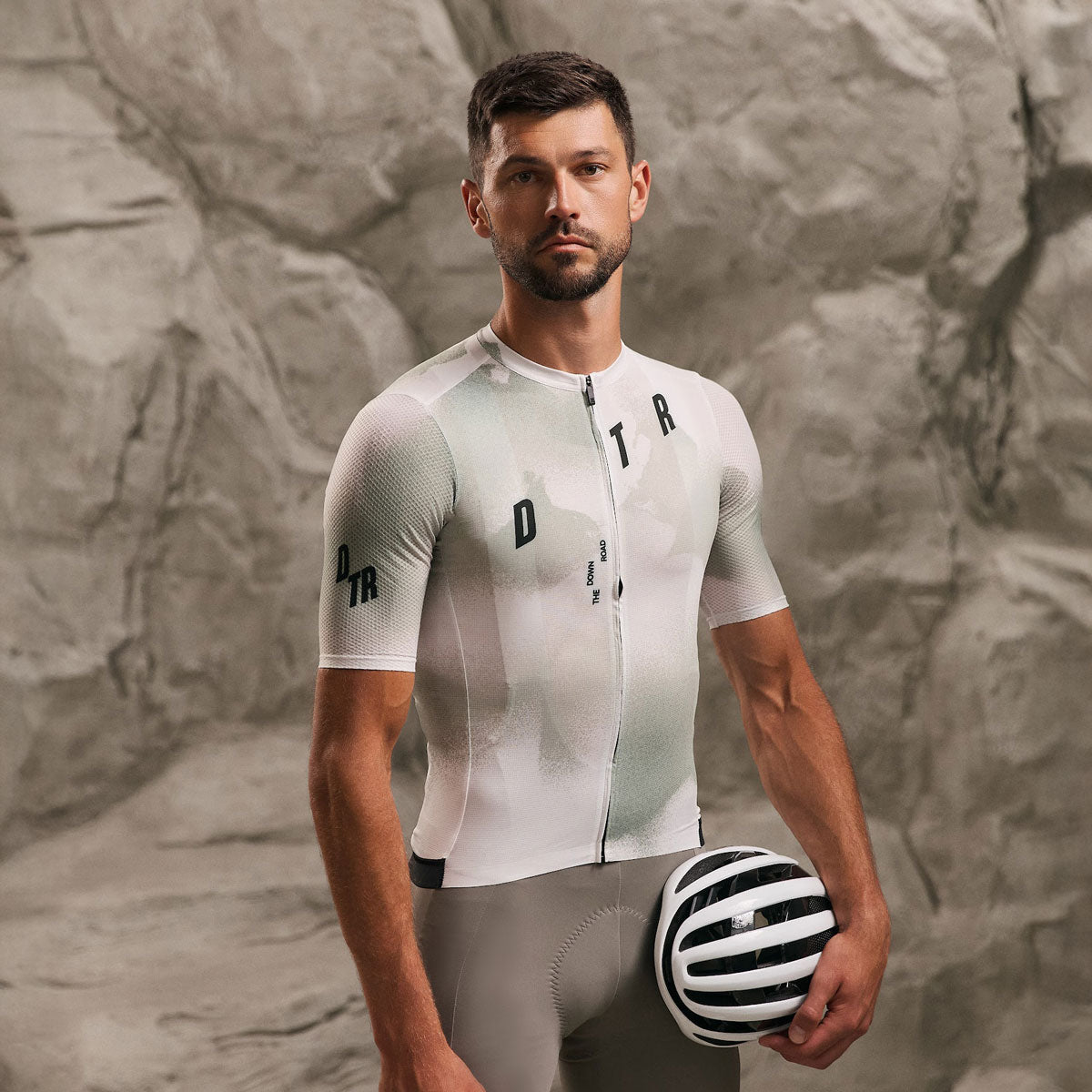
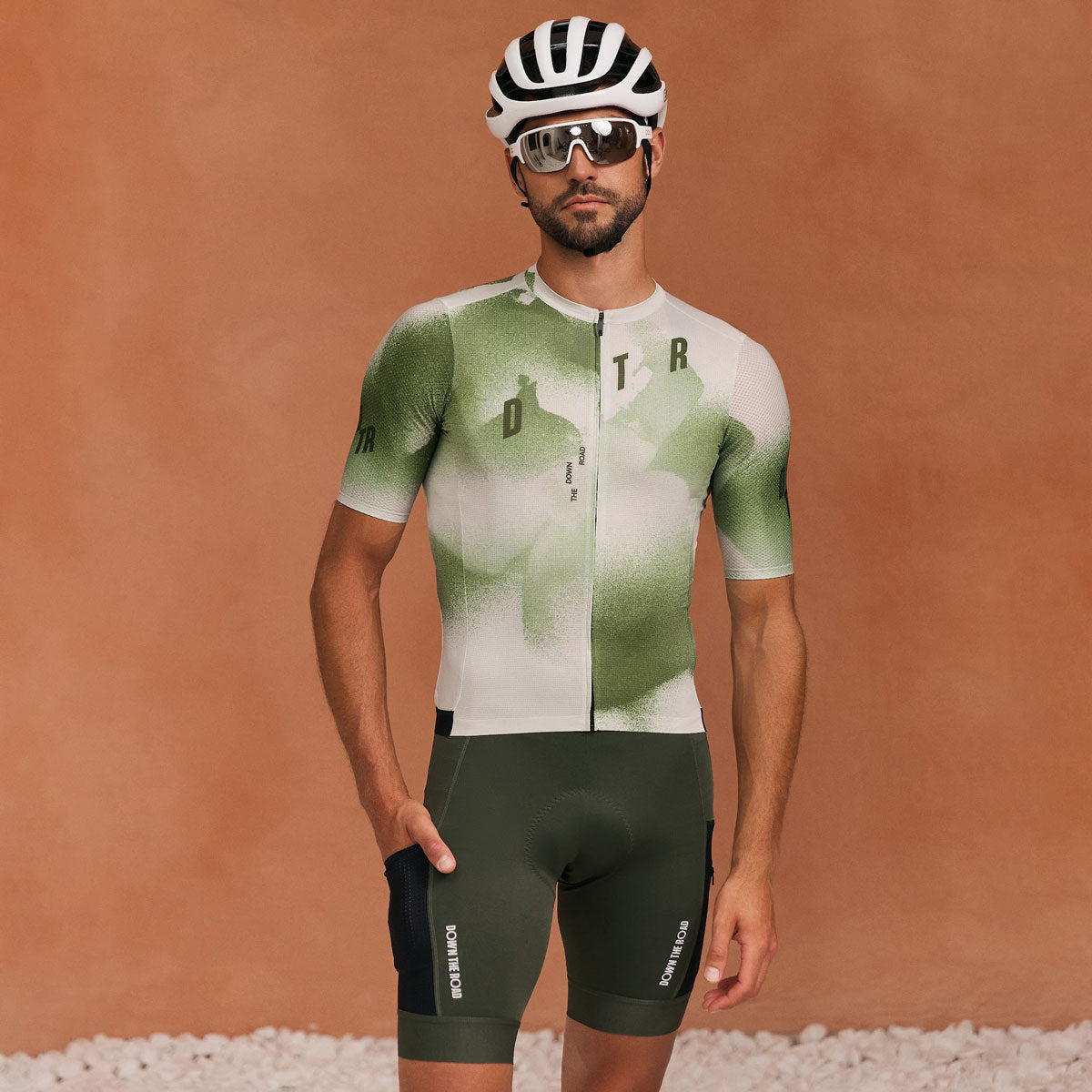
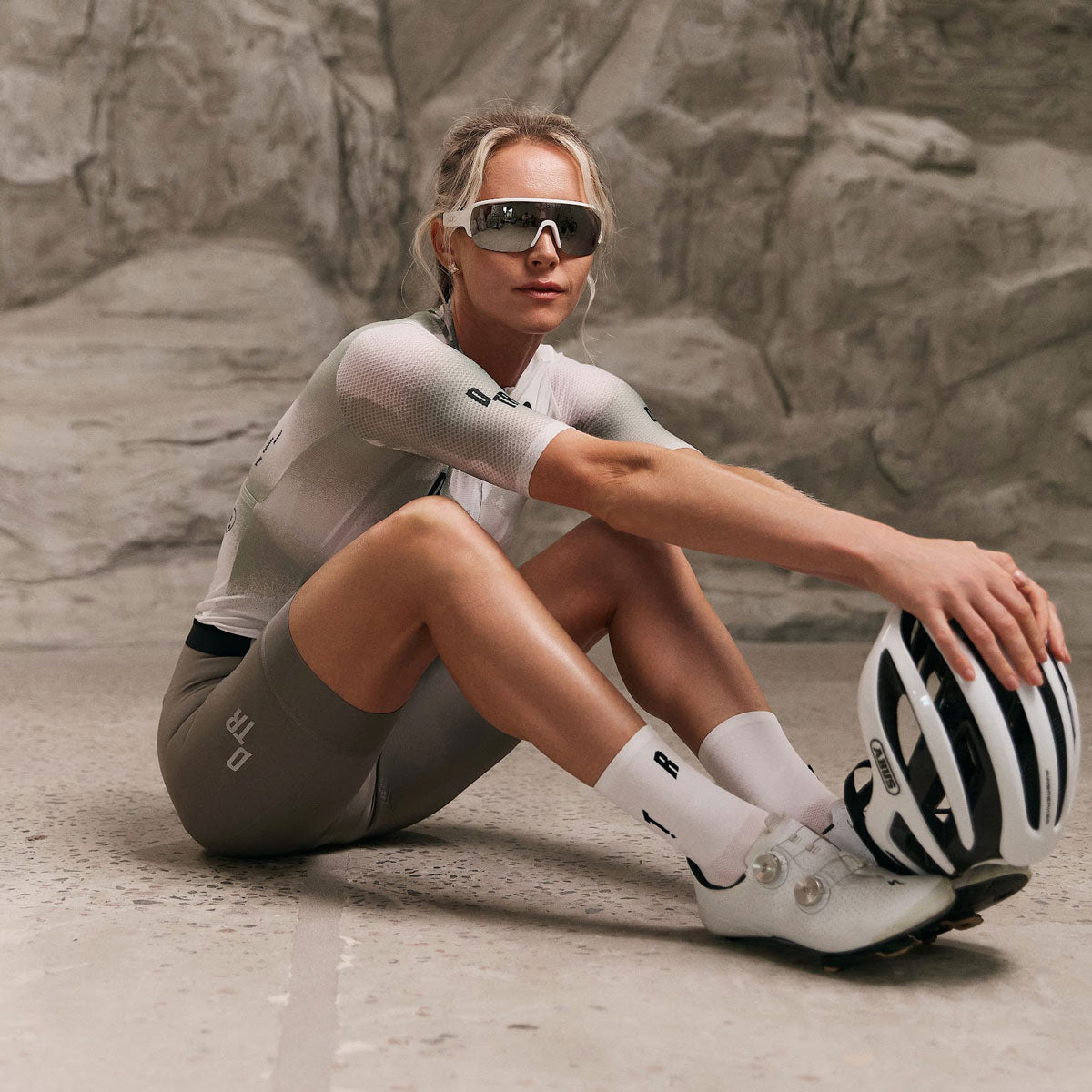
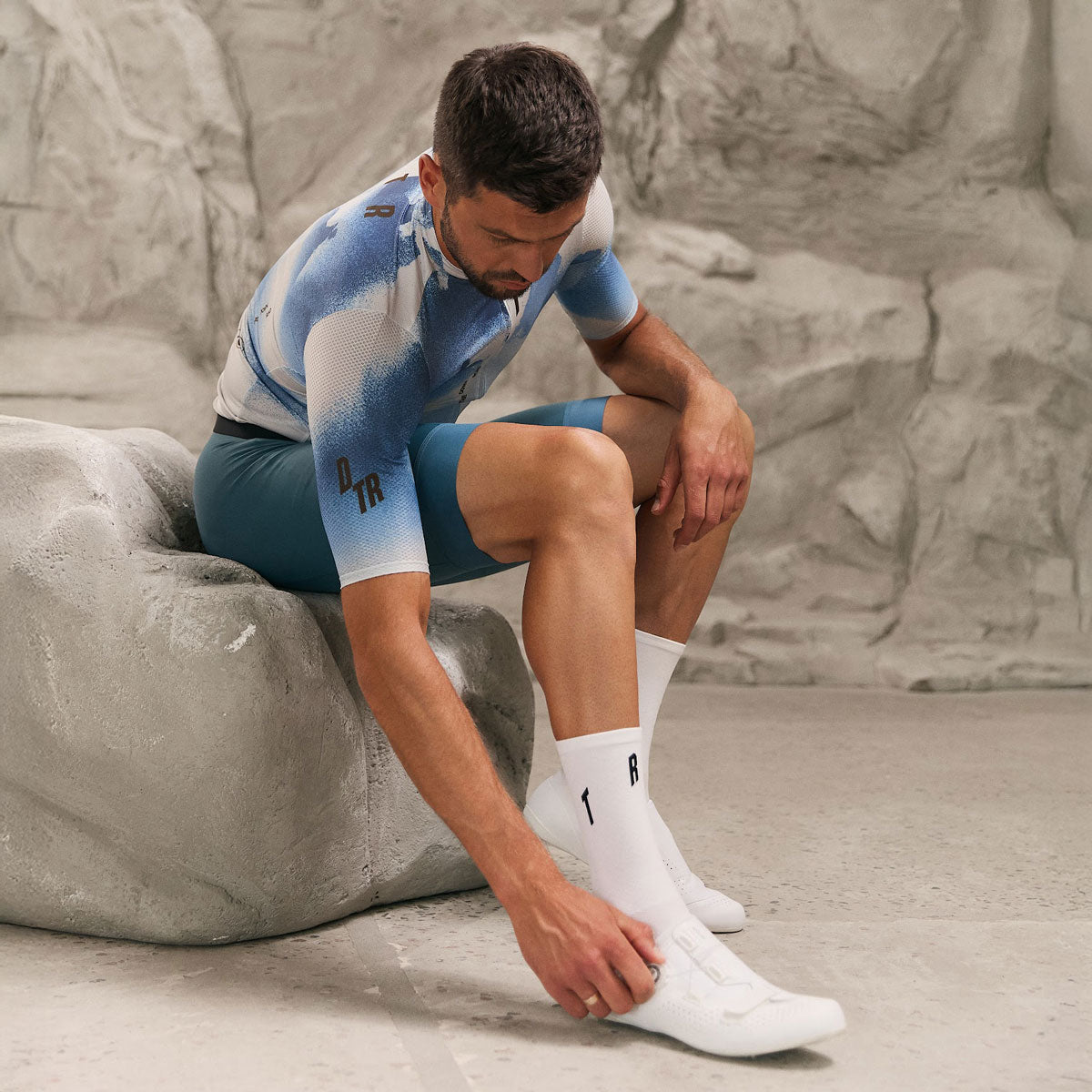
- Bib shorts stop at mid-thigh, leaving your lower legs bare. They're made from breathable, warm-weather lycra with a multi-density chamois pad for the saddle.
- Bib tights extend all the way to your ankles in thermal (usually brushed, fleece-backed) fabric, covering your whole leg for warmth in the cold.
Same core idea — a supportive bib with a chamois — extended for a different season.
When to wear bib shorts
Bib shorts are your default for warm and mild riding:
- Above roughly 15–16°C, bare legs are comfortable and bib shorts are all you need.
- They're breathable and cool, so they suit summer, hot climates and hard efforts where you'd overheat in tights.
- They're the year-round base you build on — add leg warmers when it's cooler, and they extend into spring and autumn.
For most of the riding season in a temperate climate, bib shorts plus warmers cover you. See our guide to choosing bib shorts for what matters in a good pair.
When to wear bib tights
Bib tights come out when it's genuinely cold:
- Below roughly 8–10°C, full-leg thermal coverage keeps your muscles warm and comfortable in a way bare legs or shorts can't.
- The brushed thermal fabric traps warmth, and many have windproof or water-resistant front panels for winter wind and spray.
- They come with a chamois (as a one-piece bib tight) or without (as a thermal tight to wear over your shorts) — a bib tight with its own pad replaces your shorts entirely on cold days.
For steady winter riding, bib tights are warmer, simpler and more comfortable than layering. See our guide to choosing thermal bib tights.
Bib shorts, leg warmers or bib tights?
The three-way choice comes down to temperature and how changeable the day is:
- Warm (15°C+): bib shorts alone.
- Cool and changeable (8–15°C): bib shorts plus leg warmers — adaptable, and the warmers come off mid-ride when it warms up.
- Cold and steady (below ~8°C): bib tights — warmer and better for consistent cold than shorts and warmers.
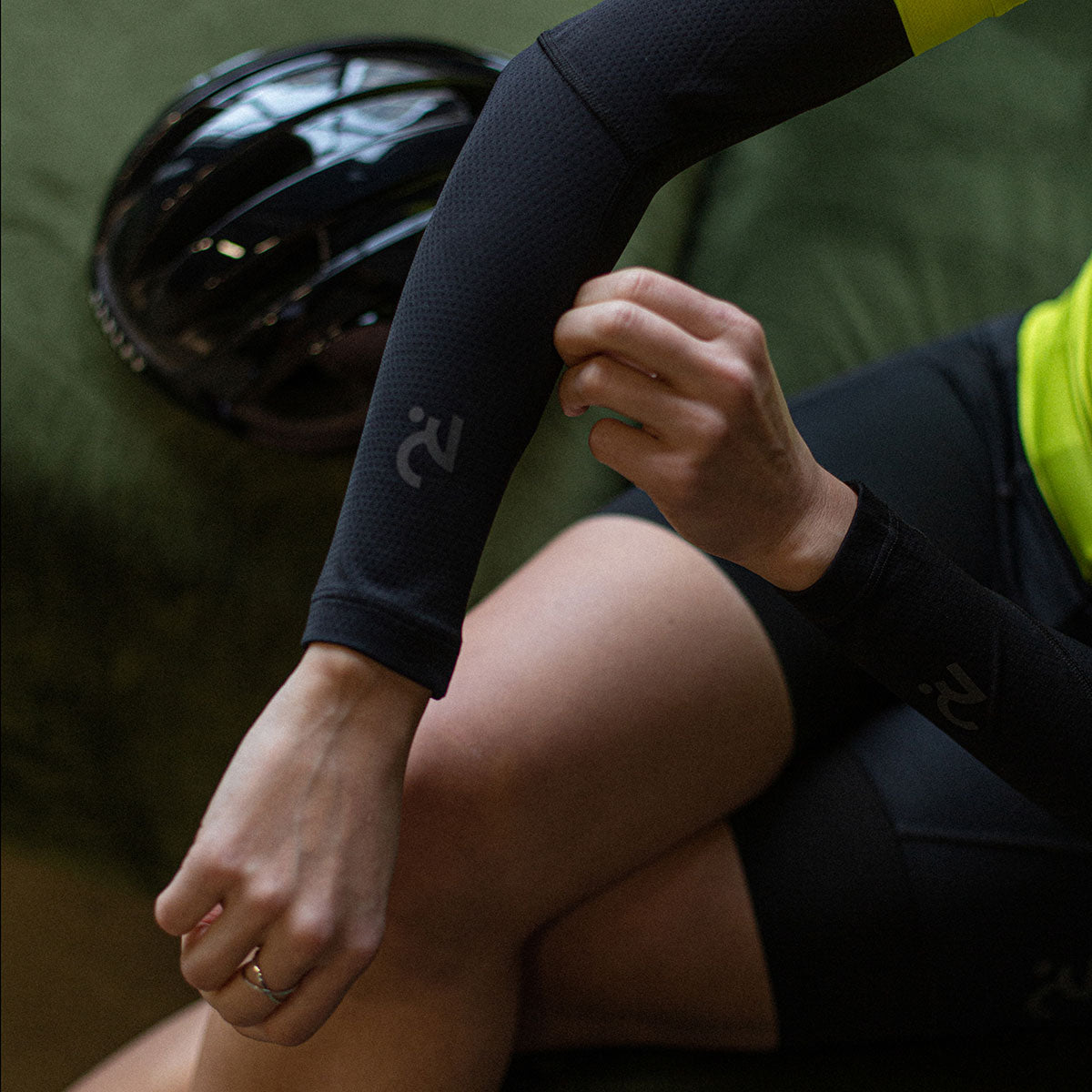
Leg warmers bridge the gap: they turn your bib shorts into cold-weather kit for shoulder-season and changeable days, while bib tights are the dedicated winter option for steady cold. Many riders use shorts + warmers down to about 8°C, then switch to tights below that.
Do you need both?
If you ride year-round in a climate with real seasons, yes — bib shorts for the warm half of the year, bib tights for the cold half, and leg warmers to bridge the shoulder seasons. If you only ride in summer, bib shorts (plus maybe warmers) are enough. If you only ride in deep winter, tights are the priority. For most year-round cyclists, the full kit is shorts, warmers and tights — each for its part of the year.
FAQ
What's the difference between bib shorts and bib tights? Bib shorts stop at mid-thigh in breathable warm-weather fabric for summer; bib tights extend to the ankle in thermal fabric for cold-weather riding. Both use shoulder straps and (usually) a chamois — bib tights are the winter version.
Do I need bib shorts and bib tights? If you ride year-round in a climate with seasons, yes — shorts for warm weather, tights for cold, and leg warmers to bridge in between. If you only ride in one season, buy for that: shorts for summer, tights for winter.
At what temperature do I switch from bib shorts to bib tights? Roughly below 8–10°C, most riders want bib tights. Between about 8 and 15°C, bib shorts with leg warmers work well; above 15°C, bib shorts alone. Adjust for wind and how warm you run.
Should I get bib tights or leg warmers for winter? For steady, consistent cold, bib tights are warmer, simpler and more comfortable. For changeable days that start cold and warm up, bib shorts plus leg warmers are more adaptable because the warmers come off mid-ride. Many riders own both.
Do bib tights have a chamois? Some do and some don't. A one-piece bib tight with a built-in chamois replaces your shorts on cold days; a thermal tight without a pad is designed to go over your bib shorts. Check which type you're buying so you're not doubling up or missing a pad.
The bottom line
Bib shorts and bib tights aren't rivals — they're the warm-weather and cold-weather versions of the same idea. Wear bib shorts above roughly 15°C, add leg warmers for cool and changeable days, and switch to bib tights below about 8°C for steady winter warmth. If you ride year-round, you'll want all three; if you ride one season, buy for it. Explore DTR thermal bib tights for cold-weather riding.
—
DTR — performance cycling and triathlon apparel, designed and developed in Ukraine.

Leave a comment
This site is protected by hCaptcha and the hCaptcha Privacy Policy and Terms of Service apply.