

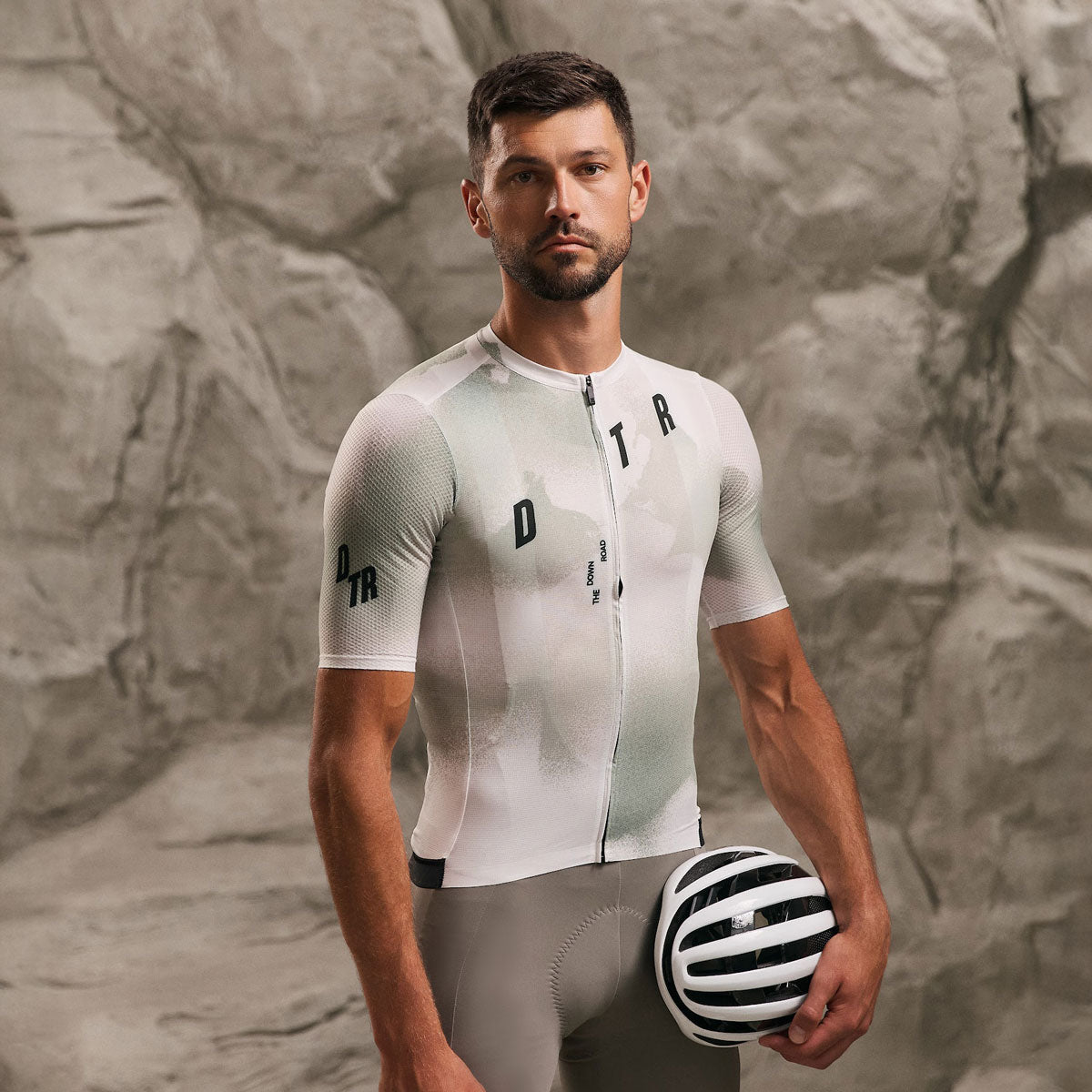
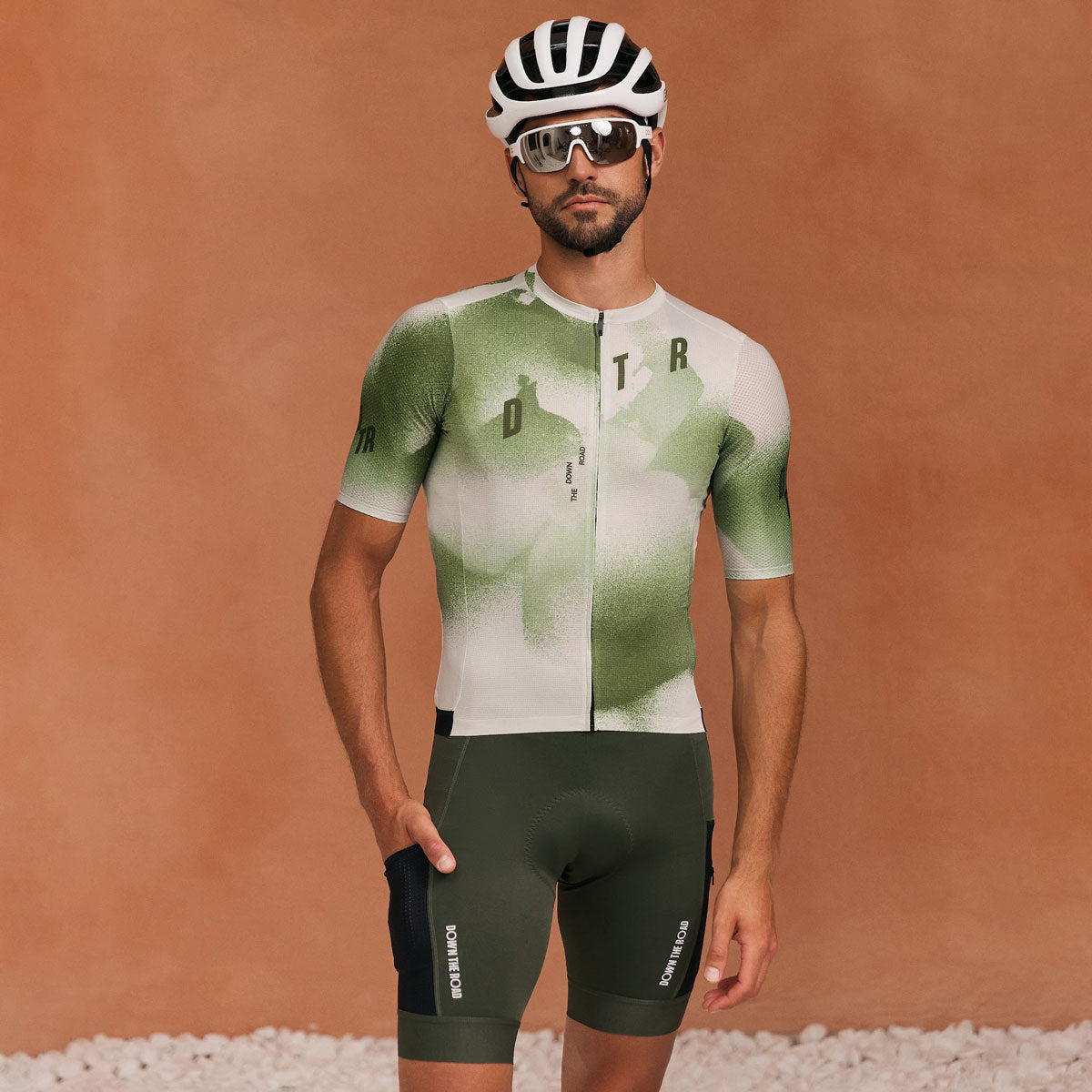


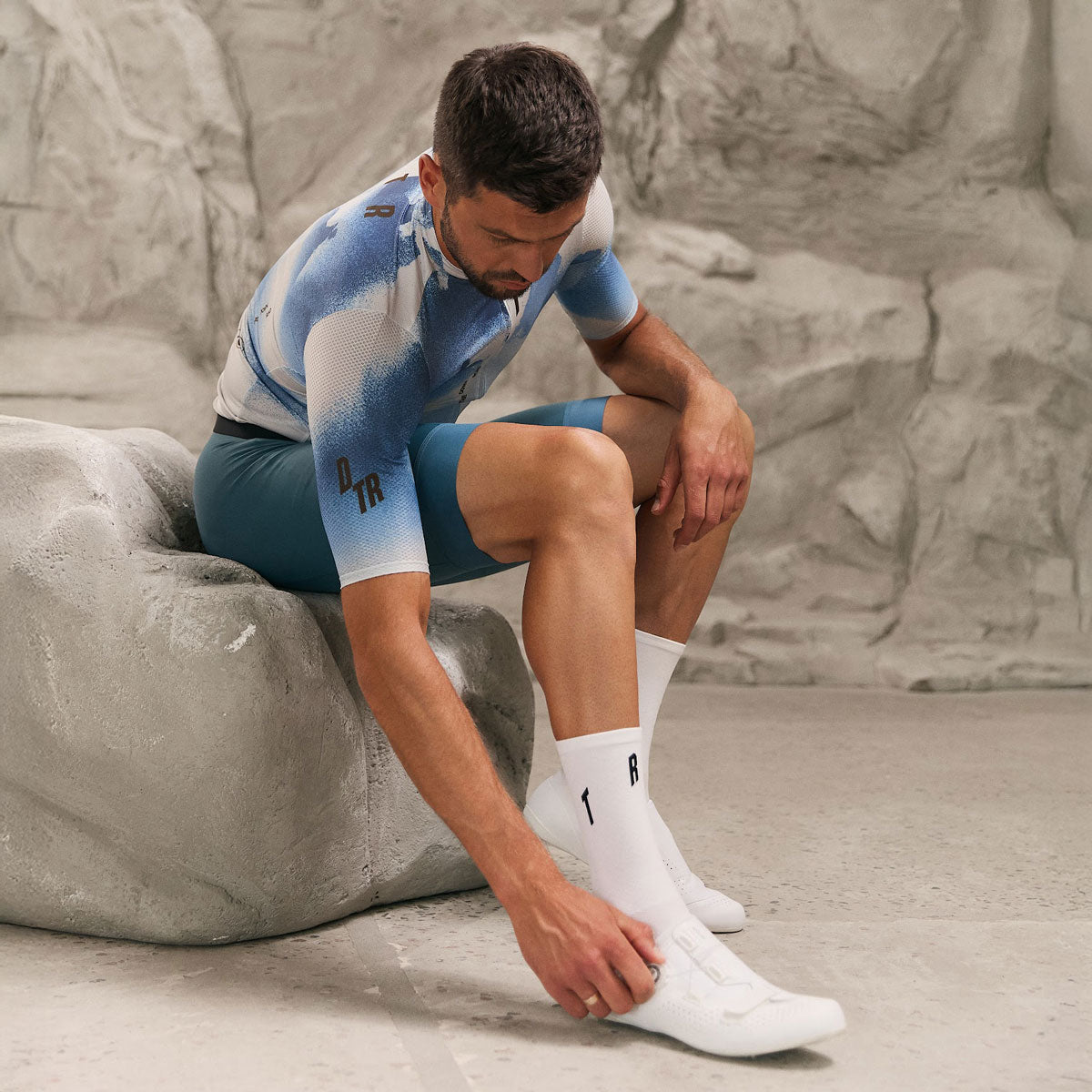
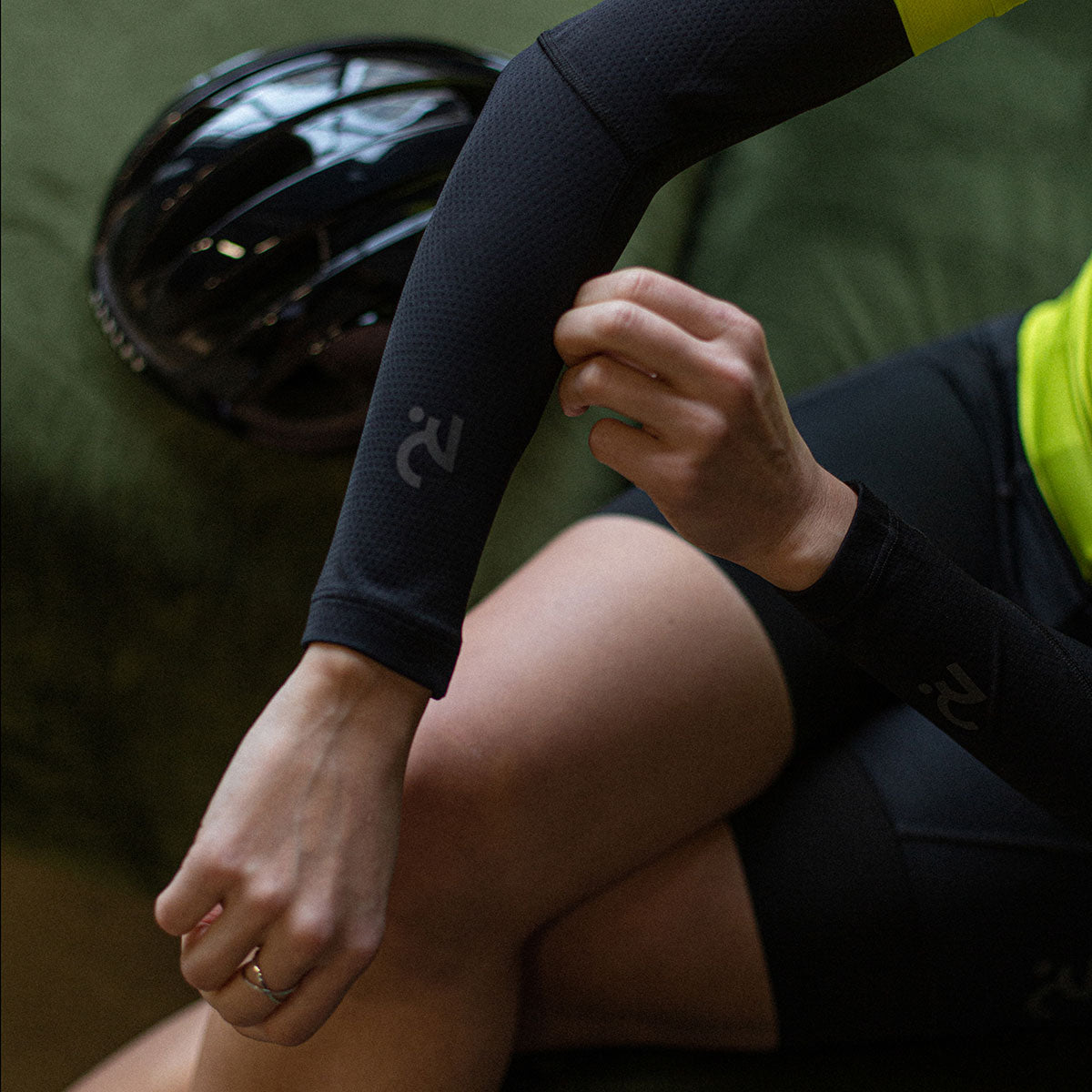
The honest answer is that neither is better outright — a merino base layer manages odour and temperature brilliantly and feels comfortable over long, all-day rides, while a synthetic base layer wicks and dries faster and is tougher for hard, sweaty efforts. Both do the base layer's core job — moving sweat off your skin to keep you drier, warmer in the cold and cooler in the heat — but they trade differently. The right one depends on the riding you do, and many cyclists own both. This guide breaks down the differences and who each suits.
What both base layers do
Whatever the fabric, a base layer's job is moisture management: worn next to the skin under your jersey, it wicks sweat away so you stay dry, warmer when it's cold and cooler when it's hot. Merino and synthetic both do this — the difference is how, and what else they bring. So the choice isn't "which works" but "which set of trade-offs suits your riding." Get the weight right for your climate first (light for heat, thermal for cold), then choose the fabric.
Merino wool: comfort, warmth and odour control
Merino wool is a natural fibre with a few standout strengths:
- Odour resistance: merino naturally resists smell, so it stays fresh over multi-day trips and long rides, and can be worn more than once between washes.
- Temperature regulation: it manages a wide range of temperatures well, feeling warm in the cold and breathable in milder weather.
- Comfort: soft, non-itchy (in good merino) and comfortable against the skin over long, all-day rides.
- Warm when damp: like all wool, it insulates even when wet.
The trade-offs: merino dries more slowly than synthetic, is less durable (it can wear thin over time), and usually costs more. It's the choice for long, all-day and multi-day riding, cold weather, and anyone who values comfort and odour control.
Synthetic: fast-wicking, fast-drying and durable
Synthetic base layers (polyester, polypropylene and blends) trade natural comfort for performance:
- Fast wicking and drying: synthetics pull sweat off fast and dry quickly, which suits hard, sweaty efforts and hot rides.
- Durability: tougher and longer-lasting than merino, and they keep their shape.
- Lighter and cheaper: often lighter, more packable and less expensive.
- Mesh options: the most breathable summer base layers are usually synthetic mesh.
The trade-off: synthetics hold odour more (bacteria build up faster, so they need washing after every ride), and some feel less natural against the skin. Synthetic is the choice for hard training, hot weather, racing, and anyone who sweats heavily or wants durability and value.
Merino vs synthetic: the honest comparison
Neither wins outright — they optimise for different things:
- Odour: merino resists smell far better; synthetic needs washing every ride.
- Drying speed: synthetic dries faster; merino is slower.
- Wicking: synthetic wicks fastest for hard, sweaty efforts; merino wicks well but more slowly.
- Warmth: both insulate well; merino regulates a wider range and stays warm damp.
- Durability: synthetic lasts longer; merino can wear thinner over time.
- Comfort: merino feels softer and more natural for many; synthetic is lighter.
- Cost: synthetic is usually cheaper; merino costs more.
Which should you choose?
Match it to your riding:
- Long, all-day or multi-day rides, bikepacking, and anywhere odour control and comfort matter? Merino earns its place.
- Cold-weather riding where warmth and temperature regulation matter? A thermal merino or a merino blend is excellent.
- Hard, sweaty training, racing, and hot weather? A synthetic (or mesh synthetic) wicks and dries fastest and is tougher.
- On a budget or want maximum durability? Synthetic.
- Want the best of both? Merino-synthetic blends aim to combine merino's odour control and comfort with synthetic's durability and drying speed — a popular middle ground.
Many cyclists end up with both: a merino for long and cold rides, a synthetic (or mesh) for hard and hot ones. If you're buying one and ride mixed conditions, a merino blend is a versatile first pick. Pair it with the right weight for the season — see our cold-weather layering guide.
FAQ
Is merino or synthetic better for a cycling base layer? Neither outright — merino manages odour and temperature and feels comfortable on long rides; synthetic wicks and dries faster and is tougher and cheaper. Choose based on your riding: merino for long/cold/comfort, synthetic for hard/hot/durable.
Does a merino base layer keep you warmer? Merino regulates temperature well and stays warm even when damp, which makes it excellent for cold and variable weather. Synthetic thermals are warm too; merino's edge is its wide temperature range and comfort over long rides.
Why does synthetic kit smell more than merino? Merino naturally resists odour-causing bacteria, so it stays fresher for longer; synthetic fibres let bacteria build up faster, so synthetic base layers need washing after every ride. A technical sportswear wash helps with both.
Which dries faster, merino or synthetic? Synthetic dries faster, which is why it suits hard, sweaty efforts and hot rides where you're sweating a lot. Merino dries more slowly but stays warm even while damp.
Should I get a merino or synthetic base layer for summer? For hot, sweaty rides, a lightweight synthetic or mesh base layer wicks and dries fastest. A fine merino also works and resists odour, but synthetic mesh is usually the coolest, fastest-drying summer option.
The bottom line
Merino manages odour and temperature and feels comfortable over long, all-day and cold rides; synthetic wicks and dries faster, lasts longer and costs less, which suits hard, sweaty and hot riding. Neither is better — match the fabric to your riding, get the weight right for your climate, and if you ride mixed conditions, a merino blend is a versatile pick. Explore DTR base layers for every ride.
—
DTR — performance cycling and triathlon apparel, designed and developed in Ukraine.

Leave a comment
This site is protected by hCaptcha and the hCaptcha Privacy Policy and Terms of Service apply.