

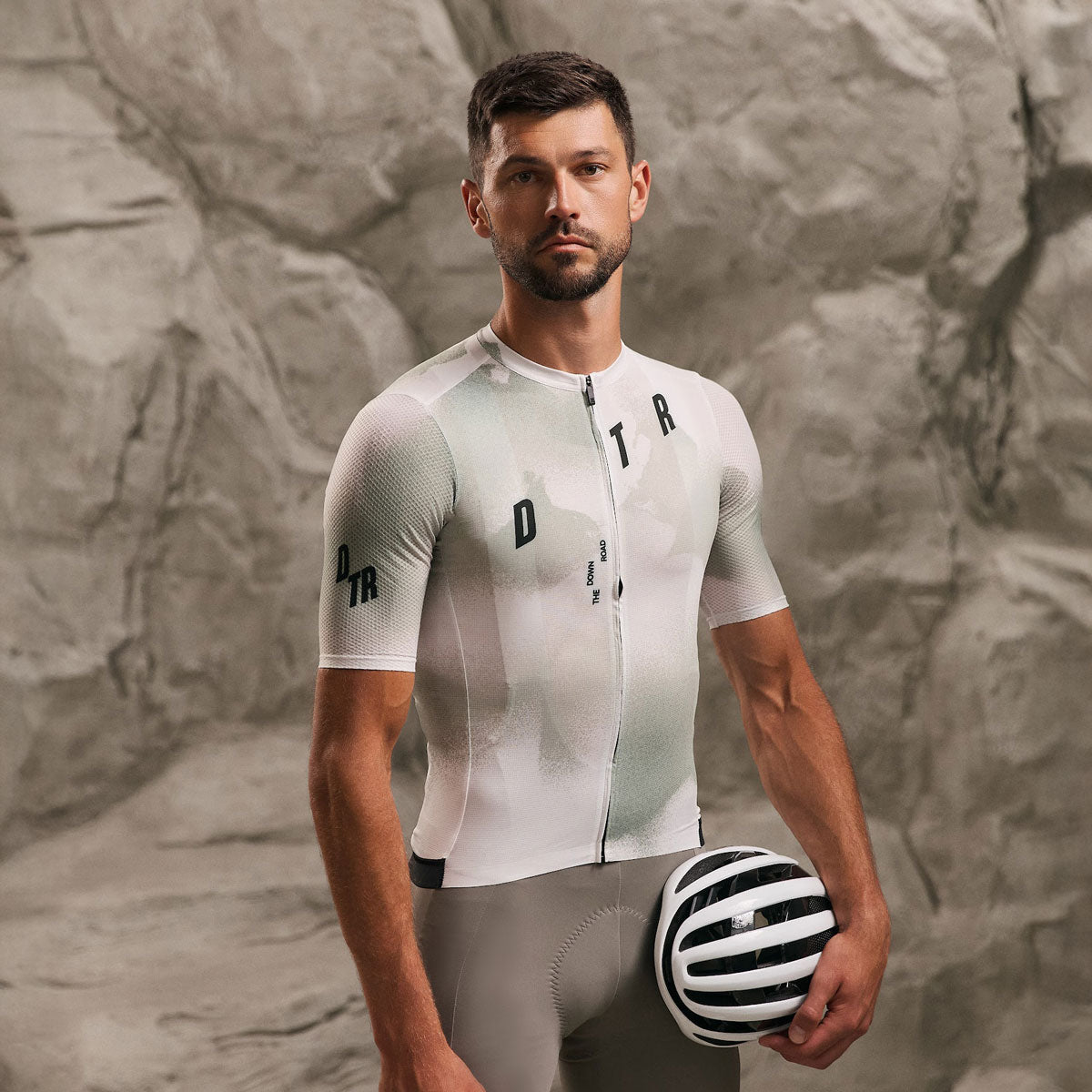
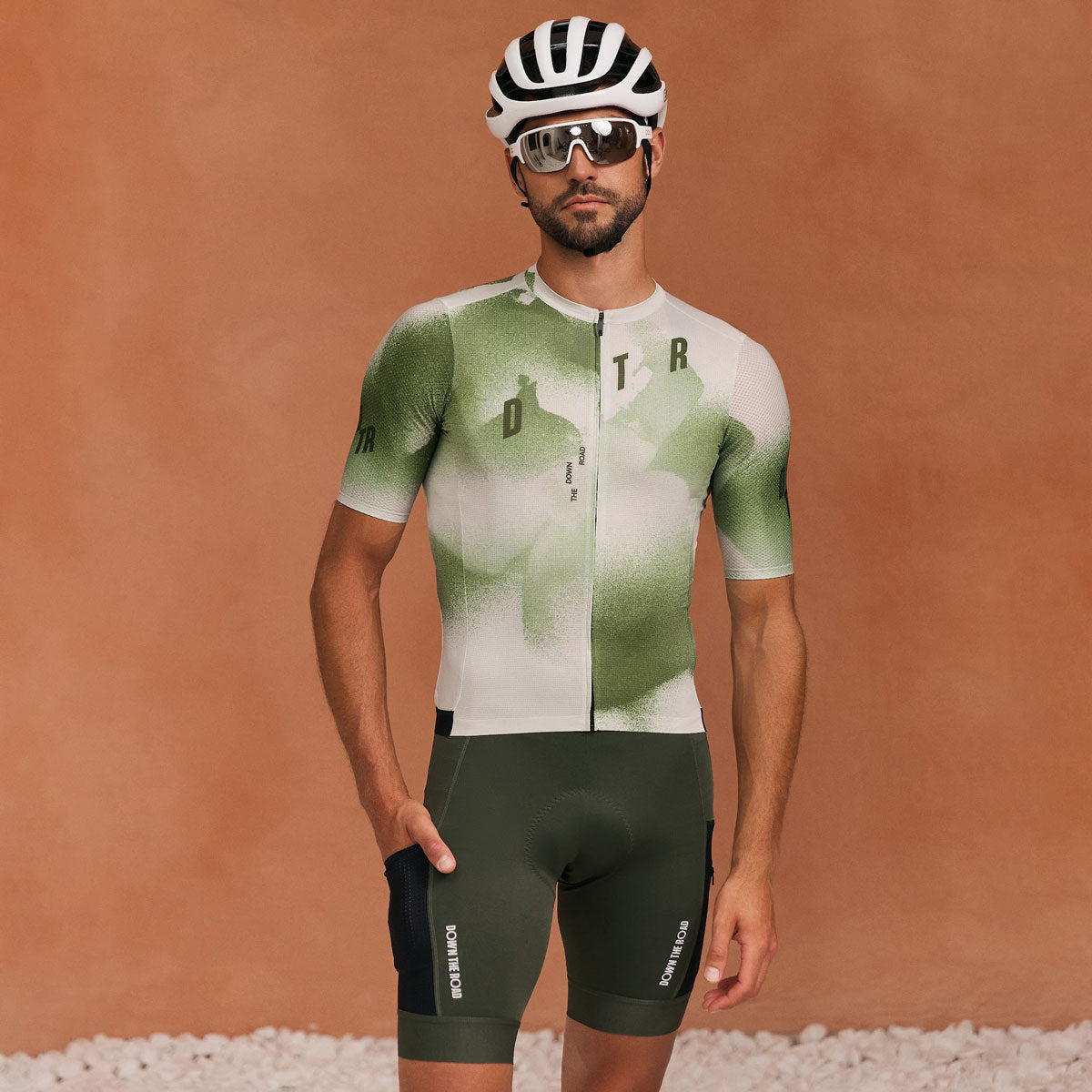
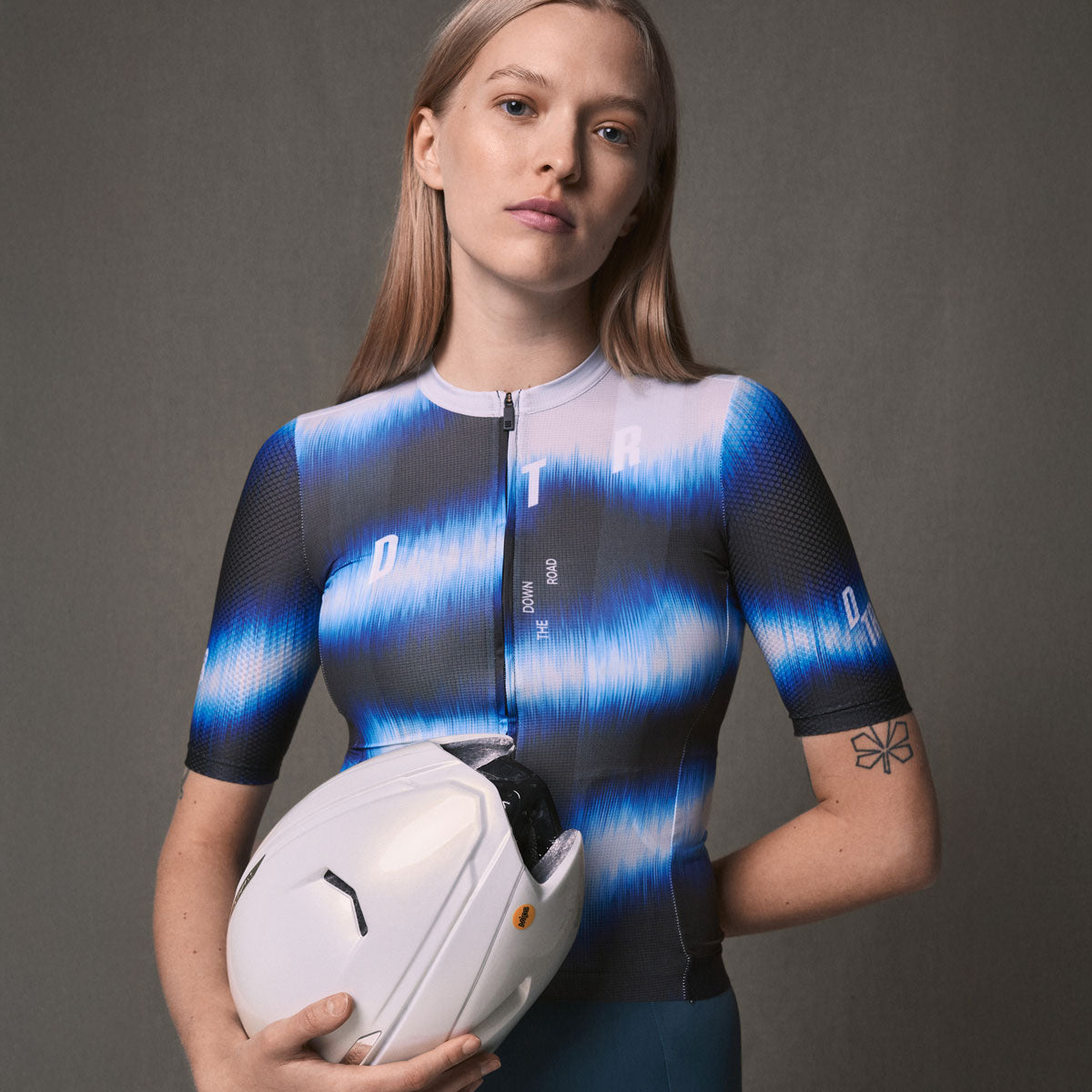
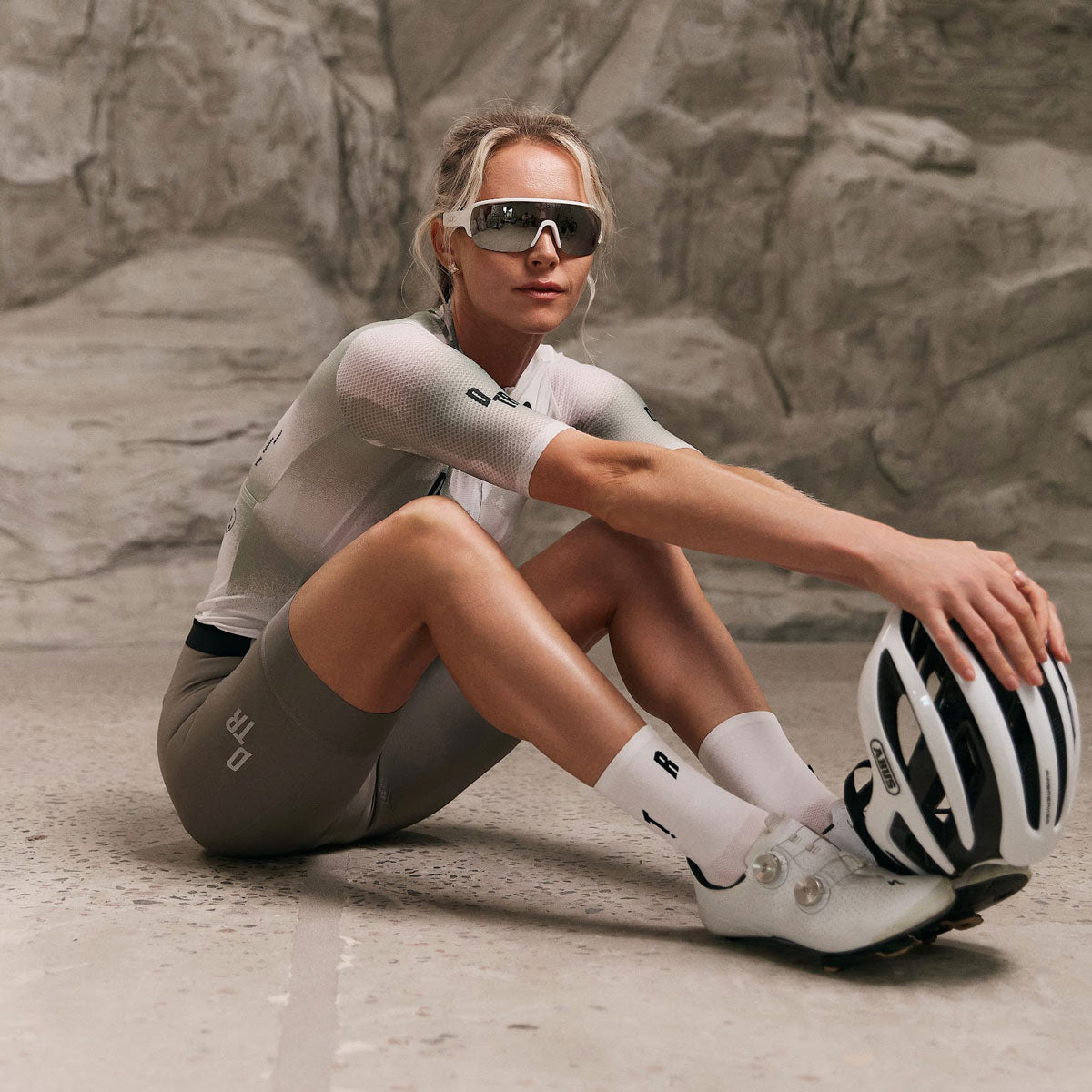
Yes — for most riders, a base layer is one of the most useful and least glamorous pieces of kit you can own, because it works all year: in the cold it adds warmth, and in the heat a lightweight one actually keeps you cooler by managing sweat. Worn next to the skin under your jersey, its job is moisture management — pulling sweat off your body so you stay drier, warmer in winter and cooler in summer. This guide explains what a base layer does, why it helps year-round, and how to choose one.
What a base layer actually does
A base layer is a thin technical top worn next to your skin, under your jersey. Its main job isn't warmth on its own — it's moisture management. It wicks sweat off your skin and moves it to your jersey to evaporate, keeping a dry layer against your body instead of a wet, cold, clinging one. That's why it matters in both directions: dry skin is warmer when it's cold and cooler when it's hot. A good base layer is the quiet foundation the rest of your kit works better on top of.
Why it keeps you warmer in winter
In the cold, wet skin is cold skin. If sweat sits on your skin under a jersey, it chills you fast, especially on descents and at rest stops. A base layer pulls that sweat away and adds a layer of insulation, trapping warm air against your body. A thermal (brushed, heavier) base layer adds real warmth as the first layer under a long sleeve jersey or jacket, and is one of the highest-value pieces for cold-weather riding — a small addition that makes a big difference in how warm you stay.
Why it keeps you cooler in summer
This is the part people get wrong: a lightweight base layer keeps you cooler in the heat, not warmer. A mesh or ultralight base layer wicks sweat off your skin so it can evaporate and cool you, and keeps a dry layer against you rather than a jersey soaked and clinging to your back. It also stops that clammy, stuck-on feeling on a hot climb. Skipping the base layer in summer feels logical but usually leaves you hotter and wetter, not cooler.
When you might not need one
A base layer isn't compulsory, and there are cases where you can skip it:
- Very short, easy rides where you're barely sweating and comfort isn't an issue.
- If you genuinely overheat easily and ride only in hot weather, you might prefer just a very breathable jersey — though a mesh base layer usually still helps.
- Personal preference: some riders simply don't like the extra layer.
But for most riders on most rides — anything over an hour, anything cold, anything where you'll sweat — a base layer earns its place. It's one of the cheapest ways to be more comfortable on the bike.
Choosing the right base layer
Match the base layer to the temperature:
- Hot weather: a mesh or ultralight sleeveless/short-sleeve base layer for maximum breathability and sweat-wicking.
- Mild/variable: a lightweight short or long sleeve base layer that wicks and adds a touch of warmth.
- Cold weather: a thermal, brushed long sleeve base layer for insulation under your jersey and jacket.
Fabric-wise, synthetics wick fast and dry quickly, while merino wool manages odour and temperature well and feels comfortable over long rides; many riders keep one of each for different conditions. Fit should be snug — a base layer works best worn close to the skin so it can wick. Women's cuts differ in torso length and bust construction — the women’s base layer guide covers what changes.
FAQ
Do I really need a cycling base layer? For most riders, yes — it manages sweat to keep you warmer in the cold and cooler in the heat, and improves comfort on any ride over about an hour. You can skip it on very short, easy rides, but it's one of the highest-value pieces of kit.
Does a base layer keep you cool in summer? Yes — a lightweight mesh base layer keeps you cooler by wicking sweat off your skin to evaporate, keeping a dry layer against you instead of a soaked jersey. It's counterintuitive but it works.
What does a cycling base layer do? It wicks sweat off your skin and moves it to your jersey to evaporate, keeping you dry. Dry skin is warmer in the cold and cooler in the heat, so it helps year-round.
Merino or synthetic base layer for cycling? Synthetics wick and dry fastest and are great for hard, sweaty efforts; merino manages odour and temperature well and is comfortable over long rides. Many riders own both for different conditions.
Should a base layer be tight or loose? Snug — a base layer works best close to the skin so it can wick sweat effectively. A loose one can't do its job as well, though it shouldn't be uncomfortably tight.
The bottom line
For most riders, a base layer is worth it: it manages sweat to keep you warmer in winter and cooler in summer, and improves comfort on almost any ride. Match it to the temperature — mesh for heat, thermal for cold — wear it snug, and it quietly makes the rest of your kit work better. Explore DTR base layers for every season.
—
DTR — performance cycling and triathlon apparel, designed and developed in Ukraine.

Leave a comment
This site is protected by hCaptcha and the hCaptcha Privacy Policy and Terms of Service apply.