

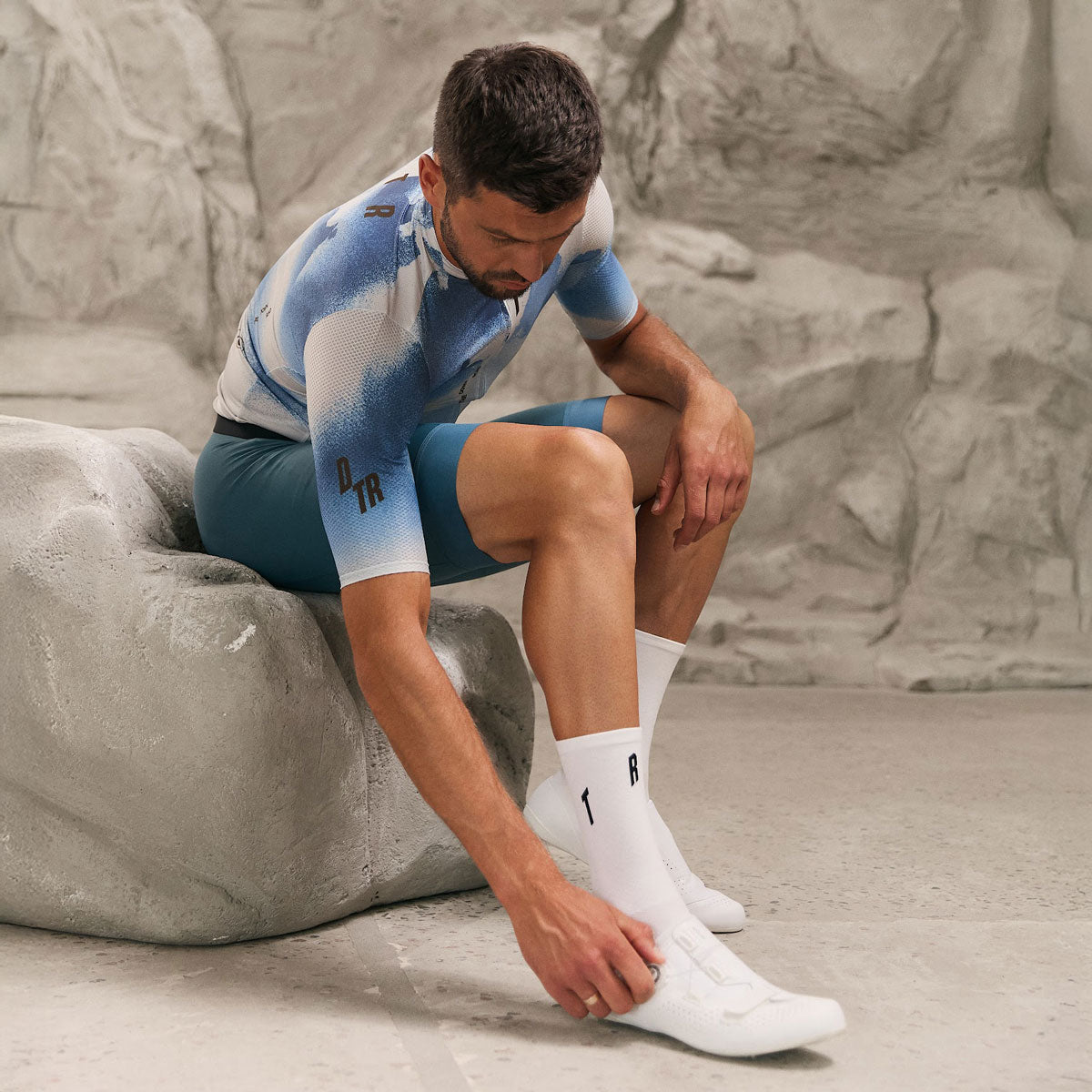
The choice comes down to aerodynamics and simplicity versus flexibility and comfort: a one-piece trisuit is sleeker, faster and simpler for racing, while a two-piece tri kit (separate top and shorts) is more flexible, easier for nature breaks and nutrition, and can be more comfortable for some. If you're not yet sure what a tri suit actually is, start there — this guide assumes you already know the basics and focuses on the one-piece-vs-two-piece decision. Both formats are built for the same job — swimming, biking and running in one outfit with a light, quick-drying chamois — so the right one depends on your distance, priorities and body.
What they share
Both a trisuit and a two-piece tri kit are designed to do all three triathlon legs without changing: quick-drying so you're not carrying water weight out of the swim, snug and aero on the bike, and with a thin, run-friendly pad sized for the distance you're racing. Both go under a wetsuit for the swim and stay on through both transitions. So the core function is the same — the difference is one piece versus two, and what that changes.
The one-piece trisuit: sleeker and faster
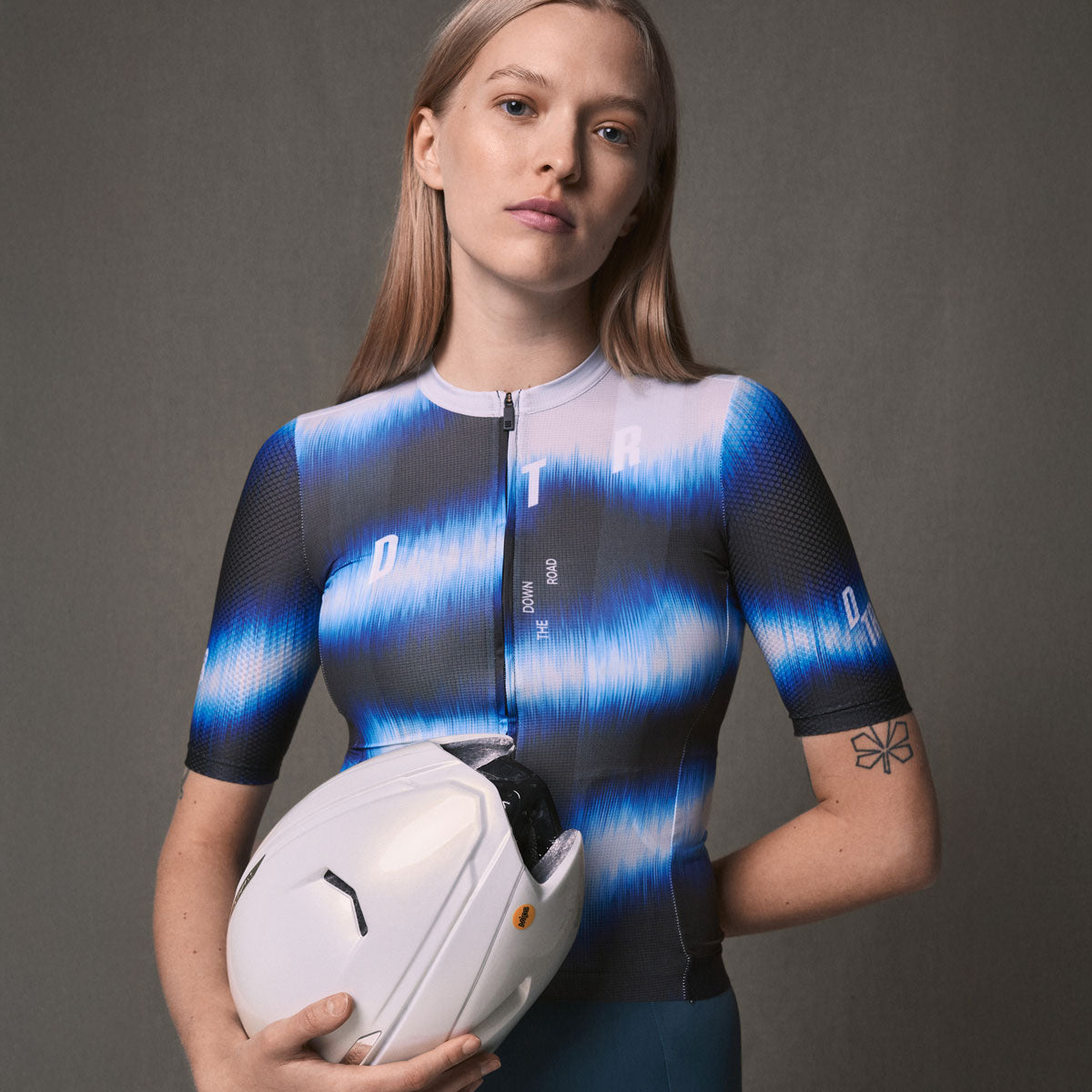
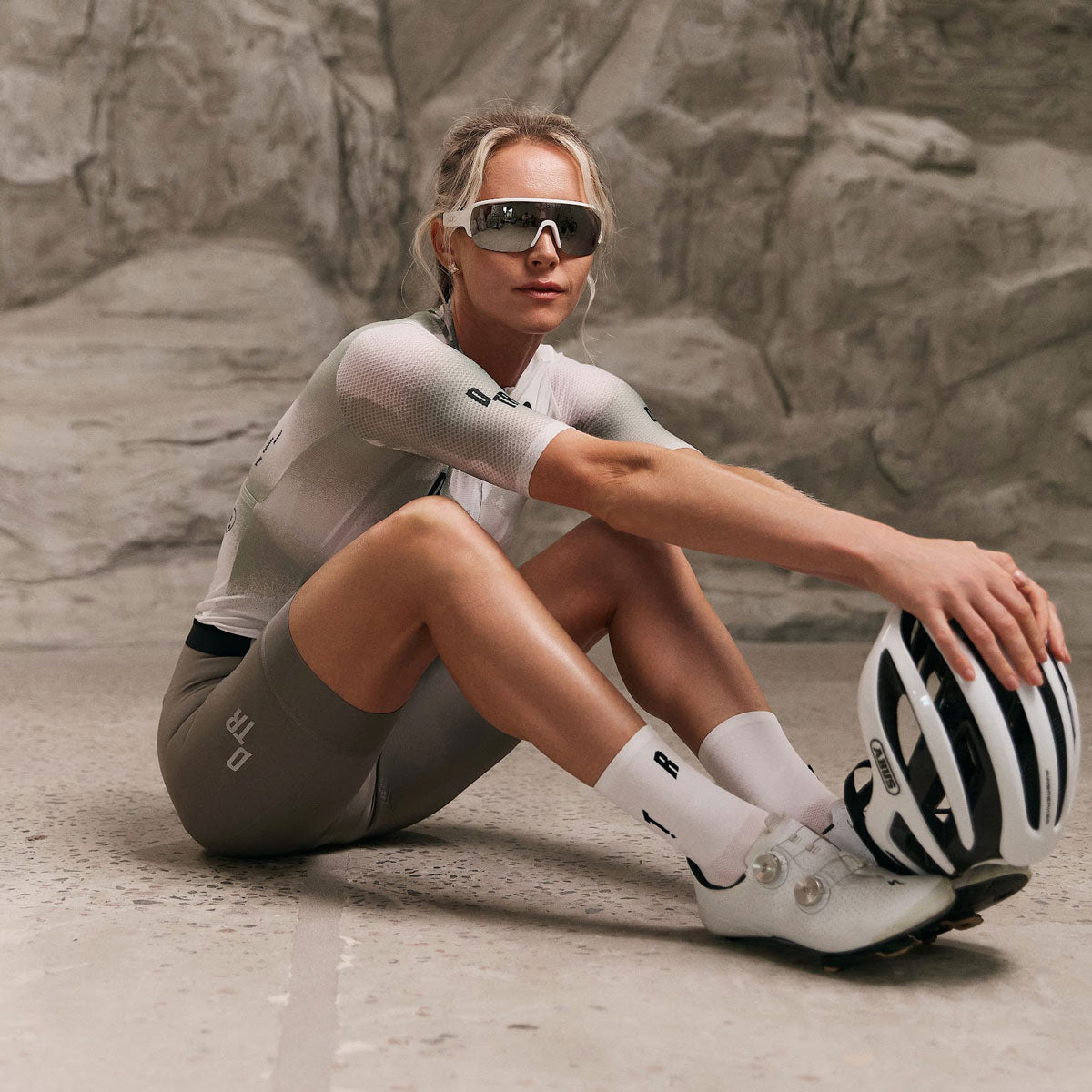
A one-piece trisuit is a single garment from shoulders to thighs. Its advantages are aerodynamics and simplicity: with no gap at the waist, it's smoother in the wind and often the faster choice, and there's less to think about — one thing on, nothing to ride up or come untucked. It stays sleek and in place through the swim, bike and run. That's why one-pieces are common at the pointy end and for anyone chasing speed. The trade-offs: nature breaks mean peeling the whole suit down, and there's less flexibility to adjust fit top and bottom separately — worth checking against how a trisuit should fit before you commit to a size.
The two-piece tri kit: more flexible
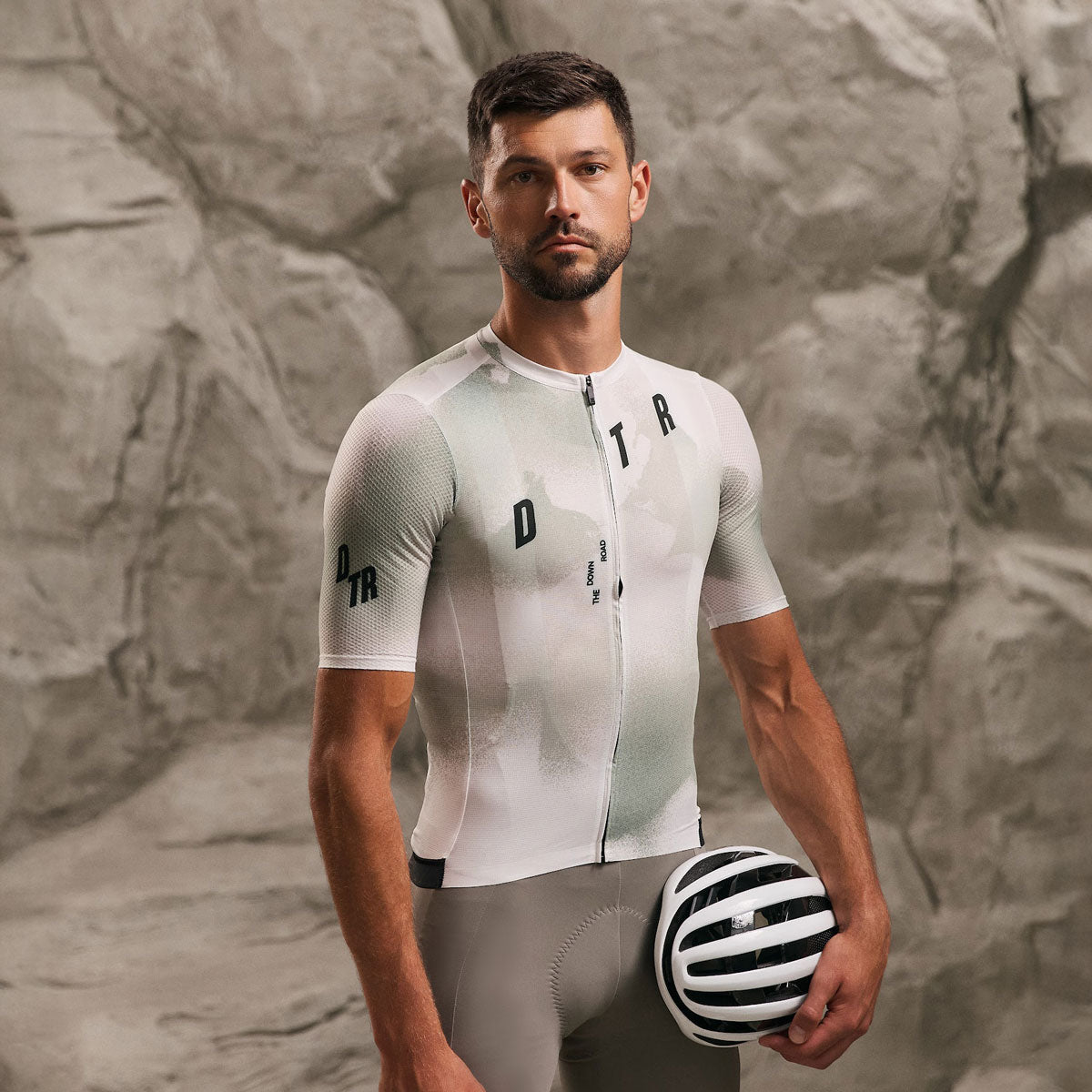
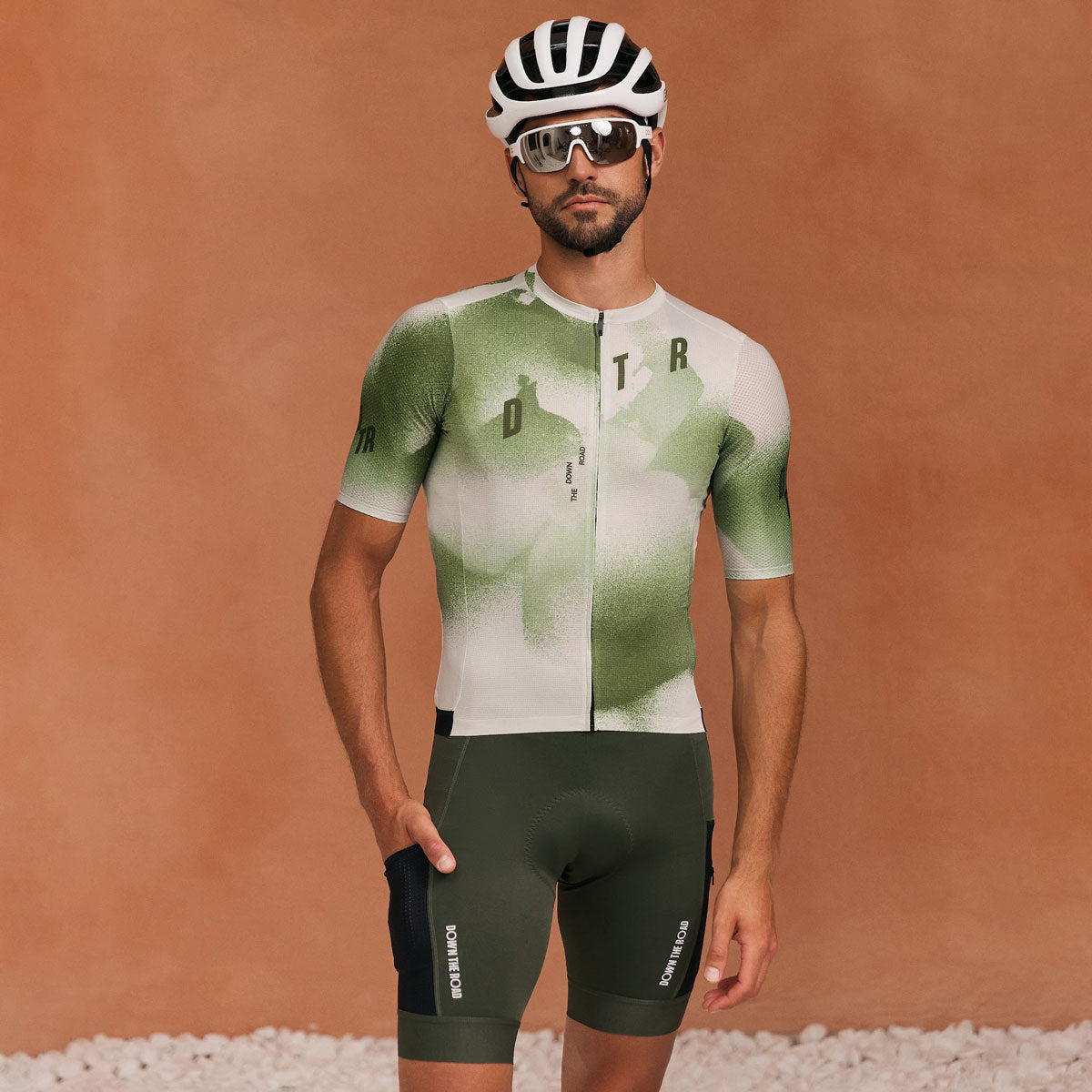
A two-piece — a separate tri top and tri shorts — trades a little aero for flexibility and convenience. Its advantages: you can take the top off for a nature break or in transition without removing everything, it's easier to access nutrition and to adjust, and you can mix sizes if your top and bottom halves differ. Some riders find a two-piece more comfortable and less restrictive, and it doubles as more versatile kit — the shorts alone work like a pair of bib shorts for separate training sessions. A sleeved top also opens up the sleeved vs sleeveless decision, which doesn't apply to most one-piece suits. The trade-off is a small aero penalty from the waist gap, and the top can ride up on some people.
Trisuit vs two-piece: the honest comparison
Neither is better — they optimise for different priorities:
- Aerodynamics: the one-piece is smoother and usually faster; the two-piece has a small penalty at the waist.
- Nature breaks: the two-piece is far easier — no peeling the whole suit down.
- Comfort: individual — some prefer the seamless one-piece, others the freedom of a two-piece.
- Fit flexibility: the two-piece lets you size top and bottom separately; the one-piece is a single size.
- Versatility: the two-piece doubles for training in separate pieces; the one-piece is race-focused.
Which should you choose?
Match it to your racing and priorities:
- Chasing speed, racing shorter/draft-legal, or want the simplest sleek setup? The one-piece trisuit is the aero, no-fuss choice.
- Racing long-course (70.3/Ironman), where nature breaks and nutrition access matter over hours? Many long-course athletes prefer a two-piece for the convenience.
- New to triathlon or unsure? Both work for your first race — a two-piece is a little more forgiving and versatile, a one-piece a little faster and simpler. Comfort and fit matter more than the format at your first race, and what you wear for your first triathlon doesn't have to be either one.
If speed is the priority and the distance is short-to-middle, lean one-piece. If convenience over long distances or fit flexibility matters more, lean two-piece — and either way, the full buying guide covers fabric, fit and sizing in more depth than this comparison does.
FAQ
Is a trisuit or two-piece better for triathlon? Neither is better — a one-piece trisuit is more aero and simpler, a two-piece is more flexible and easier for nature breaks and nutrition. Choose based on your distance and priorities; both do all three legs.
Is a one-piece trisuit faster than a two-piece? Usually slightly, because there's no gap at the waist to disrupt airflow. The difference is small and matters most to competitive racers; for many, comfort and convenience outweigh it.
Why do long-course triathletes use two-pieces? Convenience over hours: a two-piece makes nature breaks and nutrition access far easier, and some find it more comfortable over 70.3 and Ironman distances. The small aero penalty matters less than comfort over that long.
Can you wear a two-piece tri kit under a wetsuit? Yes — both a one-piece and a two-piece go under a wetsuit for the swim and stay on through transitions. The wetsuit comes off in T1 either way.
Which is better for a first triathlon? Both work. A two-piece is a little more forgiving, versatile and convenient; a one-piece is a little faster and simpler. For a first race, prioritise comfort and fit over the format — and test whichever you choose beforehand. If you go one-piece, the best trisuit for a beginner is a forgiving, sleeveless, mid-pad suit built for sprint and Olympic distance.
What's a 2-piece tri suit called vs a trisuit? A 2-piece tri suit is a separate tri top and tri shorts worn together; a trisuit (or "tri suit") is the one-piece version. Both use the same quick-dry fabric and thin chamois — the only difference is whether they're joined at the waist.
Explore DTR trisuits and tri kit.
DTR — performance cycling and triathlon apparel, designed and developed in Ukraine.

Leave a comment
This site is protected by hCaptcha and the hCaptcha Privacy Policy and Terms of Service apply.