


How to Choose a Trisuit: The Complete Buyer's Guide
A trisuit is the single most important piece of kit decision you'll make in triathlon. Unlike cycling or running gear, a trisuit has to perform across three completely different disciplines — in the water, on the bike, and on the run — without a change. Get it right and you barely notice it for the entire race. Get it wrong and you'll be thinking about it from the first transition onwards.
This guide covers everything that actually matters when choosing a trisuit — fit, fabric, pad thickness, distance, and what separates a good trisuit from a great one.
What Is a Trisuit?
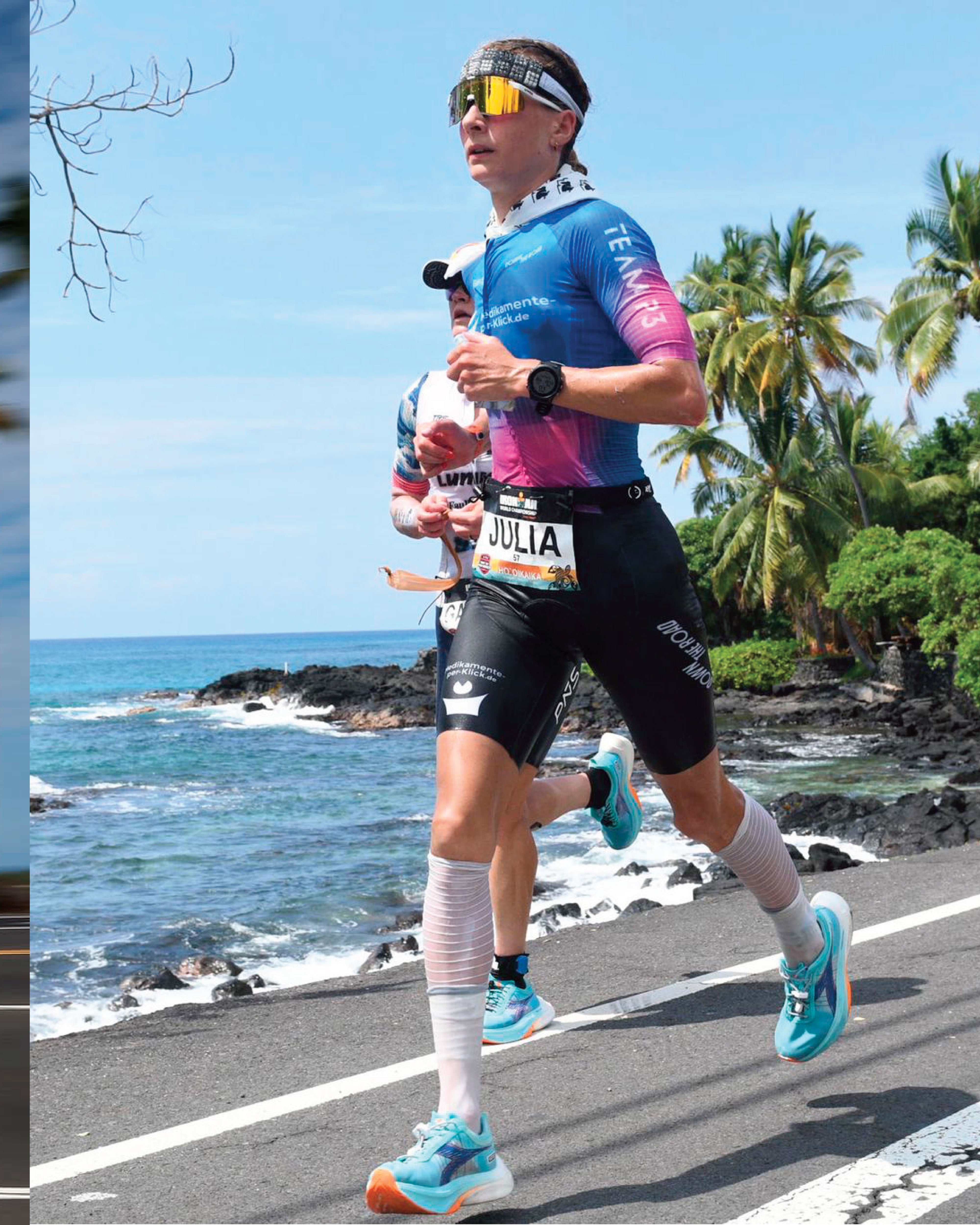
A trisuit is a one-piece garment designed specifically for triathlon racing and training. It replaces separate swim, bike, and run kit, allowing athletes to compete through all three disciplines without changing. Most trisuits feature a thin chamois pad suitable for cycling that dries quickly enough for running, a compressive upper body for swimming, and a construction that balances hydrodynamics in the water with aerodynamics on the bike.
The trisuit is not a compromise between three sports — a well-designed one is optimised for all three simultaneously.
Trisuit vs Tri Shorts and Top — Which Should You Choose?
For most triathletes, a one-piece trisuit is the better choice. Here is why:
A one-piece trisuit eliminates the gap between top and shorts — which matters in the swim where water resistance through fabric gaps adds drag, and on the bike where a riding position can expose your lower back to wind and cold. One-piece construction also stays in place through all three disciplines without adjustment.
Tri shorts and a separate top offer more flexibility for training and can be easier to manage in transitions. For racing, especially at longer distances, a well-fitted one-piece trisuit almost always performs better.
The exception is athletes who run significantly hotter than average or who race in very warm conditions — a two-piece setup offers more ventilation options.
Short vs Long Distance Trisuit — Does It Matter?
Yes — significantly. This is one of the most common mistakes first-time trisuit buyers make.
Short distance trisuits — designed for sprint and Olympic distance racing. Thinner pad, lighter fabric, more focused on speed and aerodynamics. The thinner pad is intentional — on shorter distances the bike leg is not long enough to require significant cushioning, and a thicker pad adds weight and drag on the run.
Long distance trisuits — designed for 70.3 and Ironman racing. Slightly thicker pad for 3–6 hours on the bike, more durable construction, often with additional storage pockets for nutrition. The fabric is still lightweight and quick-drying but built for endurance rather than pure speed.
Using a short distance trisuit for an Ironman is one of the most common comfort mistakes in long course racing. The pad will not be adequate for 5–6 hours in the saddle.
The Chamois Pad — What You Need to Know
The pad in a trisuit is thinner than a standard cycling chamois by design — it needs to drain quickly after the swim and not absorb water weight that would slow your run. This means trisuit pads offer less cushioning than pure cycling kit.
For short course racing this is not an issue. For long course — 70.3 and full Ironman — pad thickness becomes a genuine performance and comfort factor.
What to look for:
- Density over thickness — a denser, thinner pad often outperforms a thick, soft pad for long course racing. Look for multi-density construction.
- Quick-dry construction — the pad should drain and dry within the first 5–10 minutes on the bike after the swim exit.
- Placement — the pad should sit correctly in your riding position, not your standing position. Always check fit on a bike or in a low position.
- No seams through the sit bones — seam placement through the chamois causes pressure points on long rides. Check the construction carefully before buying.
Fit — The Most Important Factor
Fit matters more in a trisuit than in almost any other piece of kit. A trisuit that fits perfectly disappears during the race. One that doesn't fit will be a constant distraction.
Upper body compression The upper body should be compressive but not restrictive. In the swim, compression reduces drag. On the bike and run, it supports without limiting breathing. If you cannot take a full deep breath while zipped up, the suit is too small.
Leg length Trisuit legs should sit mid-thigh or slightly above. Too short and they ride up during the run. Too long and they bunch under a wetsuit.
Shoulder straps Straps should sit flat without digging into the shoulders. Test by raising your arms above your head — if the suit pulls significantly at the crotch, the torso length is too short.
Overall length The most important measurement for one-piece fit. A suit that is too short in the torso will pull down at the shoulders on the run and cause significant discomfort over longer distances. Always check torso length against the brand's size guide.
Fabric — What Actually Matters
Modern trisuit fabrics are engineered for a specific set of requirements that no single fabric type meets perfectly — which is why most performance trisuits use multiple fabric panels.
Primary body fabric Should be lightweight, quick-drying, and compressive. Technical lycra blends are the industry benchmark — they offer the best combination of stretch, recovery, and durability. Look for four-way stretch construction.
Swim panels The front torso panel is often a denser, more hydrophobic fabric to reduce water absorption and drag in the swim. This panel should feel slightly different to the touch — smoother and less stretchy than the side panels.
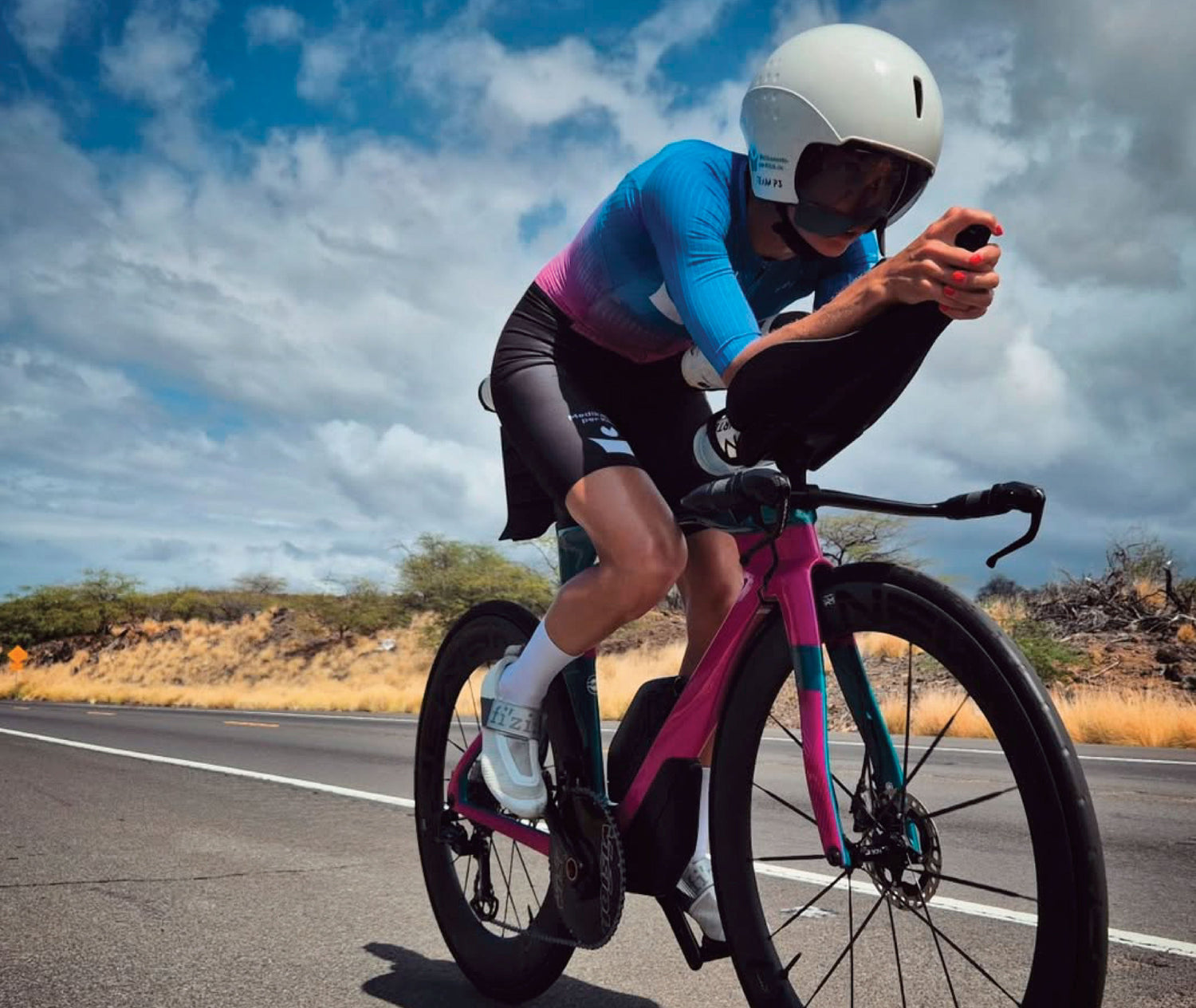
Aero panels Higher-end trisuits feature textured or dimpled panels on the arms and shoulders to reduce aerodynamic drag on the bike. These are more relevant for short course racing where bike speed is the primary variable.
Avoid:
- Fabrics that feel heavy when wet — they absorb water and add significant weight in the swim
- Fabrics without UV protection — you can be on course for 10+ hours in full sun
- Non-quick-dry construction — the first 20 minutes on the bike after the swim are critical for comfort
Pockets — How Many Do You Actually Need?
For sprint and Olympic distance: one rear pocket is usually sufficient. Gels and nutrition requirements are minimal.
For 70.3 and Ironman: two to three rear pockets minimum. You need to carry gels, salt tablets, and sometimes a backup nutrition source without relying entirely on course aid stations. Front pockets are also useful for quick access to nutrition during the bike leg.
Check pocket security — pockets that open mid-race lose nutrition. Look for secure closures and a snug fit when full.
Sizing — How to Get It Right
Trisuit sizing varies significantly between brands. Never assume your size in one brand translates to another.
Always measure:
- Chest — measured around the fullest part
- Waist — natural waist, not hip
- Height — torso length is the most critical measurement for one-piece fit
- Weight — most brand size guides include weight as a reference
When between sizes, size down for swimming performance and aerodynamics. Size up if comfort on the bike and run is the priority. For long course racing, comfort usually wins.
Shop DTR Trisuits
DTR trisuits are designed for performance racing and serious training across all distances — from sprint to Ironman. Built with technical performance fabrics, race-proven construction, and available in custom configurations for clubs and teams.
Browse the full range for DTR trisuits at downtheroad.cc.
FAQ
What is the difference between a short course and long course trisuit? Short course trisuits have a thinner pad, lighter fabric, and are optimised for speed over sprint and Olympic distances. Long course trisuits have a denser pad for extended time on the bike, more durable construction, and additional storage for nutrition. Using a short course suit for Ironman racing is one of the most common comfort mistakes in triathlon.
Should a trisuit be tight? Yes — compressive but not restrictive. The upper body should feel firm without limiting breathing. If you cannot take a full deep breath while zipped, the suit is too small. Test fit in a riding position, not standing upright.
Can I wear a trisuit for training? Absolutely. Training in your race trisuit is highly recommended — it allows you to assess fit, comfort, and pad performance across all three disciplines before race day. Never race in a trisuit for the first time.
How do I know if my trisuit pad is thick enough for long course? If your trisuit is labelled for sprint or Olympic distance, the pad is likely insufficient for 70.3 or Ironman racing. Look for suits specifically marketed for long distance or Ironman racing — these have multi-density pads designed for 3–6 hours in the saddle.
How should I care for my trisuit? Cold wash after every use, gentle cycle, hang dry. Never tumble dry — heat degrades the elastic fibres and pad construction. Avoid fabric softener — it damages technical fabric properties. Rinse immediately after open water swimming to remove salt and chlorine.
Need the definition before comparing options? Read What Is a Tri Suit?.

Leave a comment
This site is protected by hCaptcha and the hCaptcha Privacy Policy and Terms of Service apply.