

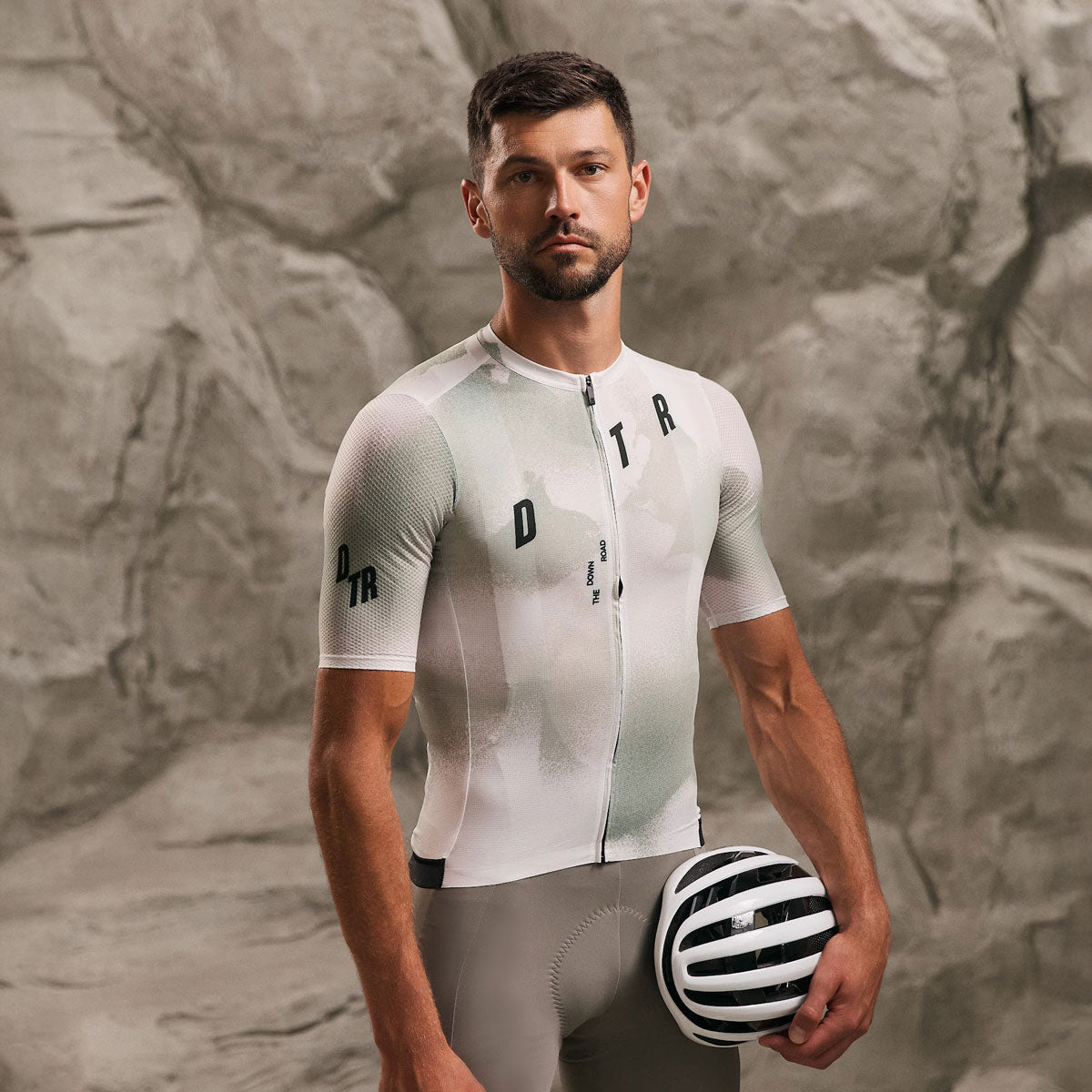
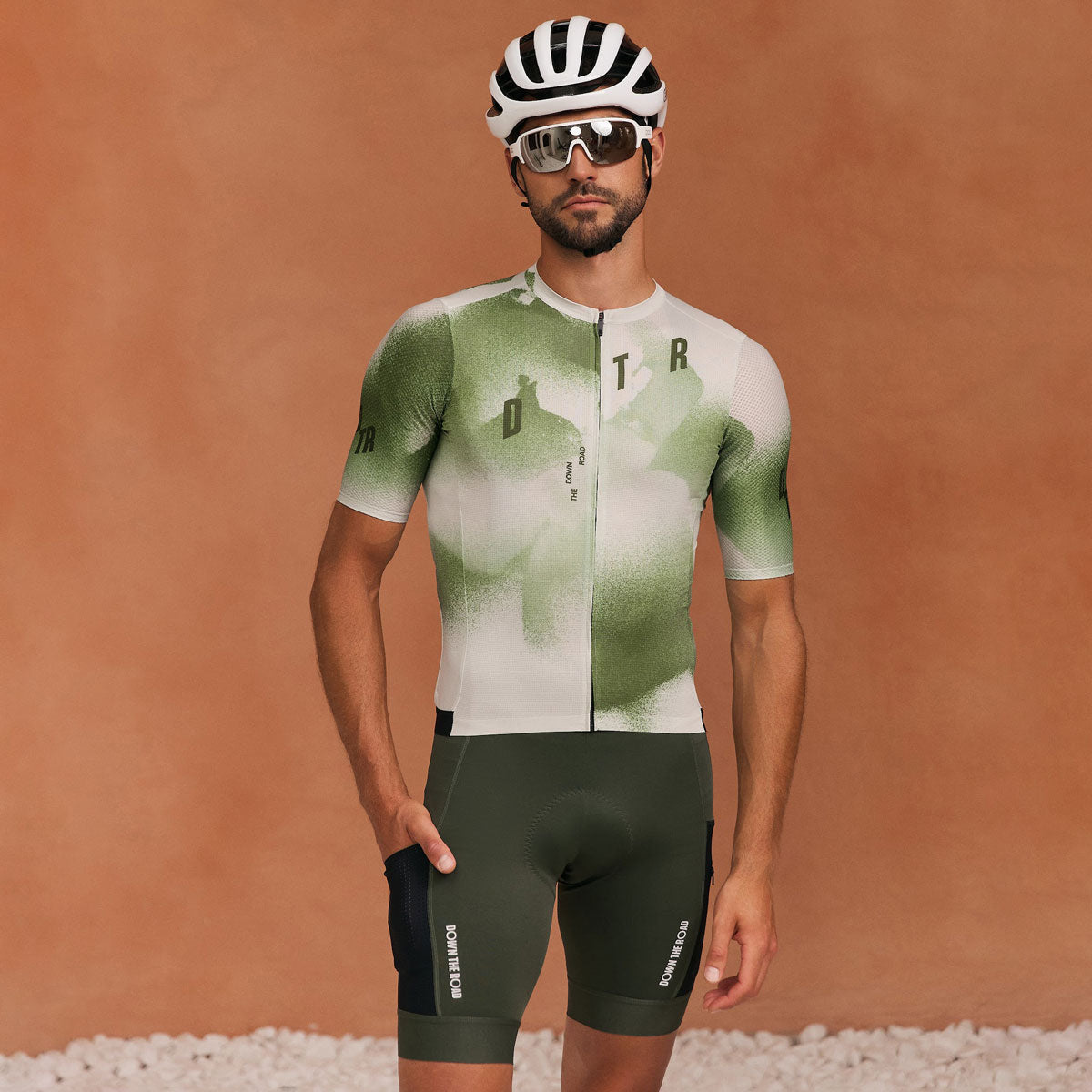
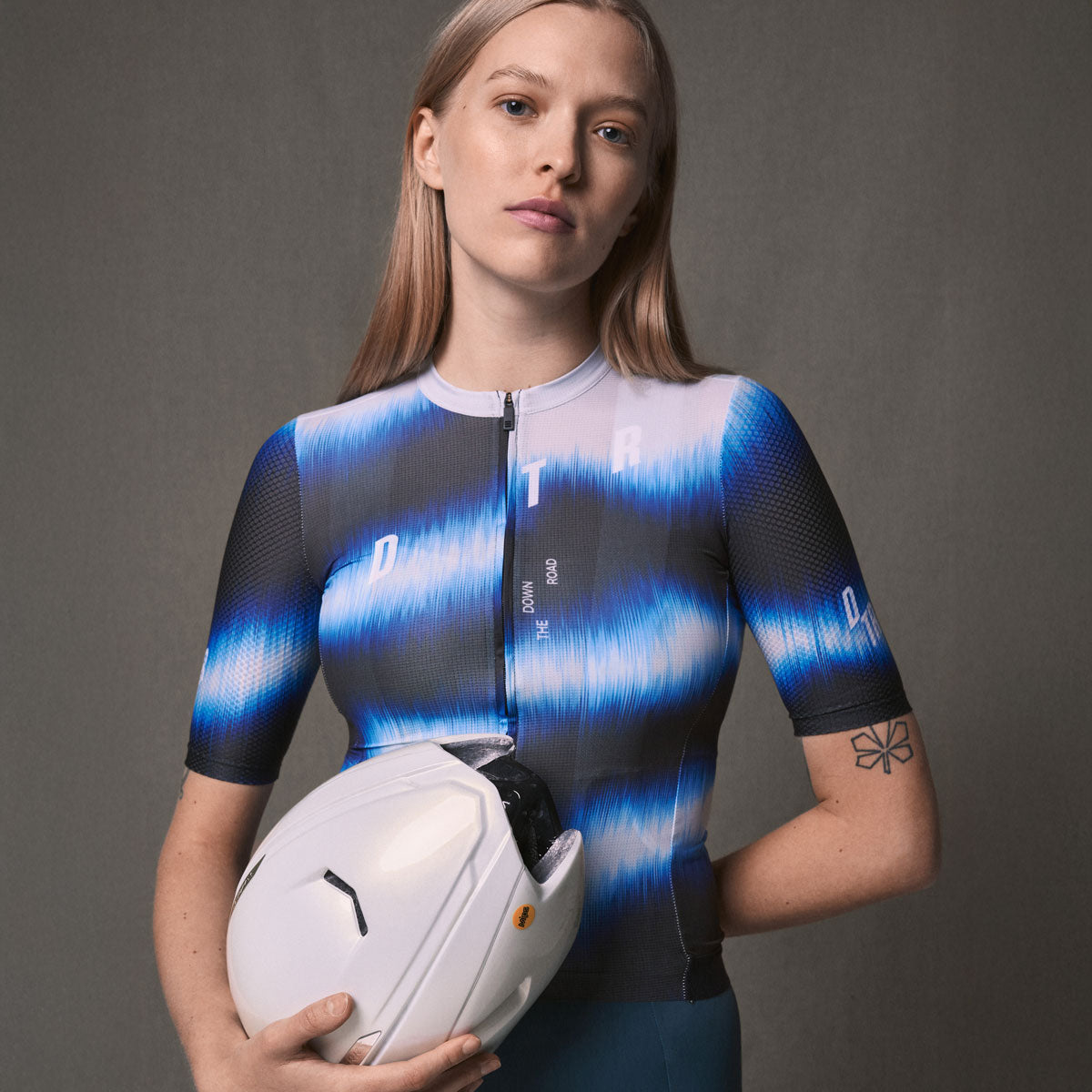
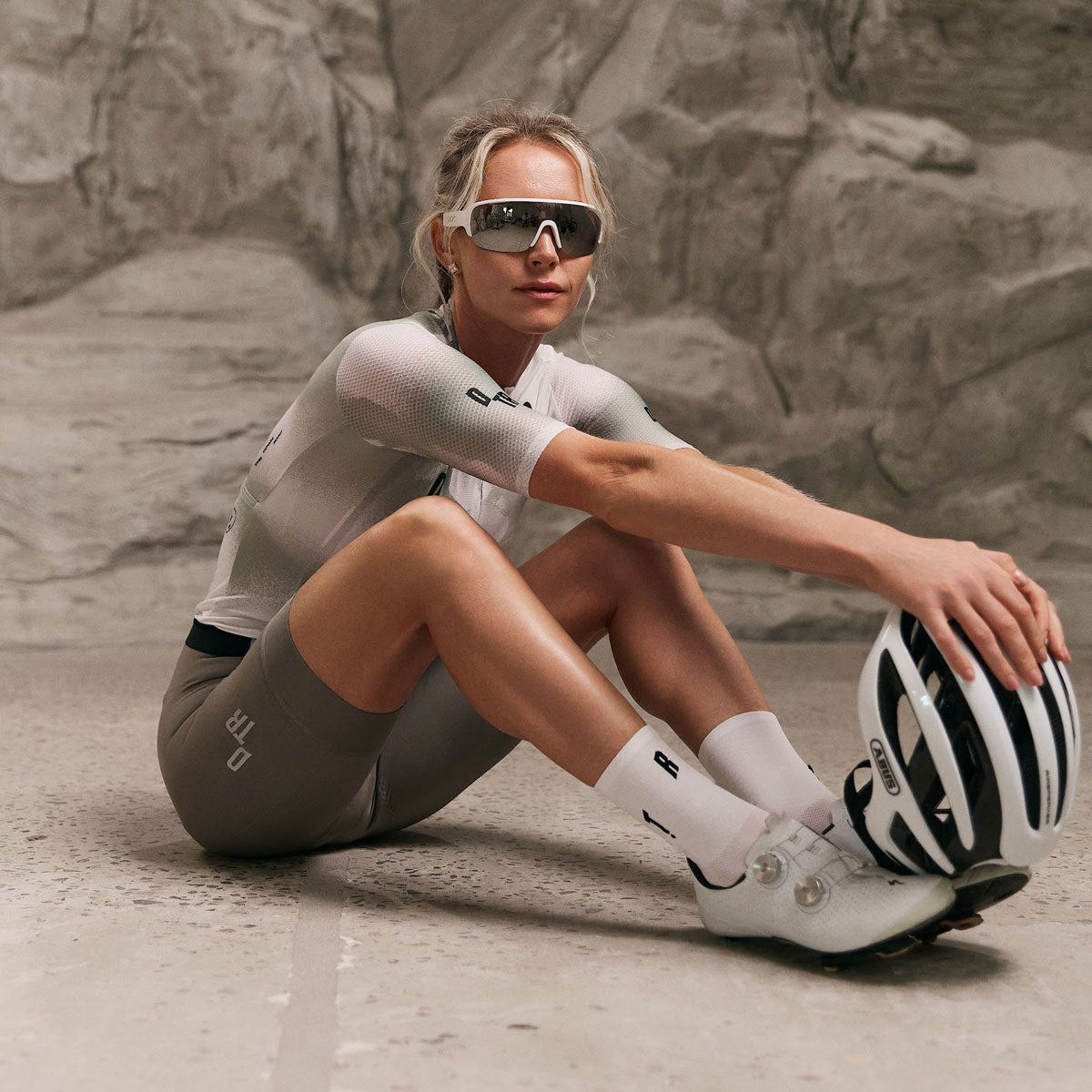
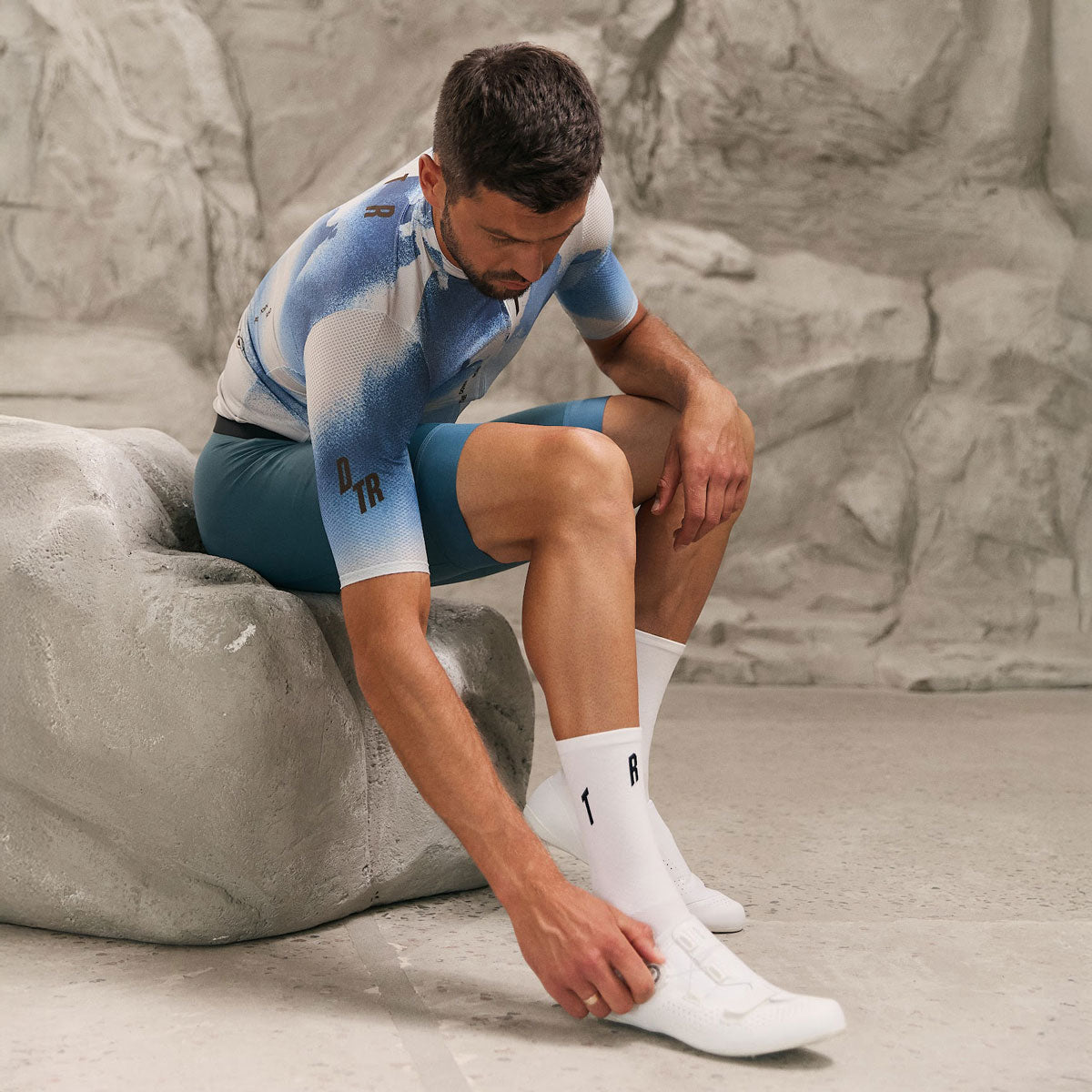
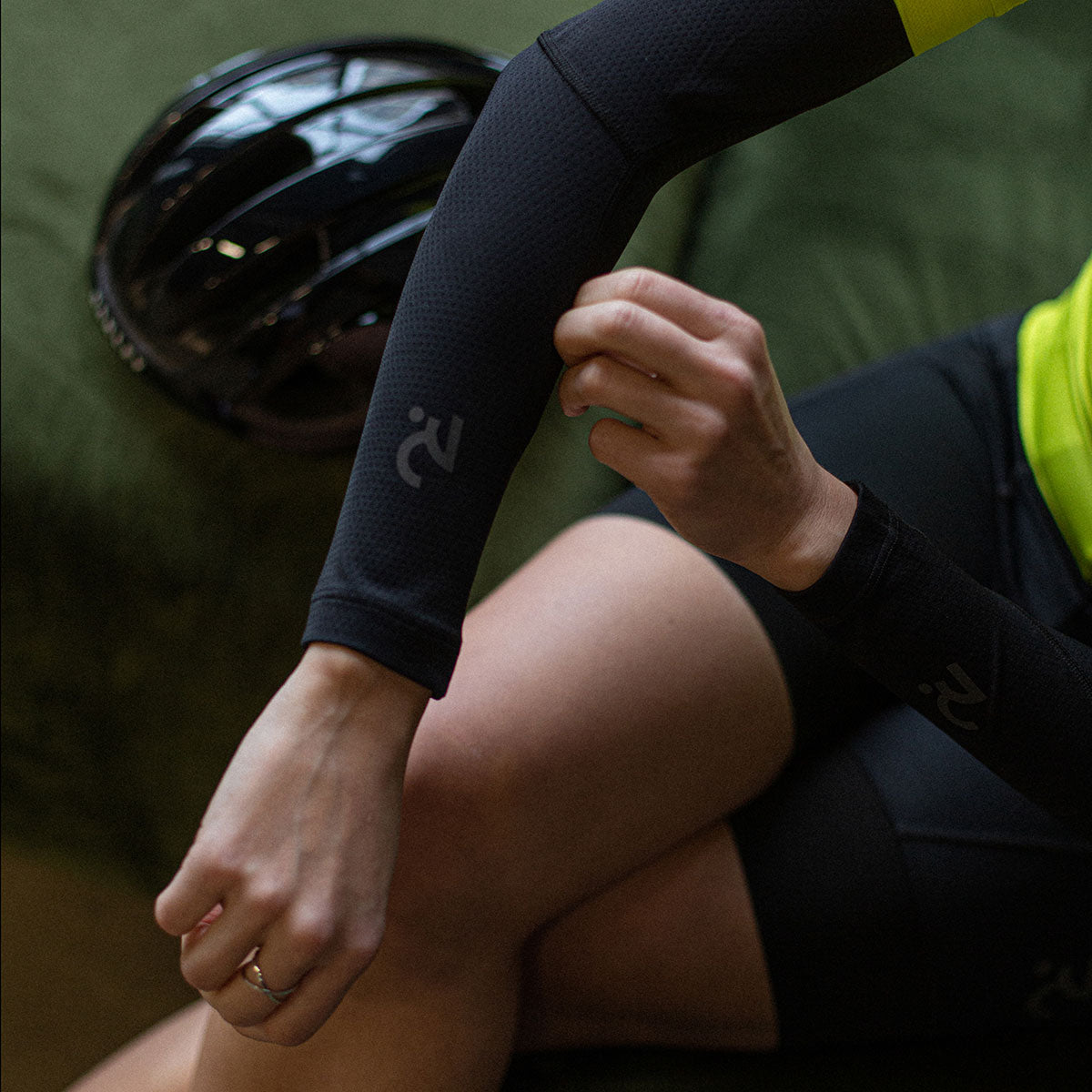
For night cycling, dress for a ride that feels a few degrees colder than the daytime forecast, and put reflective detail on the parts of you that move. Lights do the main work of being seen; clothing adds to it.
This guide covers the layers, the vest that earns its place, and what reflective detail on your kit can and cannot do.
How cold will it actually feel after dark?
Colder than the forecast suggests. Without the sun, there is no radiant heat, and on a descent wind chill takes over. Start from your normal temperature plan and add one layer or step up a range. What to wear by temperature gives the baseline, and autumn cycling covers the seasonal shift.
Which layers do you need?
A base layer, a long sleeve jersey, and a packable vest on top, with thermal bib tights or bib shorts with leg warmers below. The vest is the layer you adjust: on, off, zipped, open. Our cold-weather layering guide covers the stack in full, and do you need a cycling gilet? explains why the vest suits mixed conditions.
Why a vest for night rides?
It protects your core on descents and packs away when you climb. DTR's Paceline Vest weighs 75 g in a women's S and 80 g in a men's M, has a wind- and water-resistant front panel, a laser-perforated back for airflow, a two-way zip, and reflective details for low light. It runs slightly big, so size down for a closer fit. Windproof vs thermal gilet helps you choose between vest types.
Does reflective detail on clothing help?
Yes, as a supplement. Reflective detail on moving parts such as legs and arms gets noticed because the motion reads as a cyclist. It does not replace lights. DTR's Women's Black 2.0 and Elite thermal bib tights carry reflective details, and so do the fleece leg warmers. For the wider picture, see high-visibility cycling kit and cycling in fog and low light.
What about your head, hands and feet?
Heat leaves quickly from the extremities at night. Wear a skull cap under the helmet (skull cap vs headband), warm socks, and overshoes if it is near freezing (overshoes guide). Bring a spare layer in a pocket.
Quick answers
What should I wear for a night ride?
A base layer, long sleeve jersey, packable vest and thermal legs, with a skull cap and warm socks.
Do I need a reflective vest?
Not a dedicated one. A vest or jacket with reflective details plus front and rear lights does the job.
Is reflective clothing enough without lights?
No. Lights are the primary safety tool; reflective kit supports them.
Add the layer you can pack: the DTR vest range is at /collections/vests.
DTR — performance cycling and triathlon apparel, designed and developed in Ukraine.

Leave a comment
This site is protected by hCaptcha and the hCaptcha Privacy Policy and Terms of Service apply.