

Cycling overshoes are worth wearing from roughly 10°C downwards, and become close to essential below about 5°C or in sustained rain. Cycling shoes are built to vent, which is exactly what you want in July and exactly what makes your feet cold in January. This guide covers when to reach for full overshoes rather than toe covers, how to choose between thermal and waterproof, and how to size them over cleats.
For clarity: overshoes are not something we make. What follows is what actually matters when you pick a pair, from people who spend a lot of winter riding in them.
Why your feet get cold before anything else
Two things work against your feet in winter: your shoes are full of vents, and your feet sit in the coldest, wettest, fastest-moving air on the bike. Add poor circulation at the extremities after an hour of low-intensity riding and feet are usually the first thing to go numb.
This is also why more socks rarely fixes it. Cramming a thicker sock into a shoe sized for a thin one compresses your foot, restricts circulation, and can leave you colder than you started.
Overshoes or toe covers?
Toe covers handle the cool end — roughly 8–14°C, dry — by blocking wind at the vented toe box, where most of the cold comes in. Full overshoes cover the whole shoe and ankle and are what you want below about 8°C or whenever the road is wet.
Toe covers are small enough to live in a jersey pocket, which makes them the better choice for a ride that starts cold and warms up. Overshoes are a commitment for the whole ride.
Thermal, waterproof, or aero?
Most overshoes lean towards one of three jobs, and no single pair does all three well:
- Thermal — fleece-backed neoprene or softshell for dry cold. Warmest per gram, but they soak through in sustained rain.
- Waterproof — taped seams and a water-resistant outer for wet rides. They keep road spray out but breathe less, so feet can end up damp from the inside on hard efforts.
- Aero — thin lycra shells for racing. They smooth airflow and add almost no warmth. These are a race-day item, not winter kit.
If you are buying one pair for a northern European winter, a thermal pair with decent water resistance covers the most days.
A rough temperature guide
Treat these as starting points and adjust for how you run and how long you ride:
- Above 14°C — nothing needed.
- 8–14°C, dry — toe covers.
- 4–8°C — full thermal overshoes.
- Below 4°C — thermal overshoes plus a warmer sock, and consider winter-specific shoes if you ride through the cold often.
- Any temperature, sustained rain — waterproof overshoes. Wet feet get cold far faster than cold-but-dry feet.
Our temperature guide covers how the rest of the kit stacks up alongside this.
Getting the fit right over cleats
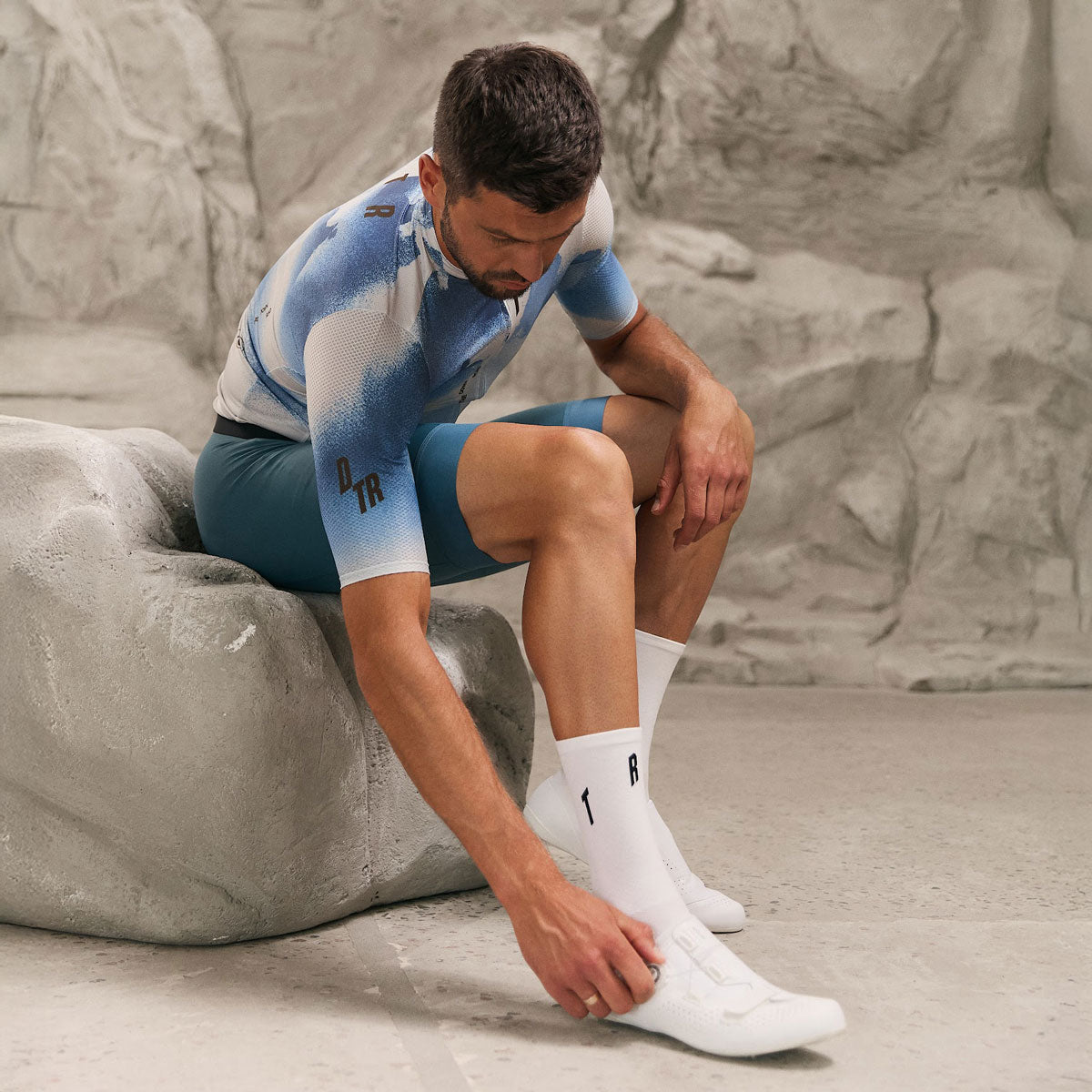
Overshoes are sized to your shoe, and they should go on tight enough that there is no loose fabric flapping at the ankle. Too big and they billow, wear through faster and let air in at the top; too small and you will tear the seam getting them on.
Check the cleat and heel openings line up with your shoes before you commit to a long ride — openings that sit even slightly wrong will wear through in a few weeks. Pull them on from the toe, seat the cleat opening, then work the heel over last. If yours have a zip, the zip should sit at the back or the inside, never against the crank arm.
They wear out, and that is normal
Overshoes are the shortest-lived thing in your winter wardrobe. They spend every ride being walked on, scuffed by cleats, and dragged over the crank, so a season or two of regular winter use is a realistic lifespan even for a good pair.
You can slow it down: walk as little as possible in them, take them off before you go into a café, and rinse road salt off after wet rides. But the sole will go first, and that is the material doing its job rather than a fault.
What to fix before buying warmer overshoes
If your feet are still cold in good overshoes, the problem is usually elsewhere. Shoes that are too tight with a winter sock will restrict circulation no matter what you put over them, and a cold core will make your body pull blood away from your extremities.
Getting the rest of your winter layering right often solves cold feet without buying anything for your feet at all. Start with what to wear for winter cycling, a proper base layer, and check your sock choice is not overfilling the shoe. Winter gloves and winter headwear do more for cold feet than most people expect, because they keep the core warm enough to keep sending blood outwards.
FAQ
At what temperature should you wear overshoes?
Toe covers from roughly 8–14°C in the dry, full thermal overshoes below about 8°C, and waterproof overshoes in sustained rain at any temperature.
Are overshoes waterproof?
Only the ones built to be. Thermal neoprene and softshell pairs are warm and water-resistant but will wet out in prolonged rain; genuinely waterproof pairs use taped seams and breathe less.
Will thicker socks work instead?
Usually not. A thicker sock in a shoe that is already snug compresses your foot and restricts circulation, which makes cold feet worse rather than better.
How should overshoes fit?
Snug, with no loose fabric at the ankle, and with the cleat and heel openings lining up cleanly with your shoes. Loose overshoes flap, let air in and wear out much faster.
How long do overshoes last?
A season or two of regular winter riding is normal. The sole wears first from walking and cleat contact — that is expected, not a defect.
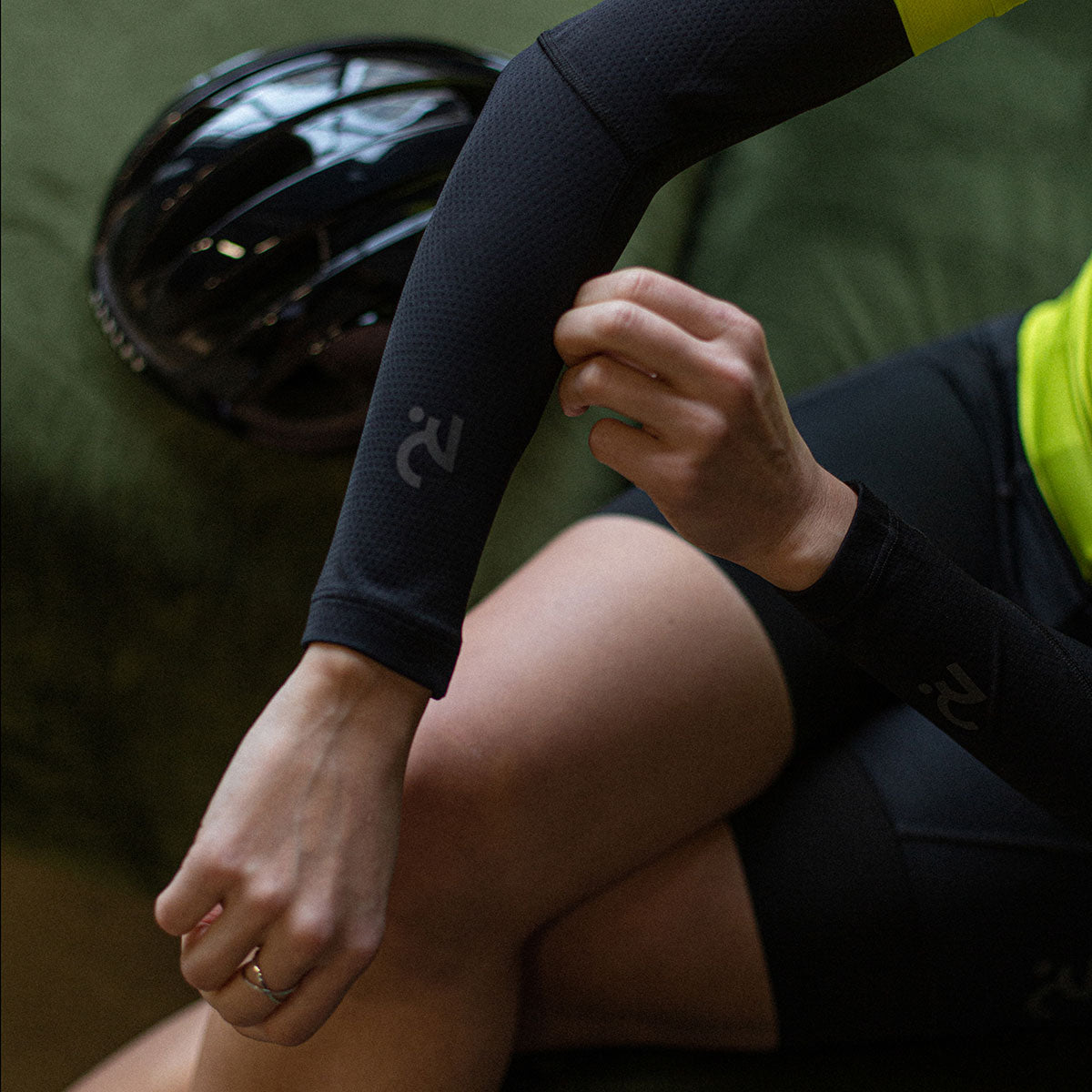
Build out the rest of your cold-weather kit: the DTR arm and leg warmer range is at /collections/cycling-warmers-arm-leg.
DTR — performance cycling and triathlon apparel, designed and developed in Ukraine.

Leave a comment
This site is protected by hCaptcha and the hCaptcha Privacy Policy and Terms of Service apply.