

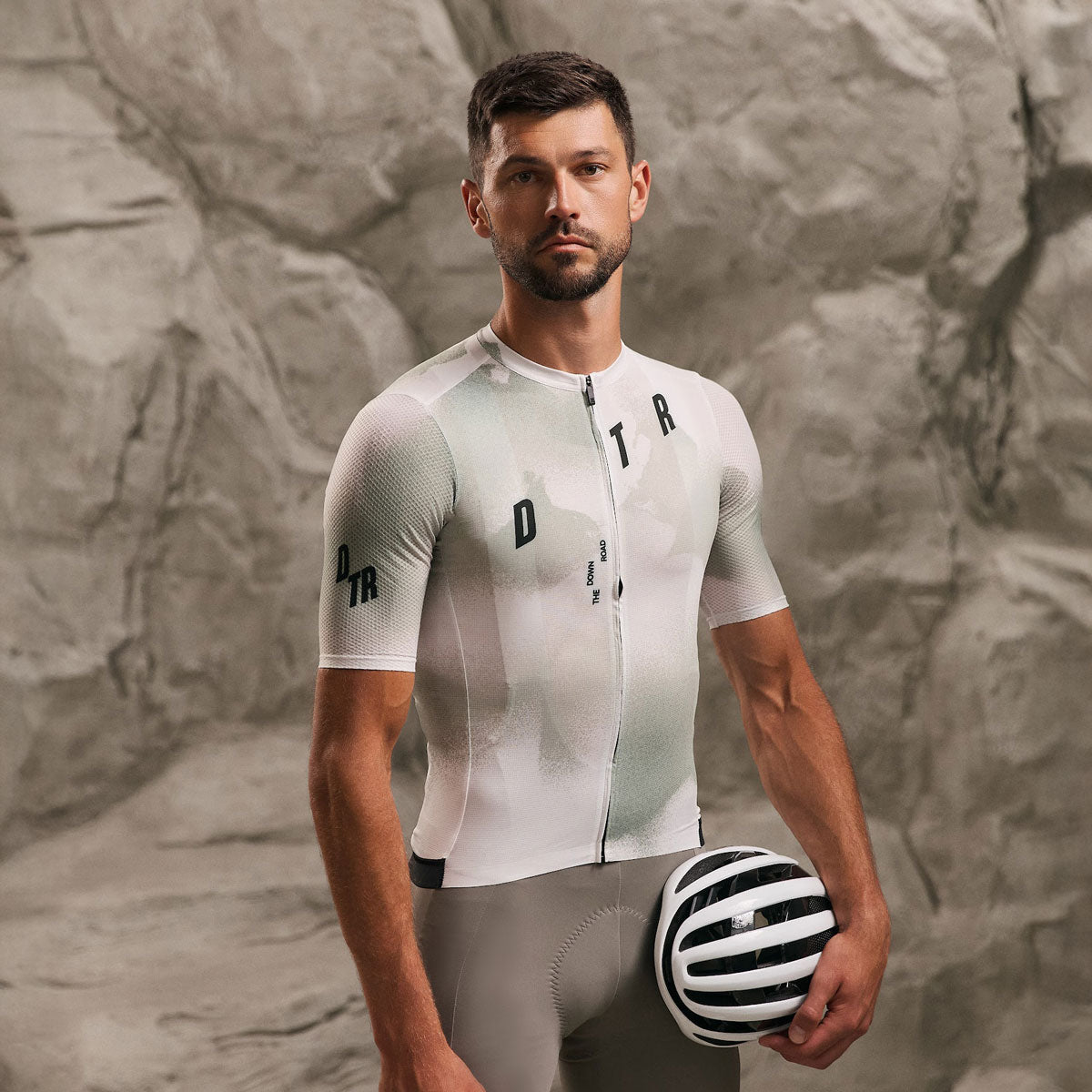
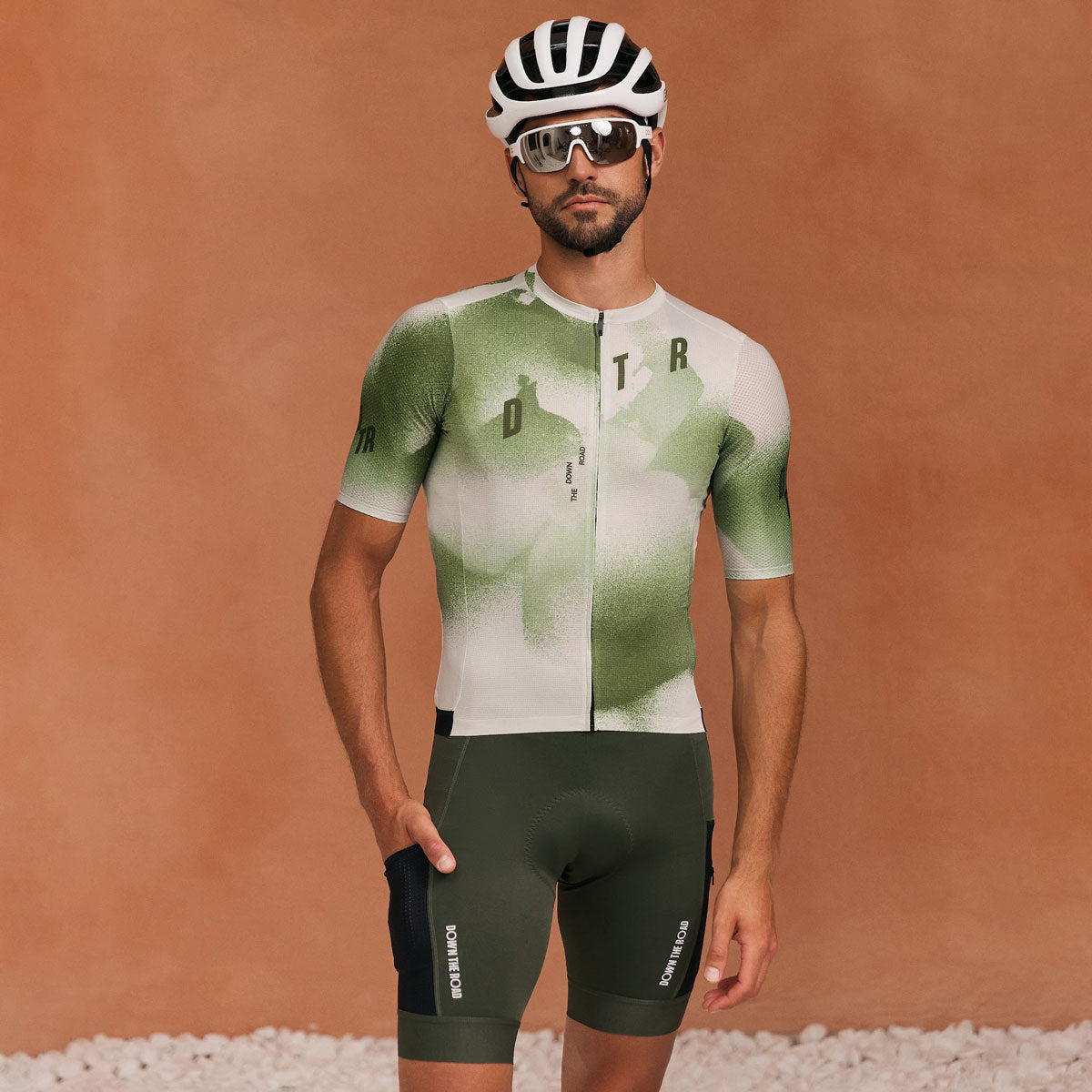
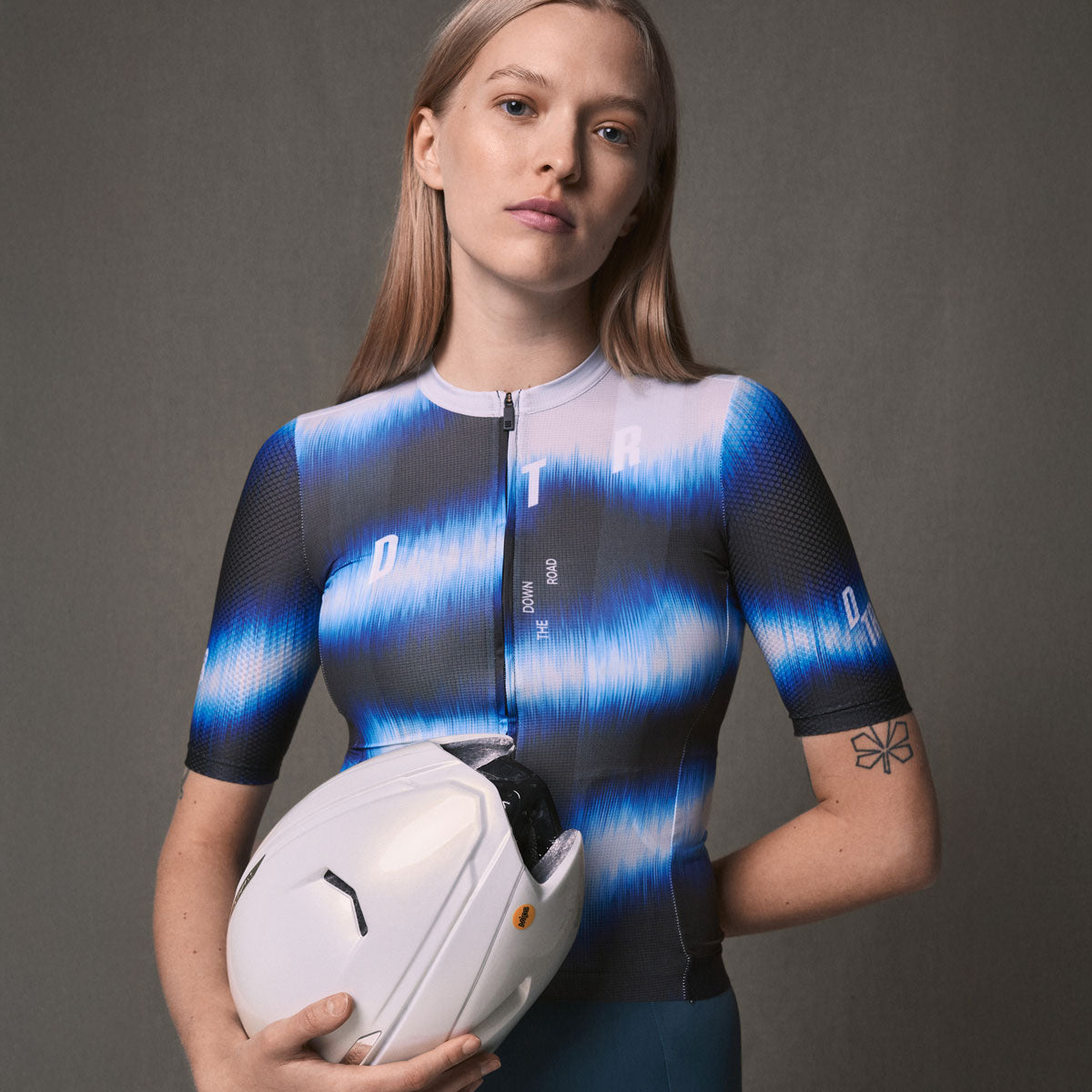
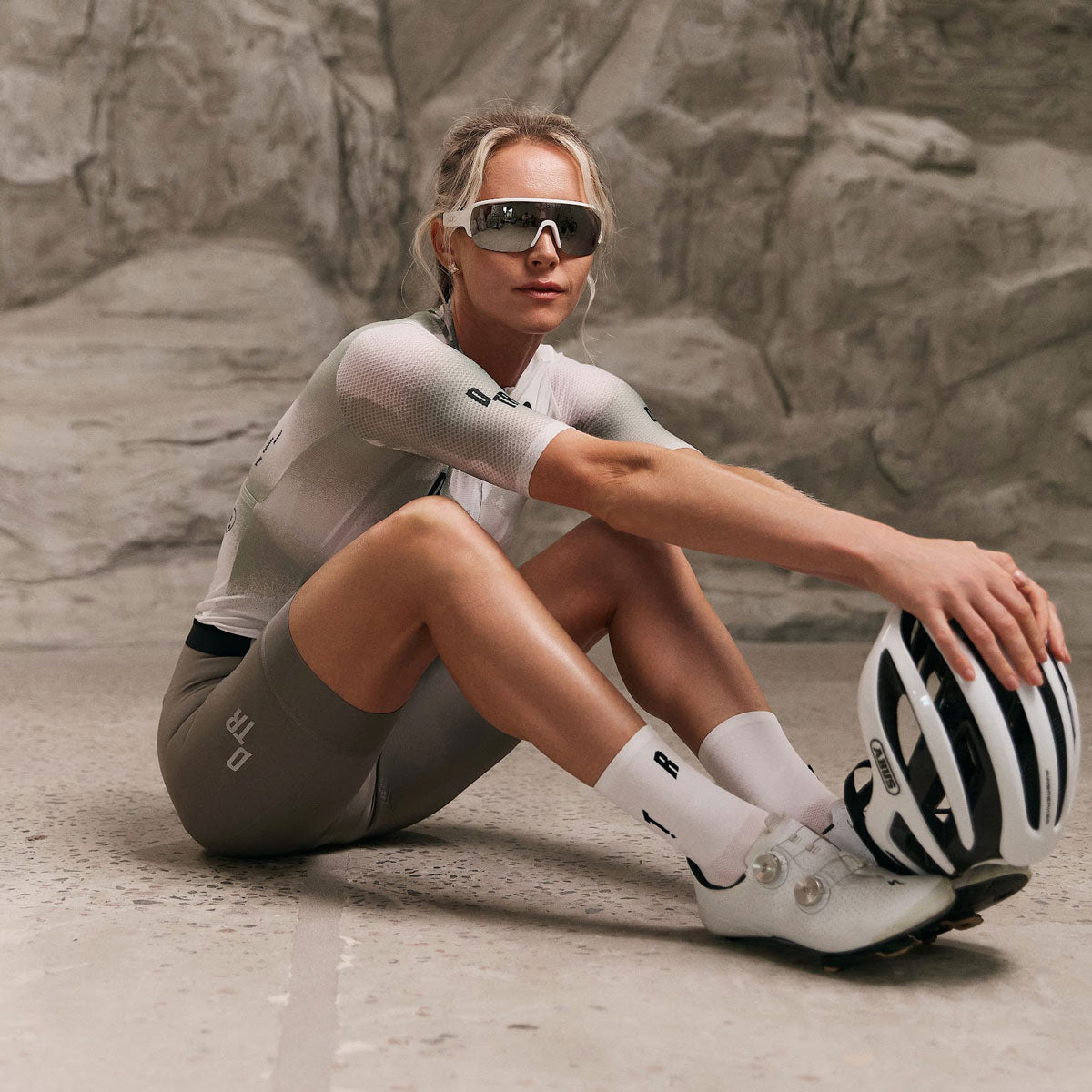
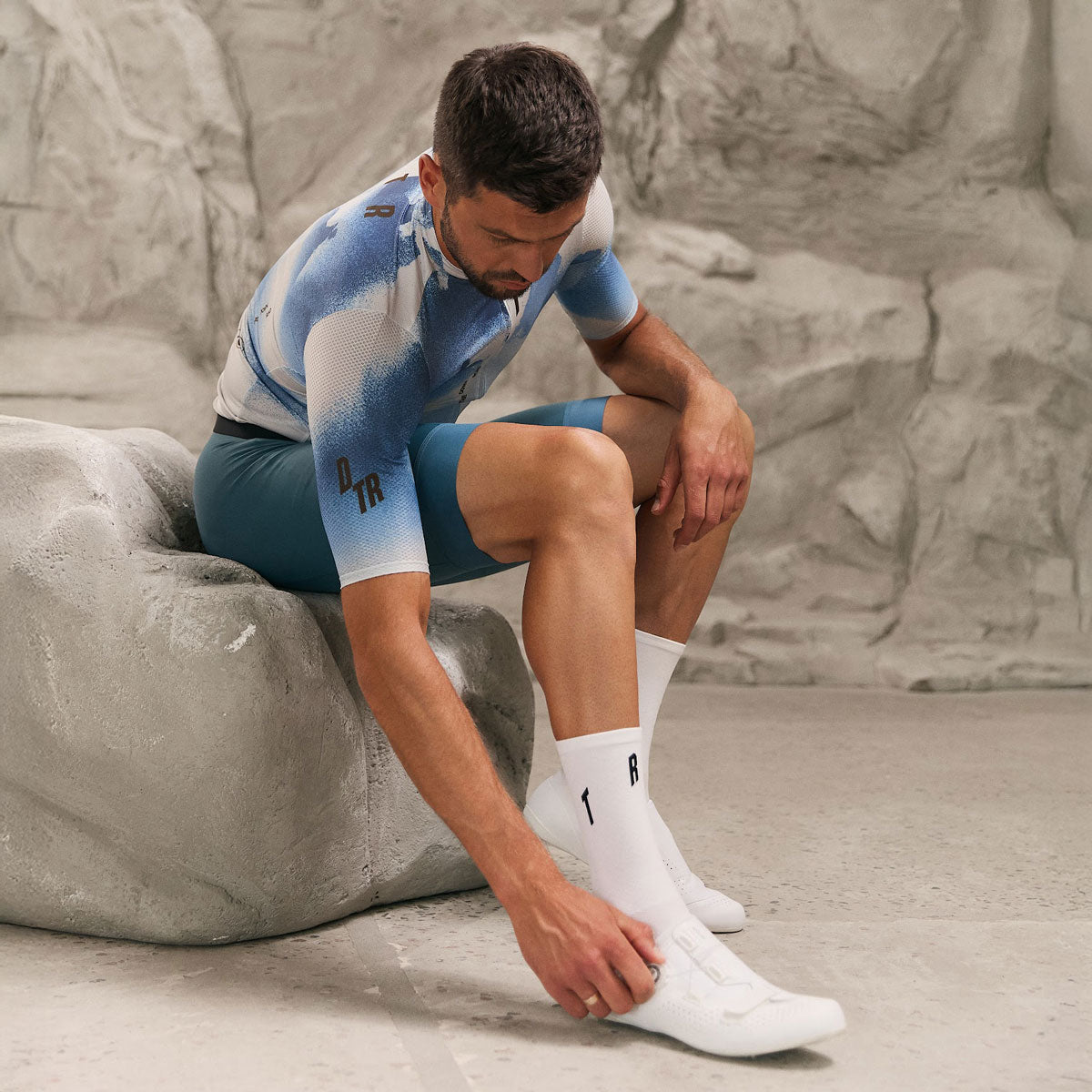
For autumn cycling, dress in adaptable layers built around a base layer, a jersey or long-sleeve jersey, and removable arm and leg warmers, plus a packable gilet or jacket for cold, damp starts — and add visibility and mudguards as the days shorten and roads turn wet. Autumn is spring in reverse: instead of warming up, rides tend to start cool and stay cool or get colder, with damp roads, fallen leaves and fading light. The goal is the same adaptable layering system, tuned for wet and darkening conditions. This guide covers what to wear for autumn riding, from mild early-autumn days to cold, wet late-season ones.
Why autumn needs a plan
Autumn brings a specific mix: cooling temperatures, more rain and damp roads, wet leaves, and shorter days with low, glaring sun and earlier darkness. Unlike spring, the trend is toward colder, so you're transitioning from summer kit back to winter kit — and often riding in the wet. Dressing for autumn means layering for the cold, planning for rain, and adding visibility for low light. Get those three right and autumn is some of the best riding of the year.
The autumn layering system
Build your autumn kit around adaptable, wet-ready layers:
- Base layer: a base layer under your jersey manages sweat and adds warmth. A light one for mild days; a long-sleeve or thermal one as it gets colder.
- Jersey or long-sleeve jersey: a short-sleeve jersey with arm warmers for milder days, a long-sleeve jersey as autumn deepens.
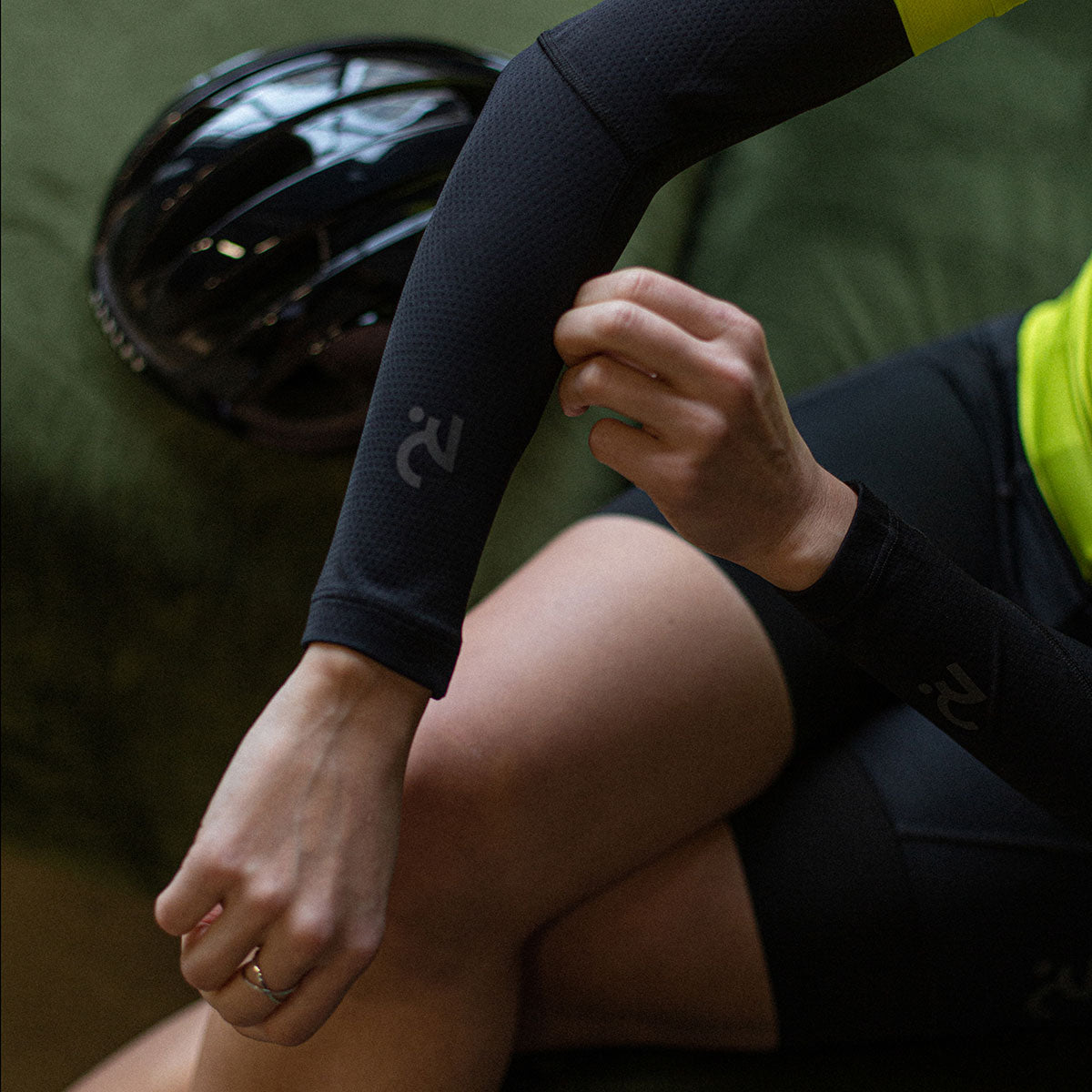
- Arm and leg warmers: the key autumn pieces. Leg warmers add warmth for cool starts and come off if it warms — turning summer kit into cold-morning kit, and bridging you from shorts-weather toward tights-weather.
- Gilet or packable jacket: a gilet blocks wind chill on your core; a water-resistant packable jacket handles autumn showers and cold, damp air. One or both live in your pocket.
- Moving toward winter: as temperatures drop below ~8°C, switch leg warmers for bib tights and add a thermal jacket, full gloves, a cap and overshoes.
Dressing for the autumn temperature range
As a rough guide:
- Mild (roughly 13–18°C): short-sleeve jersey and bib shorts, with arm warmers and a gilet in a pocket for cool starts and descents.
- Cool (roughly 8–13°C): base layer, jersey with arm warmers or a long-sleeve jersey, leg or knee warmers, a gilet, and light gloves. The classic autumn set-up.
- Cold (roughly 4–8°C): long-sleeve base layer, long-sleeve jersey or thermal jacket, bib tights or leg warmers, full gloves, a cap and overshoes.
- Wet, any temperature: add a water-resistant jacket, cover your feet, and expect to feel colder than the thermometer suggests.
Start slightly cool — you warm up quickly — and lean warmer than you would in spring, because autumn rides tend to get colder, not warmer. For the reverse-season version, see our spring cycling guide.
Plan for the wet
Autumn roads are often damp even when it's not raining, and wet kit feels much colder:
- A water-resistant or windproof packable jacket is the autumn essential — carry it even on dry-looking days.
- Cover your feet: wet feet get cold fast and stay cold. Toe covers or overshoes make a huge difference.
- Mudguards keep road spray off you and anyone behind — a big comfort upgrade on wet autumn roads.
- Water-resistant gloves keep your hands working for braking and shifting.
Wet and cold is the combination that ends autumn rides early; dressing for it keeps you out longer.
Don't forget lights and visibility
Autumn's shorter days mean you'll often ride in low light or darkness, so visibility is part of what you "wear":
- Front and rear lights are essential as the days shorten — fit them even for daytime rides, when low autumn sun and gloom cut visibility.
- Bright or reflective kit and accessories help drivers see you in poor light.
- A clear or low-light lens if you wear glasses helps in gloom and against glaring low sun.
Being seen matters as much as being warm once the clocks change.
FAQ
What should I wear cycling in autumn? Adaptable layers: a base layer, a jersey or long-sleeve jersey, removable arm and leg warmers, and a packable gilet or water-resistant jacket. Add lights and visibility for shorter days, and cover your feet for wet roads. Lean warmer than spring, as autumn rides tend to get colder.
How is dressing for autumn different from spring? The kit is similar, but autumn trends colder (rides start cool and stay cool or drop), roads are wetter, and days are shorter. So you lean warmer, plan for rain and damp, and add lights and visibility that spring rides often don't need.
At what temperature do I switch to bib tights in autumn? Roughly below 8°C, most riders move from leg warmers to bib tights. Between about 8 and 15°C, shorts with leg warmers work well; above 15°C, bib shorts alone. Adjust for wet roads, which make it feel colder.
Do I need a jacket for autumn cycling? Usually yes — a packable water-resistant or windproof jacket handles autumn showers, damp air and cold descents, and weighs almost nothing in a pocket. Carry it even on dry-looking days, because autumn weather turns quickly.
Do I need lights for autumn rides? Yes — shorter days mean you'll often ride in low light or darkness, so front and rear lights are essential. Even in daytime, low autumn sun and gloom reduce visibility, so running lights and bright or reflective kit helps drivers see you.
The bottom line
Autumn cycling is spring's layering system tuned for the cold and wet: a base layer, a jersey, removable arm and leg warmers, and a packable gilet or water-resistant jacket, leaning warmer as the season deepens. Plan for rain, cover your feet, and add lights and visibility for shorter days. Get those right and autumn — crisp air, quiet roads, golden light — is some of the best riding of the year. Explore DTR arm and leg warmers to build your autumn kit.
—
DTR — performance cycling and triathlon apparel, designed and developed in Ukraine.

Leave a comment
This site is protected by hCaptcha and the hCaptcha Privacy Policy and Terms of Service apply.