

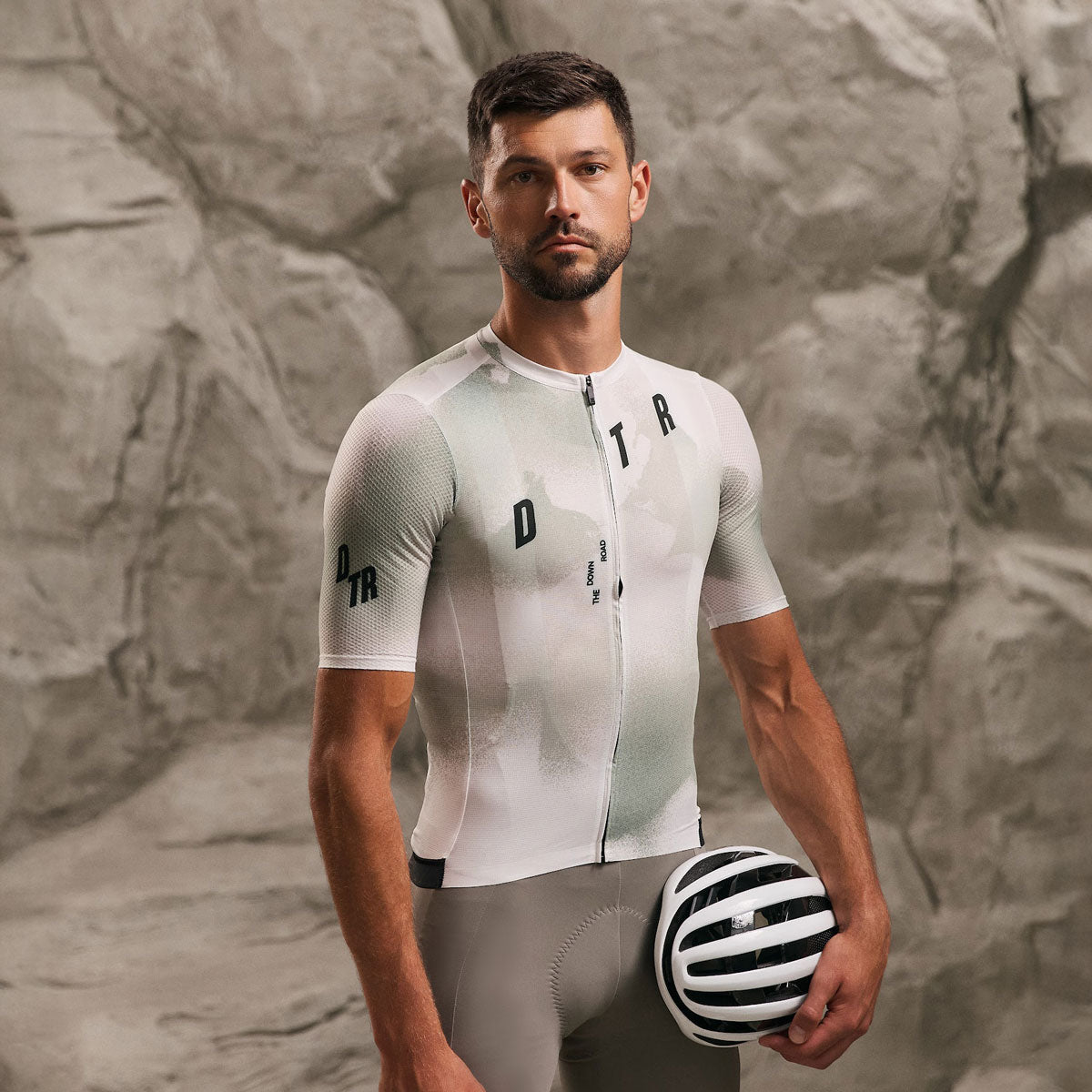
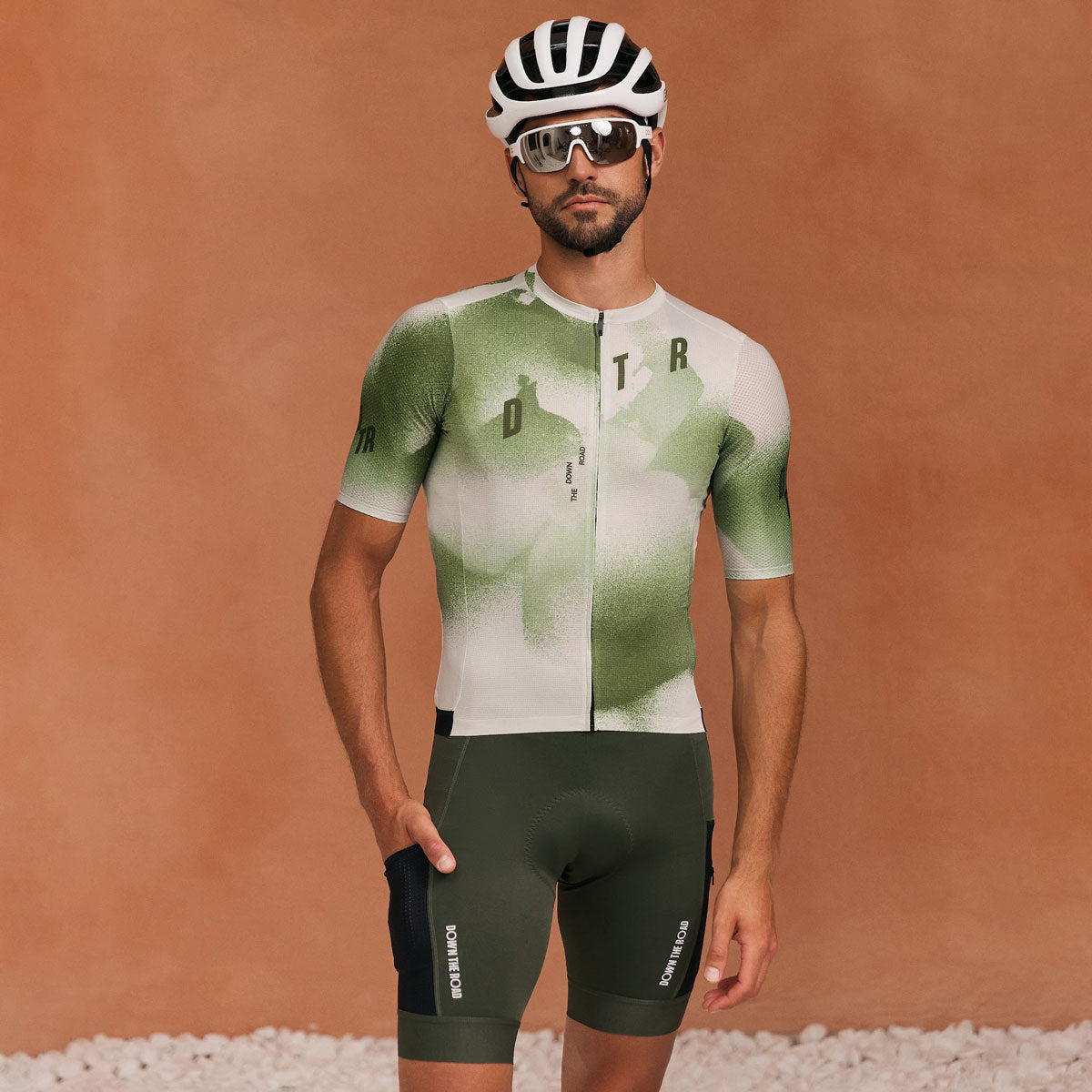

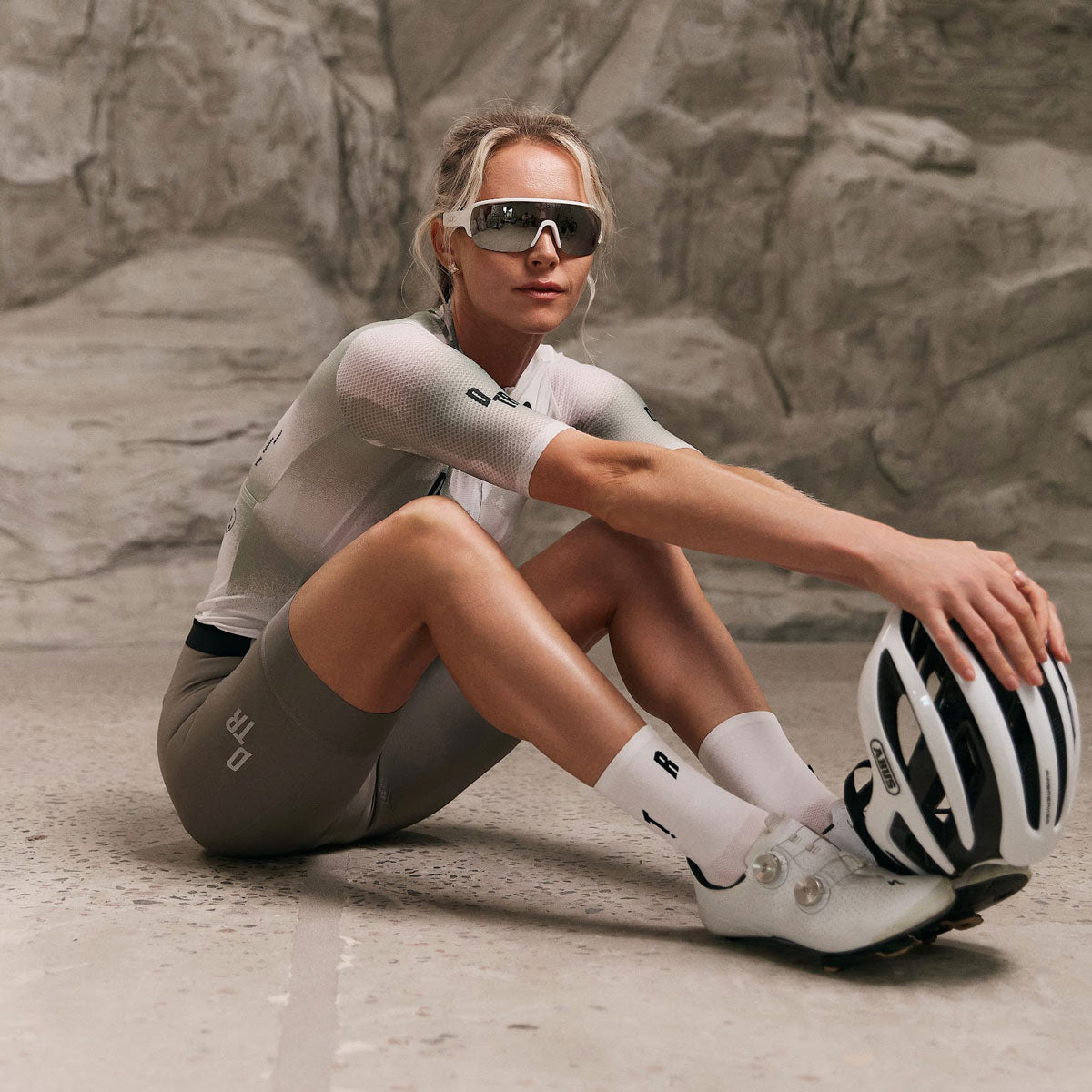
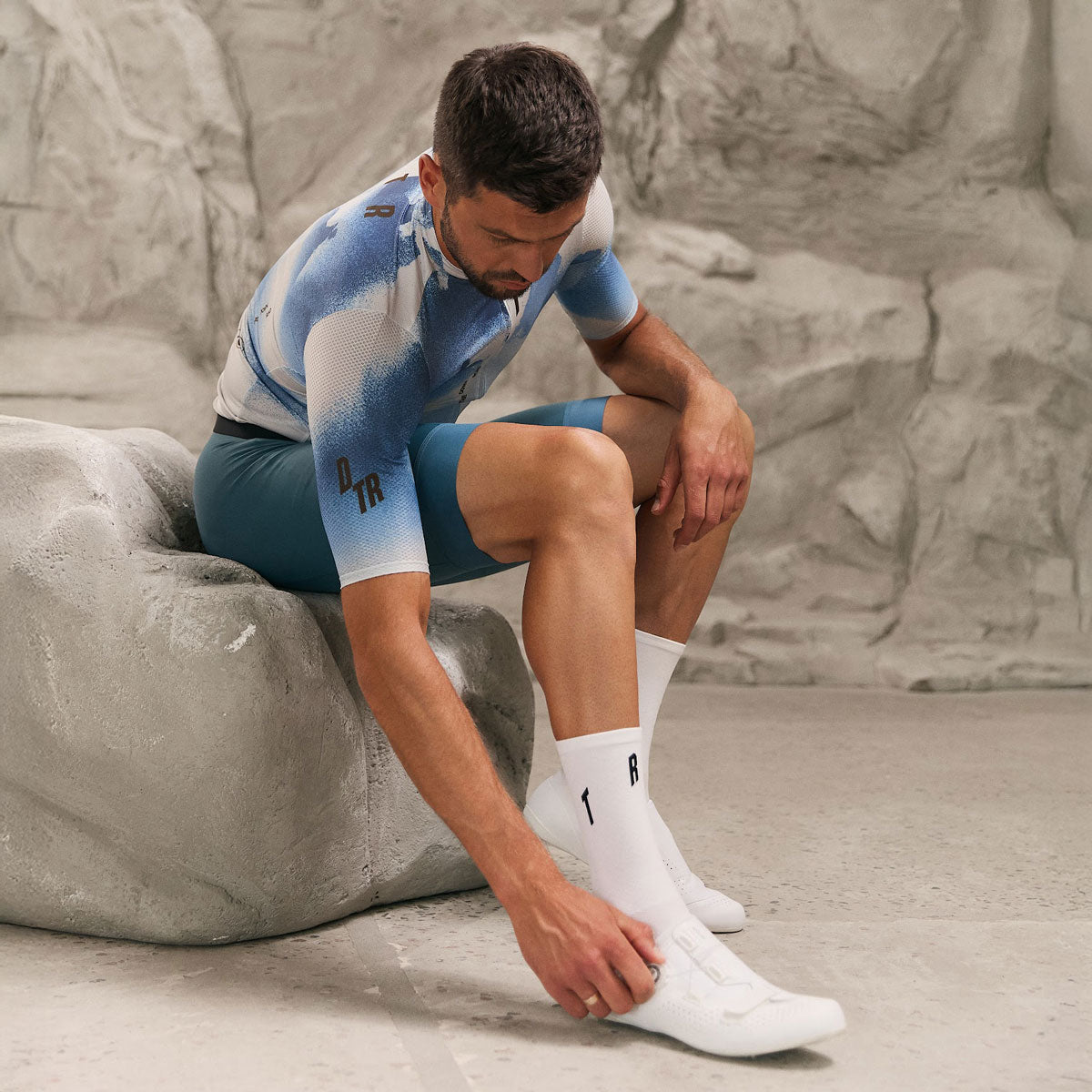
For spring cycling, dress in adaptable layers you can add and shed as the day changes: a base layer, a jersey, and removable arm and leg warmers, plus a packable gilet or windproof jacket for cold starts and descents. Spring's defining feature is variability — a ride can start near-freezing and finish warm, or turn wet and windy without warning — so the goal isn't one perfect outfit but a system that adjusts on the move. This guide walks through what to wear for spring riding, from cold early-season mornings to mild, sunny afternoons.
Why spring is tricky to dress for
Spring is the hardest season to dress for because the temperature swing within a single ride can be huge. You might leave home at 5°C in frost and be riding in 16°C sunshine two hours later; you might climb warm and freeze on the descent; a clear start can turn to a rain shower. Dressing for the coldest moment leaves you overheating later; dressing for the warmest leaves you shivering at the start. The answer is layering with removable pieces you can pocket — arm warmers, leg warmers and a gilet do most of the work.
The spring layering system
Build your spring kit around adaptable layers:
- Base layer: a light, wicking base layer under your jersey manages sweat and adds a little warmth. On milder spring days a short-sleeve base layer is plenty; on colder mornings, a long-sleeve or thermal one.
- Jersey: a standard or long-sleeve jersey depending on the day. A long-sleeve jersey suits cold early-spring rides; a short-sleeve jersey with arm warmers is more adaptable as it warms up.
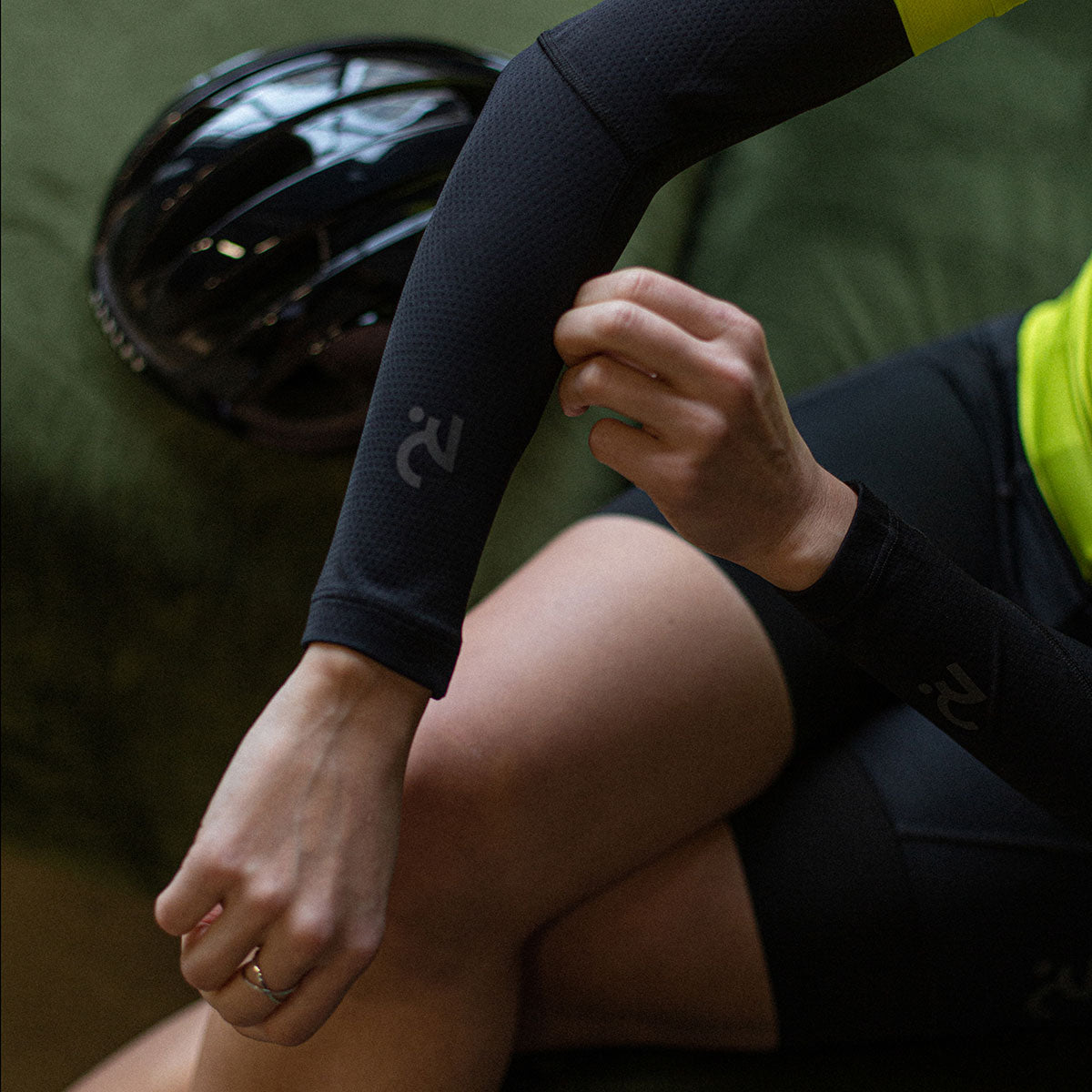
- Arm and leg warmers: the heroes of spring. They add warmth for a cold start, then roll off into a pocket when the sun comes out — turning short-sleeve, short-legged summer kit into cold-morning kit.
- Gilet (vest): a packable gilet keeps your core warm against wind chill without overheating your arms, and stuffs into a pocket when not needed.
- Packable jacket: for colder or wetter spring days, a lightweight windproof or water-resistant jacket handles cold descents and passing showers, then packs away.
Dressing for the spring temperature range
As a rough guide, adjust by temperature:
- Cold (roughly 4–8°C): long-sleeve base layer, long-sleeve jersey or jersey plus arm warmers, leg warmers or bib tights, gilet or light jacket, full gloves, and a cap under your helmet. Cover the extremities.
- Cool (roughly 8–13°C): base layer, jersey with arm warmers, leg or knee warmers, packable gilet, and lighter gloves. The classic adaptable spring set-up.
- Mild (roughly 13–18°C): short-sleeve jersey and bib shorts, with arm warmers and a gilet stashed in a pocket for the start and any descents.
- Warm (18°C+): summer kit — short-sleeve jersey and bib shorts — but on an early-spring day, carry a gilet just in case.
These are starting points; adjust for wind, rain and how warm you run. It's better to start slightly cool, because you warm up within the first few kilometres.
Don't forget the extremities
On cold spring mornings, hands, feet and head lose heat fast and are easy to overlook:
- Gloves: full-finger gloves for cold starts; lighter ones or bare hands as it warms. Cold hands are miserable and affect braking and shifting.
- Head: a light cap or headband under your helmet adds warmth and keeps low spring sun out of your eyes.
- Feet: on cold mornings, toe covers or overshoes stop your feet going numb. Feet stay cold once wet, so cover them early.
Warm core, warm extremities — a great jacket won't save a ride if your hands and feet are frozen.
Spring rain and wind
Spring often brings showers and gusty winds, so plan for both:
- Carry a packable jacket even if it's dry at the start — a windproof or water-resistant shell handles a passing shower and cuts wind chill on exposed roads and descents.
- A gilet blocks wind on your chest, which is where most of the chill comes from when descending or riding into a headwind.
- Water-resistant kit and covered feet make a wet spring ride far more bearable. If heavy rain is guaranteed, dress as you would for a proper wet ride.
Checking the forecast and packing for the worse half of it is the spring rider's habit.
FAQ
What should I wear cycling in spring? Adaptable layers: a base layer, a jersey, removable arm and leg warmers, and a packable gilet or light jacket. Spring temperatures swing a lot within one ride, so the goal is a system you can add to and shed rather than one fixed outfit.
How do I dress for a ride that starts cold and warms up? Wear or carry removable layers — arm warmers, leg warmers and a gilet — that you start with on and peel off into your pockets as you warm up. Start slightly cool; you'll warm up in the first few kilometres.
Do I need arm and leg warmers for spring? They're the most useful spring kit you can own. They add warmth for cold starts and descents, then roll into a pocket when it warms up, turning summer kit into cold-morning kit without committing to a jacket or tights.
What temperature is too cold for shorts? Around 8°C is the usual cut-off — below that, most riders want leg warmers or bib tights. Between roughly 8 and 13°C, shorts with leg warmers work well; above about 13–15°C, bare legs are comfortable for most.
Should I pack a jacket for a spring ride? Usually yes — a packable windproof or water-resistant jacket weighs almost nothing in a pocket and saves you on a cold descent or a surprise shower. Spring weather is unpredictable, so carrying a shell "just in case" is worth it.
The bottom line
Spring cycling is all about adaptable layers: a base layer, a jersey, removable arm and leg warmers, and a packable gilet or light jacket you can add and shed as the day changes. Dress slightly cool for the start, cover your extremities on cold mornings, and always carry a shell for wind and showers. Get the layering system right and you'll be comfortable across spring's big temperature swings. Explore DTR arm and leg warmers to build your spring kit.
—
DTR — performance cycling and triathlon apparel, designed and developed in Ukraine.

Leave a comment
This site is protected by hCaptcha and the hCaptcha Privacy Policy and Terms of Service apply.