

Indoor cycling is the opposite of outdoor: there's no wind to cool you and no cooling from moving through the air, so you overheat and sweat far more than on the road. The answer is to wear as little as you comfortably can — a light, breathable kit or just bib shorts and a base layer — and to manage the heat with a fan, a towel and plenty of water. This guide covers what to wear for the turbo trainer or a spin class, and why less is more indoors.
Why indoor riding is so much hotter
Outdoors, the wind constantly carries heat and sweat away from you — that airflow is doing a huge amount of cooling you don't even notice. On an indoor trainer, you're stationary, so there's no wind and sweat can't evaporate as fast. You produce the same heat as a hard road effort with almost none of the cooling, so you run much hotter and sweat far more. That's the whole reason indoor kit is different: the goal is to lose heat and manage sweat, not to keep warm.
Wear less than you think
The main rule indoors is to wear less than you would outside. A full outdoor kit will cook you on the trainer. Instead:
- Bib shorts (or shorts) are the essential — a comfortable chamois still matters for a hard indoor session.
- A light base layer or a breathable, sleeveless or short-sleeve top, or for many riders, just the base layer or nothing on top at all.
- Skip the jersey, arm warmers and anything insulating — you don't need pockets or warmth indoors.
Many indoor riders train in just bib shorts and a light base layer (or bib shorts alone), because the less you wear, the more sweat can evaporate and the cooler you stay.
Manage the heat: the fan is essential
Kit is only half of it indoors — the single biggest thing you can do to stay comfortable is a fan. A decent fan (or two) recreates some of the airflow you're missing outdoors, evaporating sweat and cooling you, and it transforms how a hard indoor session feels. Point it at your core and face. Alongside the fan:
- Ride somewhere well-ventilated — a garage with the door open, or a room with airflow.
- Keep the room as cool as you can.
A fan matters more than almost any kit choice for indoor comfort.
Sweat management
You'll sweat a lot indoors, so plan for it:
- A sweat towel over the bars or within reach to wipe your face and arms.
- A frame/sweat guard or towel over your bike protects the frame and headset from corrosive sweat dripping onto it (sweat damages bike components over time).
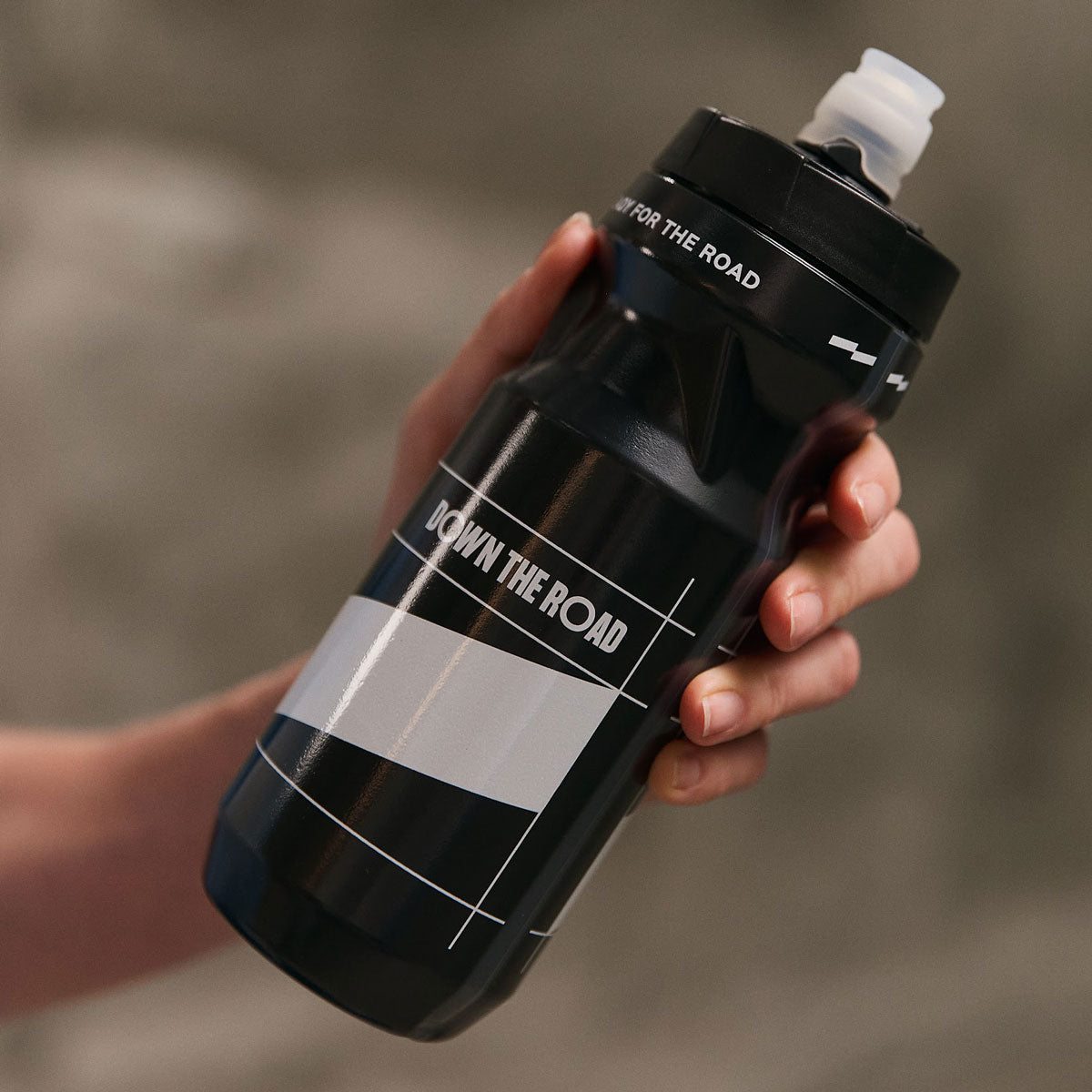
- Hydration: keep one or two bottles within reach and drink more than you would outdoors — you're losing more fluid. Add electrolytes for longer or harder sessions.
- Consider a headband or cap to keep sweat out of your eyes.
The chamois still matters
Even though you're going nowhere, you're still sitting on the saddle for the whole session, often at high intensity, so a comfortable chamois is just as important indoors. Wear proper bib shorts with a good pad, not gym shorts — the pressure and time in the saddle are the same as a road ride. For a lot of indoor riders, a dedicated pair of bibs for the trainer (that takes the sweat and heat) saves their outdoor kit. And as always, never wear underwear under the chamois.
Kit and gear care indoors
Indoor sweat is hard on kit and equipment:
- Wash your kit after every indoor session, just like outdoors — indoor sweat is just as corrosive to the chamois and fabric.
- Wipe down and dry your bike and trainer after sessions; sweat corrodes the frame, headset and bolts over time.
- Cycling shoes are fine indoors, but they'll get sweaty — air them out.
FAQ
What should I wear for indoor cycling? As little as you comfortably can: bib shorts with a good chamois and a light, breathable base layer or top — or for many, just the bibs and base layer. Skip the jersey and any warm layers, and set up a fan.
Why do I overheat so much on the turbo trainer? Indoors there's no wind to carry heat and sweat away, so you get almost none of the cooling you'd get outdoors at the same effort. You run much hotter and sweat far more — which is why less kit and a fan are essential.
Do I need a fan for indoor cycling? It's the single most important thing for indoor comfort. A fan recreates the airflow you're missing outdoors, evaporating sweat and cooling you. It matters more than any kit choice for a hard indoor session.
Do I need bib shorts for indoor cycling? Yes — you're sitting on the saddle at intensity for the whole session, so a comfortable chamois matters as much as outdoors. Wear proper bib shorts, not gym shorts, and never underwear underneath.
Do I need to wash indoor cycling kit? Yes — every session. Indoor sweat is just as corrosive to the chamois and fabric as outdoor sweat, and a hygiene issue for the pad. Wipe down your bike and trainer too, as sweat corrodes components.
The bottom line
For indoor cycling, wear less than you would outside: bib shorts with a good chamois and a light base layer (or just the bibs), skip the warm layers, and manage the heat with a fan, a towel and plenty of water. There's no wind to cool you, so losing heat and managing sweat is the whole game. Start with a comfortable, breathable pair of DTR bib shorts for the trainer.
—
DTR — performance cycling and triathlon apparel, designed and developed in Ukraine.

Leave a comment
This site is protected by hCaptcha and the hCaptcha Privacy Policy and Terms of Service apply.