

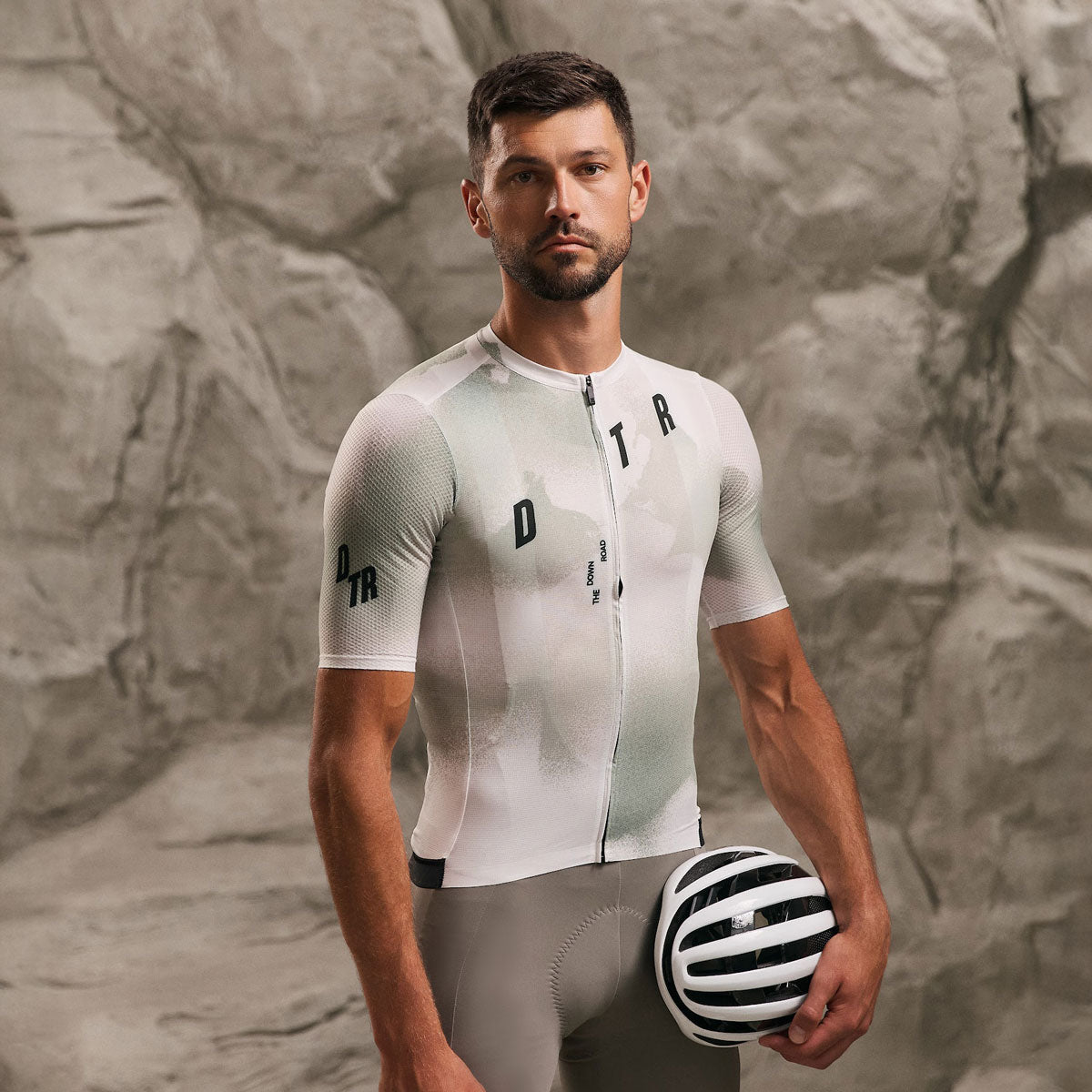
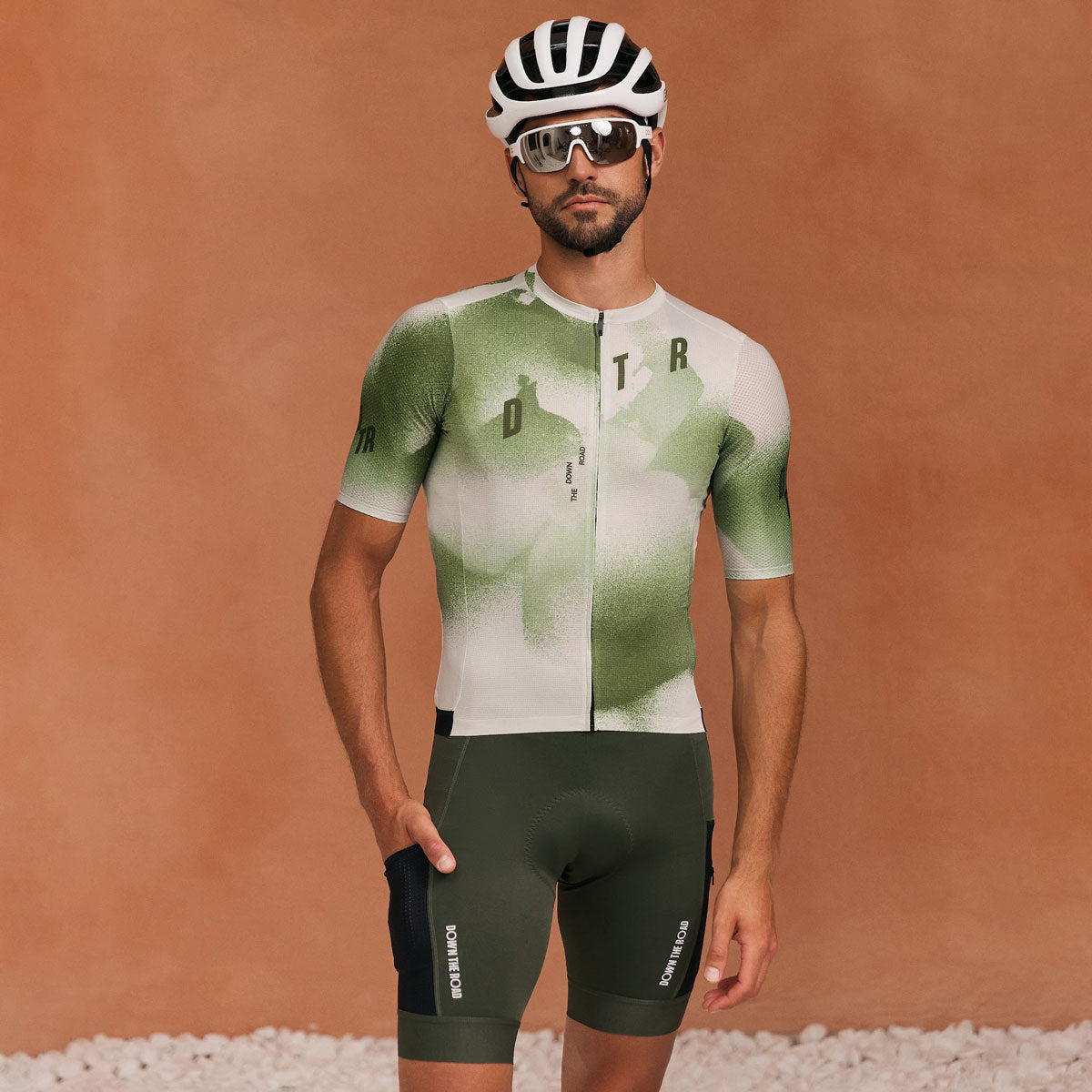
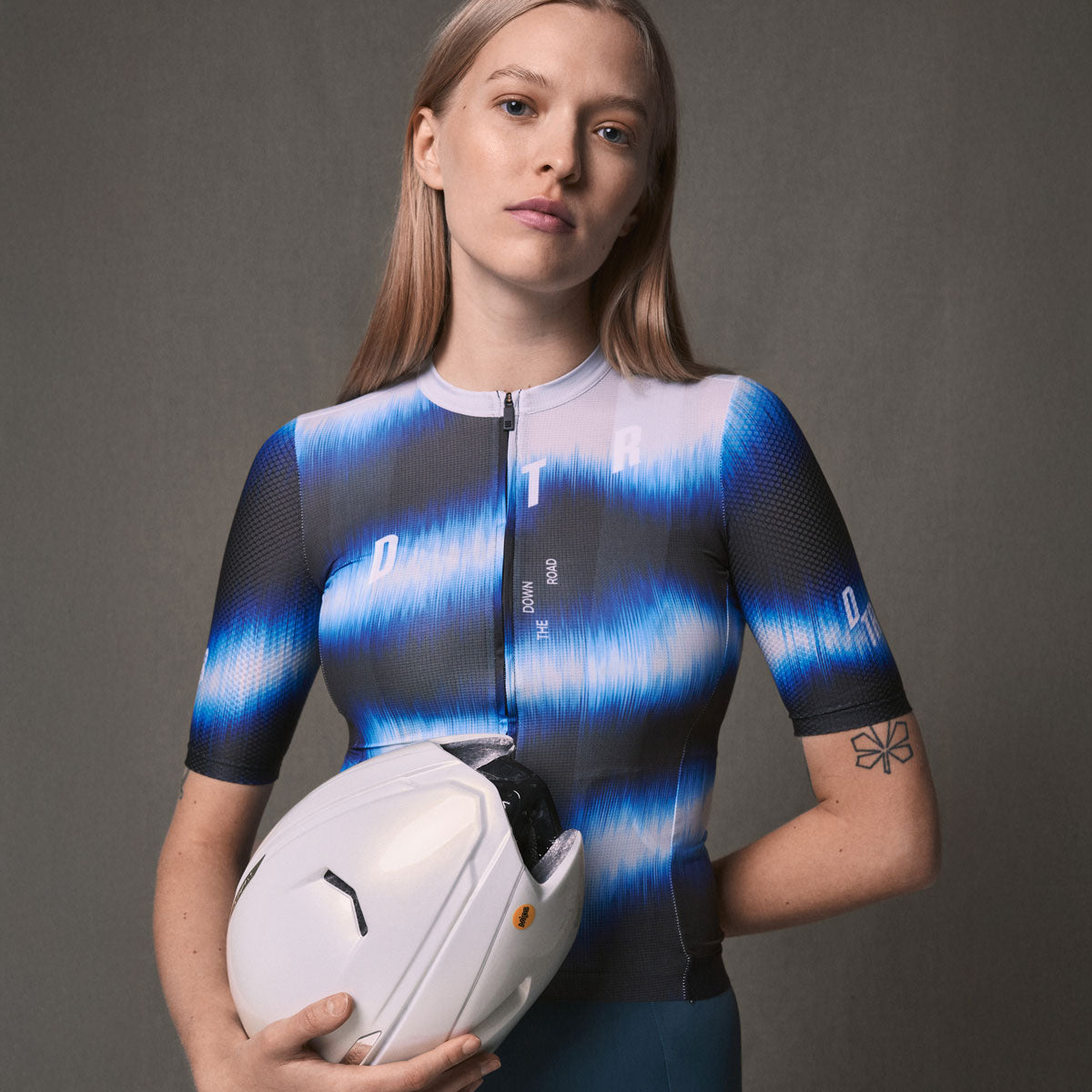
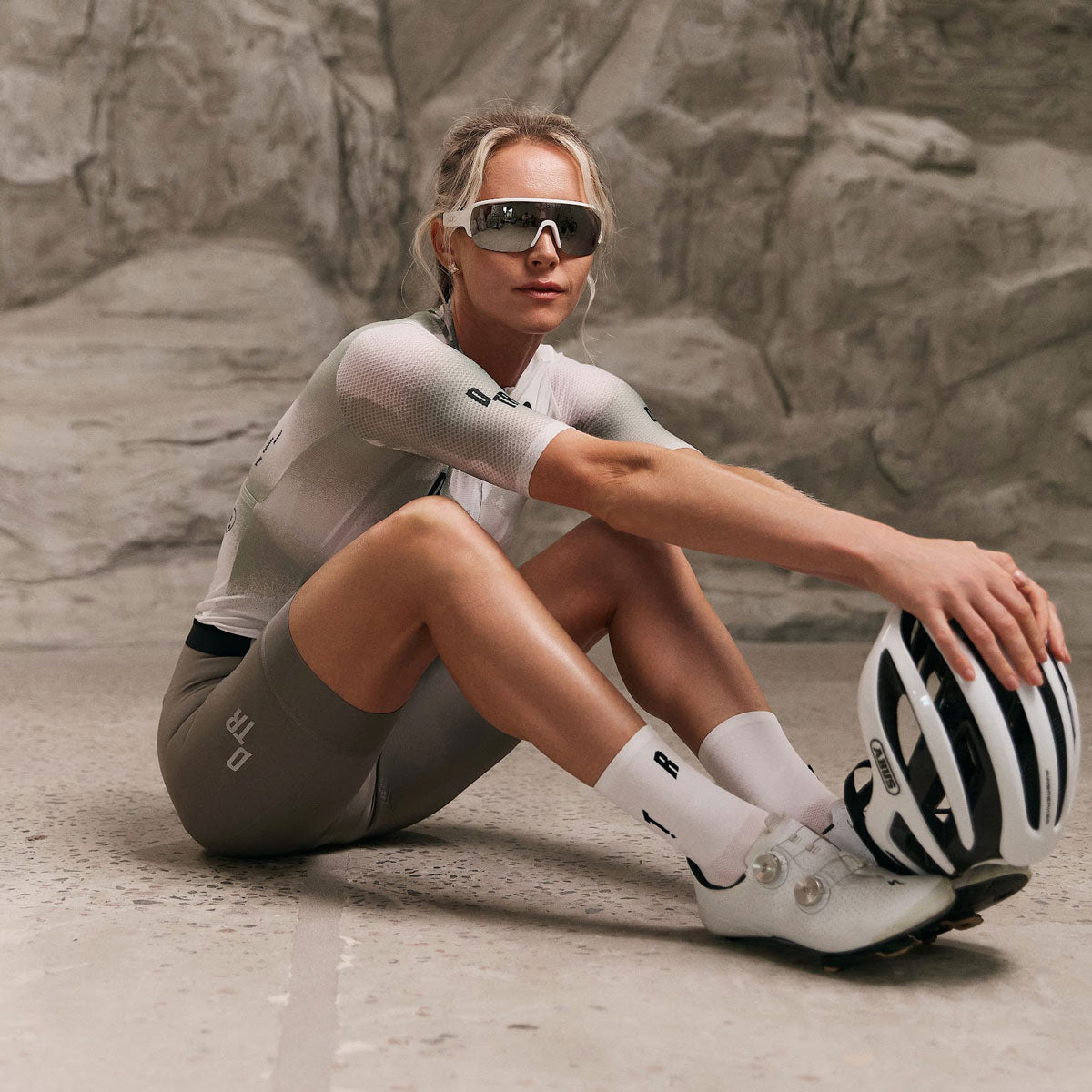
For an ultra-distance or 24-hour cycling event, the kit that matters most is the one you can rotate without stopping — two to three chamois options, a base layer you can add or shed without losing time, and a plan for feet, hands and skin that has to hold up well past the point where a normal ride would be over. This guide covers chamois strategy, dressing for a day-into-night-into-day cycle, and the small, unglamorous decisions that decide whether hour eighteen feels manageable or miserable.
Why ultra kit is about rotation, not a single perfect setup
A shorter ride rewards finding the one setup that works and sticking with it; an ultra-distance event rewards having two or three options and knowing when to switch. The same chamois, the same socks and the same base layer for 24 straight hours accumulates wear and moisture in a way no single piece of kit is designed to handle — build in a change, even a partial one, rather than trying to out-engineer the entire distance with one setup.
Managing the chamois over 24+ hours in the saddle
Reapply chamois cream on a schedule rather than waiting until you notice discomfort — by the time you feel it, the skin damage is already starting. A multi-density chamois earns its place on a ride this long, and switching to a second pair of bib shorts partway through gives the first pair's chamois and elastic a real rest instead of asking one pair to survive the whole event. Our chamois cream guide covers reapplication technique, and our saddle sores guide covers prevention and when persistent soreness needs more than a kit change — anything that doesn't improve with rest and care is worth a doctor's opinion, not something to push through.
Dressing for day-to-night-to-day without a bag drop
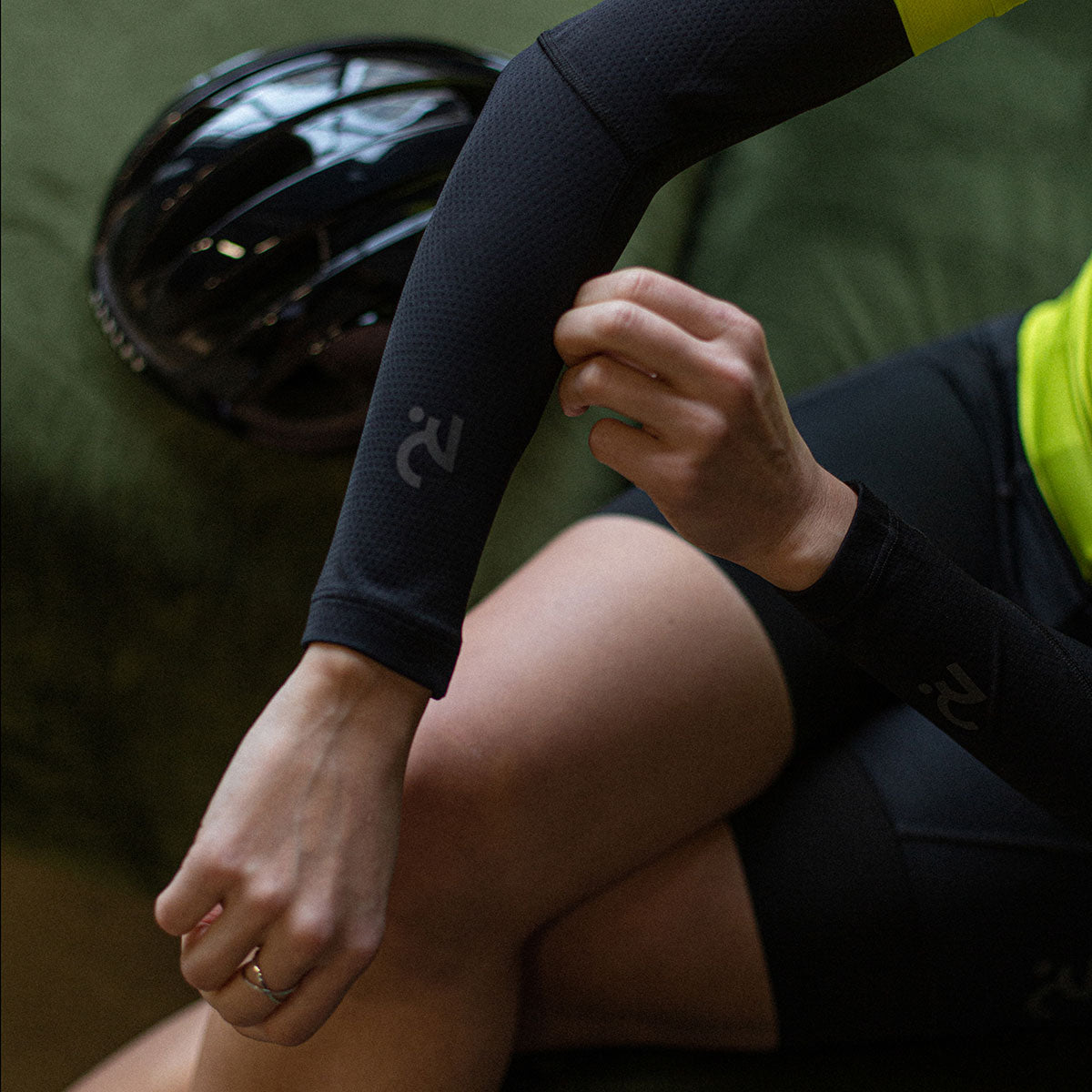
Plan your layering the way you would for an audax, but for a full 24-hour cycle rather than one cold start — carry a base layer, arm and leg warmers, and a packable windbreaker you can add in stages as the temperature drops overnight and remove again as the sun comes back up. Our cold-weather layering guide covers the stacking logic that applies directly here, just stretched across a much longer window with no support vehicle to hand a layer back to.
Feet and hands on a ride this long
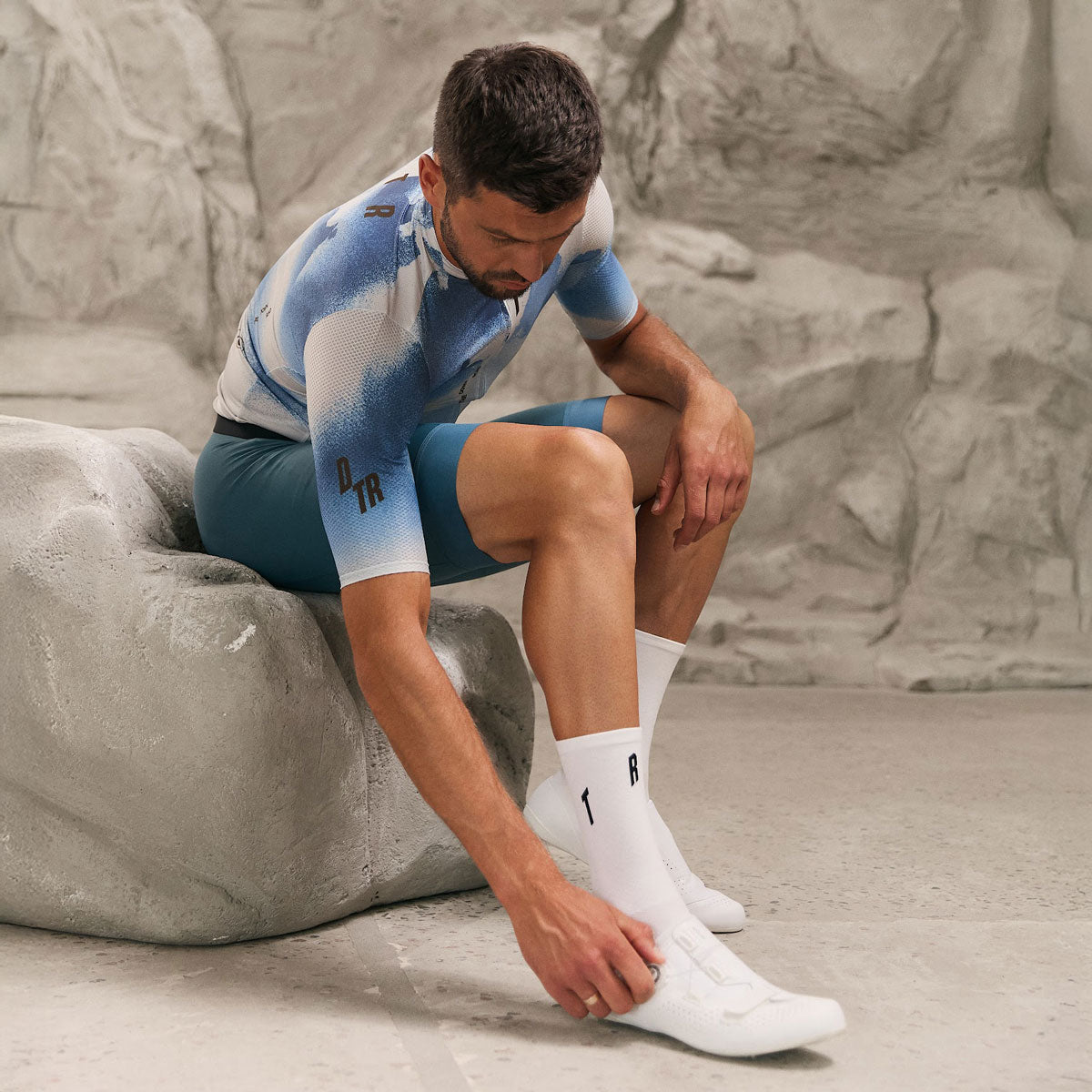
Feet swell over many hours in the saddle, so shoes that fit well at hour one can feel tight by hour fifteen — a slightly looser fastening late in the ride does more for comfort than any sock choice. Bring a dry pair of cycling socks to change into after dark; wet feet overnight are one of the fastest ways an ultra event goes from hard to genuinely unpleasant.
Sleep breaks and what to change before you lie down
If your event includes a scheduled sleep break, change out of a sweat-damp base layer before you rest — lying down cold and damp costs you recovery quality that a few minutes of changing kit would have protected. The same discipline that makes an Everesting attempt survivable applies here: treat every stop as an opportunity to reset one piece of kit, not just a chance to eat.
FAQ
How many chamois should you bring for a 24-hour race?
At least two, ideally on two separate pairs of bib shorts. Rotating gives each chamois a rest and lets you reapply cream to fresh, undamaged skin partway through.
What's the biggest kit mistake in ultra-distance cycling?
Waiting until something hurts to change it. By the time chafing or a hot spot is noticeable, the fix takes much longer than the small, scheduled changes that would have prevented it.
Do you need different kit for the overnight section of an ultra event?
Yes — plan a full temperature range into your kit, not just what's comfortable at the start. A base layer, warmers and a packable windbreaker cover the overnight drop without needing a separate overnight-specific piece.
How do you deal with saddle soreness on a ride this long?
Reapply chamois cream on a schedule, rotate chamois where possible, and treat any hot spot immediately rather than waiting. Persistent soreness or numbness that doesn't improve is a signal to see a doctor, not a badge of the distance.
Kit built to rotate through a very long day: the DTR bib shorts range is at /collections/bib-shorts.
DTR — performance cycling and triathlon apparel, designed and developed in Ukraine.

Leave a comment
This site is protected by hCaptcha and the hCaptcha Privacy Policy and Terms of Service apply.