



Saddle sores are painful, inflamed spots that form where your body carries weight on the saddle — anything from a patch of chafed skin to a blocked, infected hair follicle. They're caused by three things working together: pressure, friction and moisture. Most are preventable with bib shorts that fit properly, a clean chamois every ride and a saddle position that spreads your weight correctly. This guide covers the causes, the prevention habits that actually work, and what helps when a sore appears anyway.
What is a saddle sore, exactly?
A saddle sore is skin damage in the contact area between you and the saddle. It usually starts as chafing — red, tender, irritated skin — or as a small painful lump where a hair follicle has become blocked or inflamed. Ridden on, either can develop into something deeper and more painful. The term covers a spectrum rather than a single condition: chafed patches, follicle spots, and firmer lumps under the skin. What they share is a location — where your sit bones and soft tissue press into the saddle — and a cause.
Why do you get them?
Three ingredients, usually together: pressure concentrated on a small area of skin, friction from thousands of pedal strokes rubbing skin against fabric, and moisture from sweat softening the skin until it breaks down. Once the skin is damaged, bacteria that normally live there harmlessly can get in — which is when a chafed patch turns into a painful spot.
The usual contributors:
- Shorts that don't fit. A chamois that moves as you pedal rubs. Loose fabric bunches and chafes. (Here's how bib shorts should fit.)
- Underwear under bib shorts. It adds seams exactly where you don't want them and traps moisture against the skin.
- A worn-out chamois. Foam that has flattened no longer spreads pressure — even if the shorts look fine from outside.
- Riding in dirty kit. Yesterday's bacteria against today's softened skin.
- Saddle position. Too high and your hips rock, dragging skin across the saddle every stroke. Tilted wrong, and pressure lands on soft tissue instead of sit bones.
- Sudden jumps in volume. Skin adapts to time in the saddle gradually, like everything else.
How do you prevent saddle sores?
Prevention is a set of small habits that compound: shorts that fit, no underwear, clean kit every ride, a chamois in good condition, chamois cream on long days, and a saddle set up so your weight lands on bone, not soft tissue.
In practice:
- Get the fit right first. The chamois must sit still against you — snug shorts, no bunching, worn against the skin.
- Wash your kit after every ride, without exception. A warm, damp chamois is exactly where bacteria multiply. (How to wash and care for your kit.)
- Retire a flattened chamois. A multi-density chamois works by matching firmer support to where pressure is highest — once the foam has collapsed, that protection is gone. (What chamois density actually means.)
- Use chamois cream on long rides. It reduces the friction side of the equation, which matters most beyond about three hours and in heat.
- Check your saddle. Height, tilt and fore-aft position decide where pressure goes. If sores keep returning in the same spot, a professional bike fit is usually money better spent than another pair of shorts.
- Build up gradually and move around. Stand for a few pedal strokes regularly; change out of your kit and shower soon after you finish.
Does your kit actually make a difference?
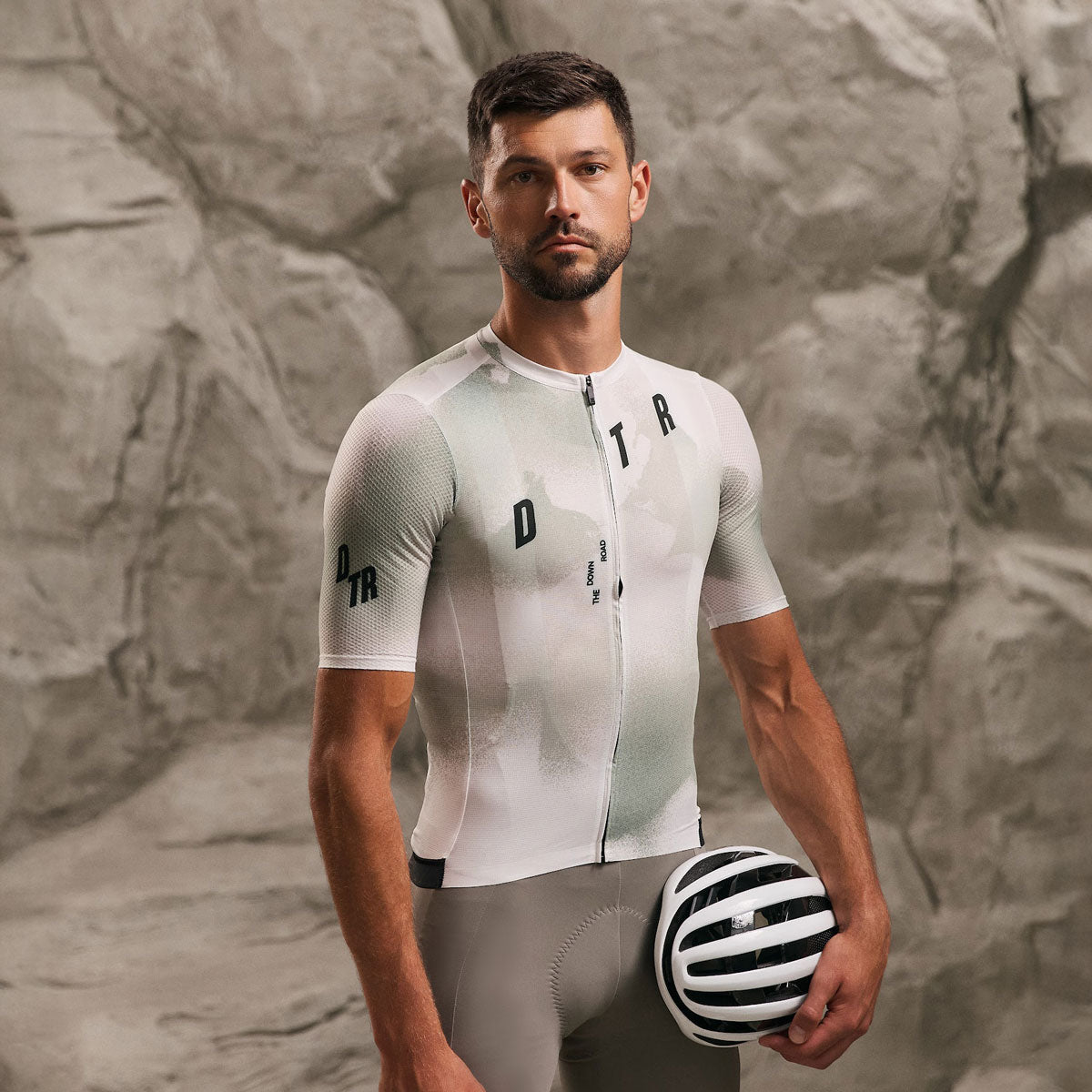
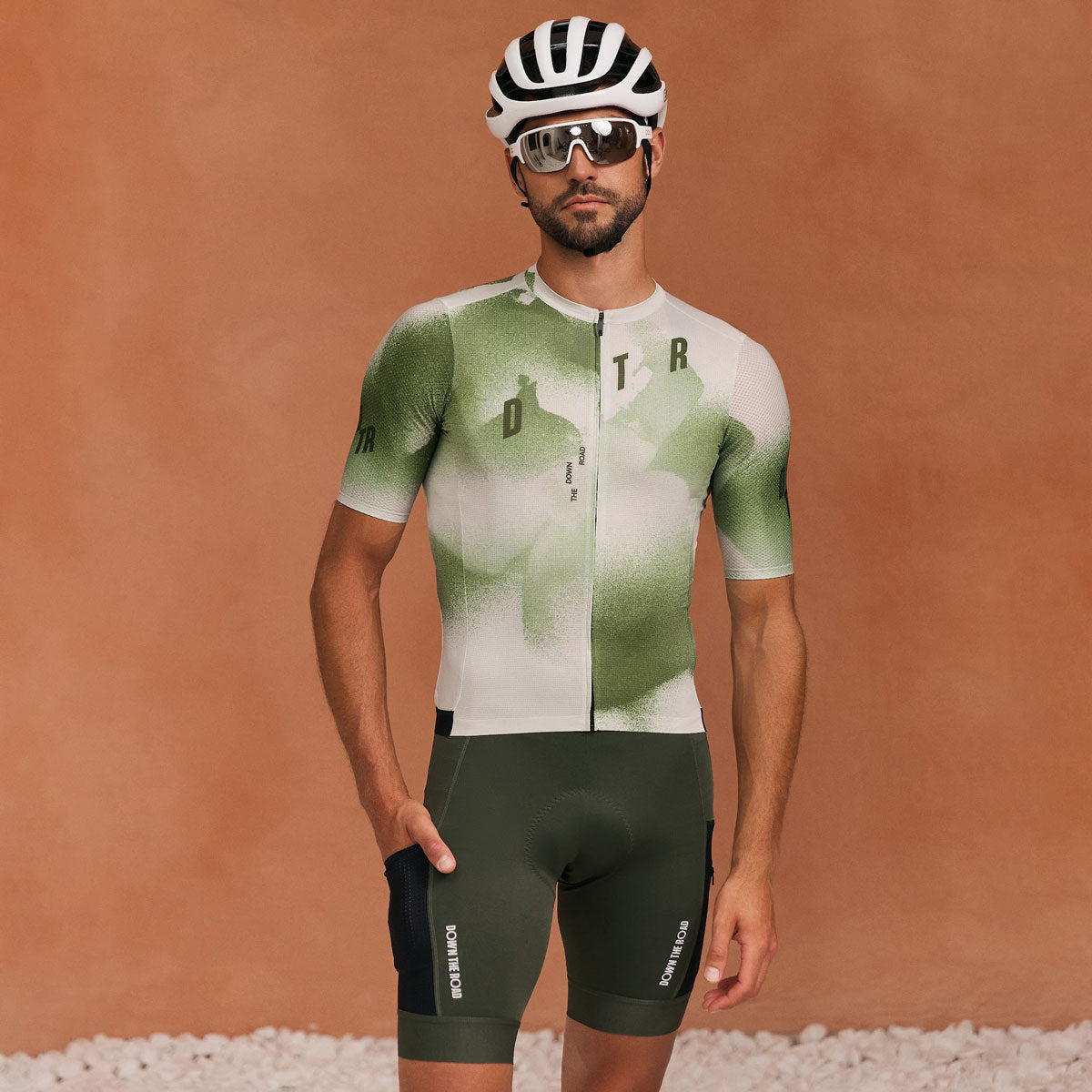
Yes — the chamois and the fabric around it are the interface where the damage happens, so they're the first thing to get right. A snug, well-cut short holds the pad still, so friction happens between fabric and saddle, not skin and pad. Quick-drying technical lycra moves sweat away instead of holding it against you. And a chamois with intact multi-density foam keeps pressure on your sit bones, where skin handles it best. None of this makes you invincible — but most riders who struggle with recurring sores are riding on a fit problem, a worn pad, or both.
What helps when a sore appears?
The most reliable fix is the least popular one: time off the bike. Beyond that, keep the area clean and dry, wear loose, breathable clothing off the bike, and don't squeeze or pick at anything. If you have to ride, keep it short, use fresh kit and chamois cream, and accept it will slow healing.
A few days of rest is usually enough for minor chafing and small spots. What you're doing in that time is simple: removing the pressure and friction that caused the damage, and giving skin the dry, clean conditions it needs to repair. This is general guidance, not medical advice — skin and circumstances differ.
When should you see a doctor?
See a doctor if a sore doesn't improve after several days off the bike, keeps returning in the same place, or shows signs of infection — spreading redness, warmth, swelling, discharge or fever. The same goes for any firm, painful lump that persists: don't diagnose it yourself, and don't ride through it. Persistent or severe sores are a medical question, not a kit question.
FAQ
How long do saddle sores take to heal? Minor chafing and small spots usually settle within a few days off the bike, kept clean and dry. Anything persistent, worsening or recurring is a reason to see a doctor rather than wait it out.
Can you keep riding with a saddle sore? You can, but it usually makes things worse and slows healing. If you must ride, keep it short, use clean shorts and chamois cream, and stop if pain sharpens. Rest is the faster route back.
Do recurring sores mean my saddle is wrong? Possibly. Sores that come back in the same spot suggest pressure is landing somewhere it shouldn't — saddle height, tilt or shape. A professional bike fit is the systematic way to find out.
Does chamois cream prevent saddle sores? It helps with one of the three causes — friction — so it's genuinely useful on long rides and in heat. It doesn't compensate for a bad fit, a worn chamois or dirty kit.
Why do I get sores when training ramps up? Skin adapts to saddle time gradually, like your legs do. Sudden jumps in volume outpace that adaptation. Build up progressively and be extra disciplined about clean kit during big weeks.
The bottom line
Saddle sores come from pressure, friction and moisture — so prevention is fit, cleanliness and position: bib shorts that hold a healthy chamois exactly in place, washed after every ride, on a saddle set up for your body. When a sore does appear, rest and keep it clean; when it persists or looks infected, see a doctor. If your shorts are part of the problem, start with the DTR bib shorts range.
DTR — performance cycling and triathlon apparel, designed and developed in Ukraine.

Leave a comment
This site is protected by hCaptcha and the hCaptcha Privacy Policy and Terms of Service apply.