

The chamois is the pad in your bib shorts — the piece of kit that decides whether hour four hurts or disappears. And the thing most riders get wrong about it is simple: comfort comes from density, not thickness. A thicker pad is not a better pad. This guide explains what chamois density actually means, why multi-density is the standard worth caring about, and how to choose a pad that stays comfortable over long hours in the saddle.
What a chamois actually is
The chamois is the foam pad sewn into cycling bib shorts and trisuits, sitting between you and the saddle. Its job isn't just cushioning — it supports your sit bones where your weight concentrates, spreads pressure across a wider area, reduces friction and chafing over hours of pedalling, and wicks moisture away from the skin. The name is a leftover from when pads were made of chamois leather; today they're engineered foam, and the engineering is where the comfort lives.
Density vs thickness: the misunderstanding that matters most
Here's the core truth: more density does not mean more thickness. Density is how firmly the foam resists compression; thickness is simply how deep the pad is. A thick, soft pad feels plush when you press it in the shop, but under your body weight over a long ride it “bottoms out” — the foam collapses flat, offers no real support, and the extra bulk bunches and chafes where you don't want it. Comfort over hours doesn't come from a deep, squishy pad. It comes from foam firm enough to support your sit bones without collapsing, calibrated to the pressure points of the riding position. That's density, done right — not depth.
What multi-density means
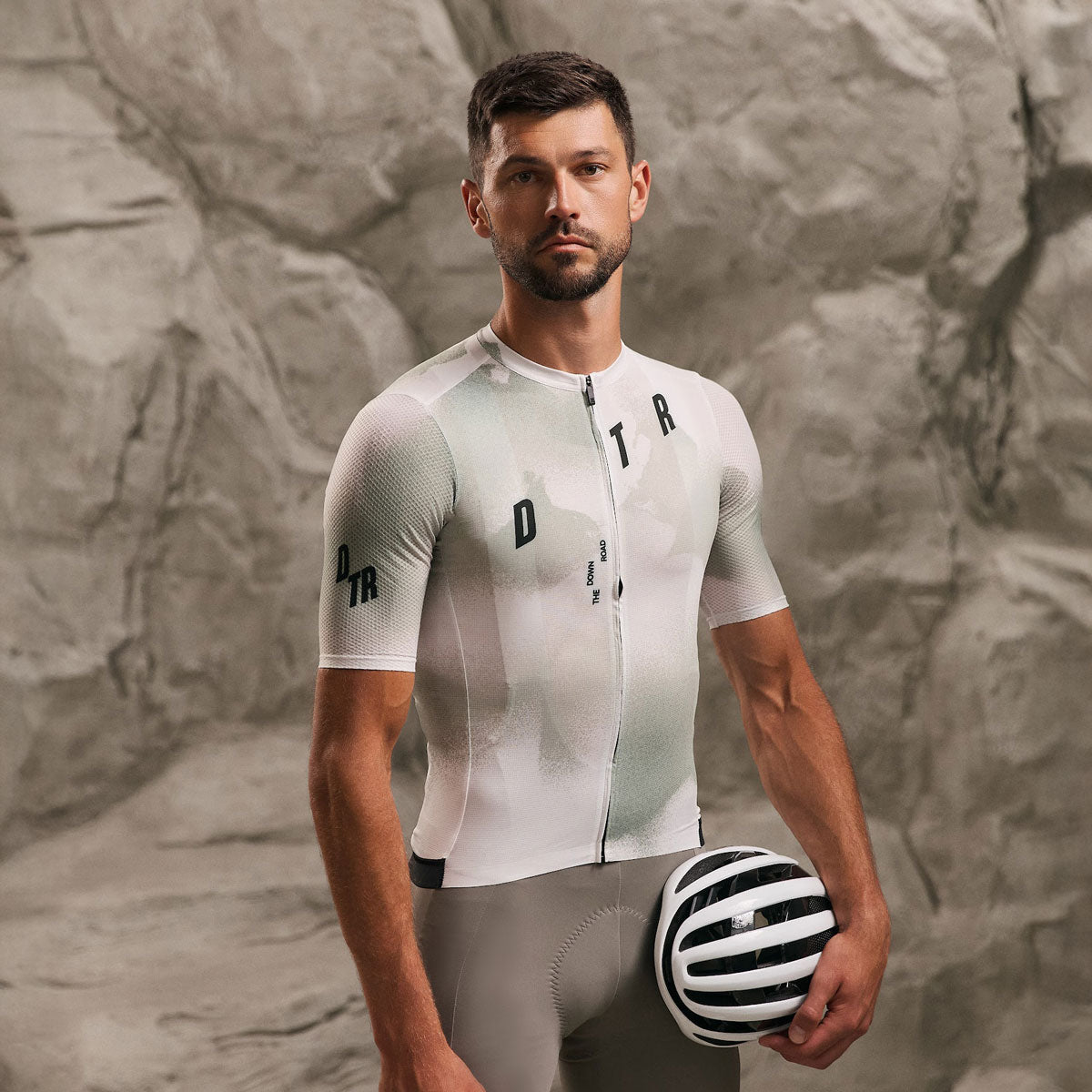
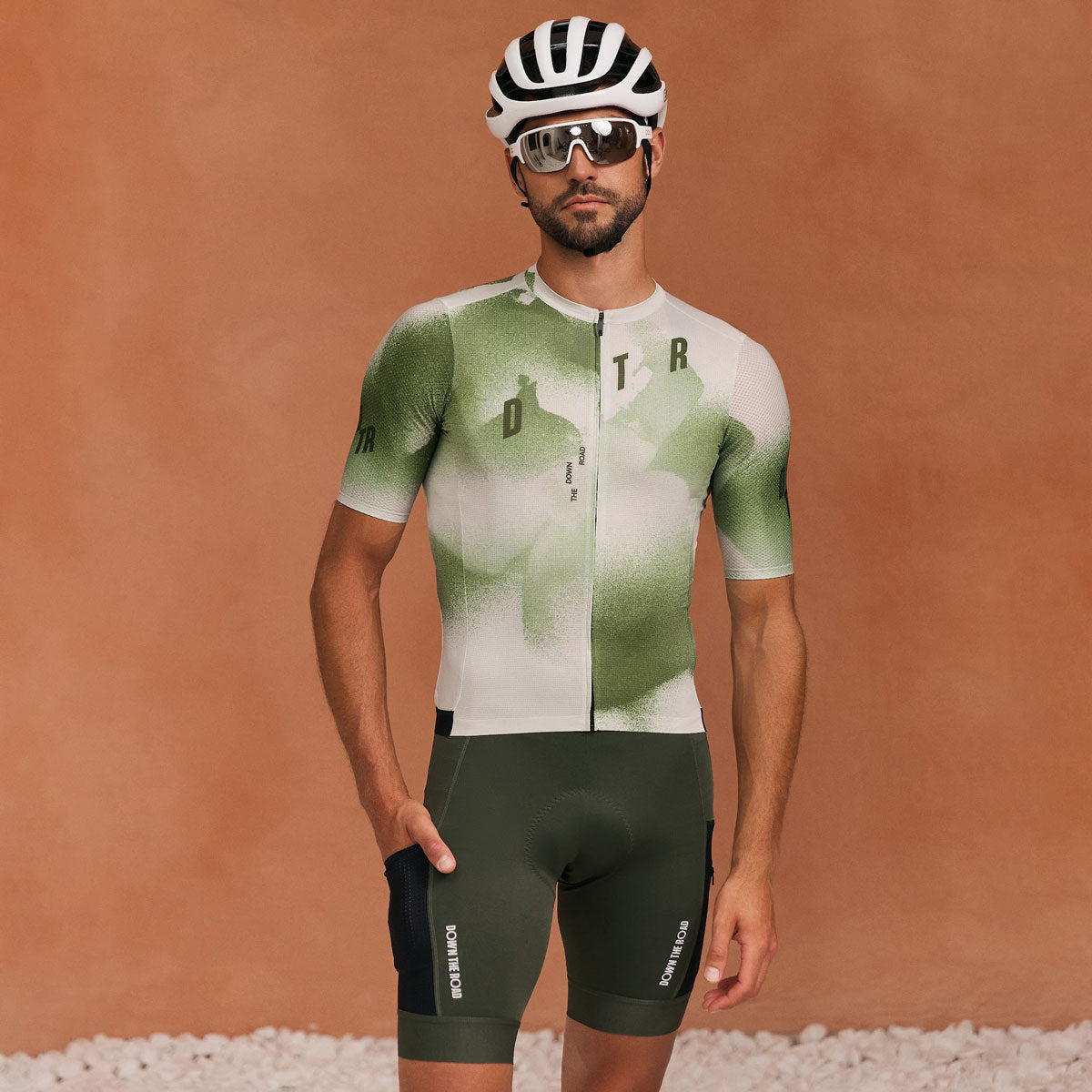
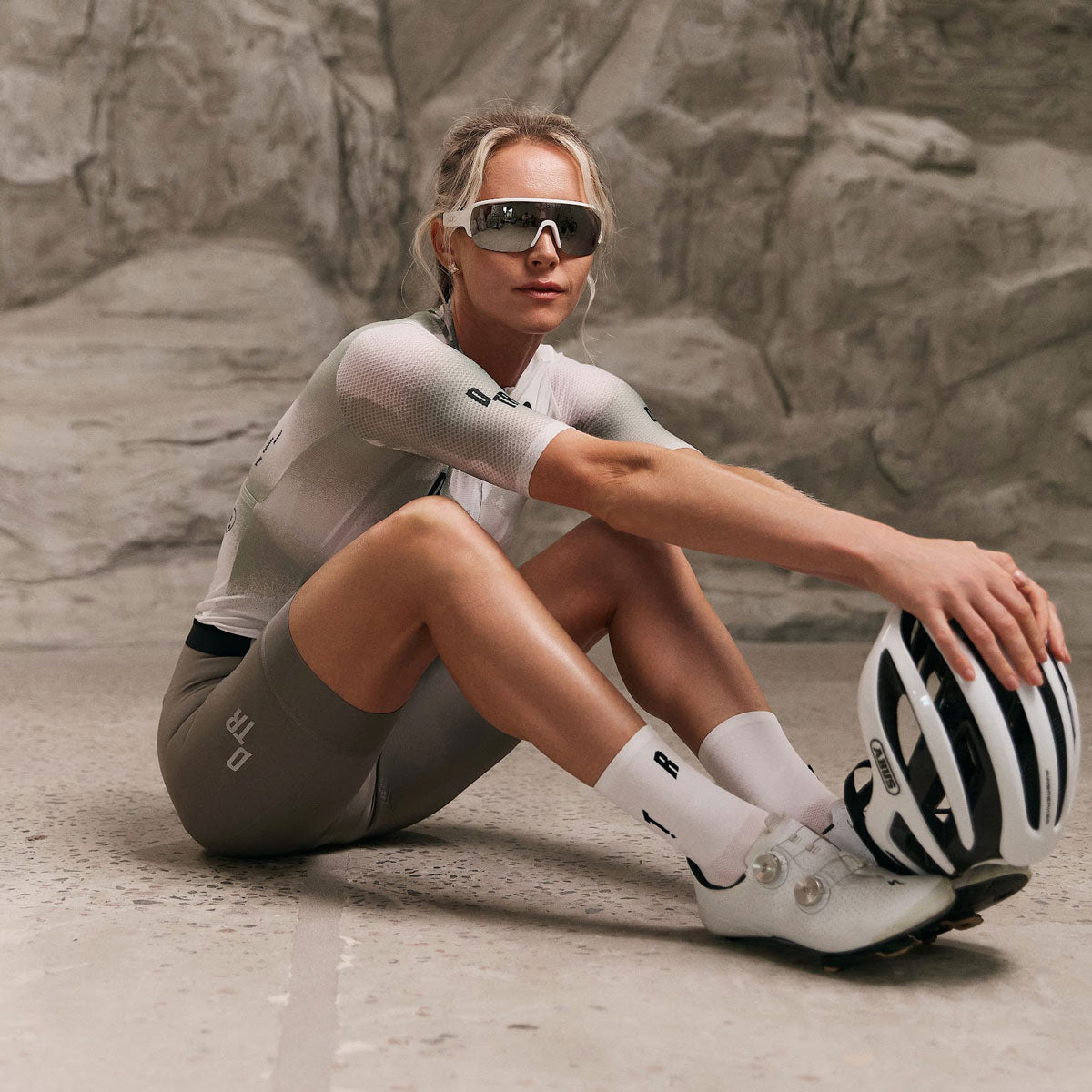
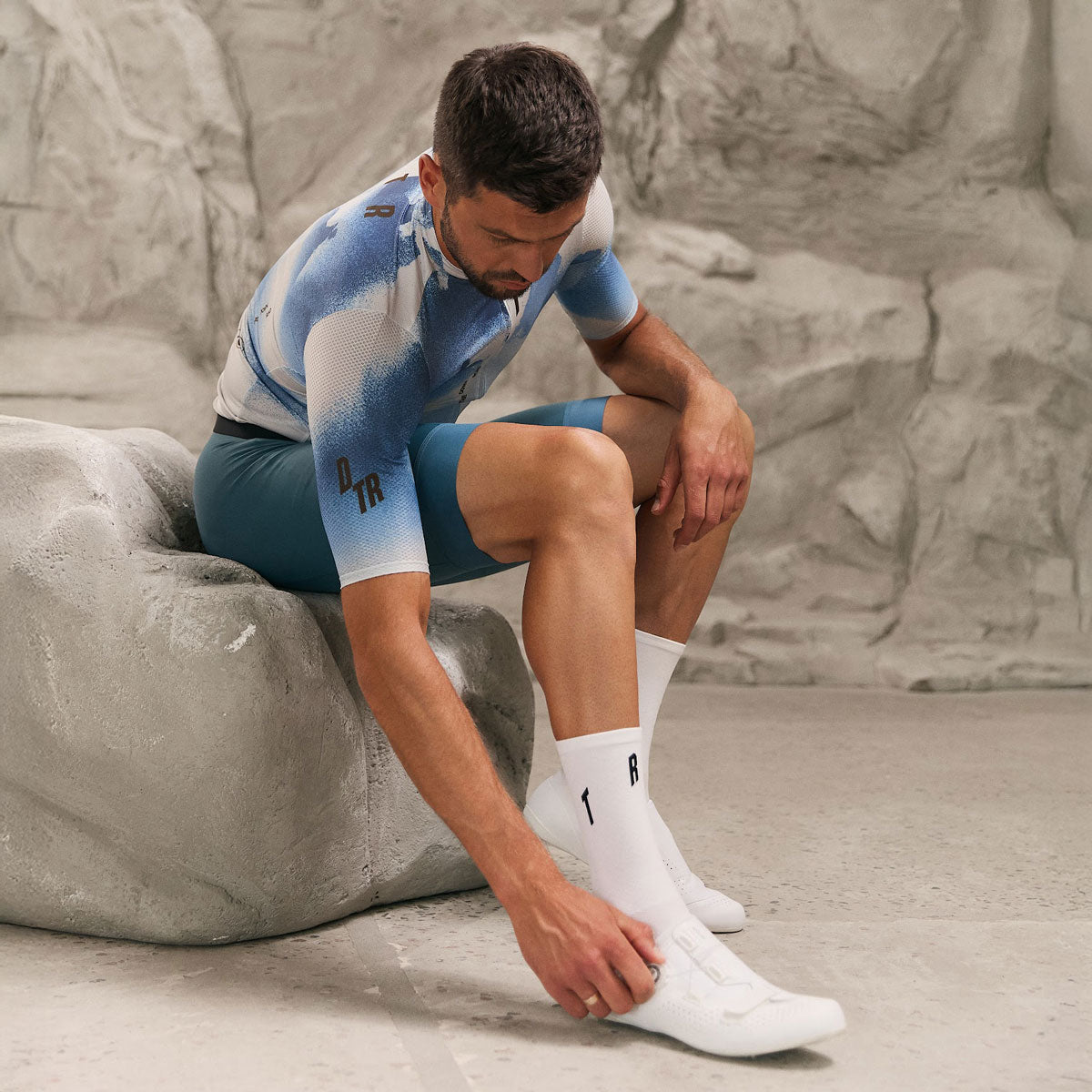
A multi-density chamois uses more than one foam density zoned across a single pad. Firmer, supportive foam sits under the sit bones, where pressure concentrates and support matters most; softer foam surrounds it for comfort and flex where you need to move. The result is targeted support exactly where the riding position loads your body, without the bulk of a single dense block or the collapse of a single soft one. DTR bib shorts use an anatomical multi-density chamois calibrated for the pressure points of the pedalling position — support where it counts, and nowhere it gets in the way. It's the approach the Italian chamois specialist Elastic Interface helped set as the performance standard, and it's why a well-built multi-density pad feels composed at hour four when a thick single-density one doesn't.
Calibrated for the riding position
A cycling chamois isn't shaped like something you'd sit on in a chair. On a bike you're tilted forward, weight rolled onto the front of the sit bones, and a good pad is densest exactly there — not where you'd sit upright. This is why a cycling-specific, anatomically shaped pad works on the bike and a generic one doesn't: the density is mapped to where the position actually puts the pressure. Multi-density and anatomical shaping are two halves of the same idea — support placed where your body loads the saddle.
Match the chamois to your ride
The right pad depends on how you ride. Short, fast efforts keep you moving on the saddle and rarely static, so a thinner, firmer pad is often all you need. Long endurance rides, gravel, and all-day distances are where a calibrated multi-density chamois earns its keep — it has to support you for hours without bottoming out, which is precisely what density zoning is for. The mistake is treating all pads as interchangeable: an over-padded race short feels bulky and slow, and an under-padded short leaves you sore on a five-hour day. Match the pad to the distance.
The pad is only half of it: fit
The best chamois in the world fails in a badly-fitting short. A pad only works if it stays in exact, constant contact with your body — no shifting, no gaps. That's down to the short: a close, supportive fit, straps that hold the short in place without pulling it out of position, and leg grippers that keep everything anchored. A pad that moves creates the friction it's meant to prevent. This is why chamois and fit are one system, not two features — the density is calibrated on the assumption the pad sits exactly where it's designed to, and only a well-fitting short delivers that.
Looking after your chamois
A chamois lasts longer and stays comfortable if you look after it. Wash after every ride — cold, gentle cycle, no fabric softener, because softener clogs the foam and degrades the grippers — and air dry. Use chamois cream on long rides to cut friction where the pad meets skin. Never wear underwear under bib shorts: the seams cause the exact chafing the pad is built to prevent, and they block its moisture management. And replace the short when the foam stops rebounding — a pad that's compressed flat and no longer recovers is a common, overlooked cause of saddle pain, no matter how good it was when new.
FAQ
Does a thicker chamois mean more comfortable?
No. Density and fit matter far more than thickness. A too-thick, soft pad bottoms out under load and adds bulk that chafes — a firmer, well-calibrated pad in a well-fitting short is more comfortable over hours.
What is a multi-density chamois?
A pad built from more than one foam density, zoned by pressure area — firmer foam under the sit bones for support, softer foam around it for comfort and flex. It targets support where the riding position needs it without unnecessary bulk.
Do I wear underwear with bib shorts?
No. Bib shorts and the chamois are designed to be worn directly against the skin. Underwear adds seams that cause chafing and blocks the pad's moisture-wicking.
Do I need chamois cream?
For long rides, yes — it reduces friction where the pad meets skin and helps prevent chafing and saddle sores over hours. For short efforts it's optional.
How long does a chamois last?
Until the foam stops rebounding — when it feels flat and no longer recovers its shape between rides, or the short loses its fit. With regular use that's often one to three seasons; a dead pad is worth replacing before it causes pain.
The pad is the most important part of a bib short — so it's worth understanding. Explore DTR bib shorts with anatomical multi-density chamois: shop bib shorts.
—
DTR — performance cycling and triathlon apparel, designed and developed in Ukraine.

Leave a comment
This site is protected by hCaptcha and the hCaptcha Privacy Policy and Terms of Service apply.