

Everesting is riding one hill repeatedly, in a single ride, until you have climbed 8,848 metres — the height of Mount Everest. This guide covers the rules, how to choose your climb, what the day demands, and what to wear and carry when you are climbing hot and descending cold for the best part of a day.
What do the rules actually say?
One hill, one ride, 8,848 metres of gain. You can stop as often as you like to eat, change kit or sit down, but it must be one continuous activity on one climb, ridden in the same direction every lap, and sleeping ends the attempt. Hells 500 maintains the rules and the Hall of Fame, and your GPS file verifies the ride. You cannot combine two hills, split the effort over two days or bank elevation from a warm-up. A Half Everesting — 4,424 metres — is a recognised ride in its own right and a sensible first target.
How do you choose the hill?
Gradient decides your day. Most riders settle between 5% and 9%, on a road with a descent they trust in the dark. Divide 8,848 by the gain of one lap to get your repeat count: 150 metres per lap means 59 laps. Then look at what the numbers miss — traffic, junctions, a safe place to turn at both ends, and whether you can resupply from a car or your front door. A hill you can resupply at beats one with a perfect gradient.
How long does it take?
Most completed attempts take 12 to 20 hours including stops. Around 800 metres of climbing an hour is a strong, sustainable rate for a fit amateur, which is roughly eleven hours of moving time. Stops add up fast — five minutes a lap over fifty laps is four hours — so plan the ones you want and keep the rest brief. The same logic applies to any very long day; what to wear for ultra-distance cycling covers it.
How should you pace and fuel it?
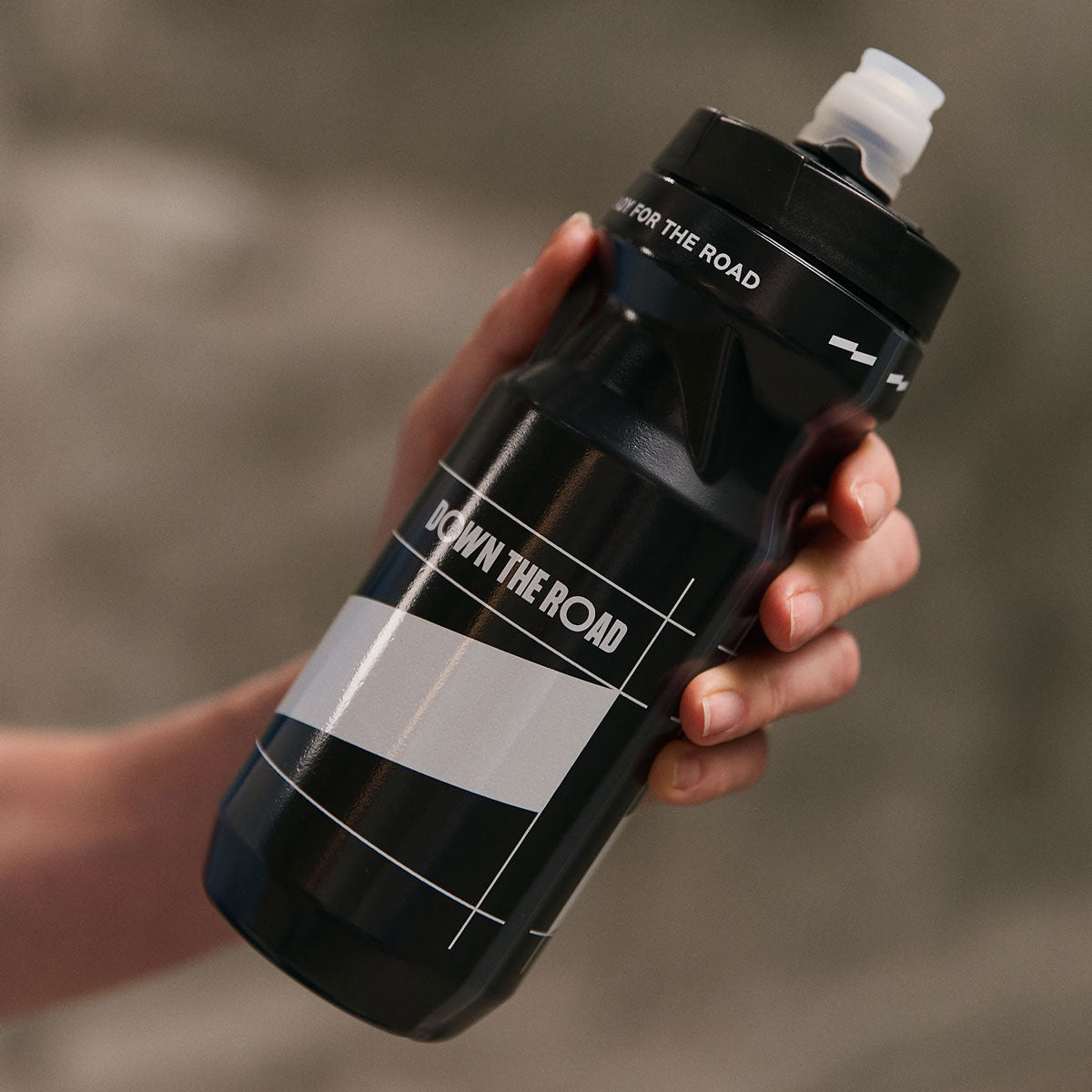
Ride the first half slower than feels right; the effort that feels easy at hour two is too hard at hour twelve. Eat before you are hungry and keep drinking through the cool hours when thirst fades, with bottles staged at your turnaround point. A day this long is a real physical load — if you have medical concerns, or anything that persists beyond normal post-ride fatigue, speak to a doctor rather than riding through it. The long ride kit checklist is a good template for what to stage.
Can you do it indoors?
Yes. Virtual attempts follow the same 8,848 metre target on one climb and are recognised separately from outdoor rides. Indoors removes traffic and descent risk but also removes descents as recovery, so heat becomes the limit long before your legs do. A fan matters more than any other equipment; what to wear for turbo training applies directly.
What should you wear for a day of repeats?
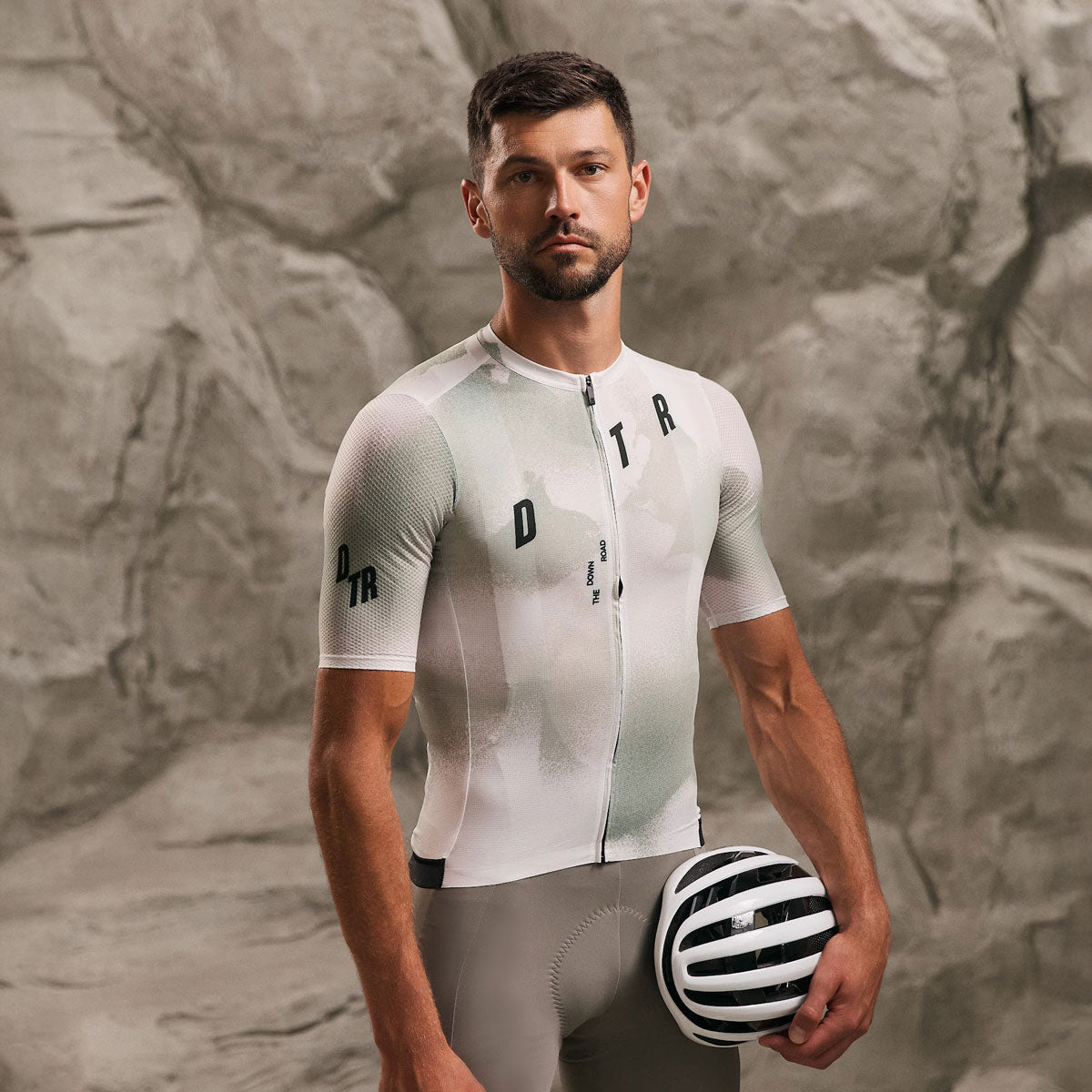
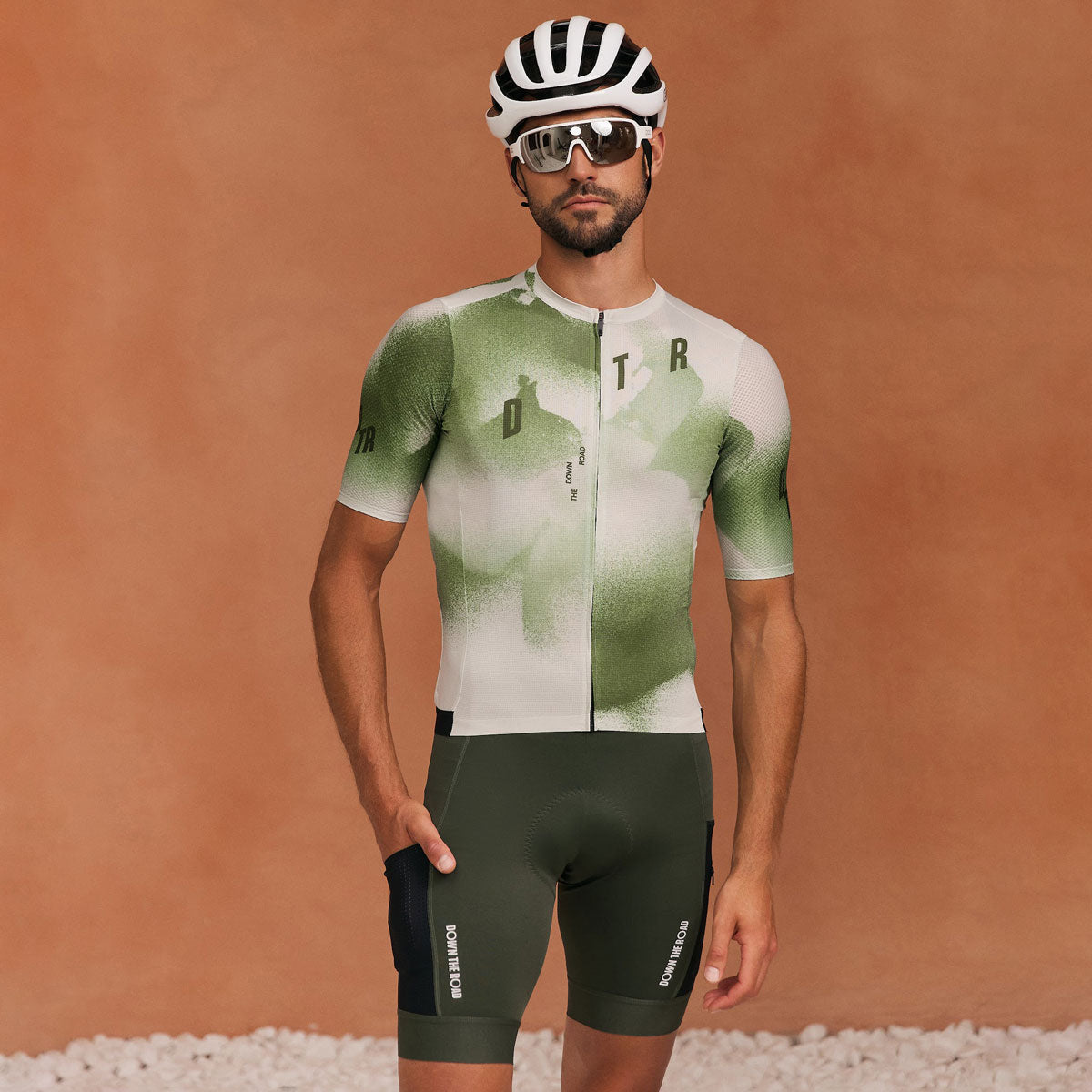
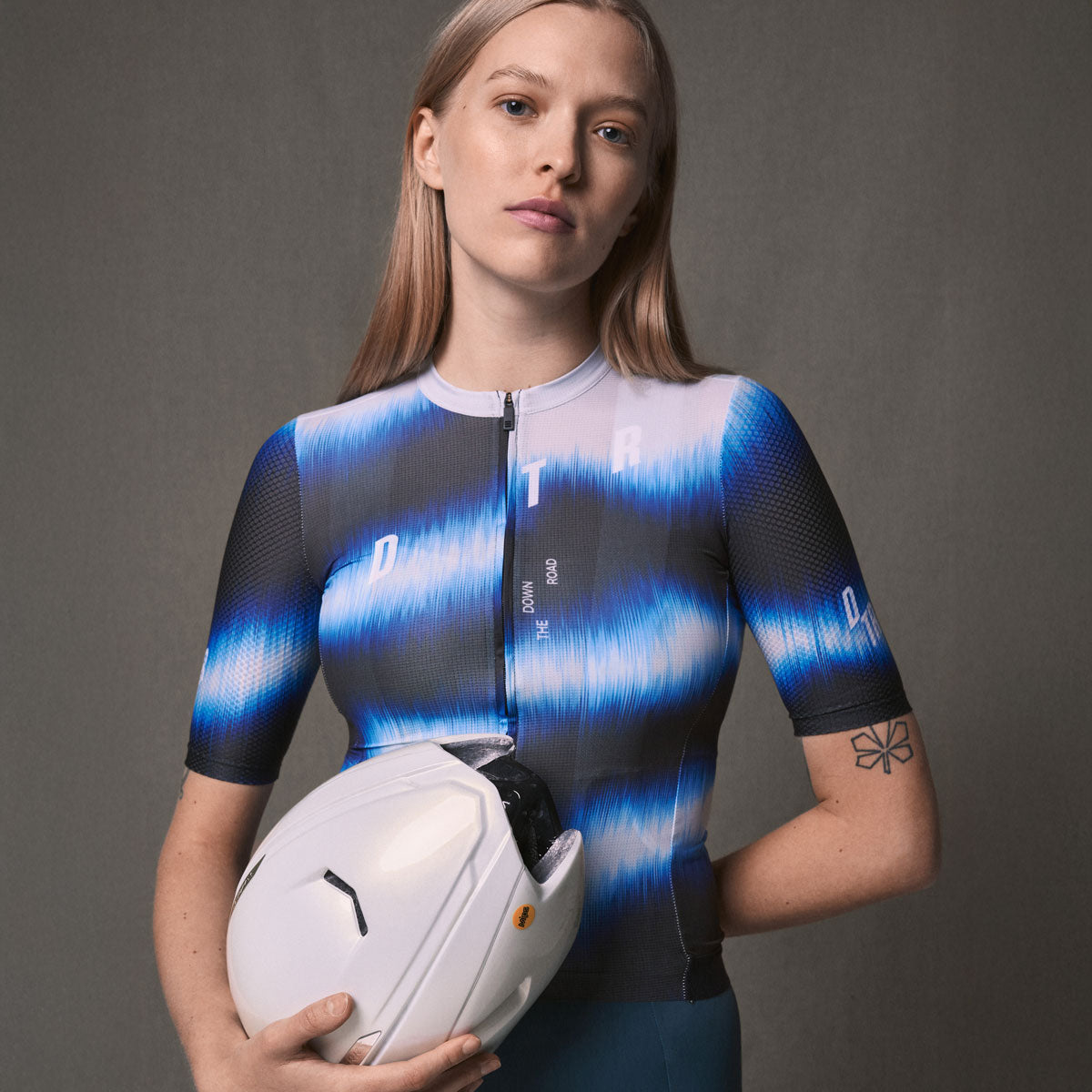
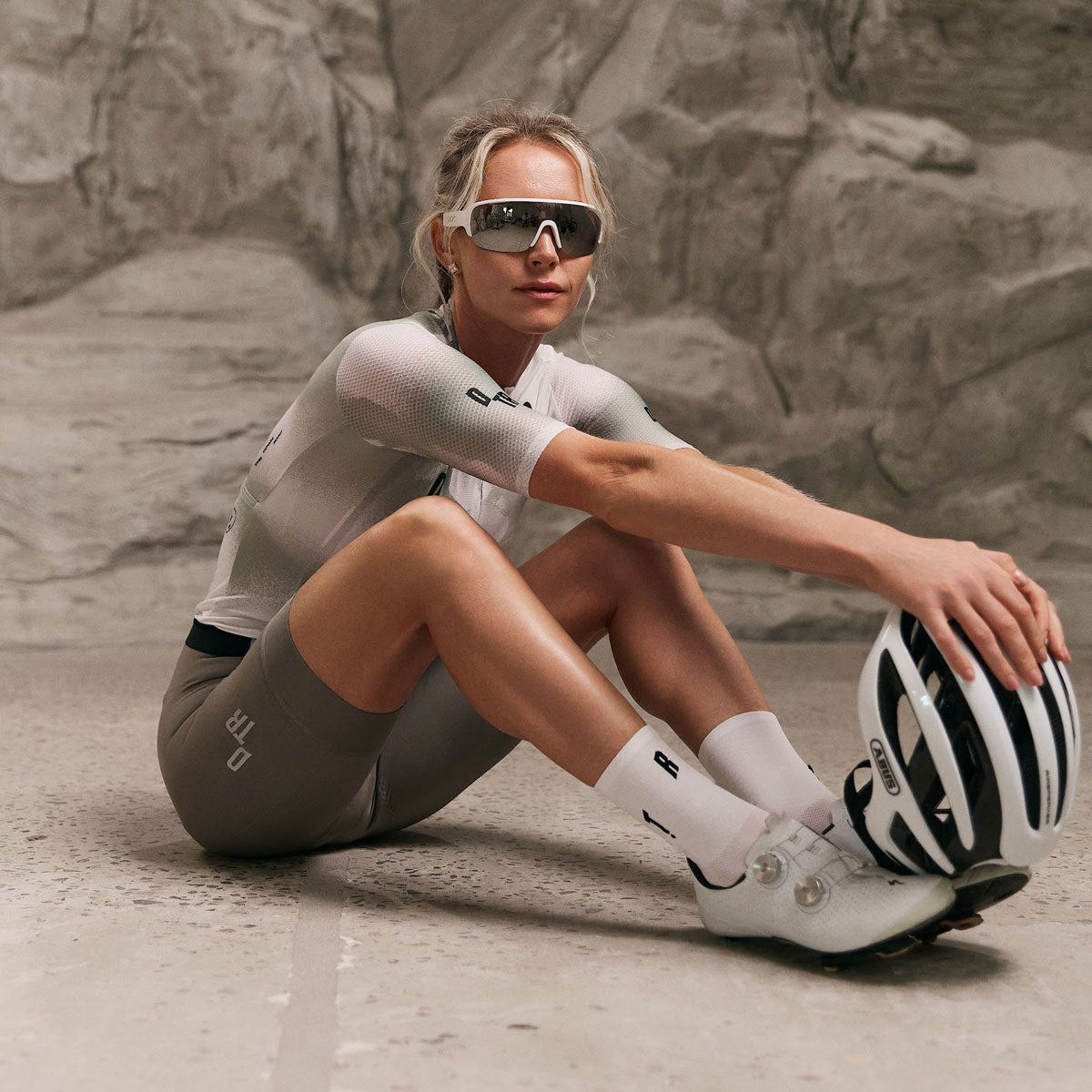
The problem to solve: you are hot on every climb and cold on every descent, dozens of times. You need layers you can add and remove in seconds and bibs that still work at hour twelve.
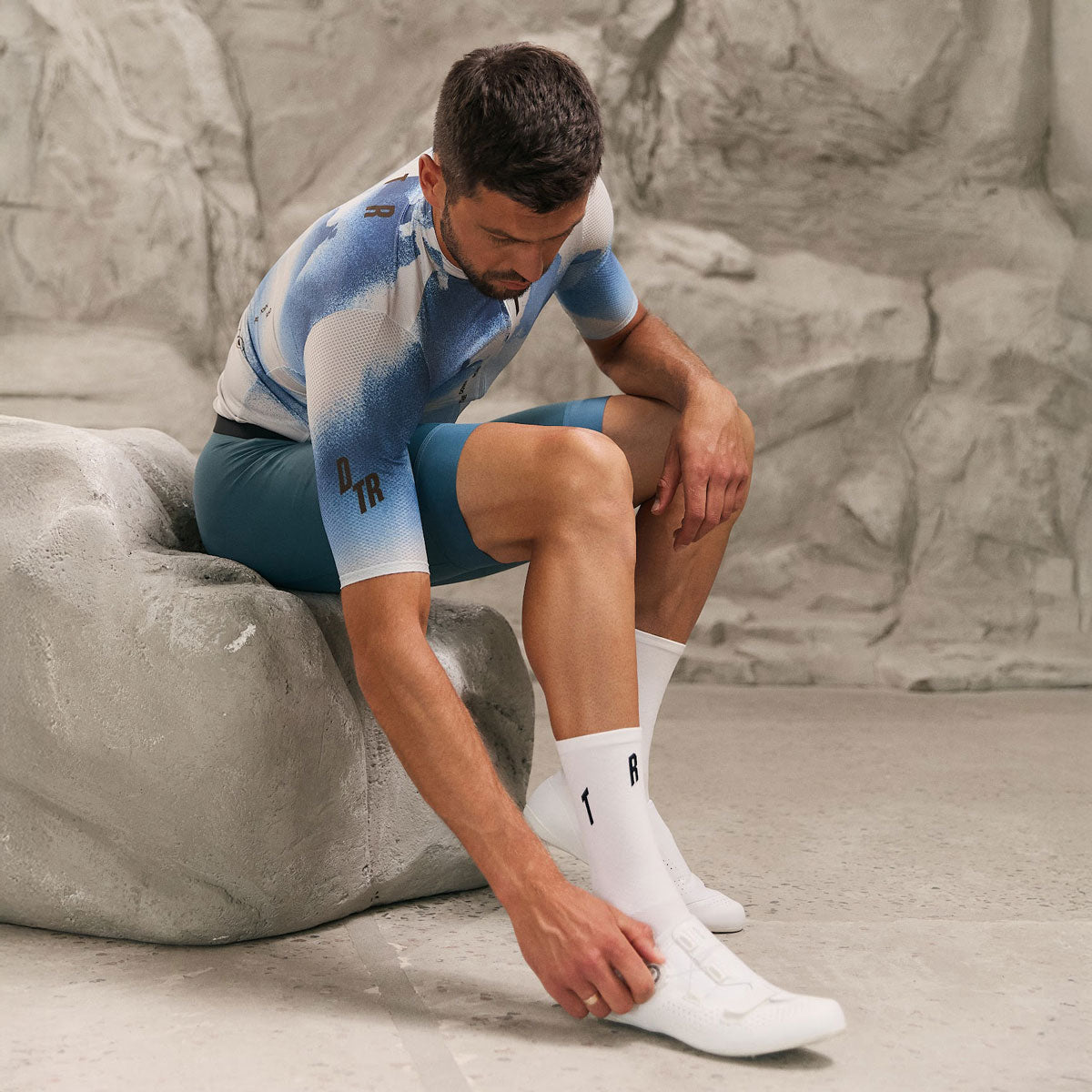
Bib shorts. The decision that matters most. Over twelve hours, a multi-density chamois earns its place by supporting you where pressure sits without adding bulk — more density does not mean more thickness. Many riders bring a second pair for the halfway point. See the best bib shorts for long rides, chamois density explained and the full bib shorts range.
Base layer. Wear one even in summer, so you do not start each descent in a wet jersey. See the base layers.
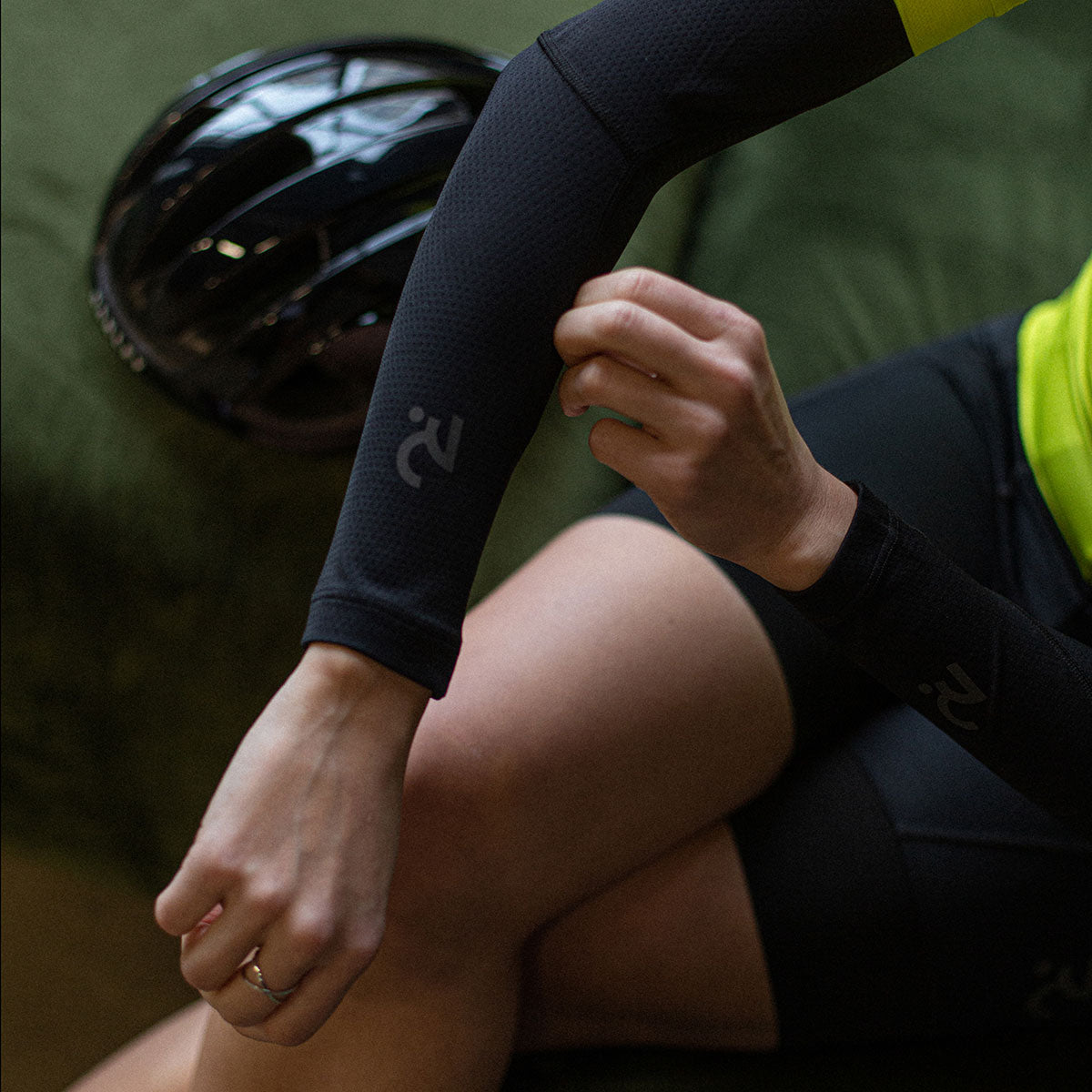
Arm and leg warmers. On at the top, off at the bottom, no stopping to unpack. Browse the arm and leg warmers.
Windbreaker or gilet. Lives in a rear pocket and comes out for descents and the night hours; what to wear on mountain descents explains why. See windbreakers.
Cap and lights. A cap under the helmet holds warmth after dark. Bring more battery than you think you need.
Where do attempts usually fall apart?
Rarely on fitness. Starting too fast is the most common cause, then under-eating early, getting cold on descents, a hill with a bad descent, and saddle discomfort left unmanaged — chamois choice, a spare pair and regular time out of the saddle all help, and chafing prevention is worth a read beforehand. Then there is no plan for darkness: stage lights, batteries and warm layers where you can reach them.
FAQ
How much climbing is an Everesting? 8,848 metres on a single hill in one ride.
Can you sleep during an attempt? No. You can rest, but sleeping ends the attempt.
Can you stop for food or a kit change? Yes, as long as the ride stays one continuous activity.
Is Half Everesting recognised? Yes, at 4,424 metres under the same single-hill rules.
Does it have to be outdoors? No. Virtual attempts are recognised separately.
How is it verified? By submitting the GPS file from the ride.
Kit and carry for a full day of repeats: DTR cycling accessories.
DTR — performance cycling and triathlon apparel, designed and developed in Ukraine.

Leave a comment
This site is protected by hCaptcha and the hCaptcha Privacy Policy and Terms of Service apply.