

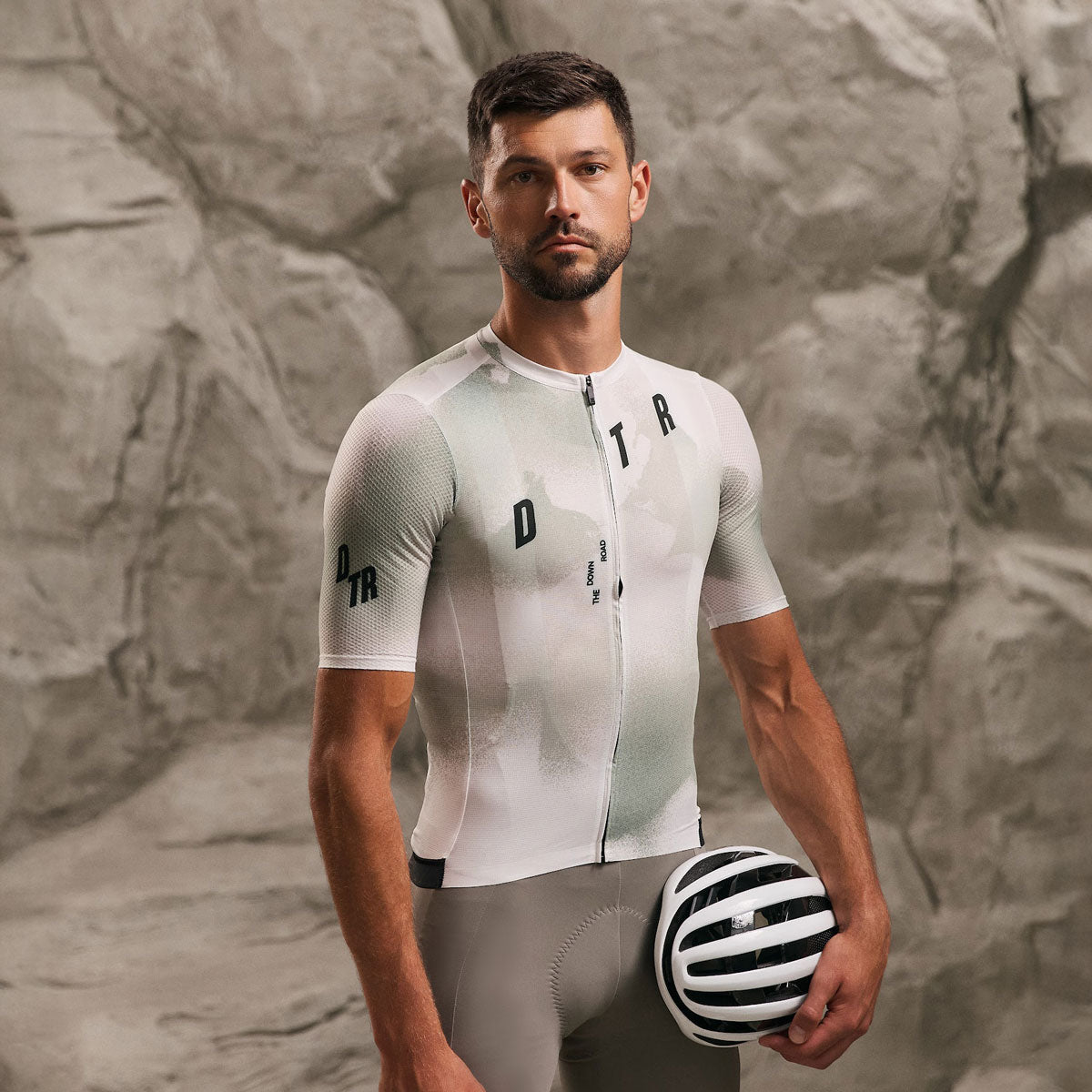
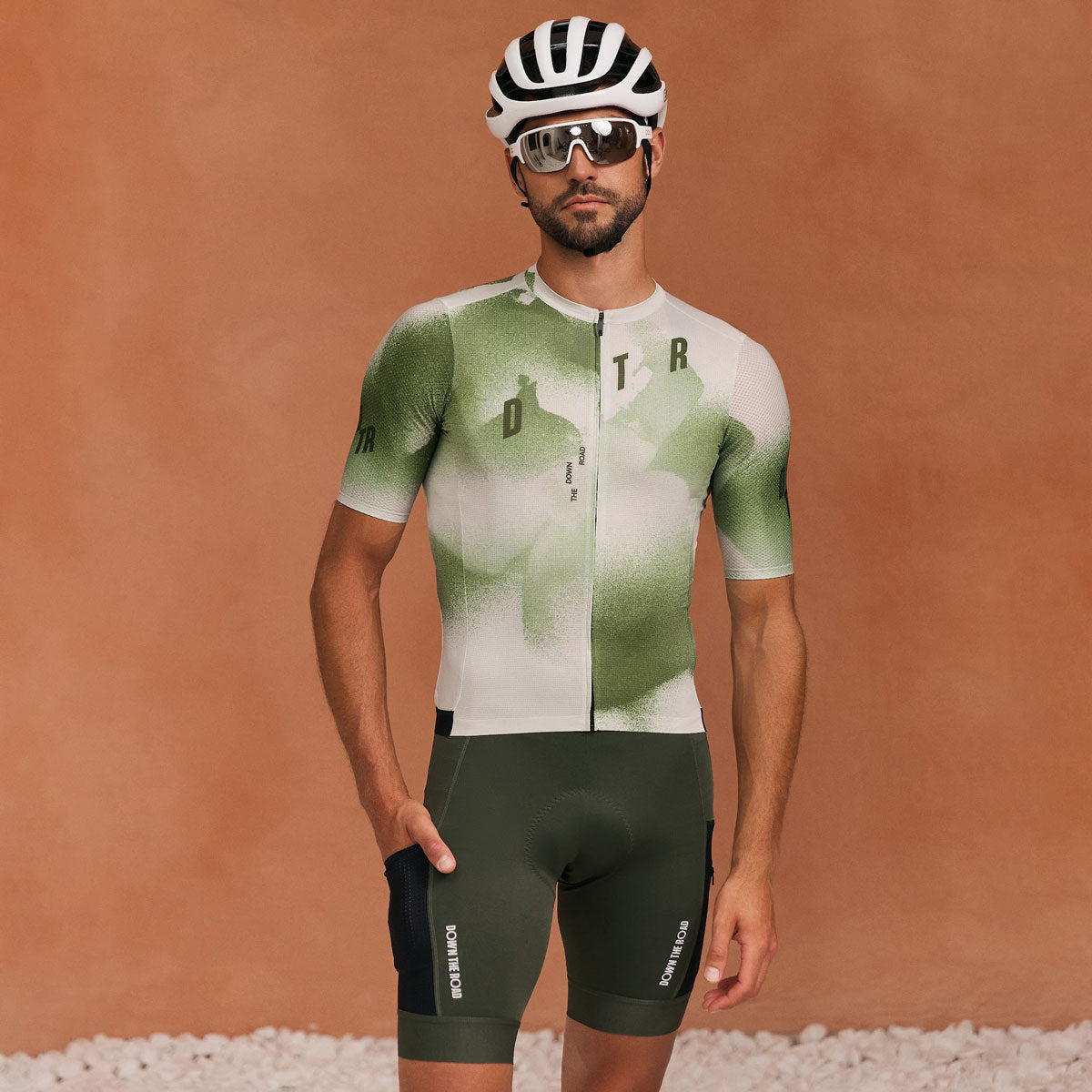
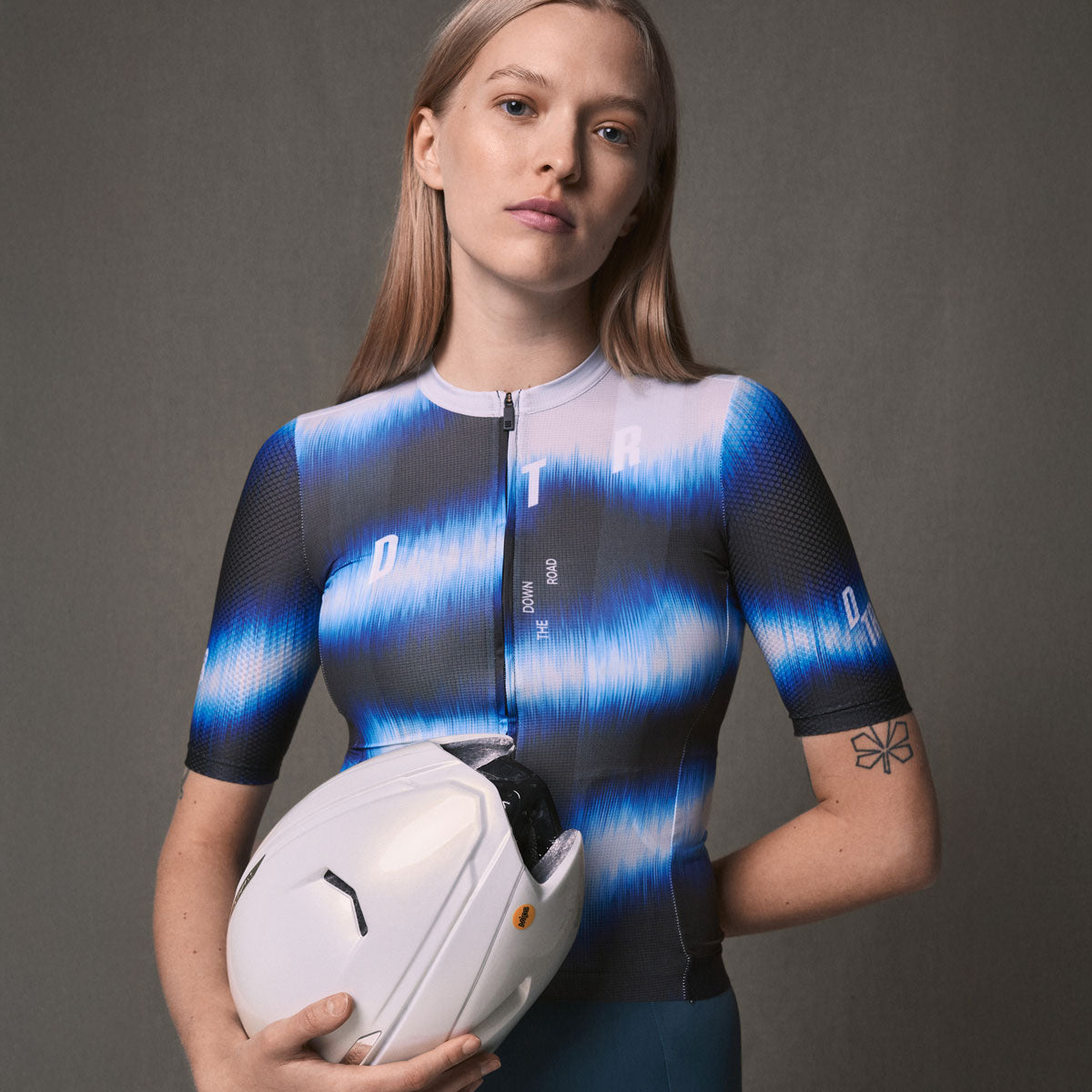
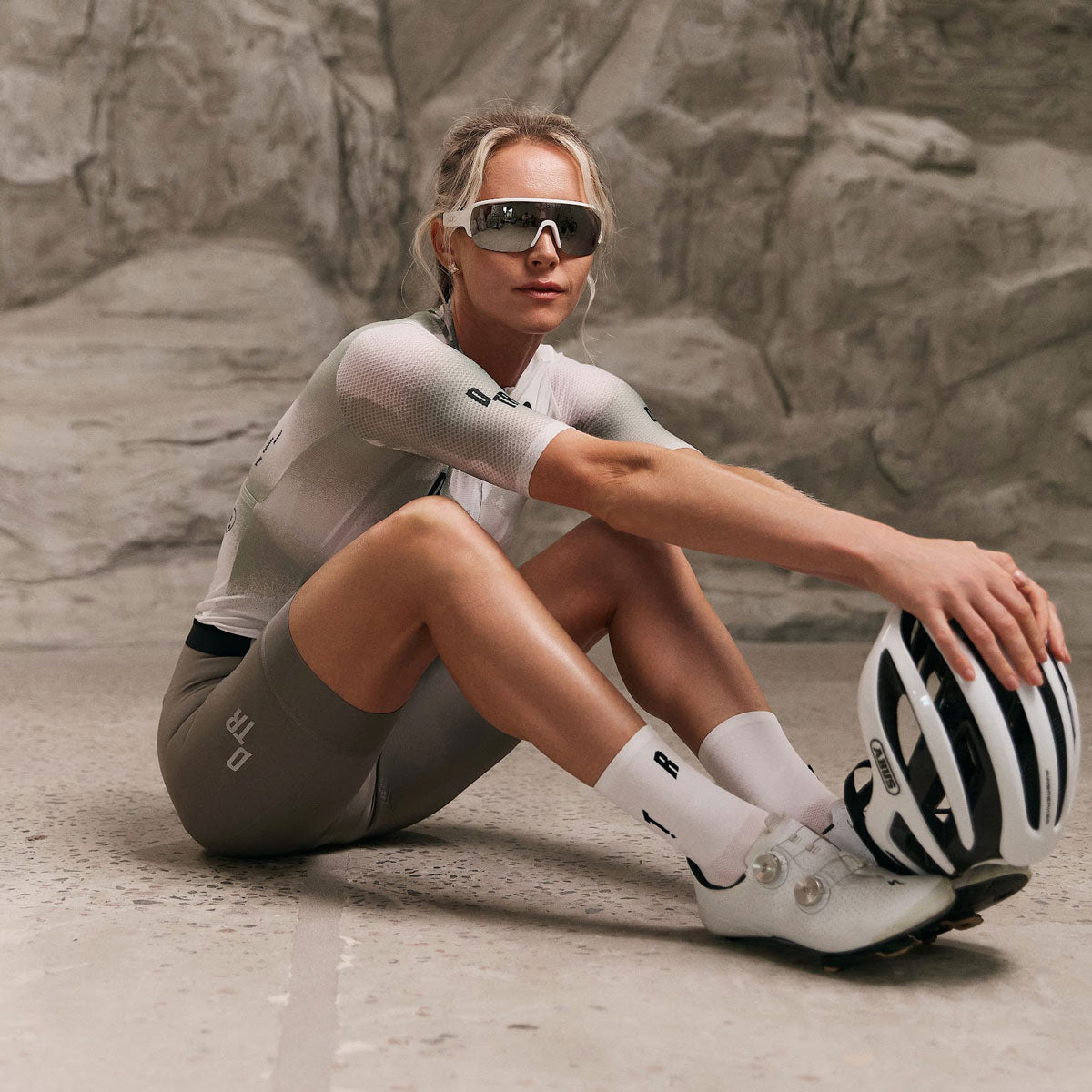
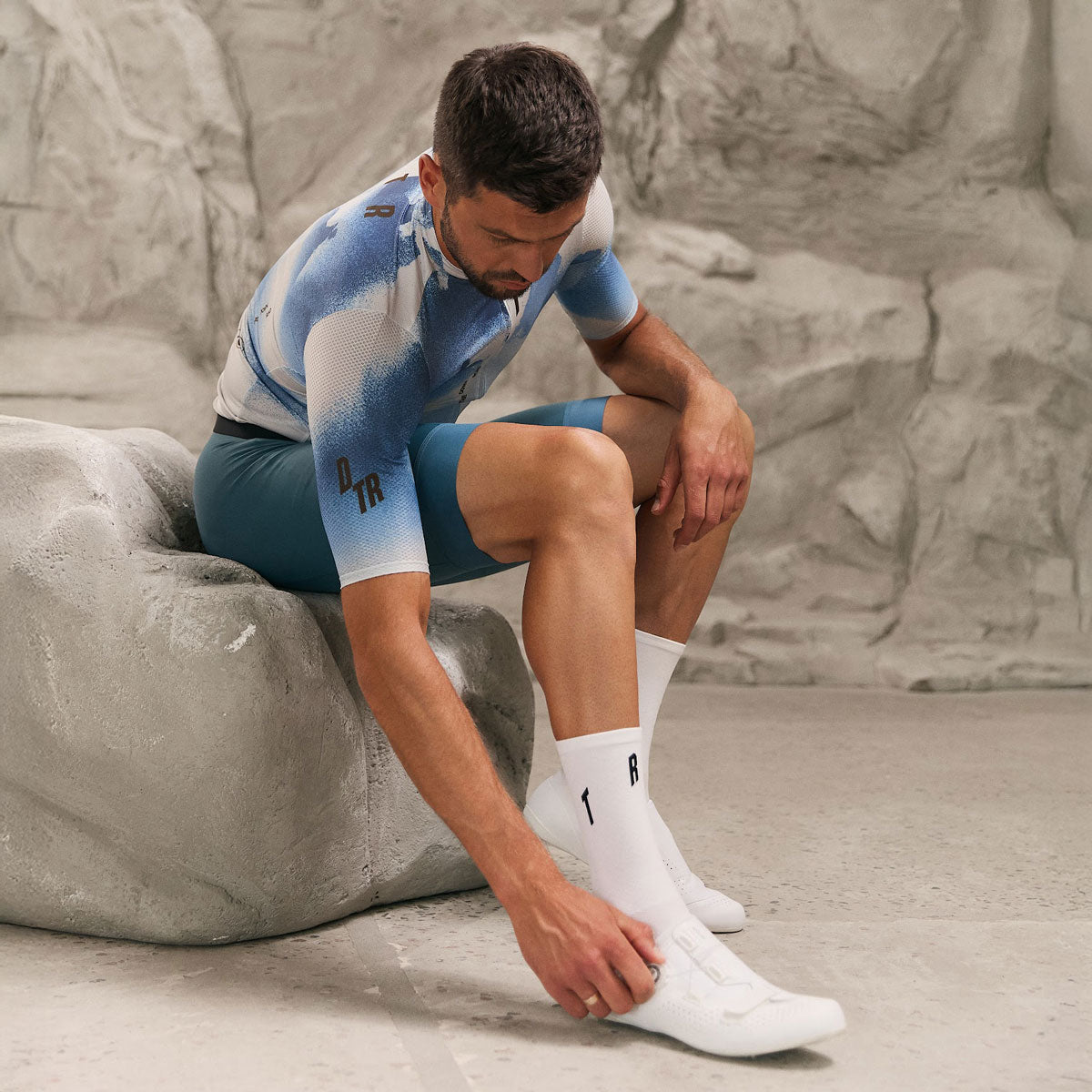
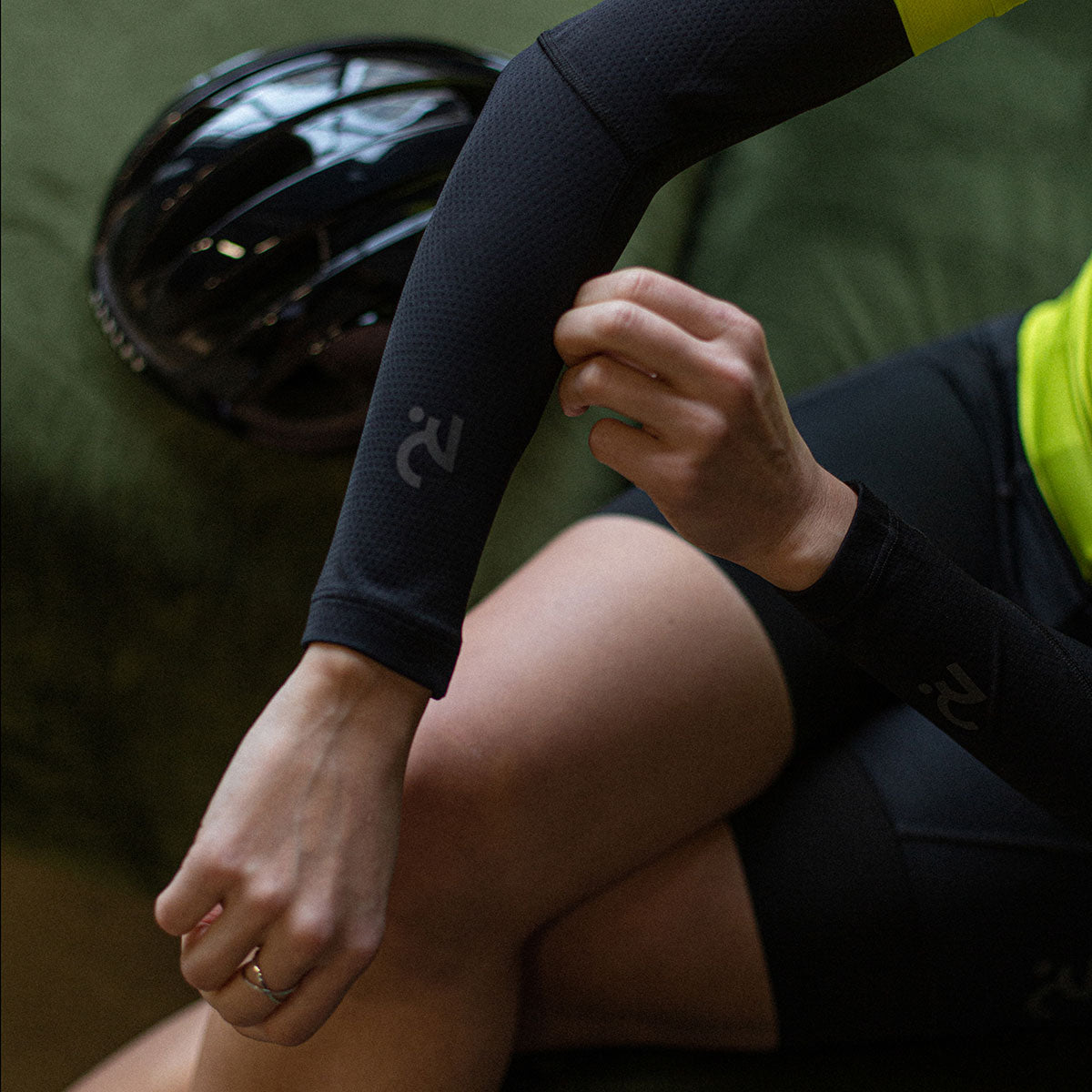
The best cycling shorts for long distance rides are bib shorts built around four things: a multi-density chamois calibrated for hours in the saddle, a fit that stays put over time, a breathable four-way-stretch fabric, and leg grippers that hold without cutting in. Brand names and price tags matter far less than getting those four right for the way you ride. This guide covers what actually makes a pair good over long distances, a fair comparison of the criteria that matter, and how to match one to your kind of long ride.
What a long ride asks of a bib short
A one-hour ride forgives a mediocre bib short; a five-hour ride does not. Over long distances, small problems compound: a chamois that felt fine at hour one bottoms out by hour four, a gripper that was slightly tight starts to bite, a seam you never noticed becomes a hot spot. The bib short is the single piece of kit in constant contact with your body and the saddle for the whole ride, so it decides — more than any other garment — whether you finish comfortable or count down the last hour.
The demands are specific. Long rides need a pad that supports without collapsing, a fit that doesn't shift as you fatigue and move on the saddle, fabric that manages heat and sweat over hours, and enough durability to hold its shape wash after wash. Get those right and the bib short disappears; get them wrong and it's all you think about.
The four things that decide long-ride comfort
1. The chamois — density, not thickness
The pad is the heart of a long-ride bib short, and the most misunderstood part. The instinct is to buy the thickest, softest pad, but thickness is the wrong target. A thick, soft chamois feels plush in the shop and bottoms out under body weight over hours — the foam collapses flat, offers no real support, and the extra bulk bunches and chafes. What matters is density: foam firm enough to support your sit bones without collapsing, calibrated to the pressure points of the riding position. For long rides specifically, a multi-density chamois is the standard worth caring about — firmer foam under the sit bones for support, softer foam around it for flex. Look for a pad calibrated for the forward, seated position of endurance riding, with minimal seaming through the sit-bone area, and quick-dry construction if you ride in the wet.
2. Fit — the pad only works if it stays put
The best chamois in the world fails in a badly-fitting short. A pad only supports you if it stays in constant, exact contact with your body — no shifting, no gaps — and that's down to the fit. Three things matter over long distances: bib straps that hold the short in place without pulling it out of position or digging into the shoulders as you fatigue; rise (the distance from crotch seam to the top of the bib) high enough that the chamois stays put when you're low on the bars; and leg grippers that anchor the leg without cutting into the thigh — a poor gripper lets the short ride up and bunch behind the knee. A short that moves creates the friction it's meant to prevent, so fit and chamois are one system, not two features.
3. Fabric — heat, sweat and shape over hours
Over a long ride, fabric does more than you'd think. A good bib short uses a four-way-stretch technical lycra that moves with the full pedal stroke without restricting or bagging out, with compression that supports the muscles and reduces fatigue late in a ride. Breathability matters over hours — a fabric that manages heat and moisture keeps you comfortable when a cheaper blend would leave you soaked. Fabric weight is a trade-off: lighter (under ~170gsm) for warm-weather long rides, heavier (200gsm+) for durability and cooler conditions.
4. The details that matter at hour four
Small things separate a good long-ride short from a great one. Flatlock seams lie flat against the skin so no ridge chafes over hours. Leg length and a wide, textured gripper keep everything anchored. And for self-supported long rides, an integrated cargo pocket option carries nutrition without a bulging jersey — the same chamois and fit, just more storage.
Comparison: what to look for over long distances
A fair way to choose is by the criteria, not the brand. Here's what actually matters for long rides and why:
| Criterion | What to look for | Why it matters on a long ride |
|---|---|---|
| Chamois | Multi-density, calibrated to the riding position; minimal sit-bone seams | Supports without bottoming out over hours; prevents pressure points |
| Density vs thickness | Firm, supportive foam — not thick and soft | A soft pad collapses flat under load and chafes |
| Fit & rise | Straps that hold; rise high enough to keep the pad in place | The pad only works if it stays in exact contact |
| Leg grippers | Wide, textured silicone that holds without biting | Stops the short riding up and bunching behind the knee |
| Fabric | Four-way stretch, breathable, supportive compression | Manages heat and sweat; reduces late-ride fatigue |
| Seams | Flatlock throughout | Raised seams become hot spots at hour four |
| Storage (optional) | Cargo pockets for self-supported rides | Carries nutrition without overloading jersey pockets |
| Durability | Holds chamois density and fabric compression wash after wash | A pad that packs out is a common, overlooked cause of pain |
Matching the bib to your kind of long ride
"Long ride" means different things, and the best choice shifts with it:
- Endurance road rides (3–6 hours): a road bib short with a multi-density endurance chamois and supportive compression is the core choice — built for hours in a seated position.
- Gravel, bikepacking and self-supported days: a cargo bib short adds integrated thigh pockets for nutrition and kit, with the same chamois and fit as a road bib. More storage, no loss of comfort.
- Hot long rides: prioritise a lighter, more breathable fabric and a quick-dry pad; too much fabric and padding cooks you over hours in the sun.
- Cold or winter long rides: once it's consistently below ~8°C, thermal bib tights take over from shorts-plus-warmers, insulating the whole leg for sustained cold.
Common mistakes buying bib shorts for long rides
- Chasing thickness. The plush pad that feels best in the shop is often the worst at hour four. Density and shape beat depth.
- Ignoring fit. A great pad in a loose short shifts and chafes. Assess fit on the bike, in the riding position, not standing upright.
- Wearing underwear underneath. Bib shorts are designed to be worn directly against the skin; underwear adds seams that cause the exact chafing the pad prevents.
- Keeping a dead pair too long. When the foam stops rebounding and the fabric loses its compression, comfort goes with it — a packed-out pad is a common, overlooked cause of saddle pain.
- One pair for everything. A hot-weather race short and a winter endurance setup are different tools; match the short to the ride.
Looking after them (longevity is part of comfort)
A long-ride bib short stays comfortable longer if you look after it. Wash cold on a gentle cycle after every ride, with no fabric softener — softener clogs the foam and degrades the grippers and lycra. Air dry, never tumble on high heat. Use chamois cream on the longest rides to cut friction where the pad meets skin. And replace the short when the foam no longer rebounds: a dead pad undoes everything that made it good when new.
Where DTR fits
Judged against those criteria, DTR bib shorts are built around an anatomical multi-density chamois calibrated for the pressure points of the riding position, a supportive fit with wide leg grippers, and a breathable four-way-stretch fabric with flatlock seams — the things that decide comfort over long hours. The range covers road endurance bibs, cargo bibs for self-supported days, and women's-specific versions with their own chamois geometry and strap construction. Whichever criteria matter most for your riding, compare the options in the DTR bib short range. (For the deep dive on pads, see our guide on chamois density.)
FAQ
What are the best cycling shorts for long distance rides? The ones with a multi-density chamois calibrated for the riding position, a fit that stays put, breathable four-way-stretch fabric and grippers that hold without biting. Density and fit matter far more than thickness or brand.
How thick should the chamois be for long rides? Thickness is the wrong measure — density and shape matter more. A firm, multi-density pad supports your sit bones over hours; a thick, soft one bottoms out and chafes.
Do I need cargo bibs for long rides? Only if you're self-supported and need to carry nutrition and kit. Cargo bibs add thigh pockets with the same chamois and fit as a road bib. For supported long rides, a standard road bib is all you need.
How many pairs do I need for long-distance riding? At least two, so you always have a clean, dry pad while the other washes. A packed-out pad causes pain, so rotating and replacing them matters.
Should long-ride bib shorts be tight? Firm and supportive, yes — compression reduces fatigue and keeps the pad in place — but not so tight they restrict circulation. Assess the fit in the riding position, not standing.
The bottom line
The best cycling shorts for long distance rides aren't about a badge — they're about a multi-density chamois that supports without bottoming out, a fit that keeps the pad exactly where it belongs, breathable supportive fabric, and grippers and seams that don't chafe at hour four. Match those to your kind of long ride, look after them, and replace them when the pad dies. Compare the options across the DTR bib short range.
—
DTR — performance cycling and triathlon apparel, designed and developed in Ukraine.

Leave a comment
This site is protected by hCaptcha and the hCaptcha Privacy Policy and Terms of Service apply.