

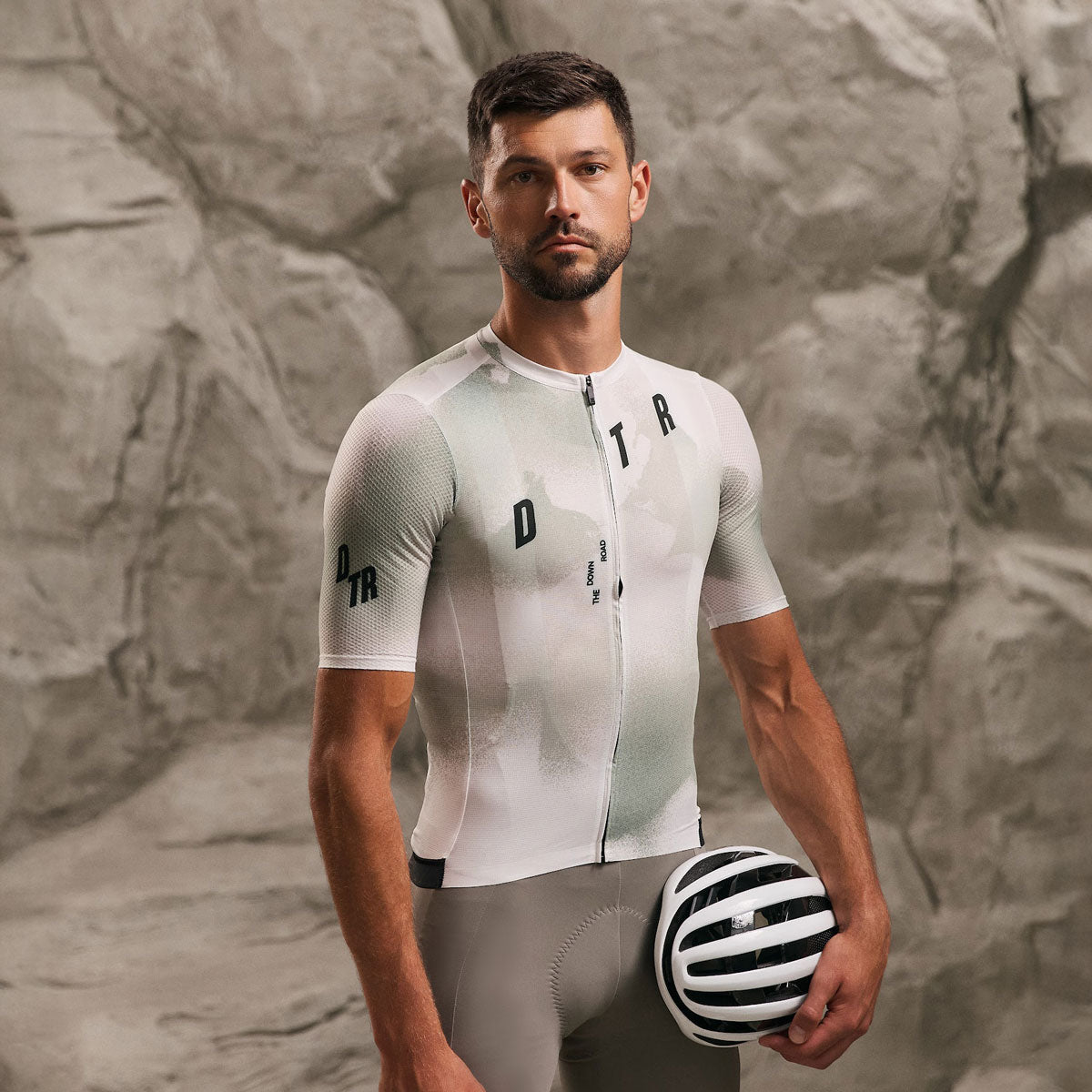
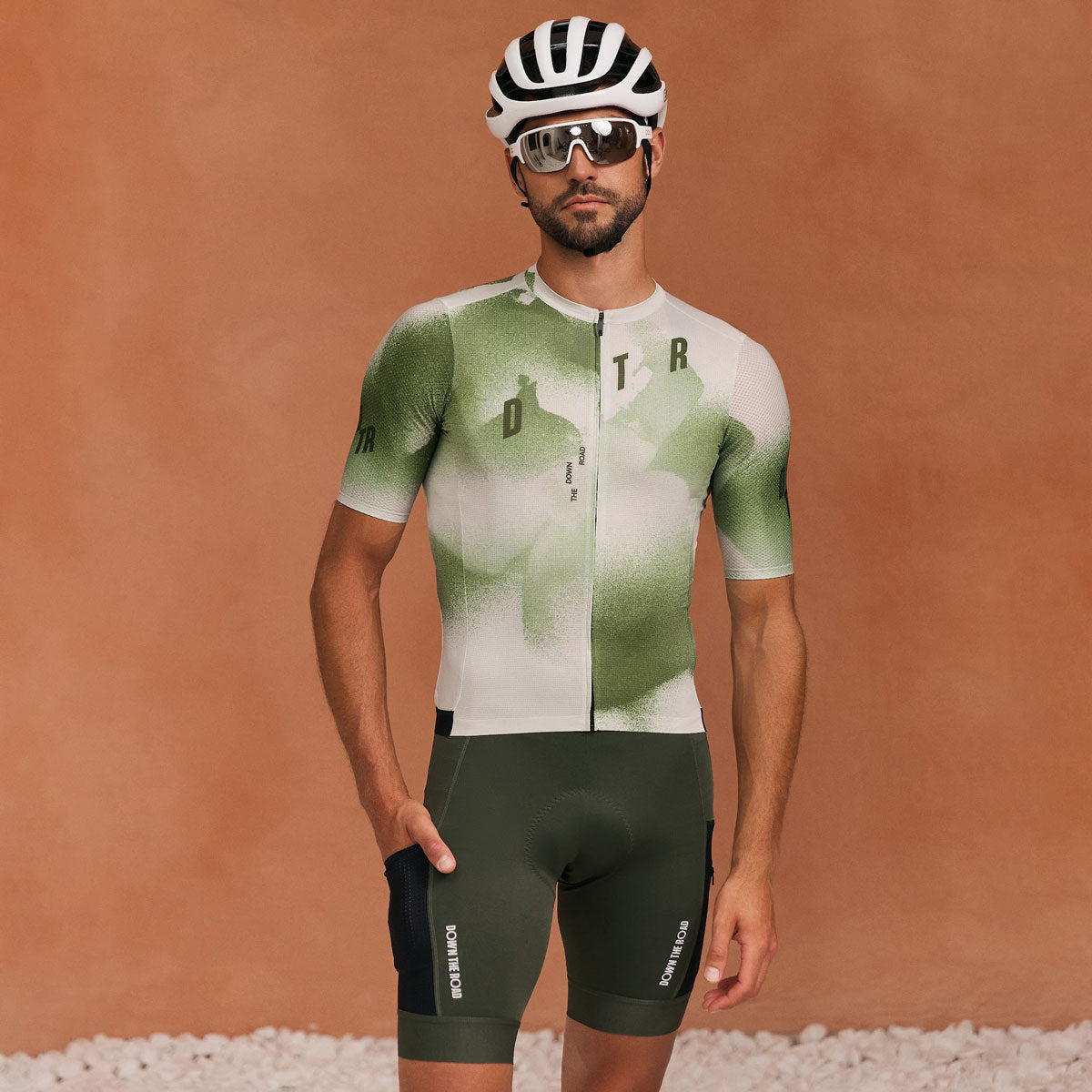
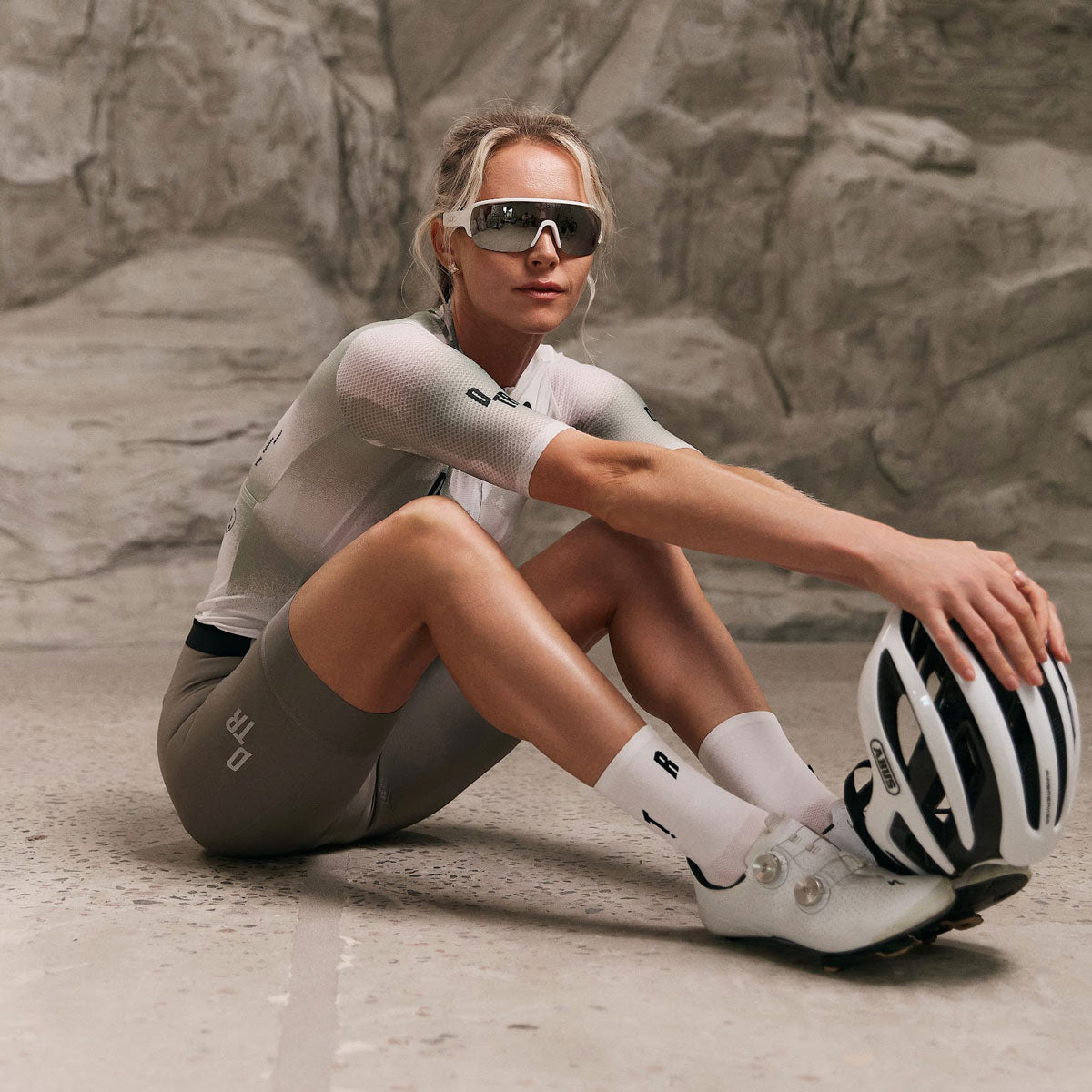
Thermal bib tights are the foundation of a winter cycling kit: a one-piece, fleece-lined, full-length bib with the chamois built in, made for sustained cold below about 8°C. Choosing a good pair comes down to the chamois, the fleece lining and fabric warmth, wind protection at the front, and a fit that stays put over long cold hours. This guide covers what to look for, and when tights beat bib shorts plus leg warmers.
What thermal bib tights are
Thermal bib tights are full-length bibs — think bib shorts extended to the ankle — with a brushed or fleece inner that traps warm air against the skin, and the same integrated chamois as a bib short. They replace your shorts entirely in winter, so you're not layering leg warmers over bibs; the coverage is continuous from waist to ankle. Most add a wind-resistant front panel where the cold hits hardest. Below about 8°C, and especially in wind or on long rides, they're warmer, simpler and more comfortable than bibs-plus-warmers.
1. The chamois
Because tights are a winter endurance piece, the chamois matters as much as in any bib short — you're in the saddle for hours in the cold. Look for the same multi-density chamois you'd want in a good bib short: firmer foam under the sit bones for support, softer around it, calibrated to the riding position. A cheap pad in warm tights still leaves you sore on a long winter ride. Density and shape matter more than thickness.
2. Fleece lining and fabric warmth
The defining feature of thermal tights is the brushed or fleece inner that insulates. Warmth comes from that trapped air, not from bulk, so a good thermal fabric is warm without being stiff. Match the warmth to your climate: a mid-weight thermal covers most of winter down to freezing, while a heavier winter-specific fabric is for consistent deep cold. In milder cold (around 8°C), a lighter thermal or roubaix-style fabric is enough.
3. Wind protection
Moving air strips warmth far faster than still air, and your shins and knees take the brunt on descents. A wind-resistant front panel makes a big difference in real cold — it blocks the wind chill where you hit it hardest while keeping the back breathable so you don't overheat climbing. For very cold or exposed riding, prioritise a windproof front; for milder or high-effort winter riding, a fully breathable thermal can be better.
4. Fit and length
Tights only work if they stay put over long hours. Look for:
- Bib straps that hold without digging in as you fatigue.
- A close fit through the leg — a loose thermal traps less warm air and bunches behind the knee.
- Ankle cuffs that sit cleanly under overshoes without riding up.
- Flatlock seams to prevent chafing over a long cold ride.
A four-way-stretch fabric that moves with the pedal stroke keeps the warmth continuous without restricting you.
Thermal bib tights vs bib shorts plus leg warmers
This is the real winter decision. Bib shorts plus leg warmers cover roughly 8–16°C and let you strip a layer mid-ride — flexible for changeable days. Thermal bib tights take over below about 8°C, where continuous coverage, a fleece lining and a windproof front simply keep you warmer than a bare short with warmers over it. If your winter riding is consistently cold, tights are the more comfortable, simpler tool; if it's changeable and milder, bibs-plus-warmers stay more versatile. Most riders own both. (For that comparison in full, see our guide on leg warmers vs bib tights.)
Bib tights with or without a pad?
Most thermal bib tights include the chamois, so you wear them exactly like bib shorts — directly against the skin, no shorts underneath. Some winter riders use unpadded thermal tights over their normal bib shorts for flexibility, but a dedicated padded thermal bib tight is warmer and more comfortable for cold rides. Never wear underwear or a second pad underneath a padded tight.
Care
Thermal tights last longer with care. Wash cold on a gentle cycle, no fabric softener (it clogs the chamois foam and flattens the fleece), and air dry — never tumble on heat, which kills the brushed inner. Looked after, a good pair sees several winters.
FAQ
When should I switch from leg warmers to thermal bib tights? Around 8°C. Above it, bib shorts and leg warmers give adjustable warmth; below it, thermal bib tights insulate the whole leg better and block wind chill.
Do thermal bib tights have a chamois? Most do — they're a complete winter bib with the pad built in, worn directly against the skin like bib shorts. Some unpadded versions exist to layer over your own bibs.
How warm do thermal bib tights need to be? Match them to your climate: a mid-weight thermal handles most winters to freezing; a heavier winter fabric suits consistent deep cold. A wind-resistant front helps most in real cold and on descents.
Can I wear bib shorts under thermal tights? Not under a padded tight — two pads chafe. Under unpadded thermal tights, yes; that's the point of the unpadded version.
Are thermal bib tights worth it over leg warmers? Below about 8°C, yes — the continuous coverage and fleece lining are warmer and more comfortable than a short with warmers. Above that, leg warmers stay more flexible.
The bottom line
Choose thermal bib tights on the chamois, the fleece lining and fabric warmth for your climate, a wind-resistant front for the cold, and a close fit that stays put over long hours. Below about 8°C they're the foundation of a comfortable winter kit. Explore the DTR thermal bib tights range.
—
DTR — performance cycling and triathlon apparel, designed and developed in Ukraine.

Leave a comment
This site is protected by hCaptcha and the hCaptcha Privacy Policy and Terms of Service apply.