

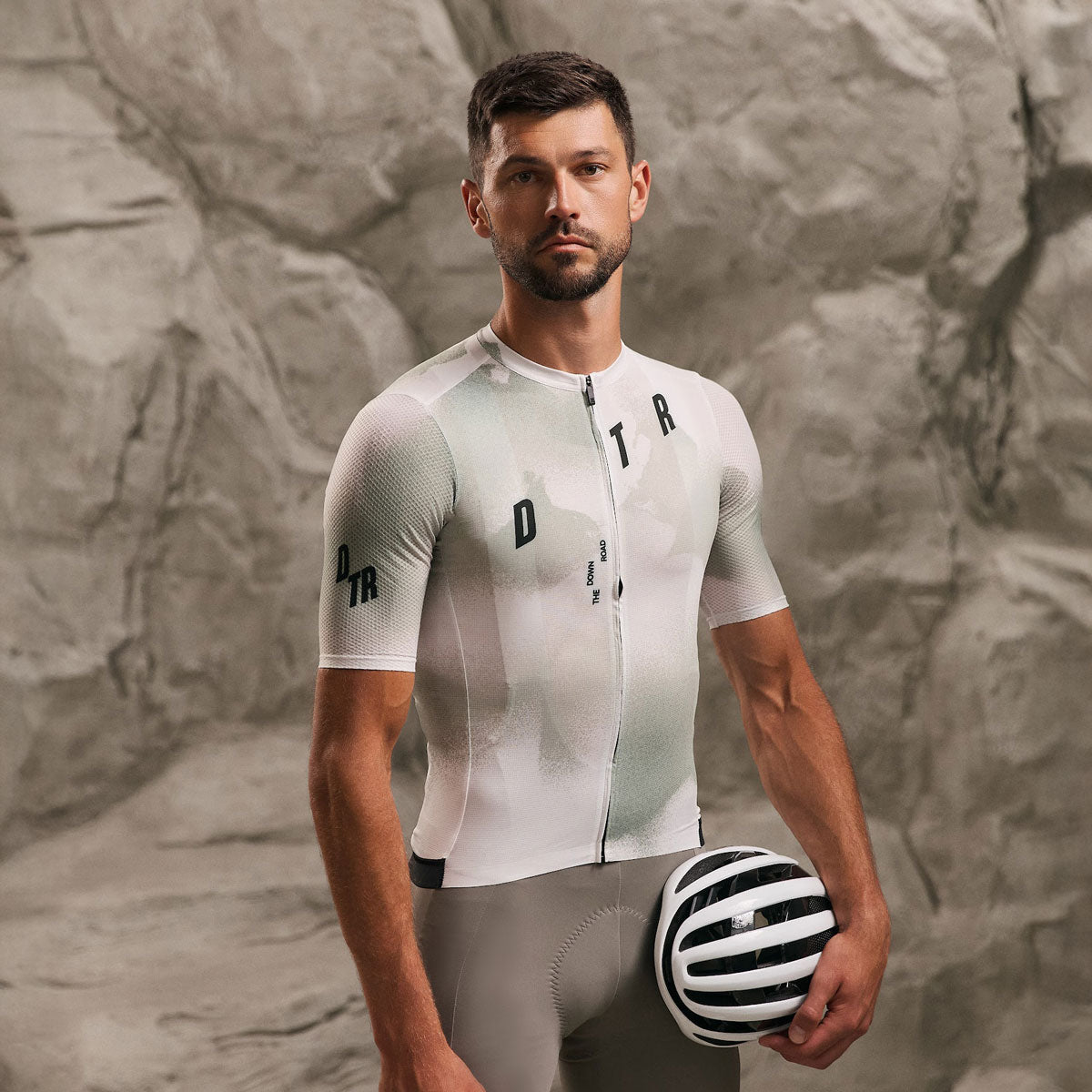
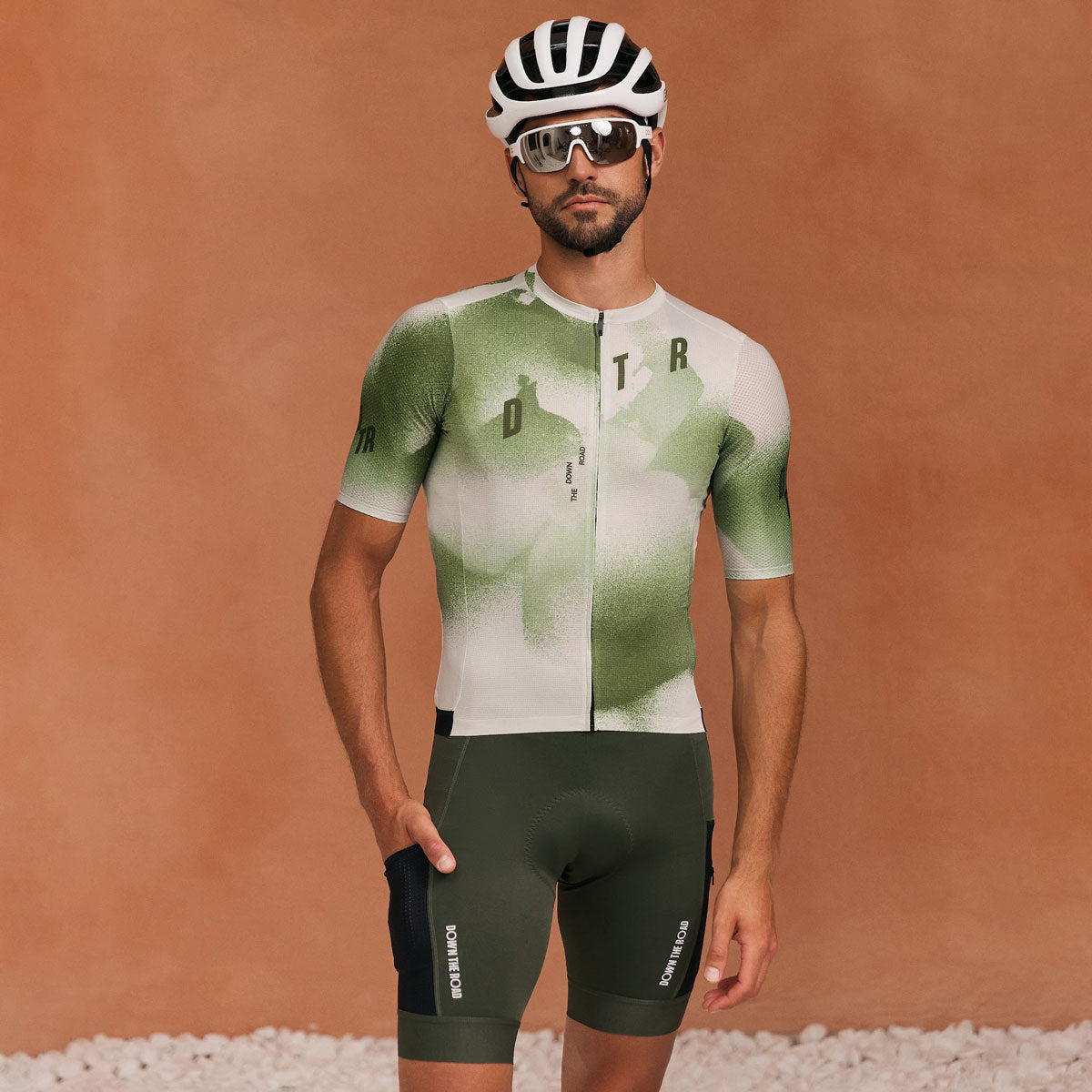
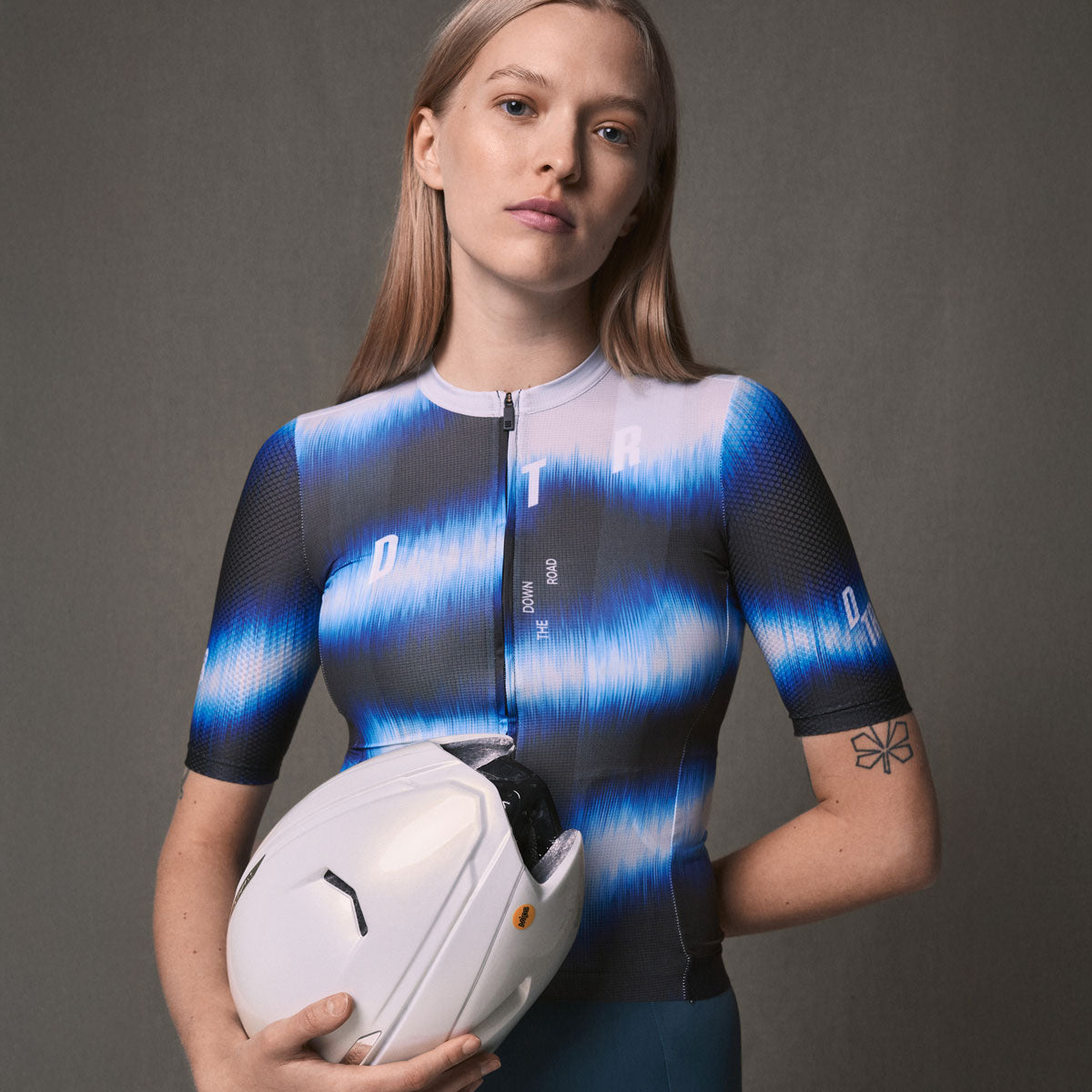
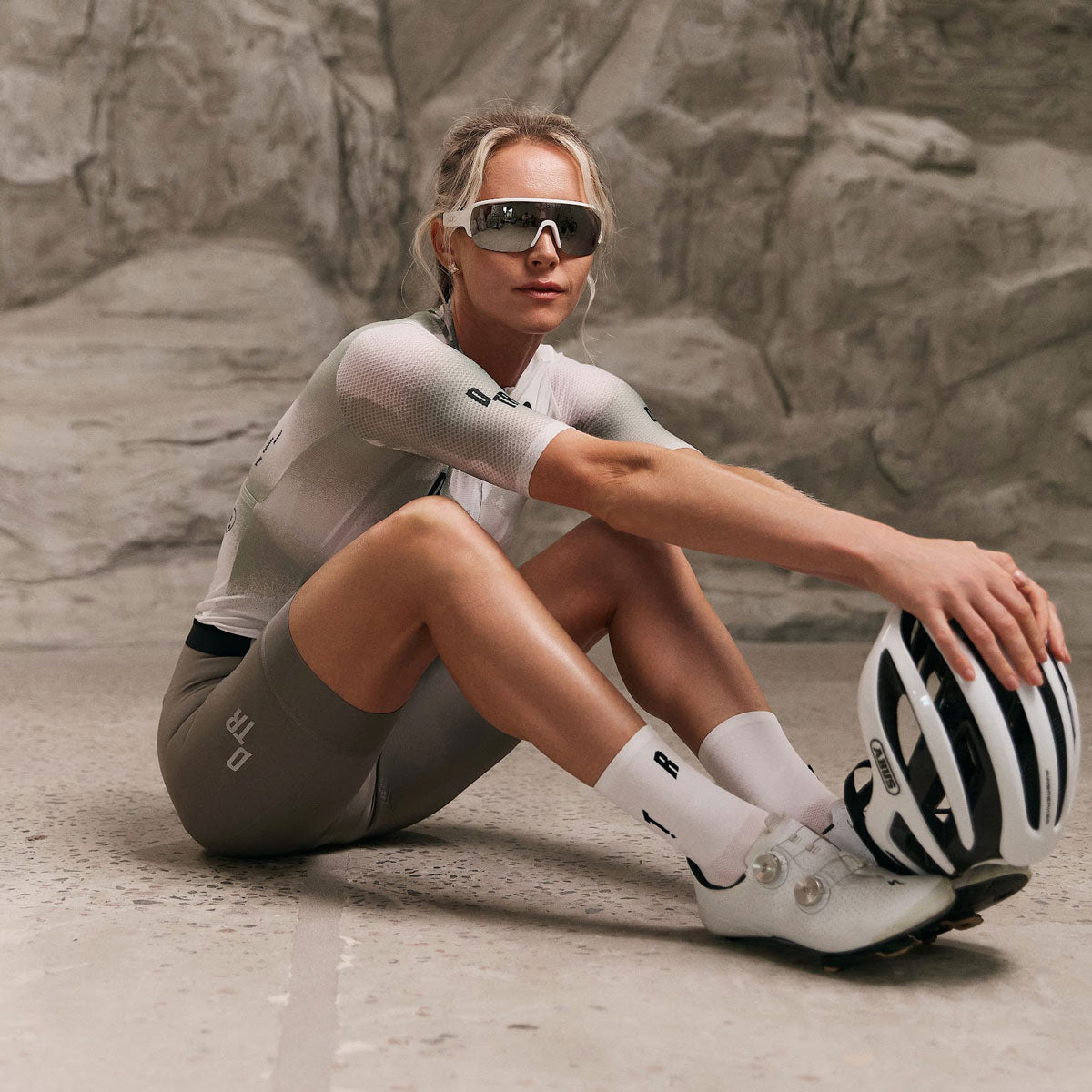
Norseman is the rare triathlon where you pack for near-freezing conditions on the first of August. The kit that works: a trisuit as your base, a technical base layer under it for the bike, packable wind protection and warmers with your support crew, and a proper warm layer for the final ascent of Gaustatoppen. This guide breaks the kit down leg by leg — 226 km and around 5,000 m of climbing in Norwegian mountain weather, whichever year you’re racing.
What makes Norseman kit different from a normal long-distance race?
Three things: a cold fjord swim instead of a lake start; a bike leg that climbs onto an exposed mountain plateau where rain, wind and single-digit temperatures are normal in August; and a support crew, which means you can change kit at the roadside — so packing options costs you nothing but planning. Kit strategy matters here as much as pacing.
How do you handle the cold-water swim?
The fjord sits in the low-to-mid teens most years, so a wetsuit is a given — most athletes add a neoprene hood, and many add earplugs and booties where the rules allow them. For the general principles of dressing under a wetsuit for a cold-water swim, see what to wear under a wetsuit. The kit decision that pays later: have a dry base layer and your bike layers laid out for T1, because you will start the bike cold and the first climb comes early. Check the current race rules for what neoprene extras are permitted.
The bike: layering over a trisuit
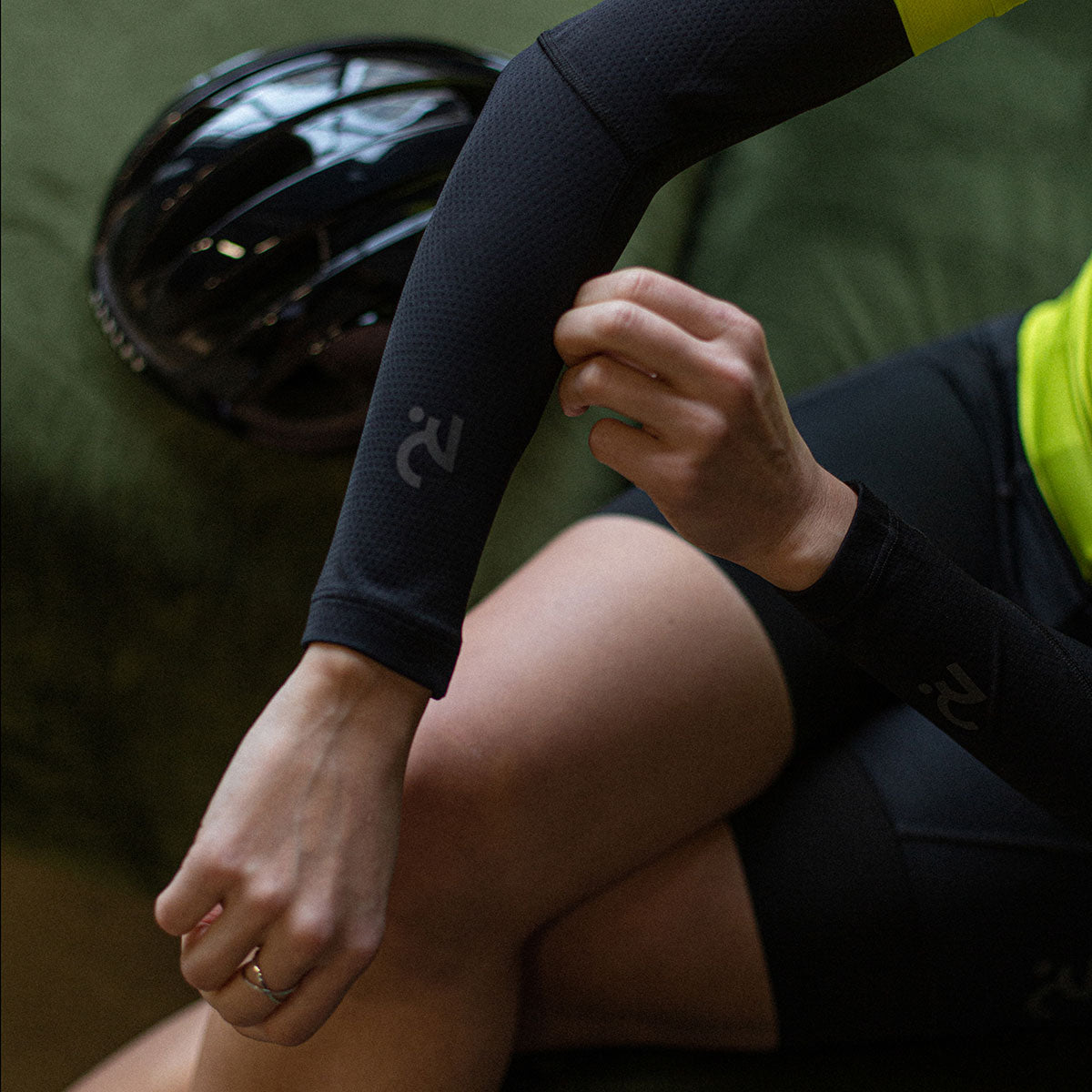
A technical base layer under the trisuit is the single highest-value piece on the Norseman bike leg — it keeps a wet chest warm across the Hardangervidda plateau in a way the trisuit alone cannot. Over it: arm warmers and a cycling vest from T1, a packable windbreaker for the long descents, and lightweight gloves. Leg warmers are a personal call — riders who run cold keep them on the whole leg.
The support car changes the maths: you don't have to guess right at T1. Brief your crew on where you'll want layers added or stripped — the top of the plateau and the start of the big descents are the usual points.
The run: from fjord valley to mountain summit
The first half is rolling valley road — normal run kit over the trisuit is enough. From Zombie Hill upwards, everything changes: the pace drops to a hike, sweat cools, and the summit weather can be winter. The race requires warm kit for the final ascent (your crew carries it — check the current rules for the mandatory list); in practice that means a base layer, a windbreaker, long bottoms, a hat and gloves. Cold legs hiking at altitude feel very different from cold legs riding.
Trisuit or two-piece for a race like this?
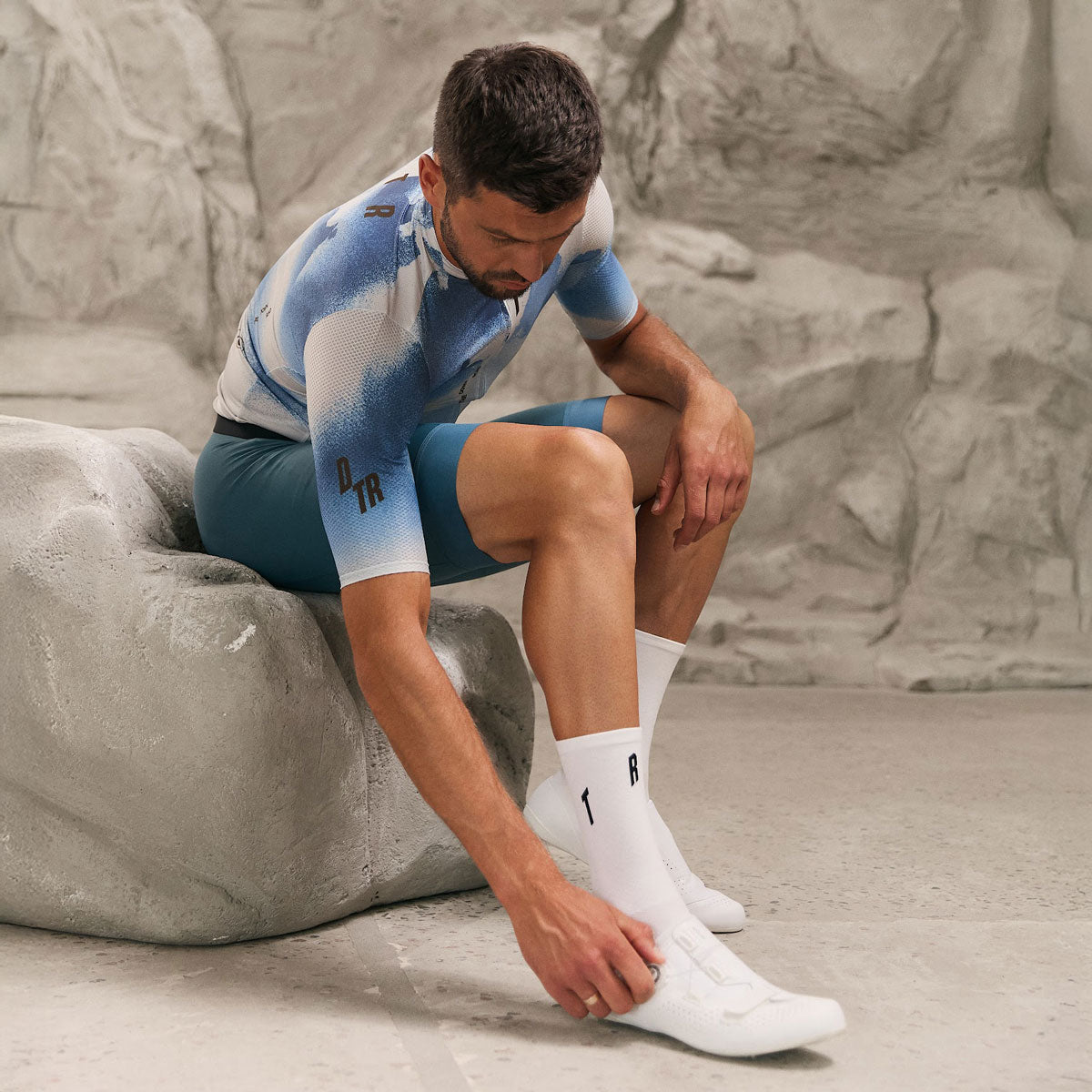
Either works; the question is changes. A sleeved trisuit adds a margin of warmth and stays put under layers all day. A two-piece makes mid-race changes easier — swapping a wet top for a dry one before the mountain is a real advantage in bad weather. Whichever you race, a multi-density chamois matters over 180 km of climbing. The DTR trisuit range covers both sleeved and sleeveless cuts.
For the full breakdown of what goes in the bags themselves, DTR’s triathlon transition kit checklist covers the same crew-supported logic race by race.
The support-crew kit list
- Dry base layers (at least two — one for the bike, one before the summit ascent)
- Arm warmers, leg warmers, cycling vest, windbreaker
- Rain shell if the forecast is wet
- Gloves ×2, warm hat, dry socks
- Full warm kit for the mandatory summit bag
- A complete dry change for after the finish — you will need it fast
FAQ
How cold is the Norseman swim? Typically low-to-mid teens Celsius in the fjord, colder some years. Wetsuit plus neoprene hood is the standard setup; acclimatise in open water before race week.
Can you change clothes during the race? Yes — Norseman is crew-supported, and roadside kit changes are part of the race. Plan them like nutrition: decide in advance where layers go on and come off.
What do you need for the summit finish? The race mandates warm kit for the final ascent — check the current rules for the exact list. Practically: base layer, windbreaker, long bottoms, hat and gloves in the crew backpack.
Is a sleeved trisuit warmer than sleeveless? Marginally, and it layers better: sleeves keep base layer and arm warmers in place and add abrasion coverage. For a cold race it's the default choice.
Start your Norseman kit from the DTR trisuit range.
DTR — performance cycling and triathlon apparel, designed and developed in Ukraine.

Leave a comment
This site is protected by hCaptcha and the hCaptcha Privacy Policy and Terms of Service apply.