

What to wear cycling to work comes down to one number: distance. Under 5 km, ride in your work clothes; between 5 and 15 km, change your top half and keep the bottoms; past 15 km, ride in full kit and change at work. This guide works through each band, the sweat problem nobody warns you about, and the small set of pieces that make commuting genuinely comfortable.
The distance rule
Distance decides everything because distance decides sweat and time. A 3 km roll generates neither; a 20 km ride generates both, and pretending otherwise is how commuters end up damp at their desk. Match your changing effort to your riding effort and the whole routine stays sustainable.
The bands aren't rigid — a hilly 6 km in July behaves like 15 km in October, and a flat tailwind cruise behaves shorter than it is. Adjust for effort, season and how hard you ride, not just the map. The point of the rule is honesty: decide what the ride will actually take out of you, then dress for that instead of hoping.
Under 5 km: ride in what you work in
At this distance the bike is transport, not training. Ride in your work clothes at a deliberately easy pace, and solve the details instead: a trouser band or clip for the drive side, a rack or basket so the bag isn't on your back, and mudguards — the single best purchase for short-distance commuting in street clothes.
The pace matters more than the outfit. Ride at conversation effort and 3 km takes twelve minutes and produces no sweat worth naming. The moment you start racing traffic lights in a wool blazer, the system breaks down.
5 to 15 km: the half-change
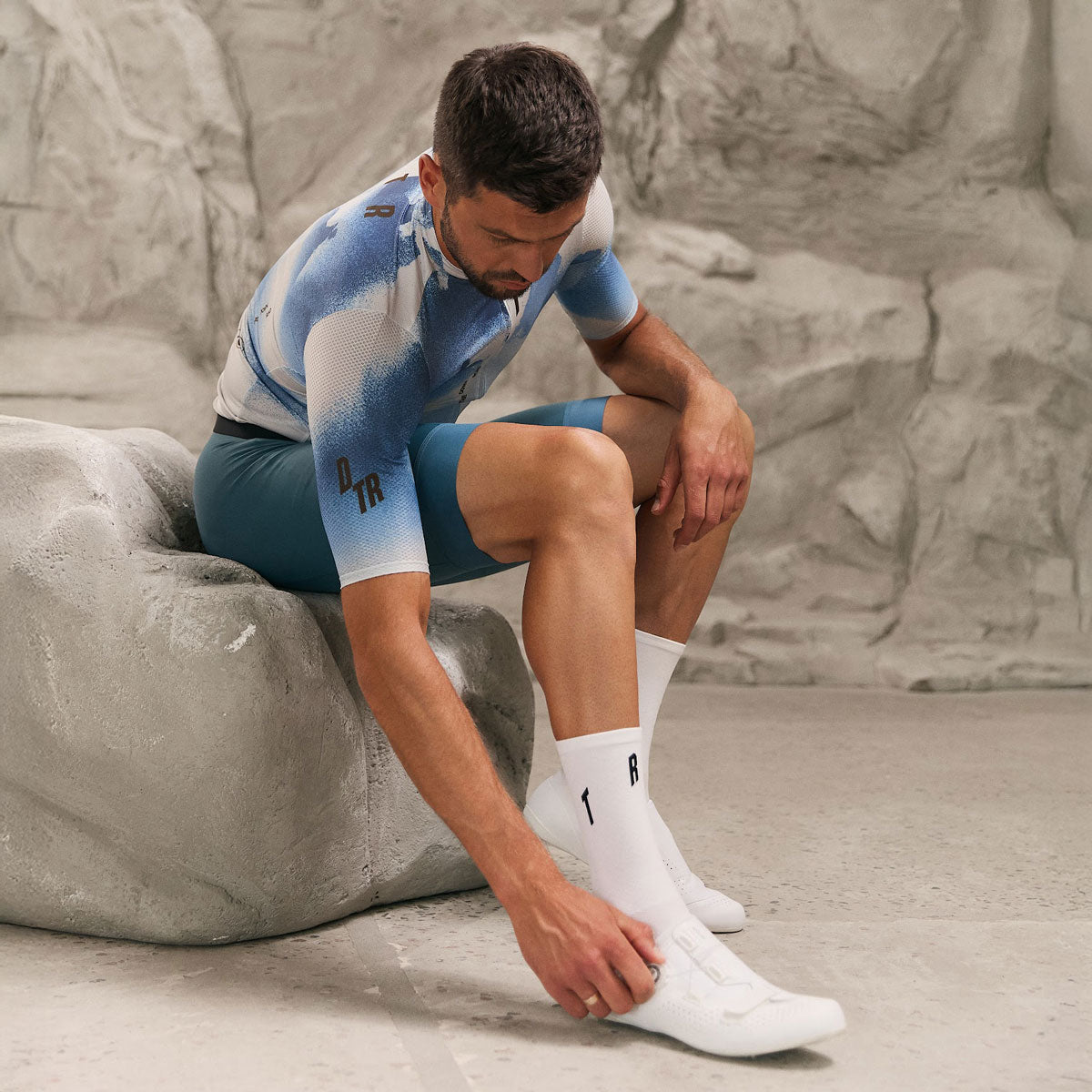
This is half-change territory: a technical top on the bike, your work shirt in the bag, work trousers throughout. The top half does nearly all the sweating; the bottom half mostly just pedals. A quick-dry technical top plus a two-minute swap in the bathroom beats a full wardrobe change you don't have time for.
Pack the work shirt rolled, not folded — fewer creases — and give it two minutes on a hanger while you cool down. A light base layer under the technical top extends this band into colder months, moving sweat off your skin so you're not clammy when you change. Padded underwear or bib shorts under loose over-trousers are optional here; by the top of the band, your sit bones will tell you.
15 km and up: full kit, change at work
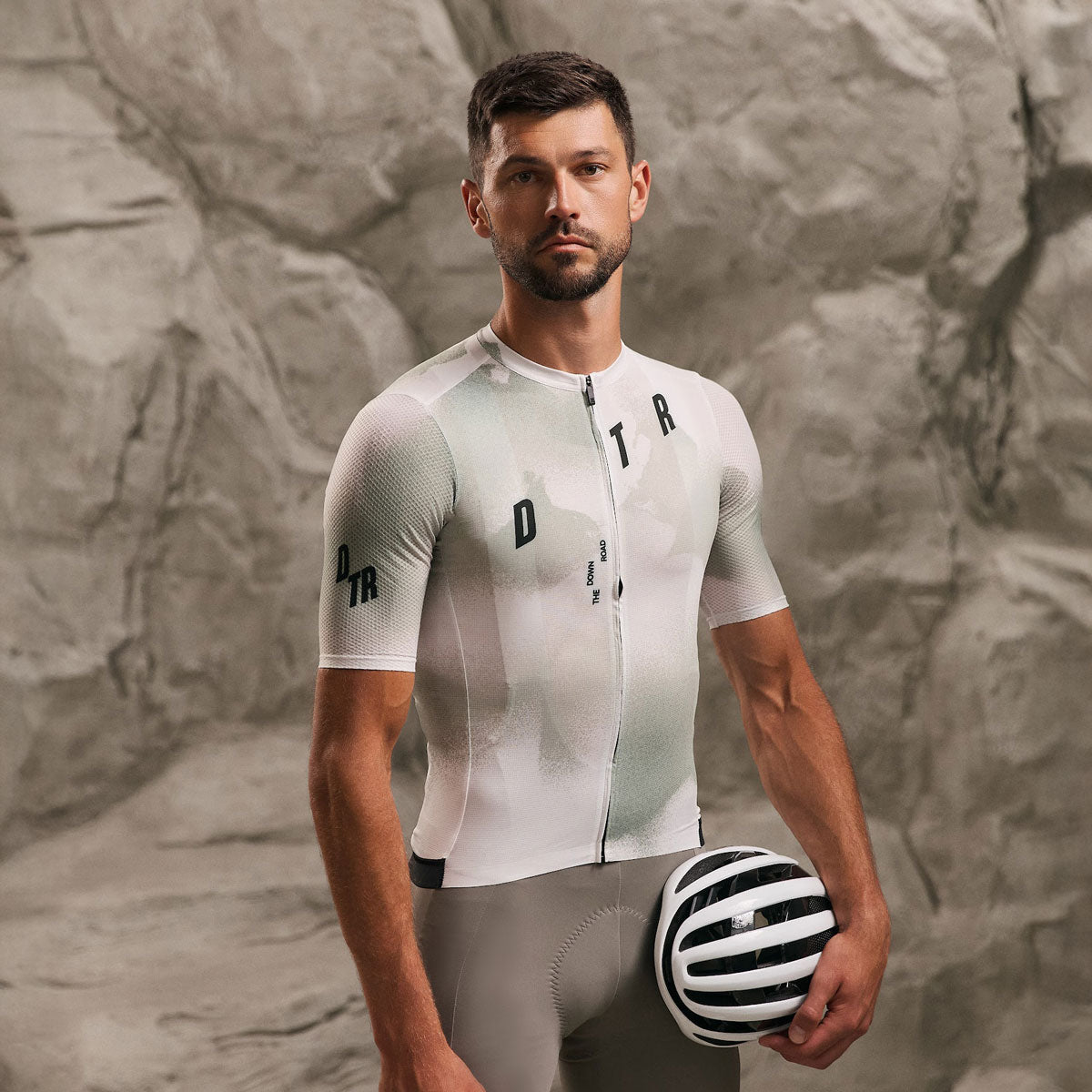
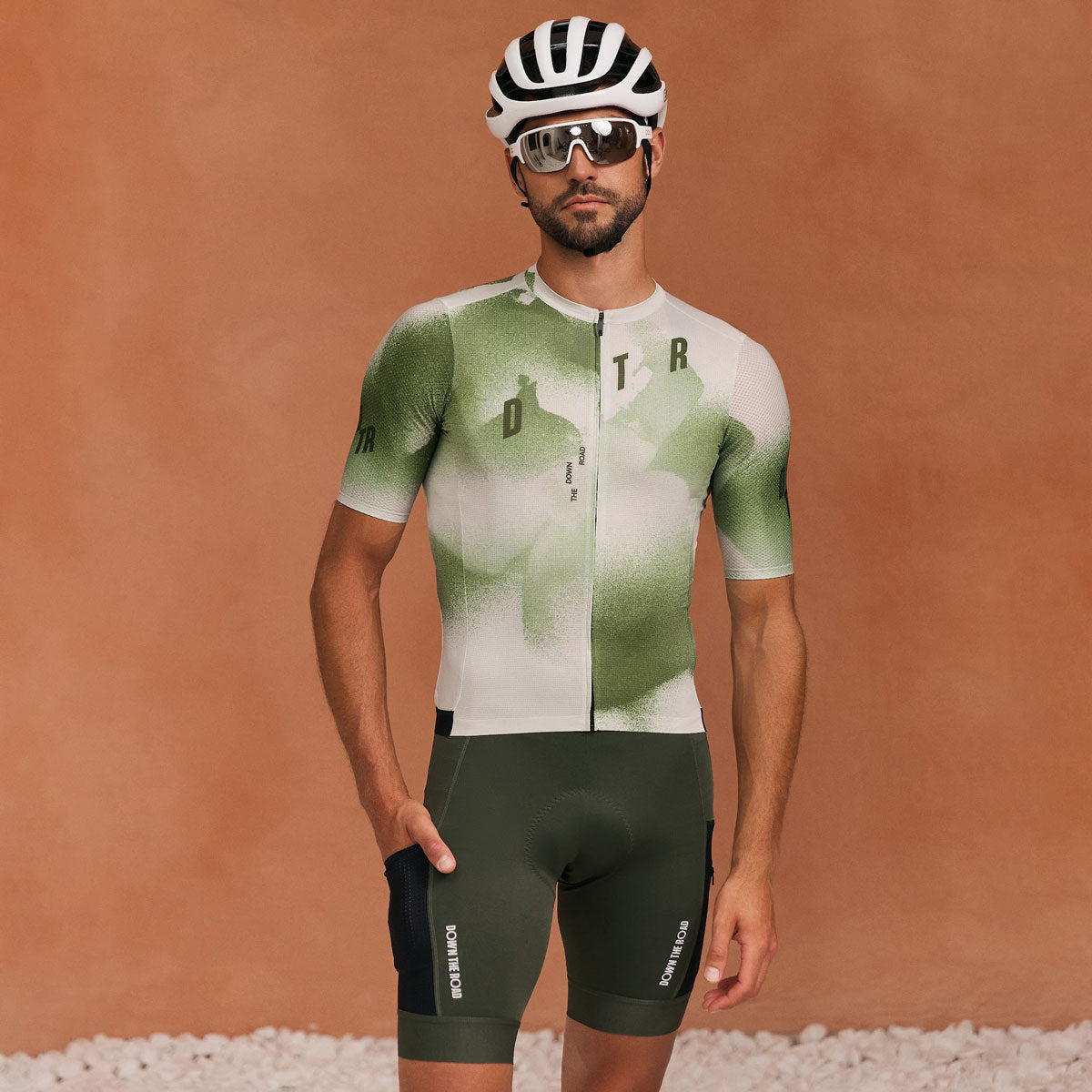
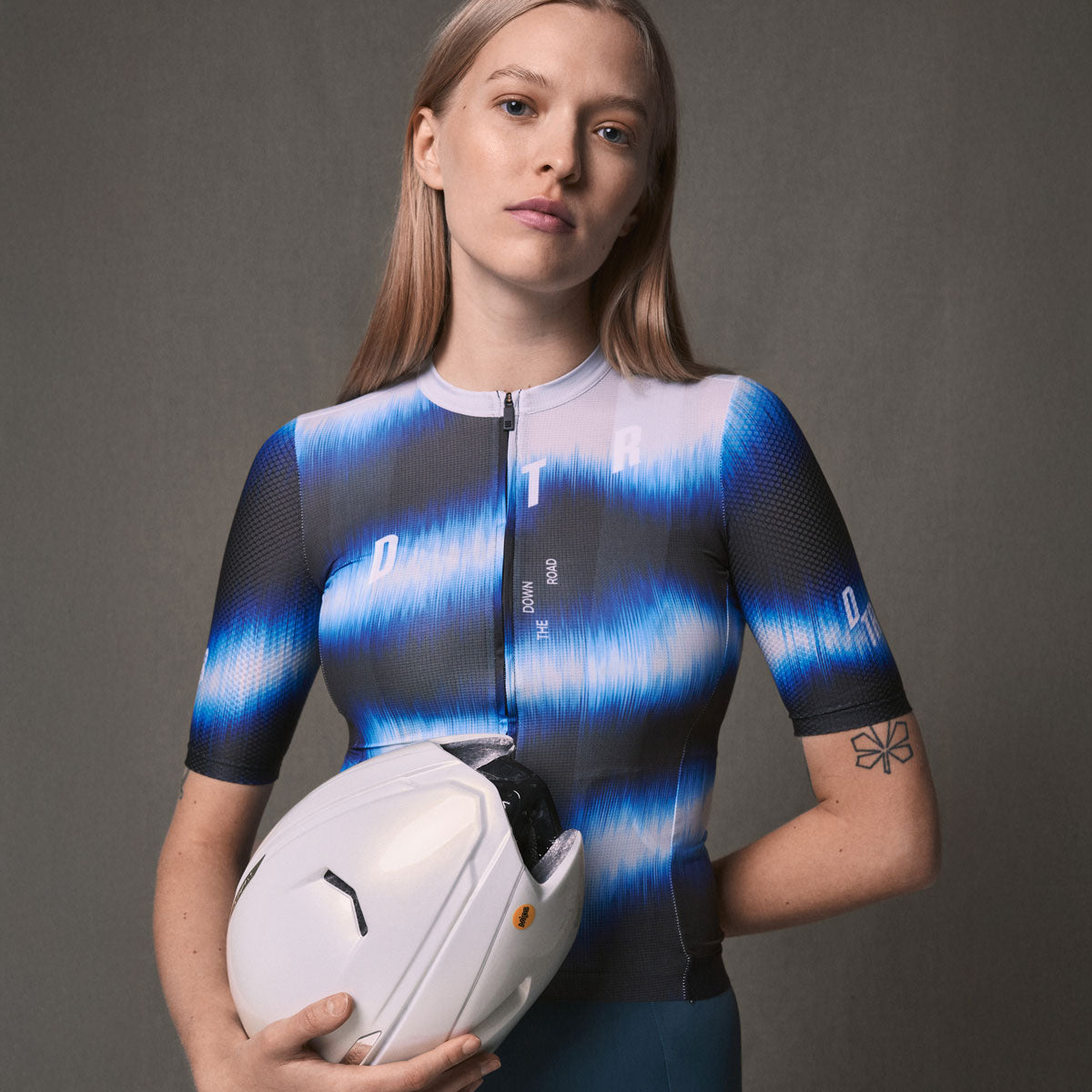
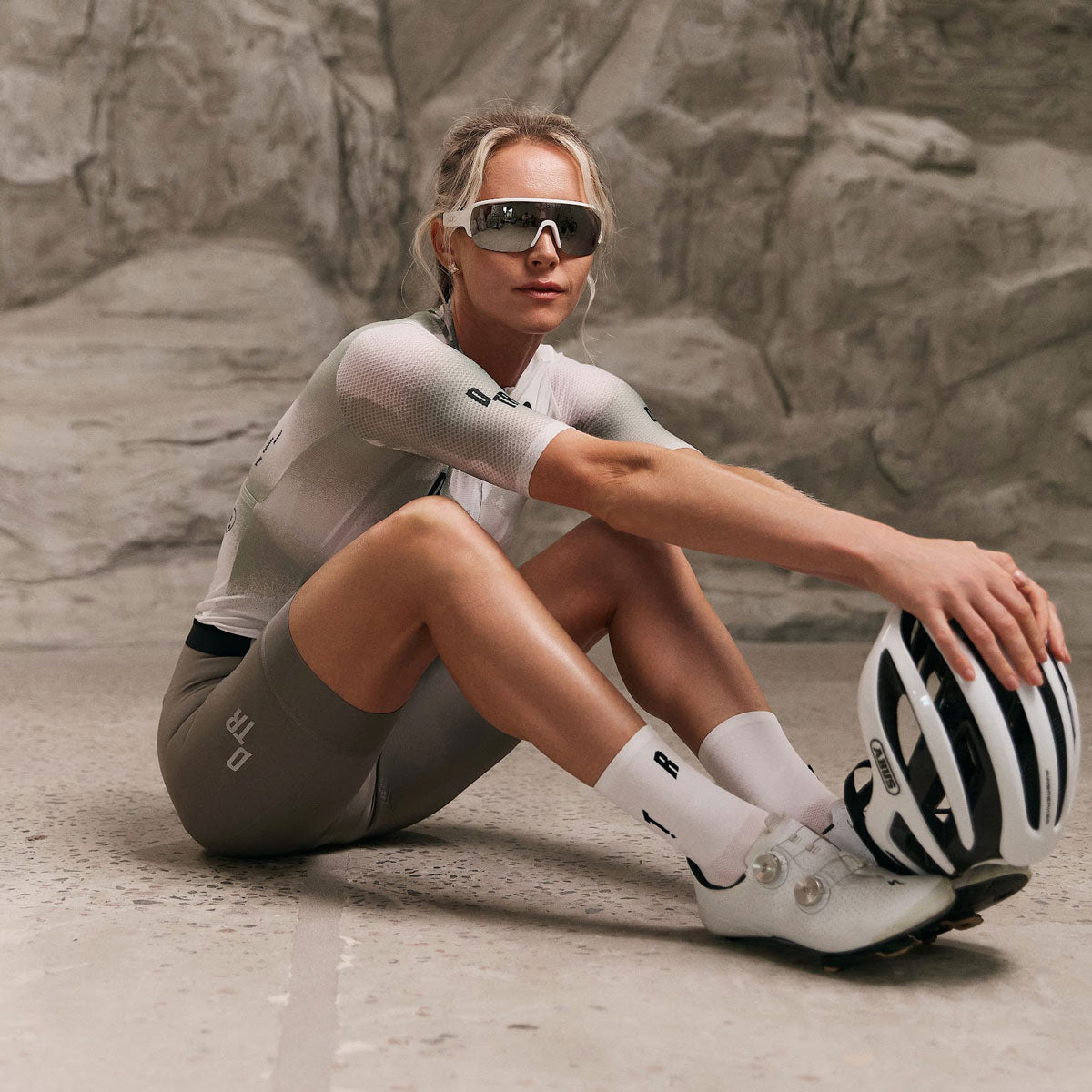
Past 15 km the commute is a training ride with a destination, and the answer is the same as for any ride: jersey, bib shorts, and a change of clothes at the other end. Fighting it in half-measures just means arriving uncomfortable in both directions.
Logistics beat willpower here. Leave shoes and a wash kit at work if you can, carry the day's shirt rolled in a pannier or backpack, and batch the heavy stuff — bring a week of shirts on Monday by bus or car, and ride light the rest of the week. If your building has no shower, see the next section; thousands of riders manage it daily.
The sweat problem, honestly
No shower at work is a solvable problem: arrive ten minutes early and cool down before changing — the cooldown matters more than the wash. Sweat itself is nearly odourless when fresh; change out of the damp layer promptly, wipe down with cleansing wipes or a quick sink routine, and you're presentable.
The order of operations: cool first, then change, then dress. Changing while still hot means sweating into the clean shirt, which defeats the whole exercise. Keep deodorant and a small towel in a desk drawer, hang the ridden kit somewhere it can dry, and dial the effort back on the way in — save the intervals for the ride home, where the only person judging your finish-line state is your washing machine.
Rain, cold and being seen
If you buy one piece for commuting, make it a packable windbreaker: it kills wind chill on cool mornings, handles surprise showers, packs down to nothing in the work bag, and covers the awkward months where mornings are cold and evenings warm. For genuinely wet mornings, our guide to what to wear cycling in the rain covers the full system.
Commuting also means riding the same slot every day as the seasons move underneath you — the temperature guide for what to wear by °C is built for exactly that call. And since commuting hours are traffic hours, bias your choices toward visibility: bright colours or reflective details, plus proper lights, do more for your safety than any other kit decision on this page.
FAQ
Do you need cycling kit to commute?
Not under 5 km — street clothes at an easy pace work fine. From 5 km up, technical pieces earn their place one at a time: top first, then padded shorts, then full kit past 15 km.
How do you manage sweat with no shower at work?
Cool down before you change — that's the key. Ride the last kilometres easy, arrive early, change out of damp layers promptly, and use wipes or a sink. Fresh sweat is nearly odourless; sitting in it is what causes trouble.
What's the one piece of kit worth buying first?
A packable windbreaker. It covers wind, light rain and cold starts across three seasons, and it disappears into a bag when the day warms up.
Should you carry clothes daily or leave them at work?
Batch what you can: a week of shirts delivered on Monday, shoes and wash kit living at the office. The lighter the daily load, the more often the bike wins the morning argument.
Make the morning ride easier: the DTR windbreaker range is at /collections/windbreakers.
DTR — performance cycling and triathlon apparel, designed and developed in Ukraine.

Leave a comment
This site is protected by hCaptcha and the hCaptcha Privacy Policy and Terms of Service apply.