

Badlands 2026 asks one bag of kit to cover a swing of more than 30 degrees: desert afternoons above 40°C, dawns near freezing above 3,000 metres, and roughly 800 km with 16,000 m of climbing in between — self-supported, from August 30. The kit that works is a light core you wear everywhere plus three small layers you deploy at altitude. This guide covers what to wear, what to pack, and how to keep a chamois rideable across several days.
What conditions are you actually packing for?
Three, in sequence: extreme dry heat in the desert sections, where the problem is sun and sweat evaporation; real cold at altitude, where a late-August dawn high in the Sierra Nevada can sit near zero before wind chill; and time — several days of riding for most finishers, which turns small comfort issues into race-ending ones. Every kit choice should answer at least one of those three.
The core kit you wear from the start
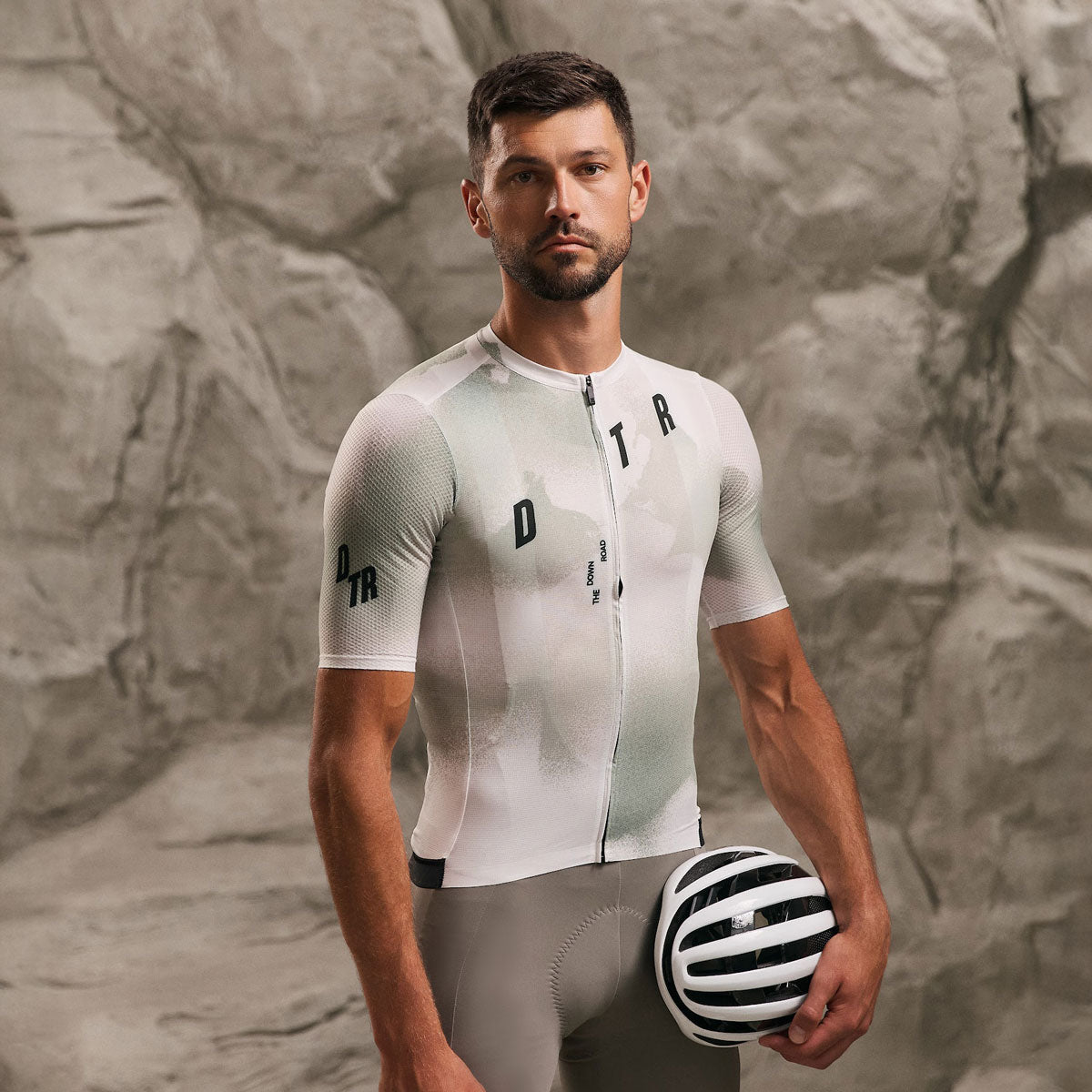
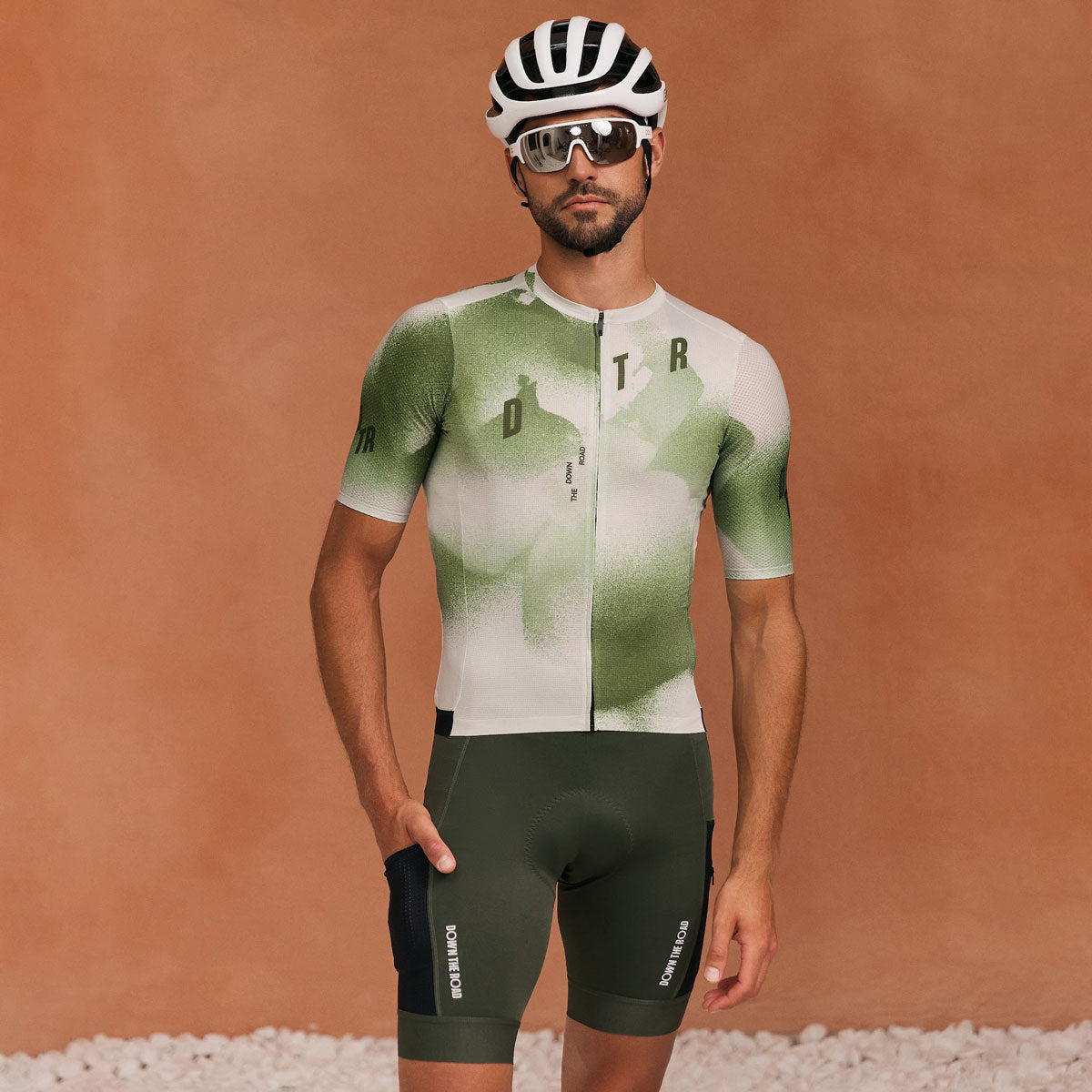
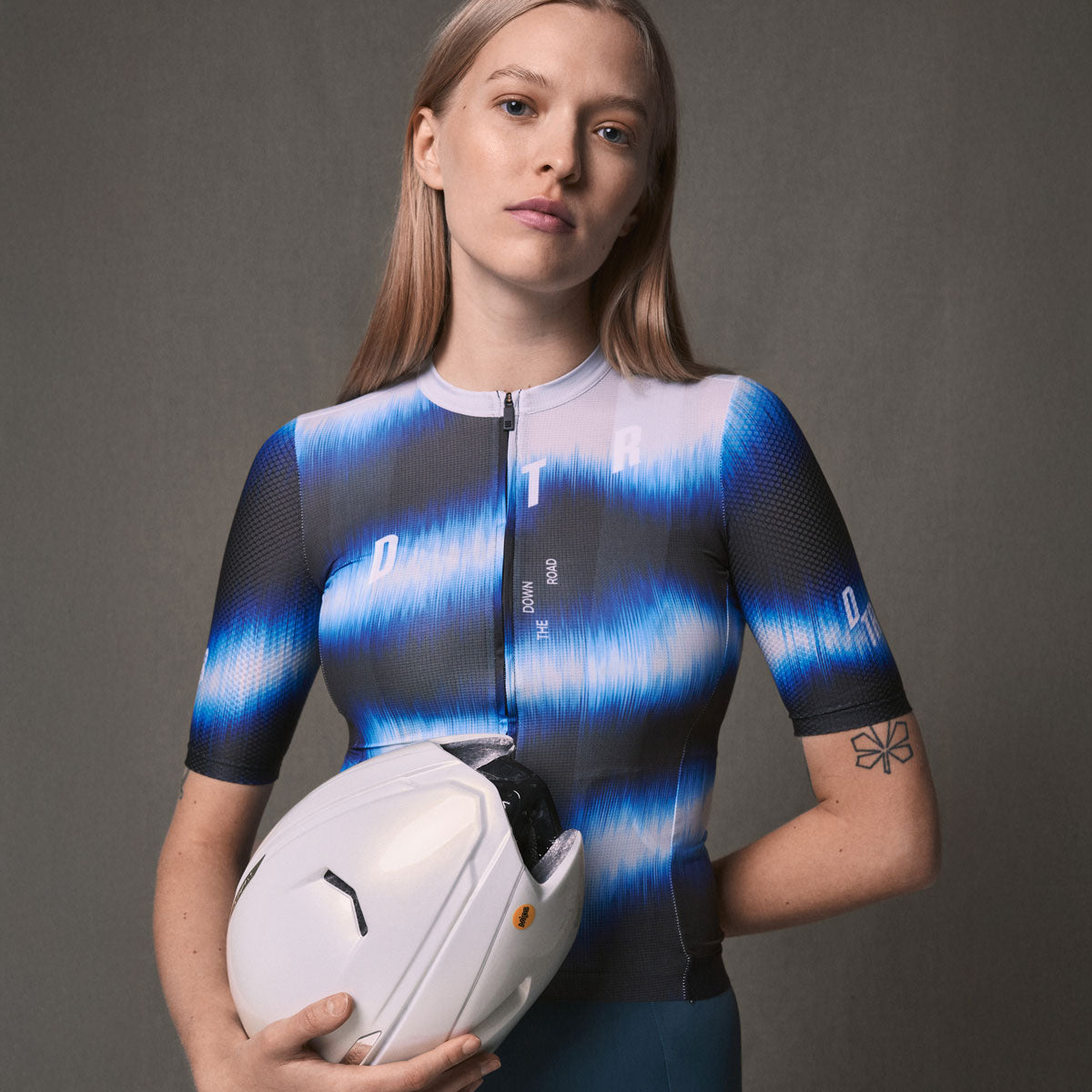
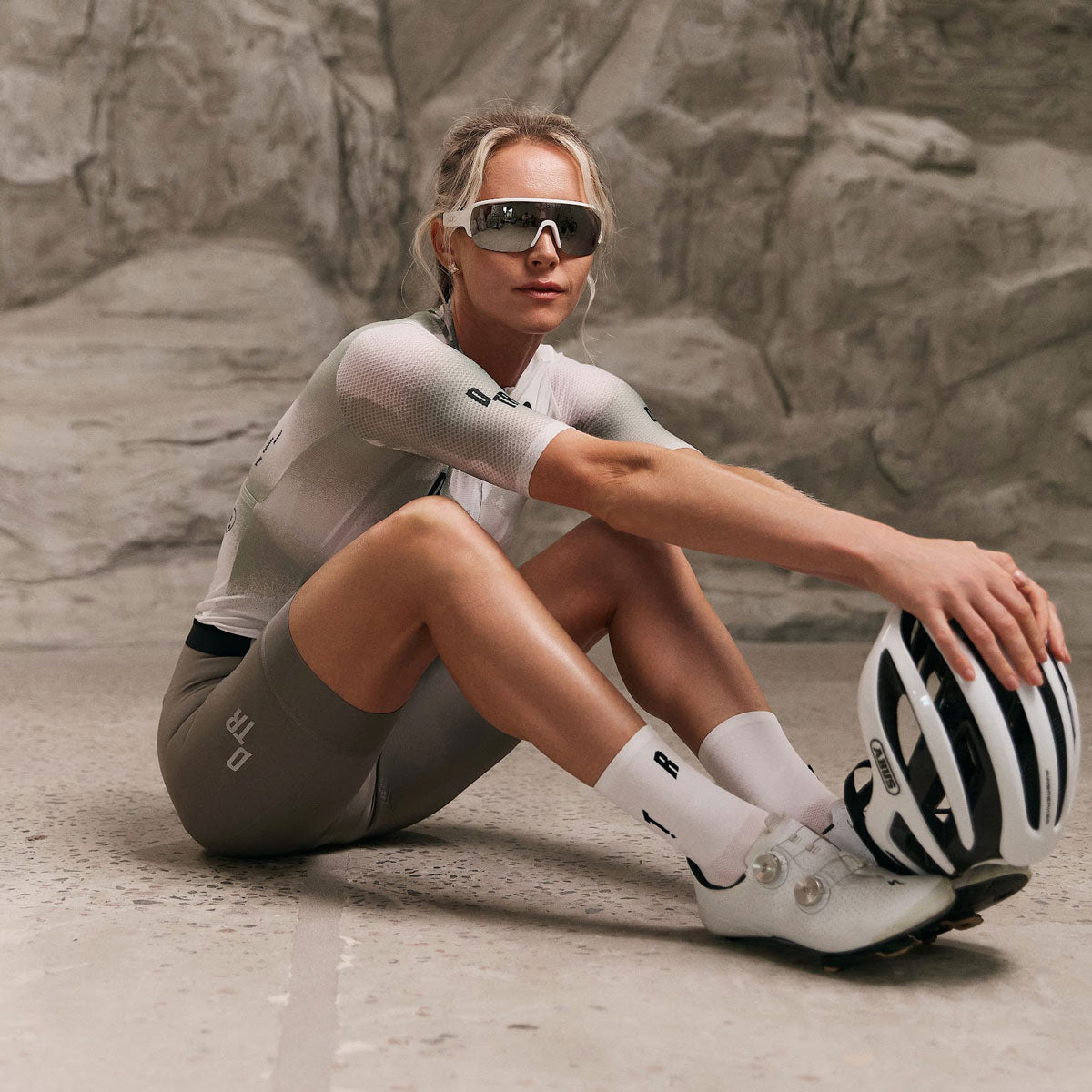
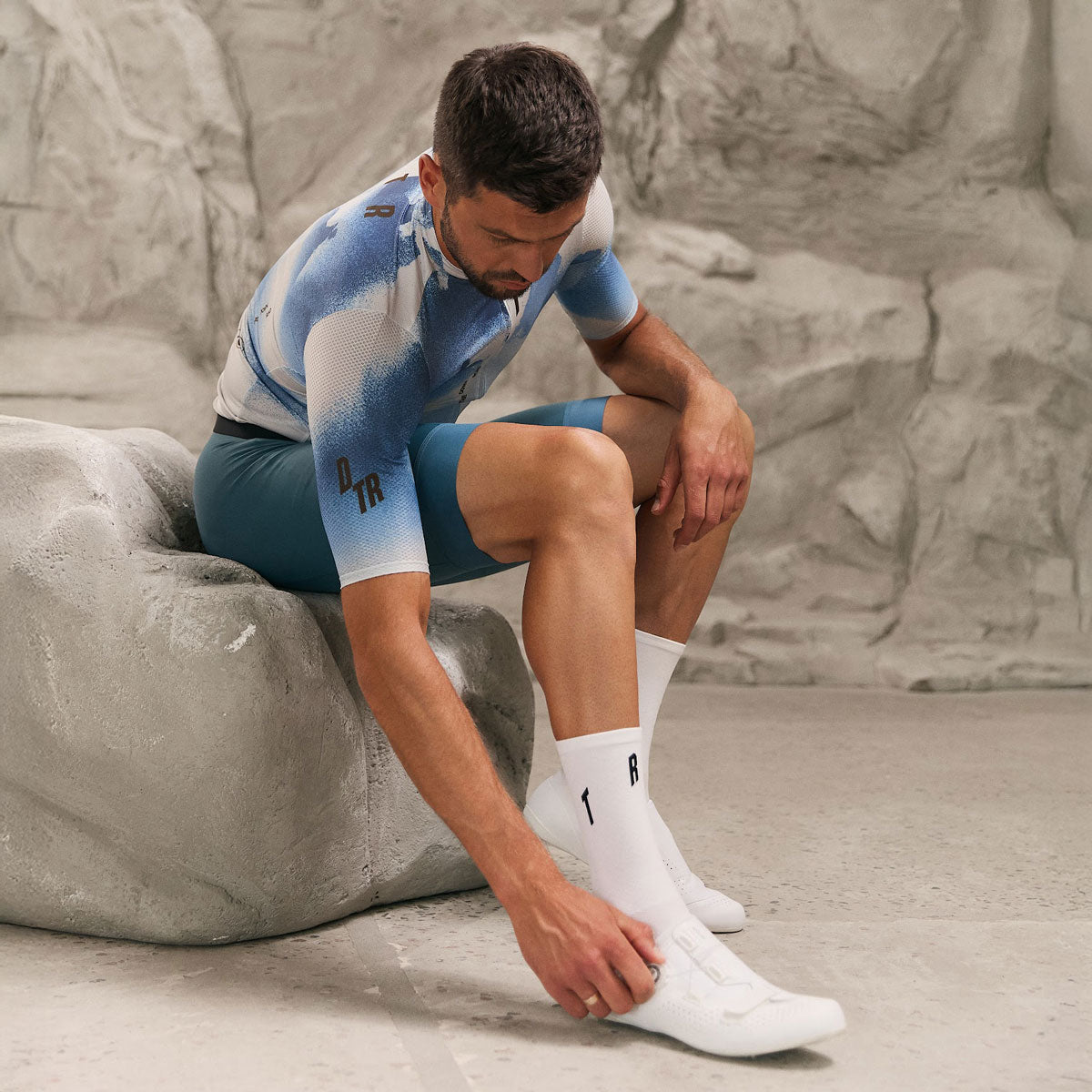
Cargo bib shorts and a lightweight, fast-drying jersey. Cargo bib shorts earn their place twice over at Badlands: the leg pockets hold food and a stashed layer where you can reach them while riding, and a multi-density chamois is what survives day three — density, not thickness, is what holds up over 800 km. The jersey should ventilate aggressively and dry fast; you'll soak it and dry it dozens of times.
In dry heat, a thin quick-dry base layer is worth testing before you dismiss it: it spreads sweat across more surface and speeds evaporation, which is exactly the cooling mechanism the desert gives you.
How do you survive the 40°C sections?
Ventilation, coverage and timing. Keep fabric light-coloured and quick-dry, cover your neck and arms rather than baring them — covered skin runs cooler in desert sun than bare skin — and plan the hottest kilometres around water stops. Kit can't replace hydration, but a fast-drying jersey and a soaked cap under the helmet buy you real degrees.
What do you need for the cold at altitude?
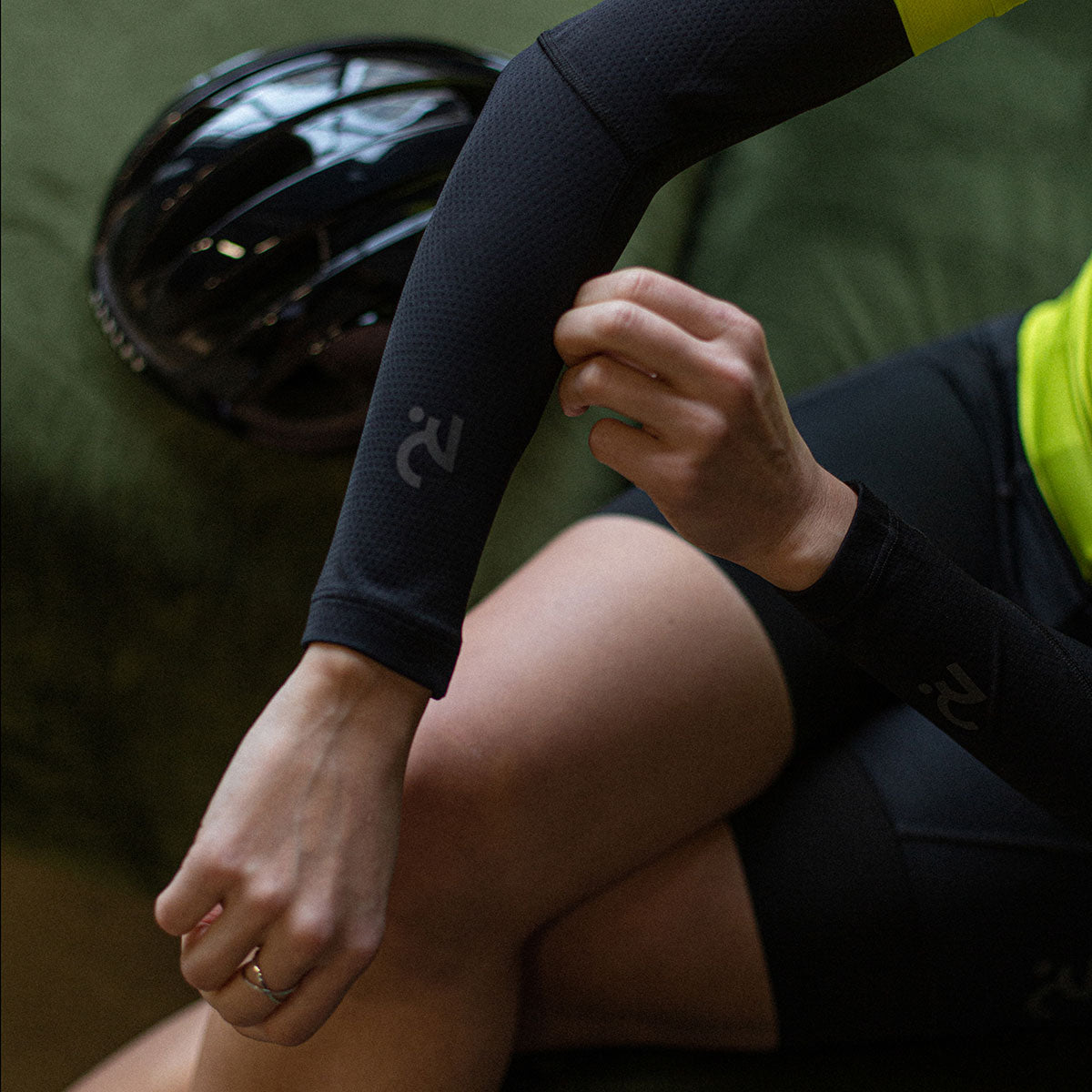
Three packable pieces: a windbreaker, arm warmers and leg warmers. Together they weigh little more than a spare tube and turn a summer kit into a near-zero dawn kit. The windbreaker matters most on descents — the long drop off the high Sierra Nevada at dawn is the coldest you will be all race. A cycling vest instead of (or as well as) the windbreaker suits riders who run hot on climbs and want core protection without sleeves.
How do you keep a chamois rideable for days?
Hygiene first, then rotation. Get out of the bib shorts whenever you stop for the night, rinse and dry them if you can, and use chamois cream before long hot days — friction rises with salt and moisture. If you carry one luxury item, make it a second pair of bib shorts; fresh chamois on day three is worth more than any other 200 grams in the bag. Saddle-sore prevention is mostly hygiene and fit — and if something is persistent or getting worse mid-race, treat it as a medical issue and get it looked at, not as a toughness test.
What goes in the bags: the short checklist
- Windbreaker (packable, always accessible)
- Arm warmers + leg warmers
- Second pair of bib shorts — or at minimum spare socks
- Cap for sun and for soaking at fountains
- Chamois cream
- Light rain shell only if the mountain forecast is unstable
- Lightweight gloves for the dawn descents
FAQ
What temperature range should I prepare for at Badlands? From above 40°C in the desert sections to low single digits at dawn at altitude — sometimes within the same 24 hours. Pack for both extremes, not the average.
Are cargo bib shorts worth it for an ultra like this? Yes. Reachable storage while riding is worth more than aero over several days, and you keep jersey pockets free for the layers you'll add and remove constantly.
Windbreaker or rain jacket? Windbreaker by default — it packs smaller and covers most scenarios. Add a light rain shell only if the forecast over the high sections is unstable; late-summer mountain storms do happen.
How many chamois do I need for 800 km? One good multi-density chamois can do the whole race with nightly hygiene. A second pair of bib shorts is the highest-value spare you can carry.
DTR sponsors Badlands — this is exactly the riding our gravel kit is developed for.
Build your Badlands core around the DTR cargo bib shorts.
DTR — performance cycling and triathlon apparel, designed and developed in Ukraine.

Leave a comment
This site is protected by hCaptcha and the hCaptcha Privacy Policy and Terms of Service apply.