

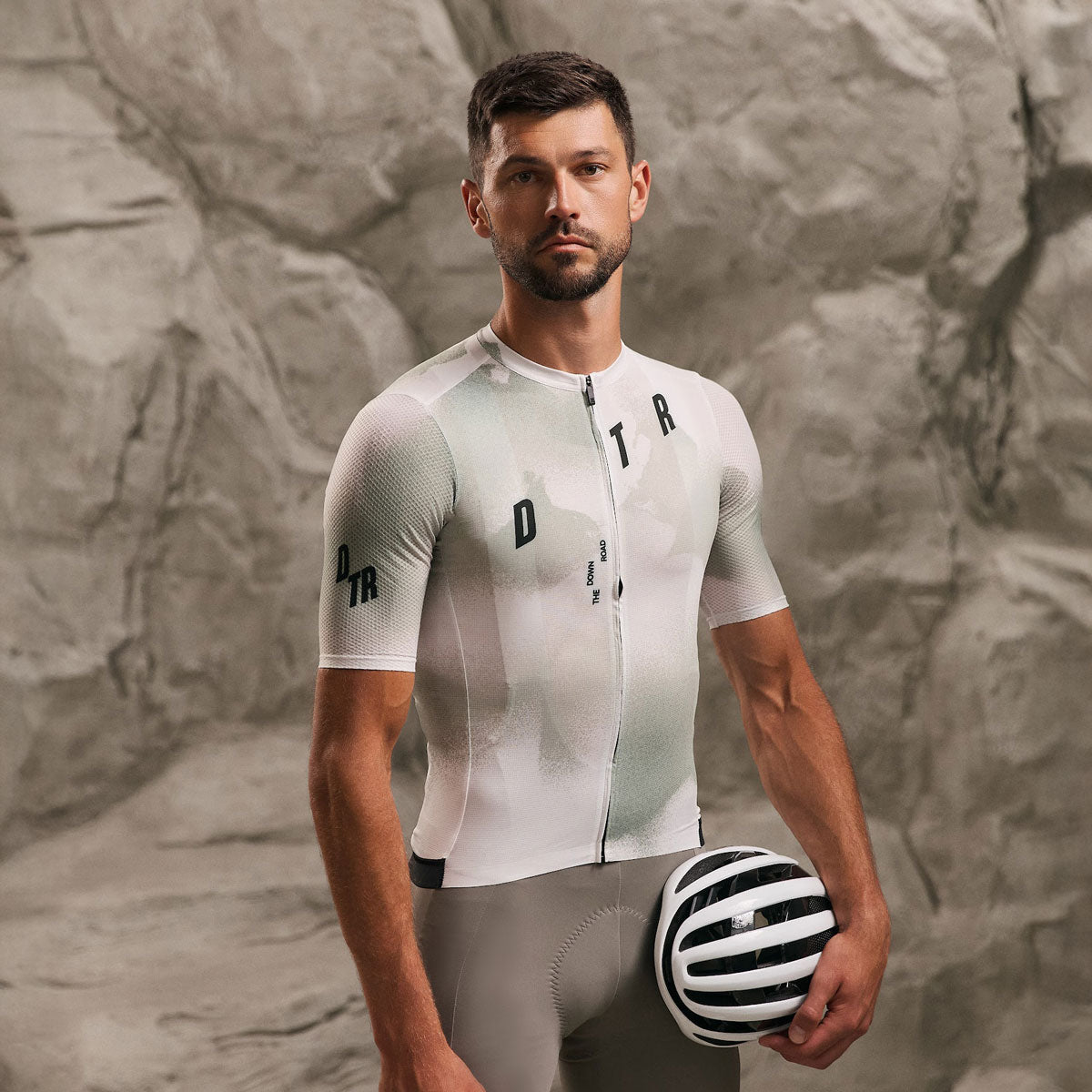
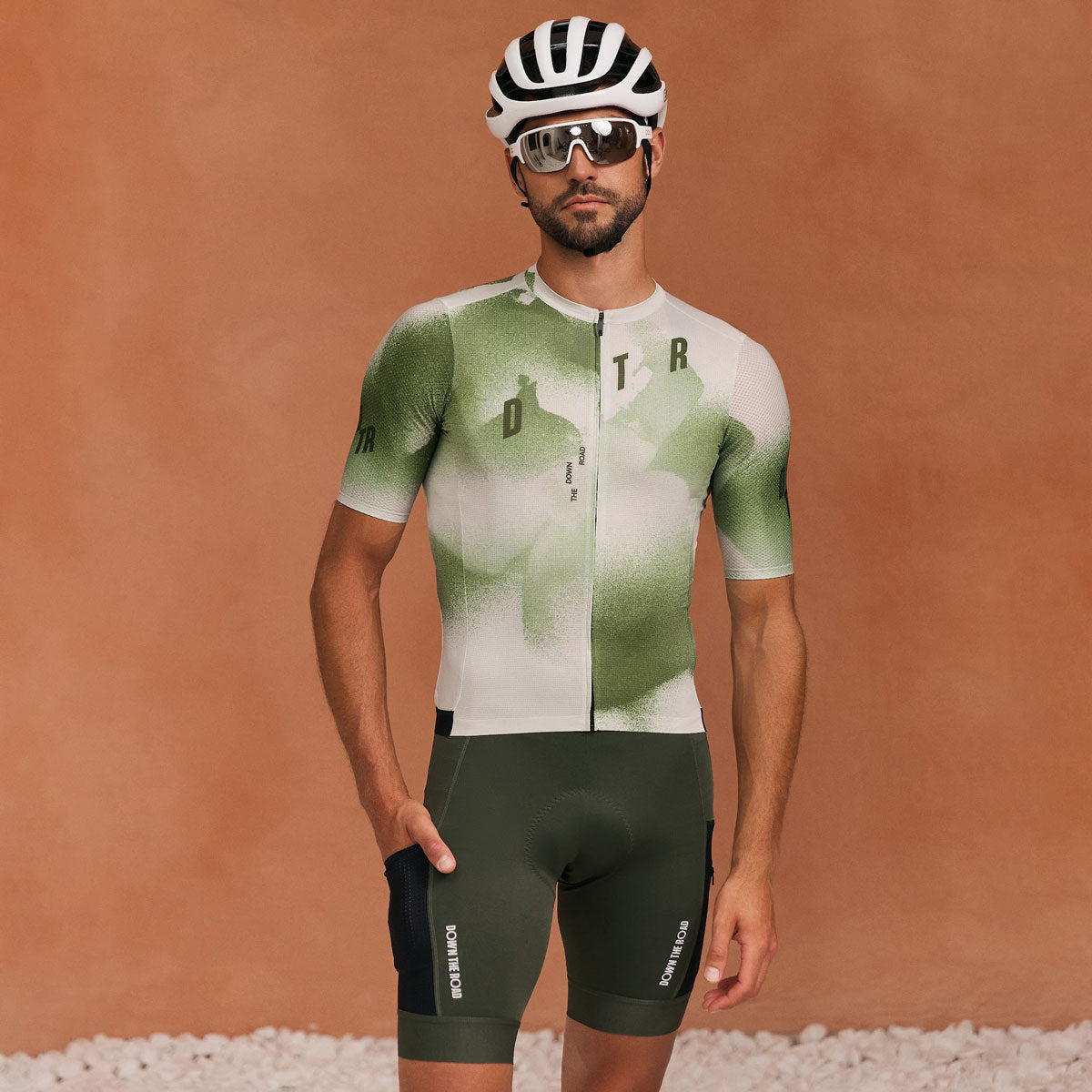
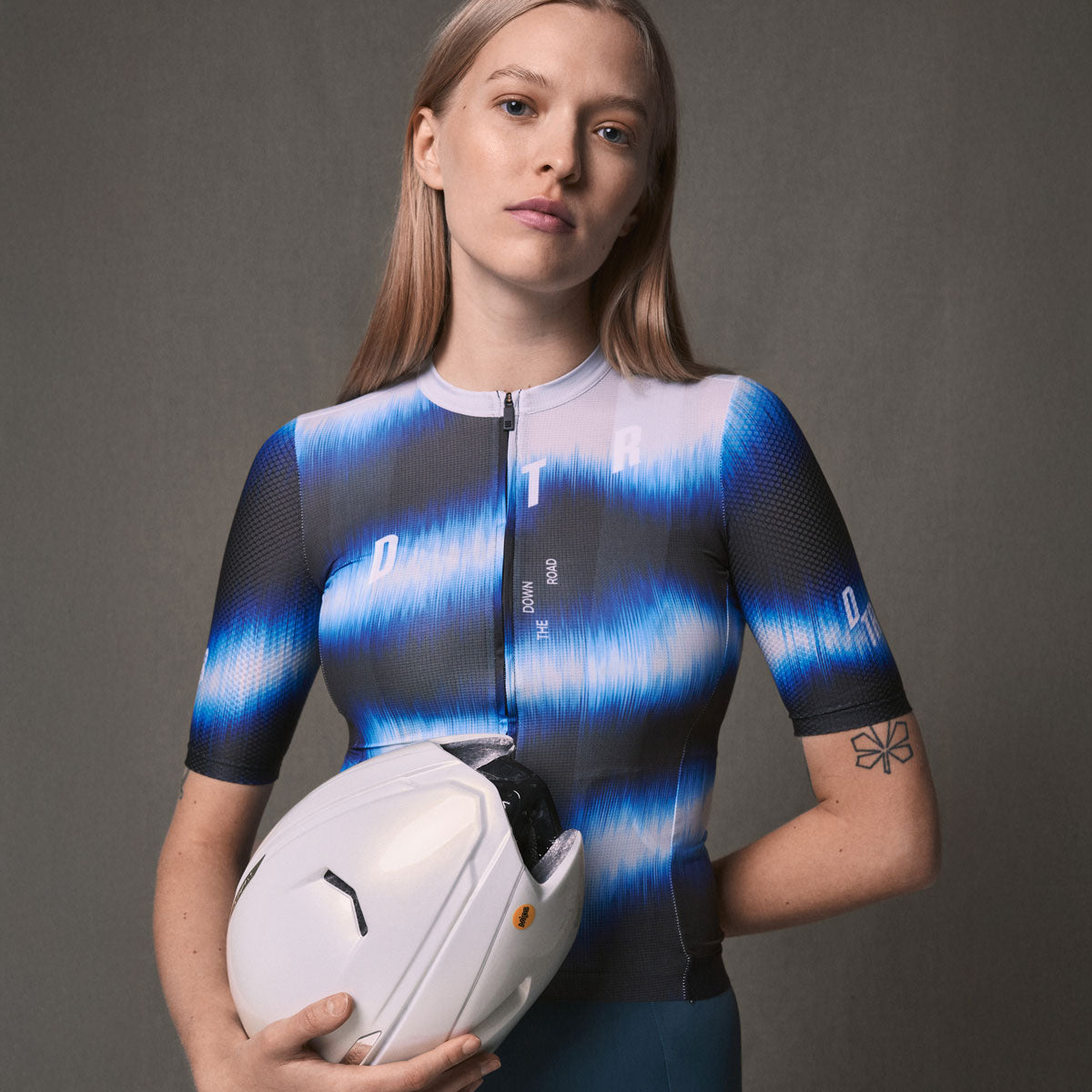
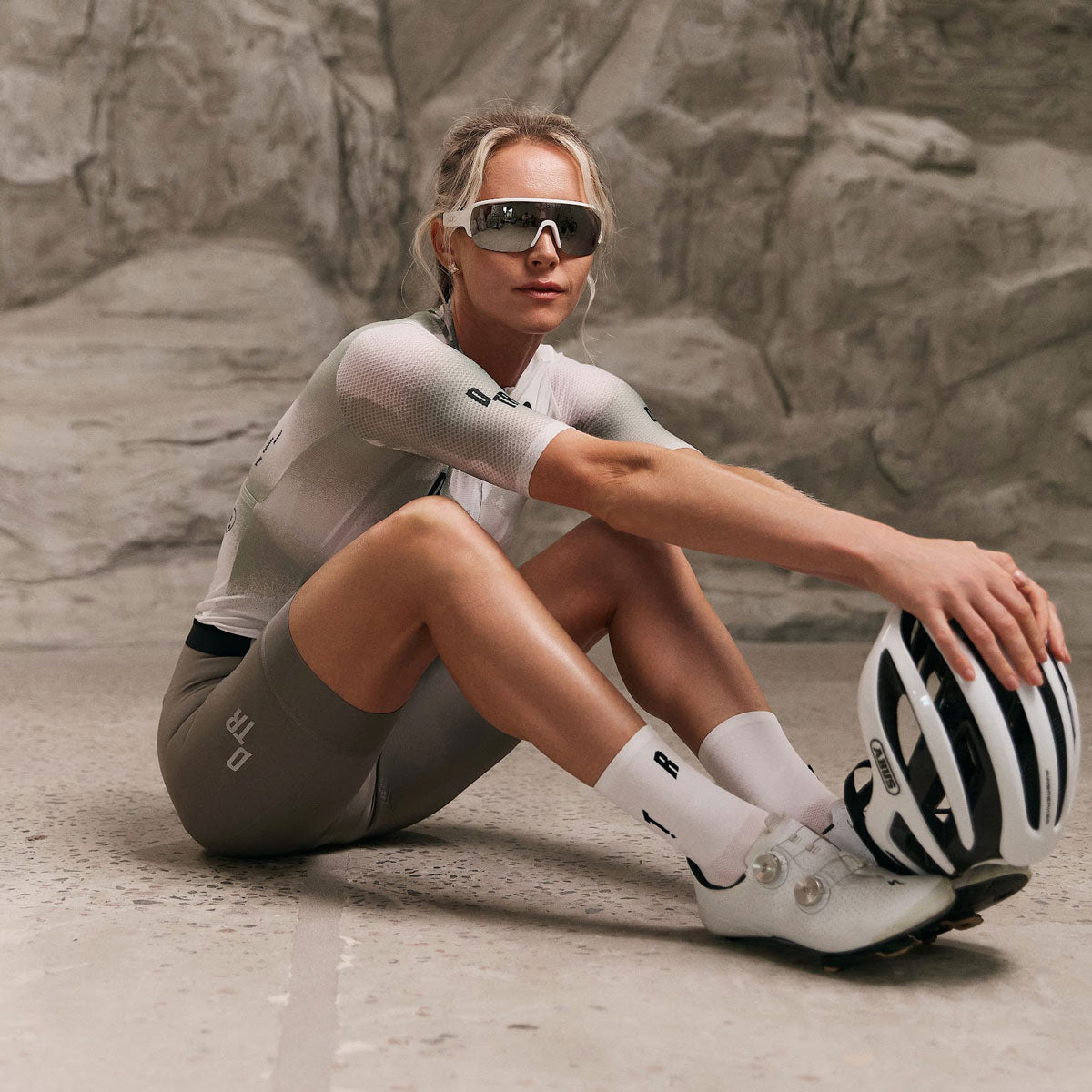
Running a club kit order is five stages: agree the brief, sign off the design, collect sizes, place the order as one batch, then handle distribution and reorders. Most orders that go wrong do not go wrong at the design stage — they go wrong at sizing and at chasing people. This guide is the operational side: how to get kit onto thirty riders without it eating your season.
If you are still at the creative stage, start with how to design custom cycling kit for your club. This piece picks up once you know roughly what you want to make.
Give it one owner
One person should own the order end to end, with the authority to close decisions. Committees are good at choosing a design and terrible at closing a sizing deadline, and an order with three part-owners is the one that misses the season.
That person does not need to be the club chair. They need to be the person who will actually chase eleven people for their size on a Tuesday night.
Agree the scope before anyone draws anything
Before design starts, settle what you are ordering and for whom: which garments, roughly how many riders, whether you need men's and women's fits, and whether this is a one-off or the start of a design you will reorder against for a few seasons.
That last question matters more than people expect. A design you intend to keep for three seasons should avoid dated year numbers and one-season sponsors in awkward places. Our sponsor placement guide covers how to lay those out so they can change without a redesign.
Lock the design before you open sizing
Get the design signed off first, then open sizing. Running both at once is how you end up re-collecting sizes because the garment list changed halfway through, and nothing goes into production without your written sign-off anyway.
Circulate the final visual to the whole club once, with a short window for objections, then close it. Endless revision rounds are the second most common reason a kit order misses a season.
Collecting sizes from thirty riders without chaos
Use one form, one deadline, and one source of truth — a single spreadsheet or form that records name, garment, size and contact, with no sizes accepted by text message or in the car park. Everything collected informally is what goes wrong later.
Three things make this dramatically easier:
- Publish the size chart with the form. Riders should choose against measurements, not against what they wore from another supplier.
- Use a sizing set if you can. Passing samples around a club run for two weeks removes most guesswork, particularly for riders new to race-fit kit.
- Set a hard deadline and mean it. Announce that anyone who has not submitted by the date is not in the batch. Then hold that line — it is kinder than delaying everyone.
Our club sizing guide goes into the detail of measuring and reading a size chart properly.
The rider who orders the wrong size
Assume a small number will. Custom kit is made to order, so it cannot be exchanged the way a stock item can — which is exactly why the sizing set and the size chart are worth the effort up front.
Two things reduce the damage. First, ask riders to state a measurement alongside a size on the form, so an obvious mismatch can be queried before production. Second, tell the club plainly, in advance, that custom pieces cannot be swapped. People accept that far better as a stated rule than as a surprise.
Place it as one order
Club kit is produced in a batch, so one consolidated order is faster and more consistent than several small ones. Minimums typically start from around 5–10 pieces per garment, which most clubs clear comfortably.
Consistency is the underrated reason to batch. Pieces produced together match; pieces produced months apart against the same file can vary slightly, which is visible when the club lines up for a photo.
Plan the timeline backwards from your first event
Work back from the date you want to be wearing it. A typical custom turnaround runs around 6–8 weeks from final sign-off, and sizing collection realistically adds two to three weeks on top of that before the clock even starts.
So a club that wants kit for a April training camp should be opening sizing in January, not March. More on scheduling in our order timeline guide and the brief-to-delivery timeline.
Delivery and handing it out
Decide before delivery whether kit ships to one address for distribution or to riders individually. One address is simpler to reconcile and easier to check against the order; individual shipping saves the organiser a weekend but makes errors harder to spot.
Whichever you choose, check the delivery against your sizing sheet before handing anything out. It is far easier to raise a discrepancy while the box is intact than after fifteen riders have taken their bags home.
Reorders and new members
Once a design is signed off it is kept on file, so a reorder runs against the same artwork without redesigning. That is how new members get matching kit mid-season and how you replace a crashed jersey without the club ending up in two slightly different blues.
Most clubs settle into a rhythm of one main order before the season and one smaller top-up order mid-season for new members and replacements. Our reorder guide covers keeping a design consistent across batches.
Where club orders usually go wrong
- Sizing collected informally across messages instead of one form
- Design still being revised after sizing opened
- No hard deadline, so the batch waits on four people
- Starting too late to hit the first event of the season
- No single owner with authority to close decisions
None of these are manufacturing problems. All of them are calendar and communication problems, which is good news — they are entirely within your control.
FAQ
How long does a club kit order take?
Around 6–8 weeks from final sign-off is typical, plus the two to three weeks you will spend collecting sizes beforehand. Plan backwards from your first event.
What is the minimum order for club kit?
Minimums typically start from around 5–10 pieces per garment. Tell us your rider numbers and garment mix and we will confirm what applies to your order.
Can riders order different garments in different sizes?
Yes. Riders commonly take one size in a jersey and another in bib shorts, which is why the form should capture a size per garment rather than one size per rider.
Can we add new members to an existing design later?
Yes. The approved design stays on file, so a reorder runs against the same artwork — that is how mid-season joiners get matching kit.
What if someone orders the wrong size?
Custom kit is made to order and cannot be exchanged like a stock item, so use a sizing set and the size chart up front, and make that rule clear to the club before sizing opens.
How much does club kit cost?
It depends on quantity, garment mix and design complexity, so we quote per order rather than publish a list. Tell us your brief and we will come back with a quote.
Tell us your brief and we will take it from there: request a quote for your club kit.
DTR — performance cycling and triathlon apparel, designed and developed in Ukraine.

Leave a comment
This site is protected by hCaptcha and the hCaptcha Privacy Policy and Terms of Service apply.