

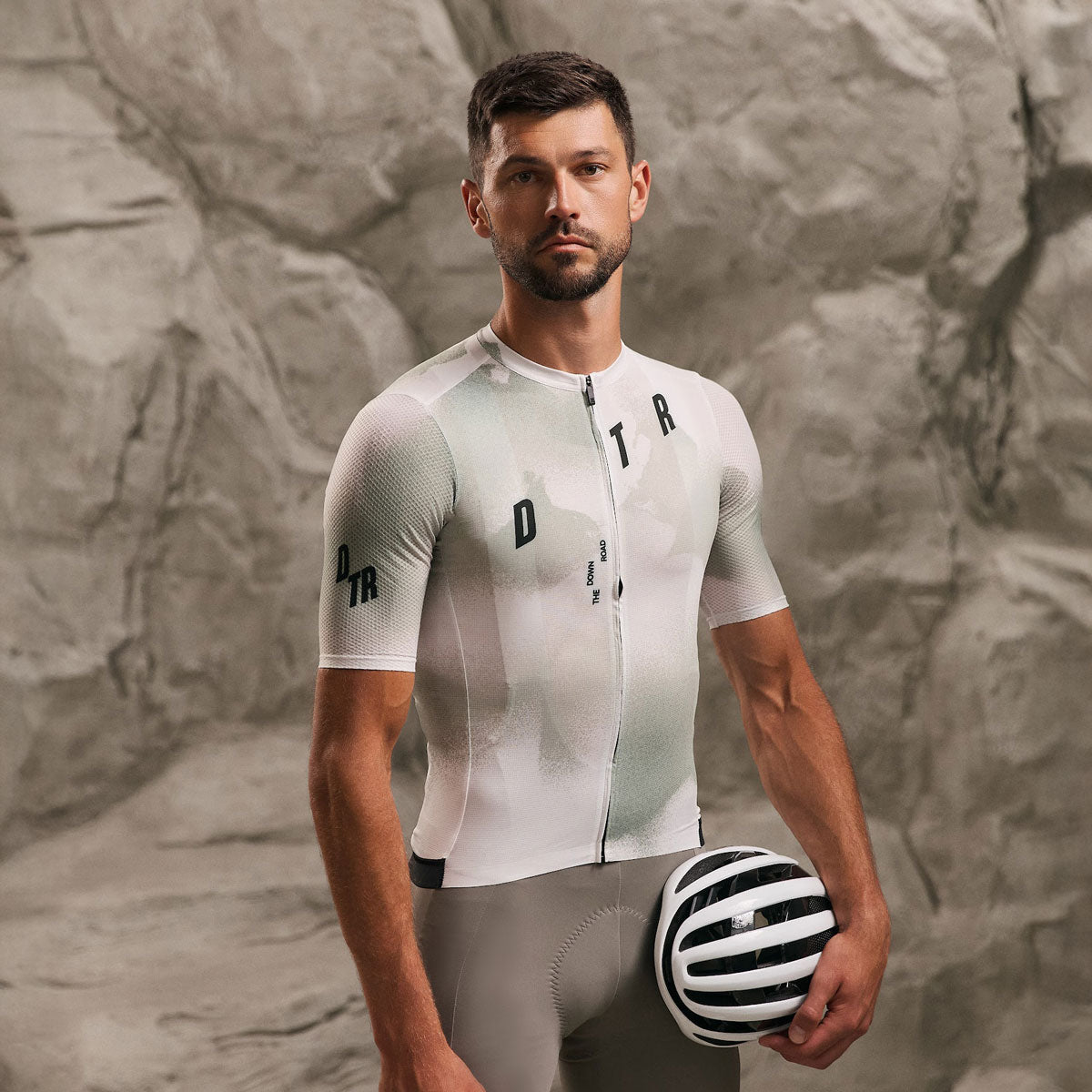
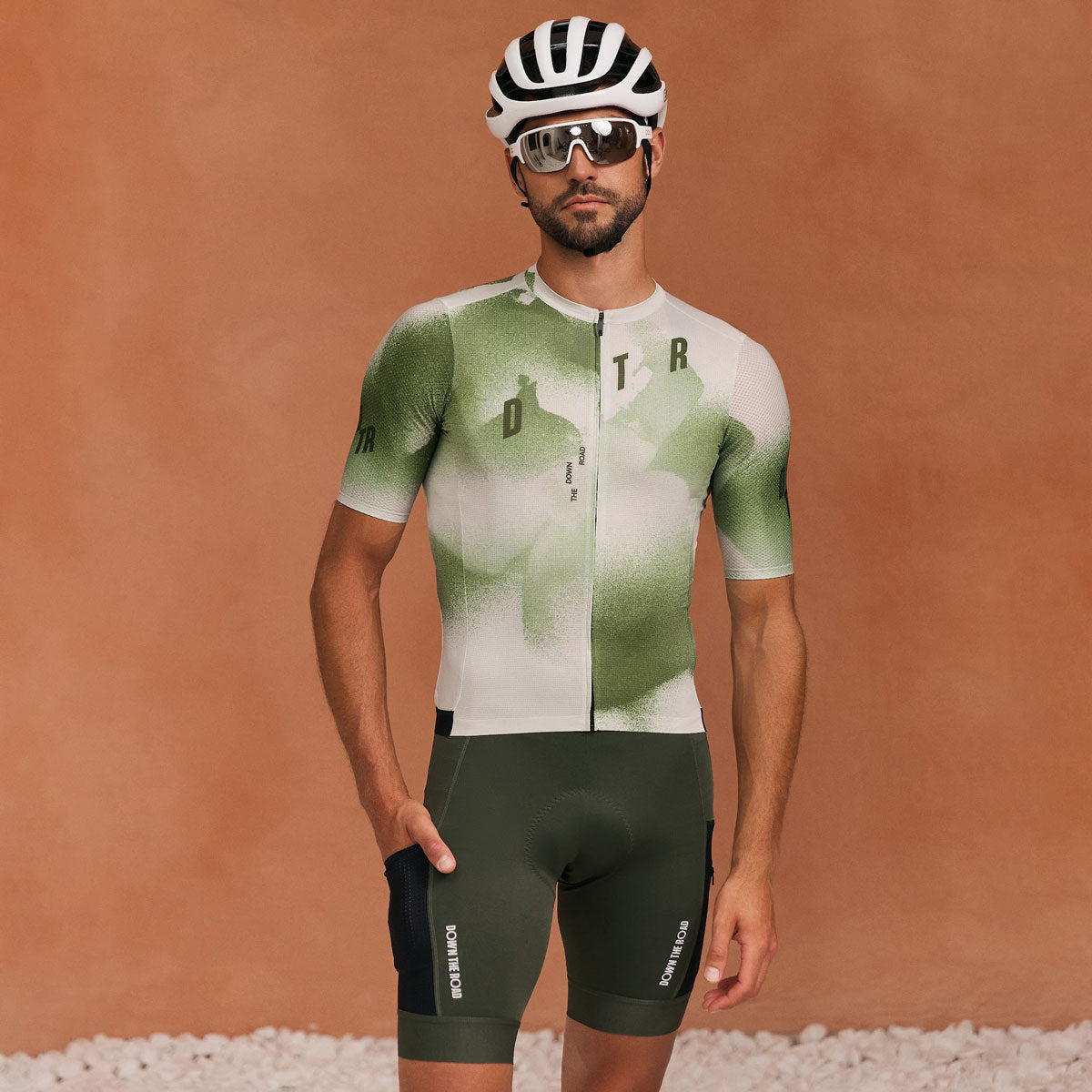
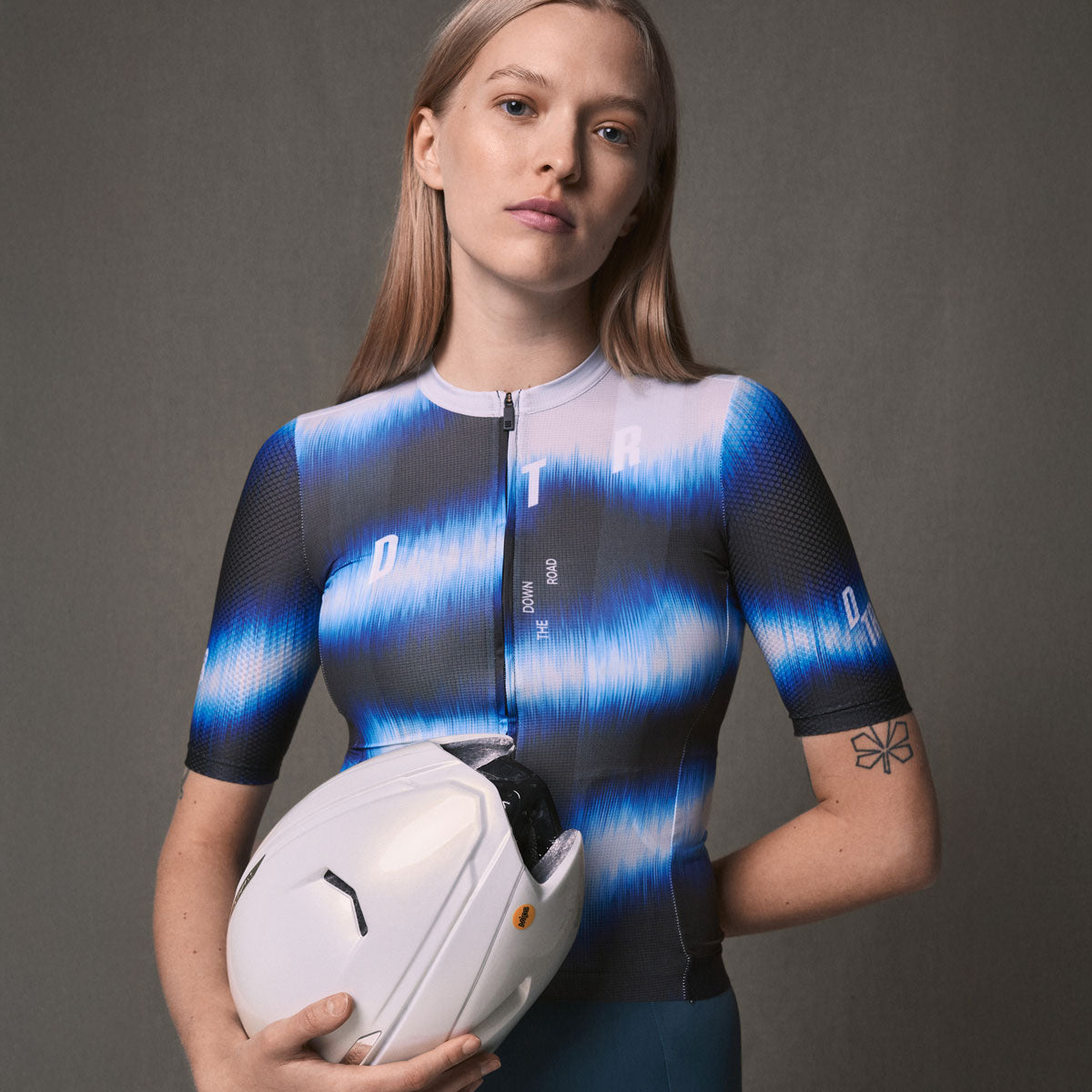
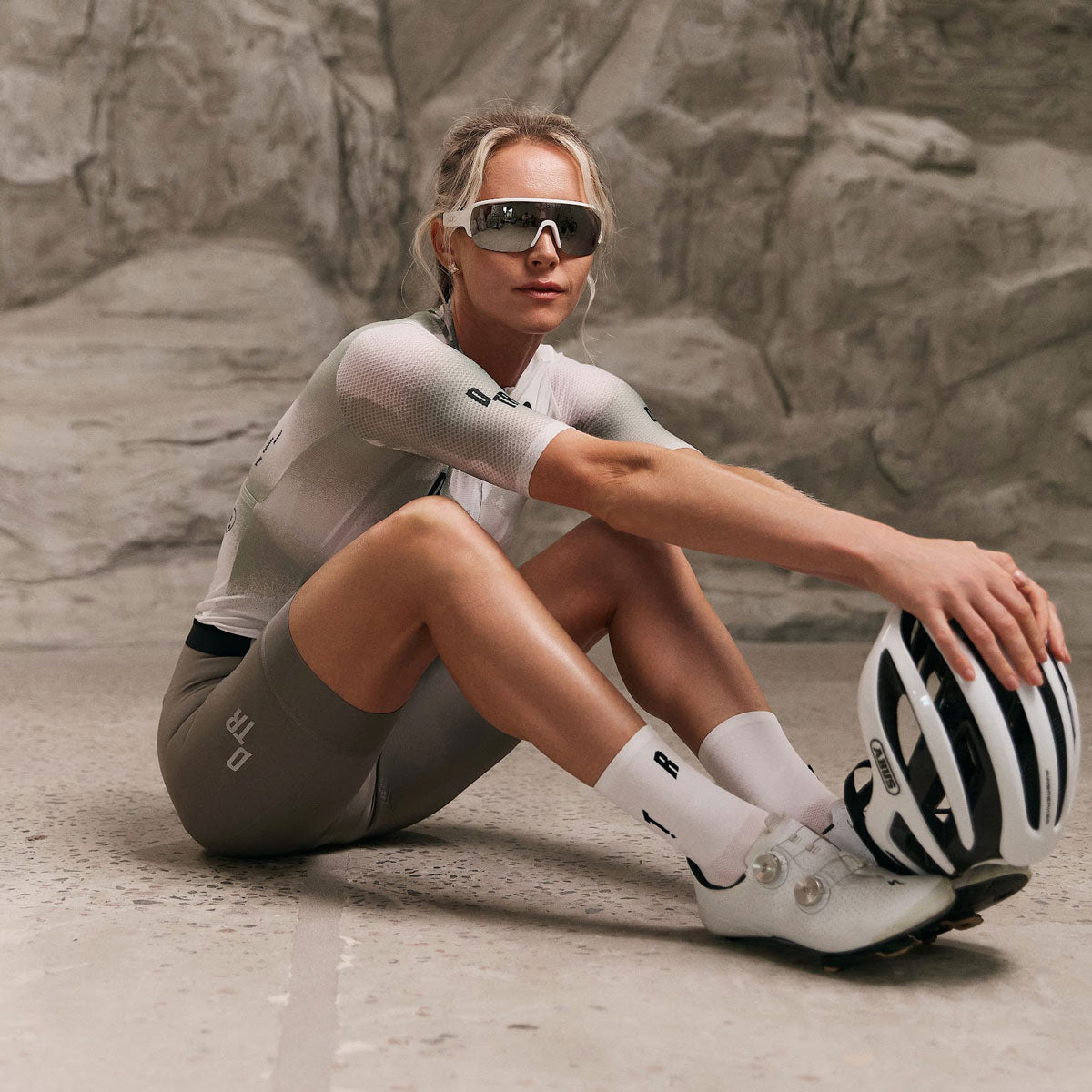
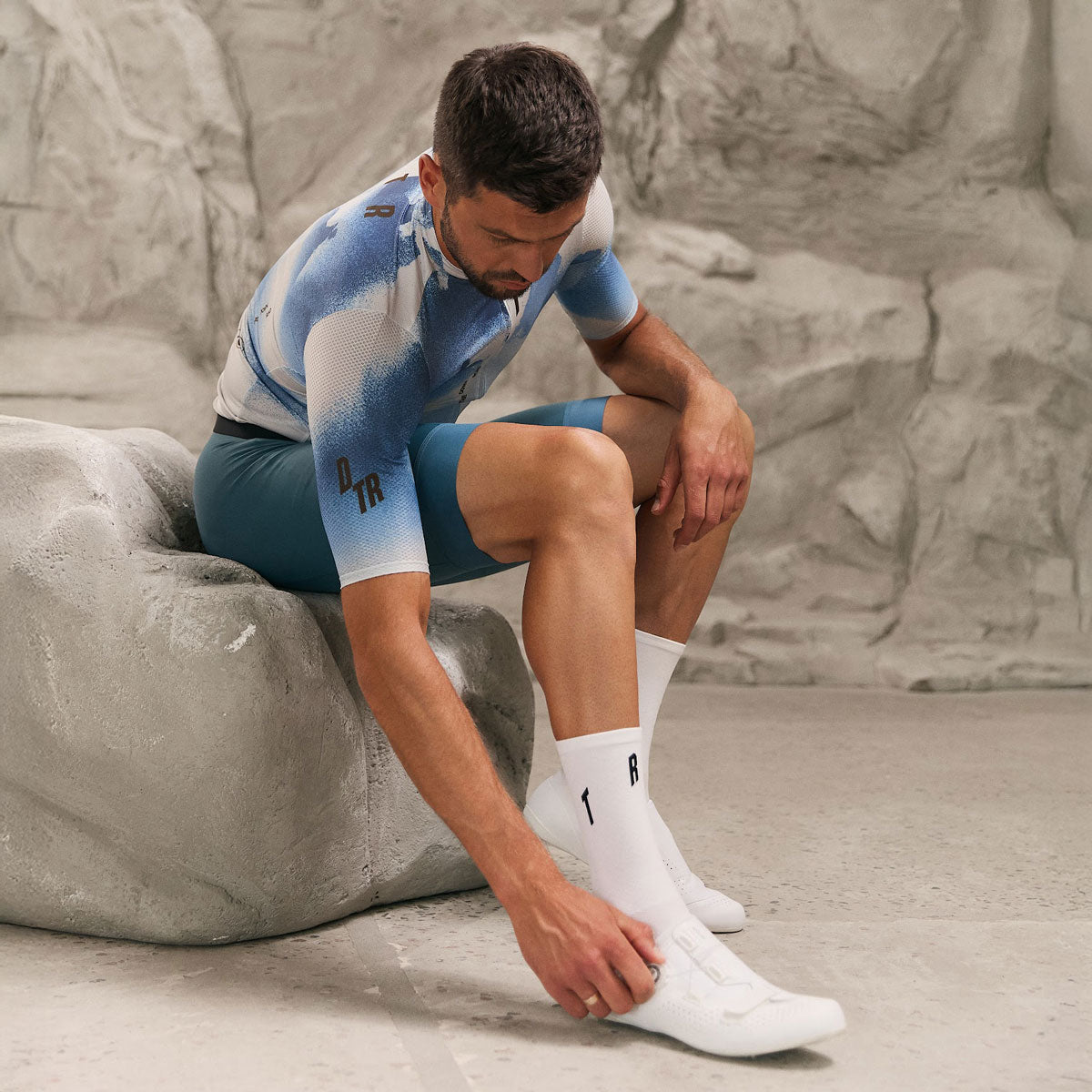
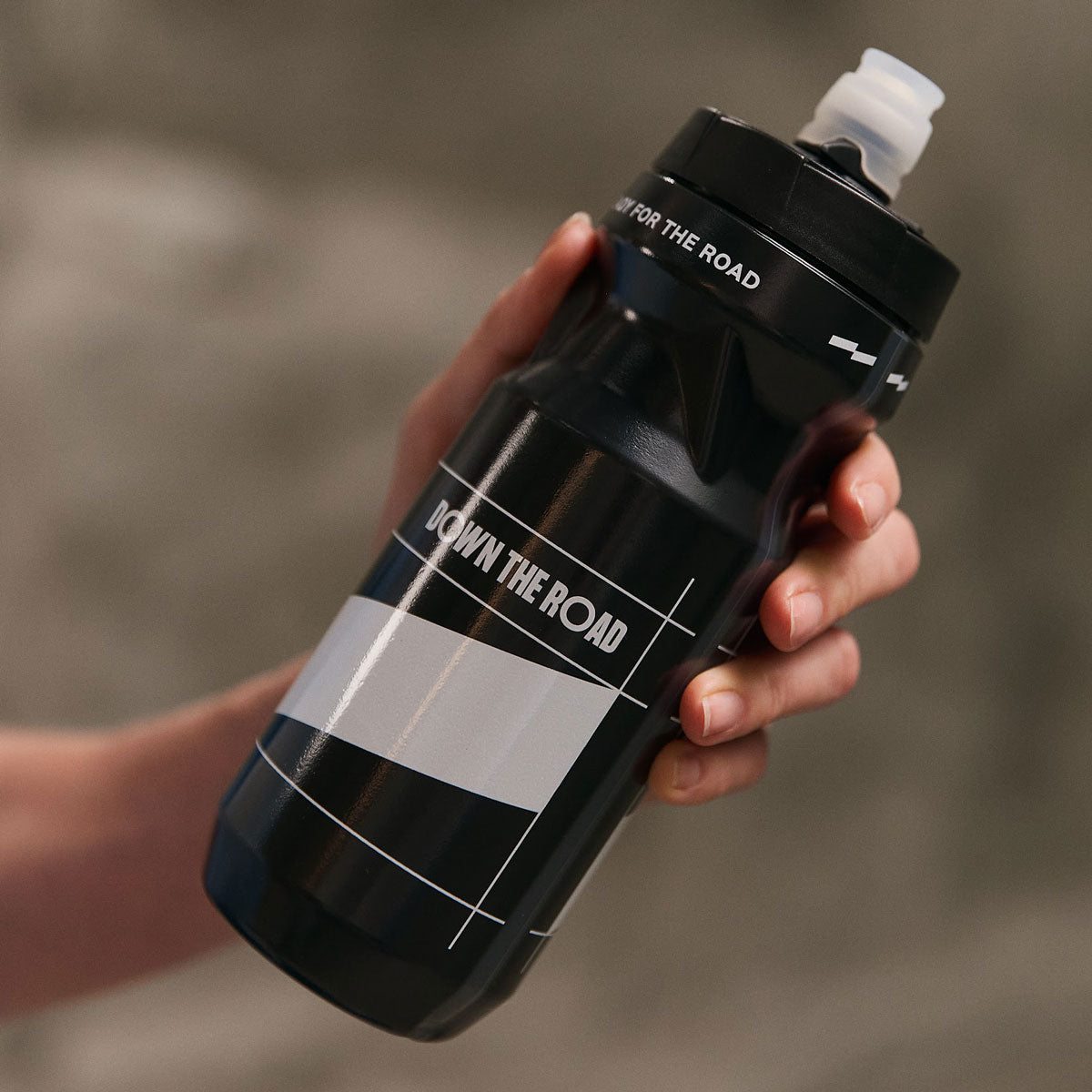
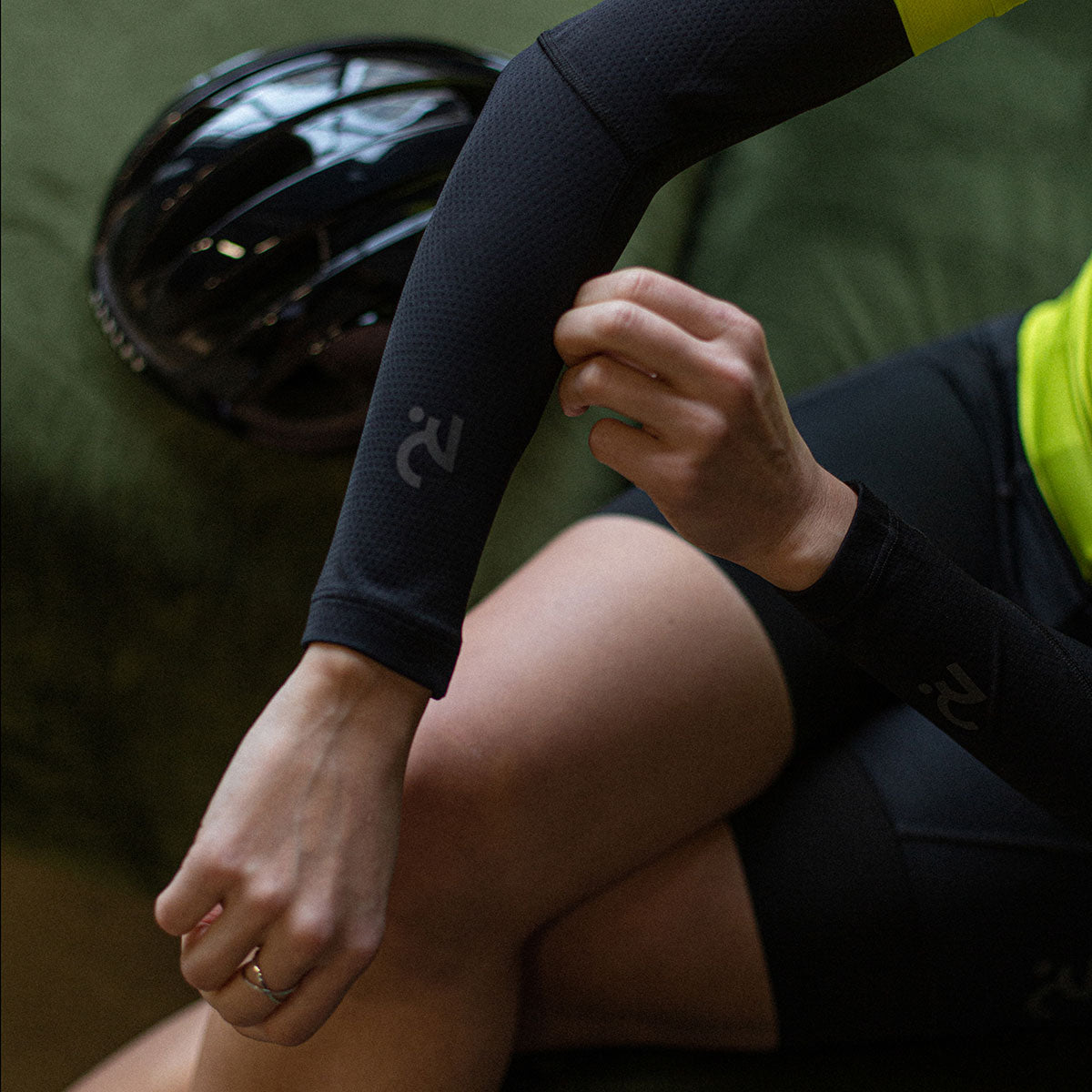
A club kit reorder should look identical to the batch before it — and it does, when your design stays on file with your supplier. At DTR every custom design is kept on record, so a reorder skips the design phase entirely and goes more or less straight to production. This guide covers how reorders work, colour consistency, and how to plan them around your season.
Why reorders go straight to production
Because the design work is already done. Your artwork, colour references, logo placements and product specs are all on file from the original run, so a reorder needs no design rounds and carries no redesign risk. The timeline collapses to roughly the production window — 6–8 weeks — instead of the three-to-four-month first-order project.
If you are planning a first order and a reorder cycle together, the custom kit timeline covers the full calendar.
Will the colours match the last batch?
Yes — that is the point of the design staying on file. The same artwork, the same colour references and the same sublimation process go into every batch, so this year's jersey lines up beside last year's on the club ride. Sublimation prints the design into the fabric rather than onto it, which is what keeps colours stable across production runs.
Fabric batches can vary within tight tolerances, but the design itself — colours, placements, proportions — is reproduced from record, not re-created from memory.
What about a few new members mid-season?
Small reorders are normal orders. With minimums from 5–10 pieces, kitting out a handful of new members mid-season does not require a full club order — collect their sizes, confirm the products, and the batch goes to production against the existing design.
The practical tip: batch new-member requests monthly or quarterly rather than one by one, so each reorder clears the minimum comfortably.
When should you plan reorders?
Alongside your season, not in reaction to it. Two windows cover most clubs: a pre-season top-up ordered three months before the first race — counted like any order, production window included — and a mid-season batch for new members. Clubs that grow predictably simply make the reorder a fixed line in the annual calendar.
Running low on popular sizes is the usual trigger for a panic order; a quick size census before the season replaces the panic with a plan.
Keep the design, or evolve it?
Keep it, by default. A consistent design is how a club stays recognisable in the bunch and how sponsors get the visibility they signed up for. Evolve it deliberately and at season boundaries — not mid-cycle — so old and new kit still ride together without looking like two clubs.
Small changes are light: a sponsor swap or an added logo is a quick revision to the file on record, not a redesign. Bigger changes deserve a proper design round — and a look at whether this is really a reorder or the start of a new kit generation.
FAQ
How fast is a club kit reorder? Roughly the production window — 6–8 weeks — since the design phase is already done.
Can new members order individually? Orders run through the club, with minimums from 5–10 pieces — batching new-member requests is the practical route.
Can we change a sponsor logo on a reorder? Yes. A logo swap is a light revision to the design on file, not a redesign.
Does our design expire? No — it stays on file for future reorders.
The bottom line
A design on file turns kit from a project into a supply line. Tell us your brief — or your reorder — and we will take it from there: request a quote.
DTR — performance cycling and triathlon apparel, designed and developed in Ukraine.

Leave a comment
This site is protected by hCaptcha and the hCaptcha Privacy Policy and Terms of Service apply.