
Custom cycling kit takes seven to nine weeks from approved design to delivery — plus a design phase up front that moves as fast as your decisions do. That's the honest answer, and it's a timeline you can plan around. This guide walks through every stage from first brief to kit in hand, what stretches the schedule, and how to count backwards from race day.
The timeline at a glance
Four stages: brief, design, sign-off, production. The brief and design phase typically takes one to three weeks depending on how many revision rounds you want. Production runs seven to nine weeks from the moment you approve the final design and sizes. Delivery ships from Europe. End to end, a comfortable plan is three to four months before the day you need the kit.
What happens in the design phase
You send the brief — colours, logos, references, the look you're after — and get back a design proof to react to. Revisions loop until it's right: nothing goes to production without your sign-off. This phase has no fixed length because it's driven by your feedback speed; clubs that answer in days keep the whole project on the fast track.
The practical accelerator: agree internally on who has the final word before the first proof arrives. Kit projects lose more weeks to committee debate than to production.
Why production takes seven to nine weeks
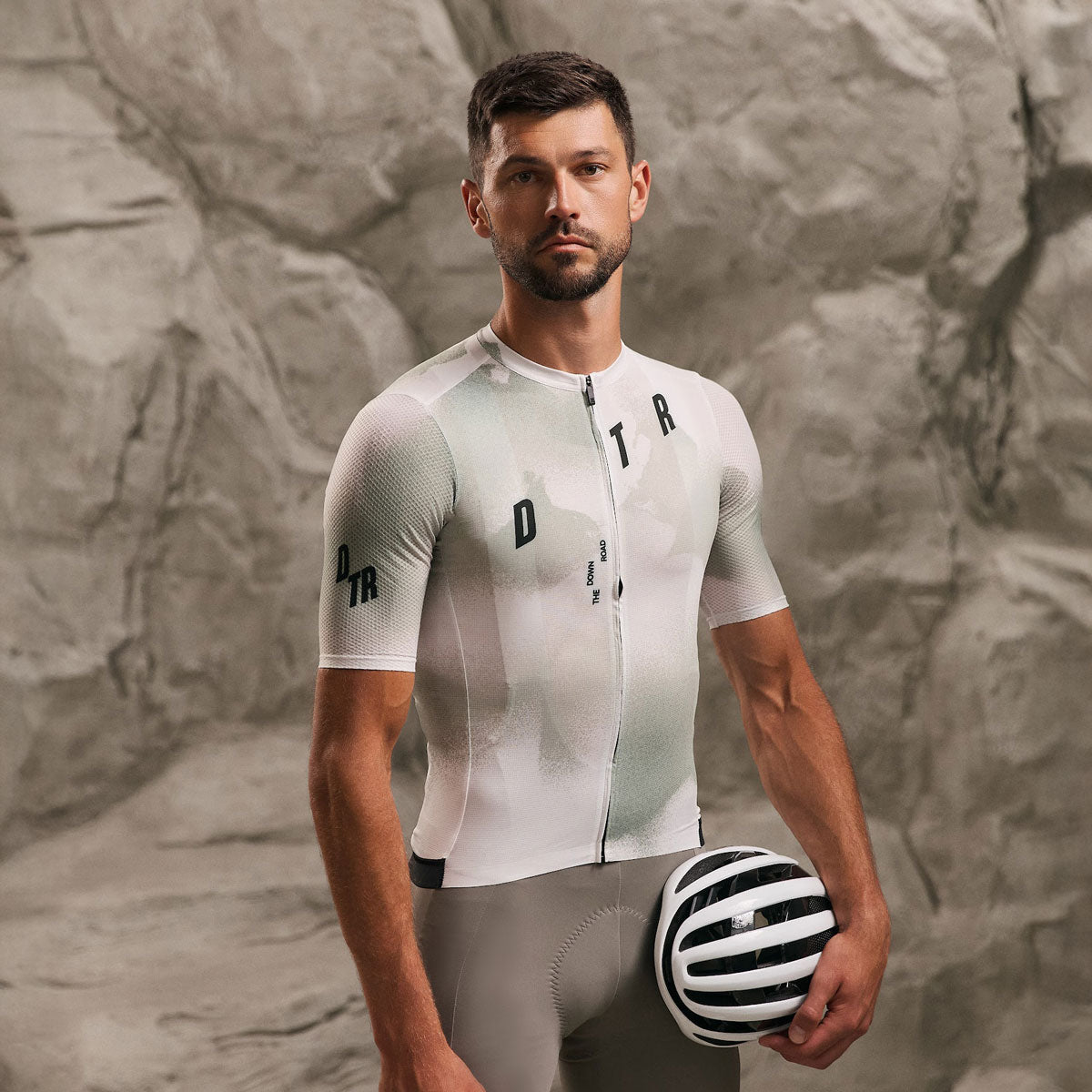
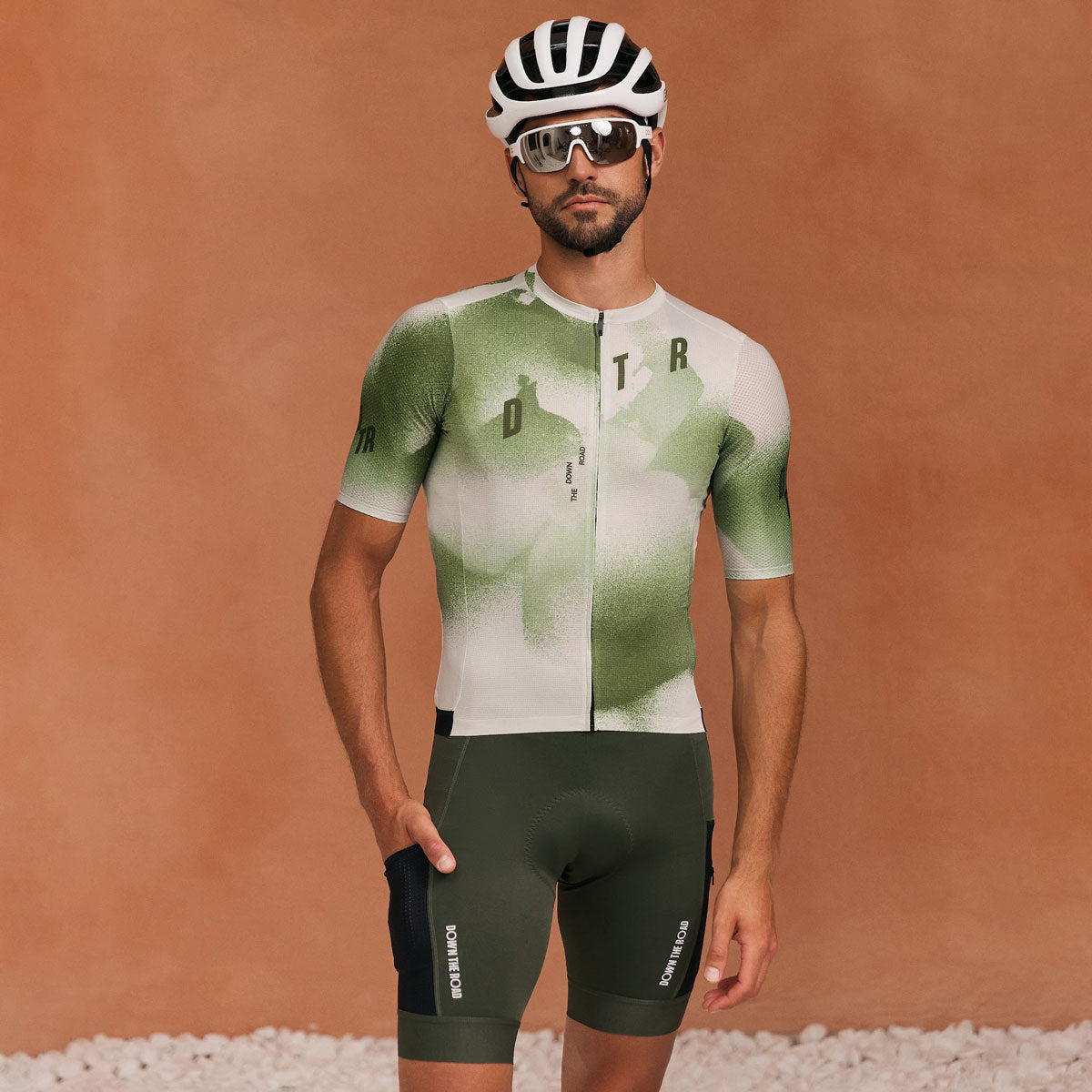
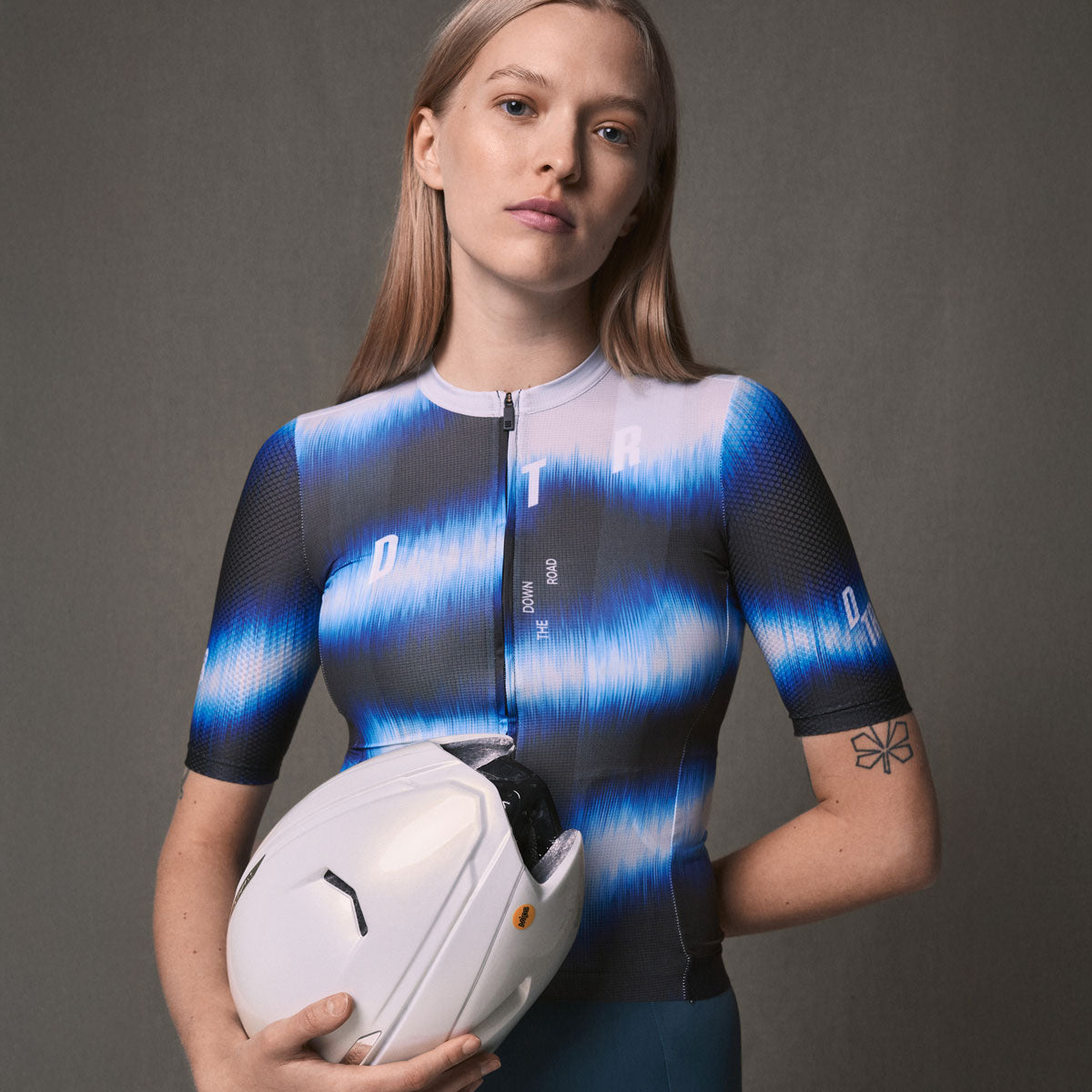
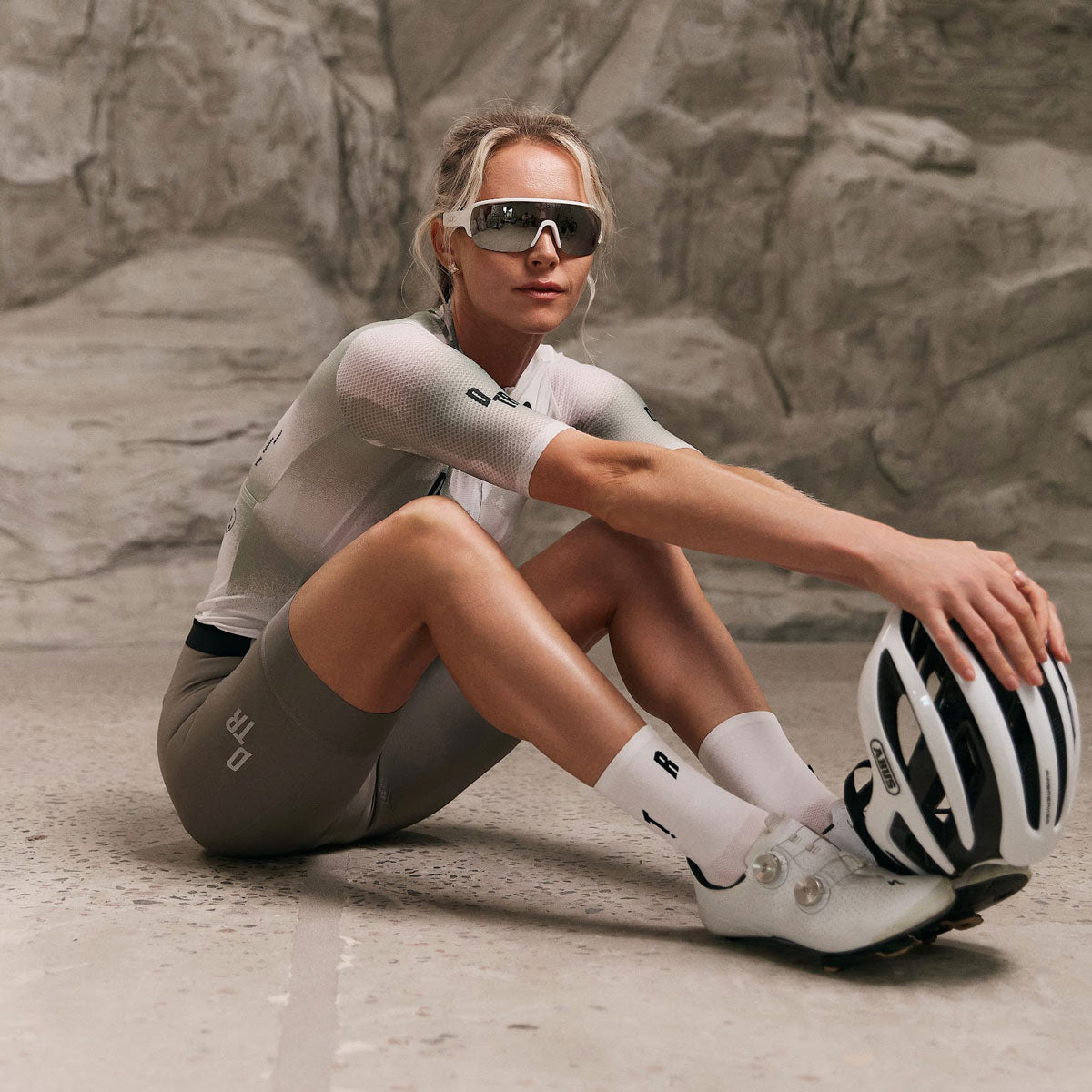
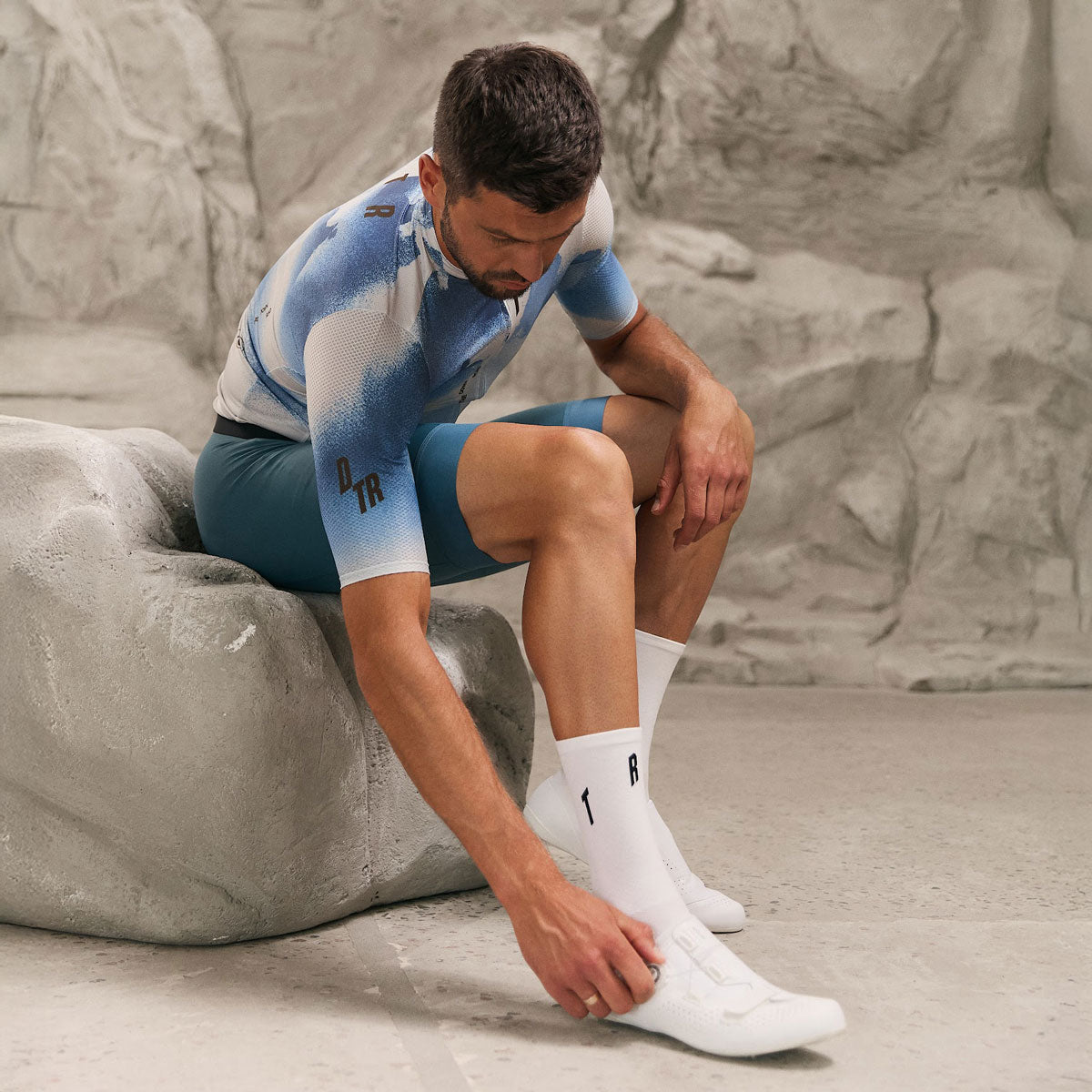
Custom kit is made to order, not pulled from a shelf: fabric is printed by sublimation, panels are cut, garments are sewn, and every piece passes quality control before packing. Each step is the same process used for DTR's own-line apparel — the same chamois, the same construction — which is why the window doesn't compress much. It's manufacturing, not printing.
What stretches the timeline — and what doesn't
The usual stretchers: size collection arriving late, long revision loops, and adding new garment types mid-project. Holiday production periods add time in December and August. What doesn't stretch it: order size — a 10-piece club order and a 100-piece event order move through the same stages on similar schedules.
Collect sizes while the design is still in revision, not after sign-off. Running both tracks in parallel is the single biggest time saver available to you.
Planning backwards from race day
Take your event date and subtract: two weeks of buffer, seven to nine weeks of production, and your realistic design phase. For a June event, that means briefing in February or March. Spring club kit for the new season means starting before Christmas. Late is recoverable — but buffer is what turns a delivery delay from a crisis into a footnote.
Reorders run faster
Once your design is on file, repeat orders skip the design phase entirely: confirm sizes and quantities and go straight to production. Clubs that top up each season plan around the production window alone — one more reason the first project is the slowest one you'll ever run.
FAQ
What's the minimum order?
Custom starts from 5–10 pieces depending on the product — club-sized, not factory-sized.
Can a deadline be rushed?
Sometimes, within limits — tell us the date in the brief and we'll say honestly whether it's achievable before anything is committed.
When do sizes need to be final?
At design sign-off, when production begins. Collect them during the design phase and they'll never be the bottleneck.
Tell us your brief and we'll take it from there: /pages/cycling-triathlon-custom-apparel.
DTR — performance cycling and triathlon apparel, designed and developed in Ukraine.

Leave a comment
This site is protected by hCaptcha and the hCaptcha Privacy Policy and Terms of Service apply.