
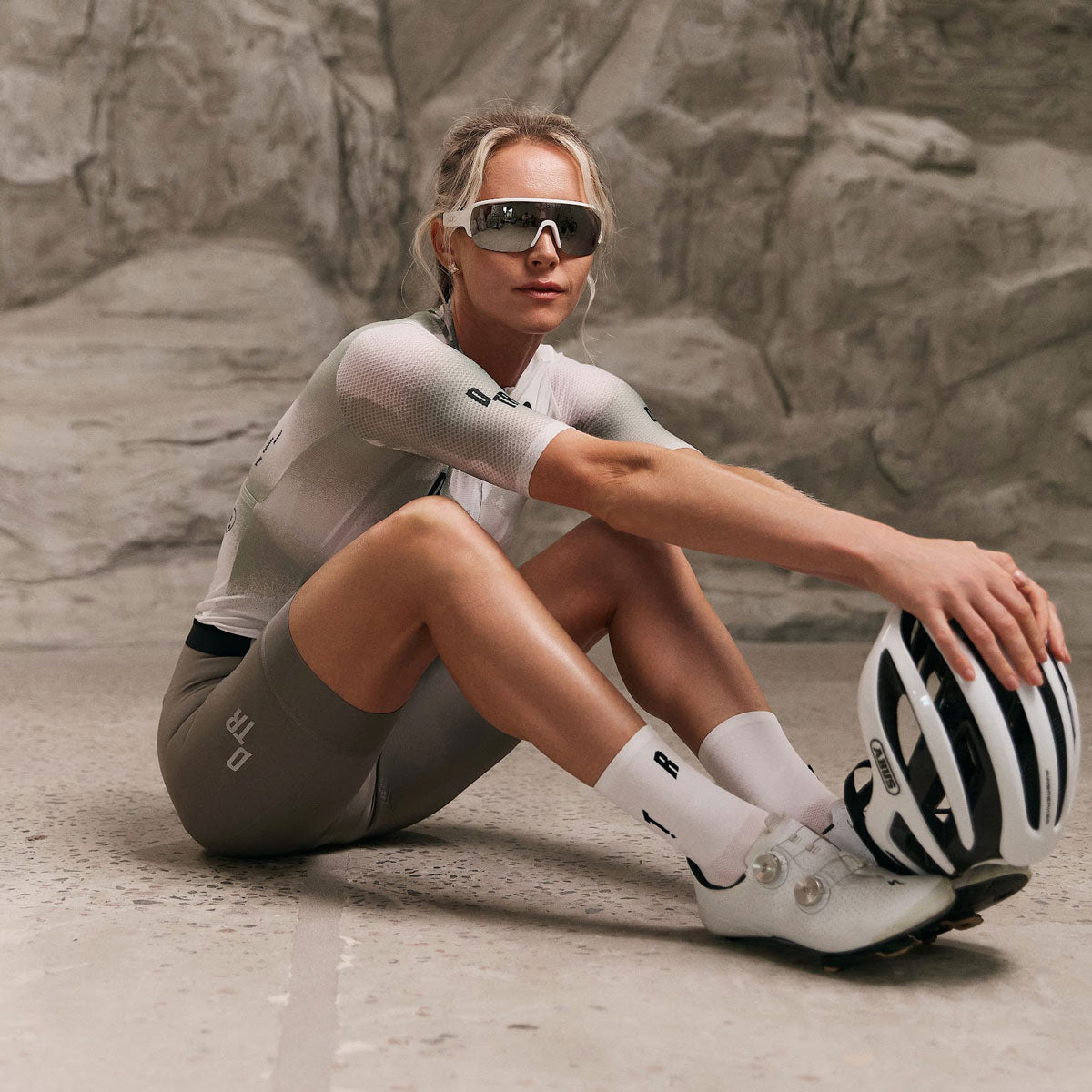
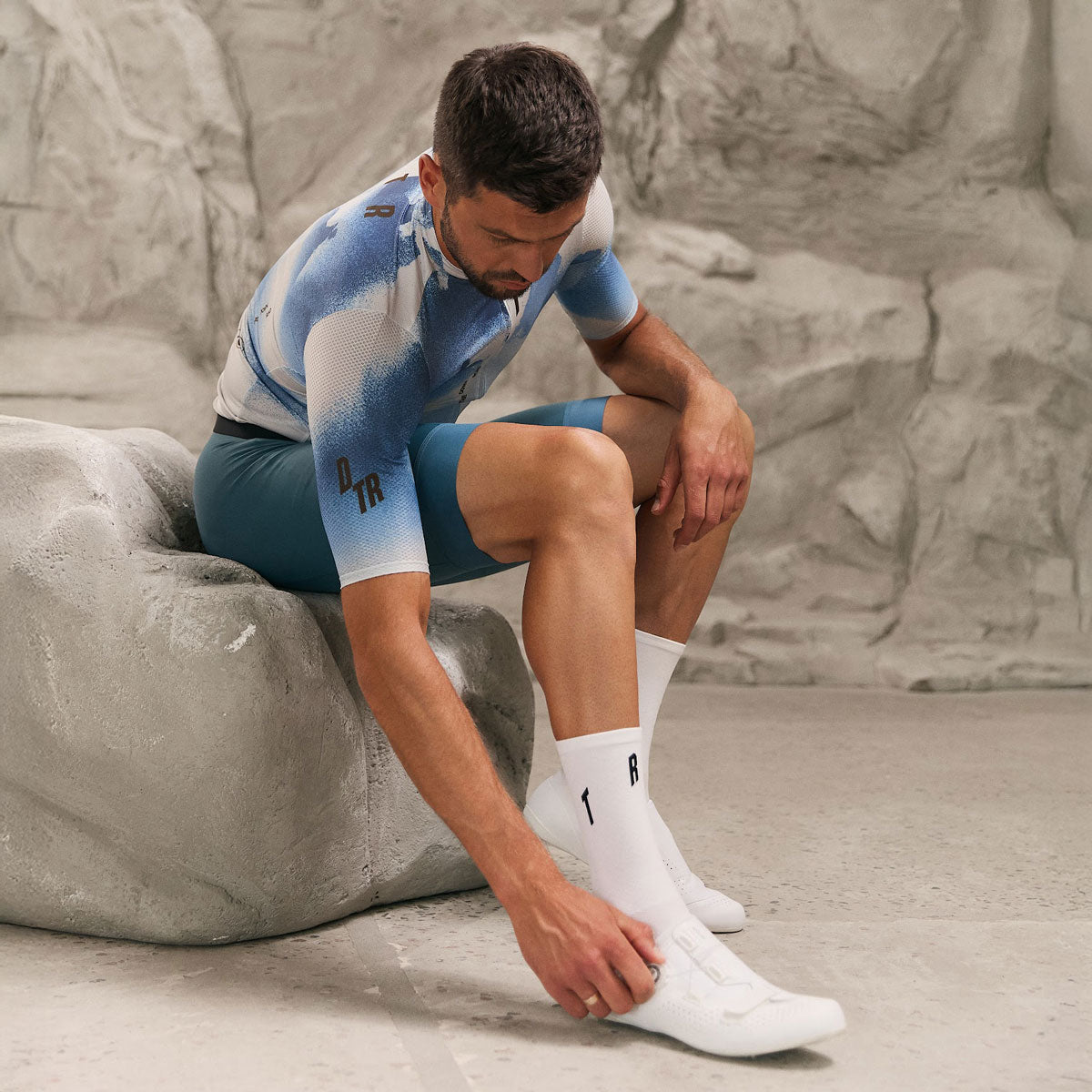
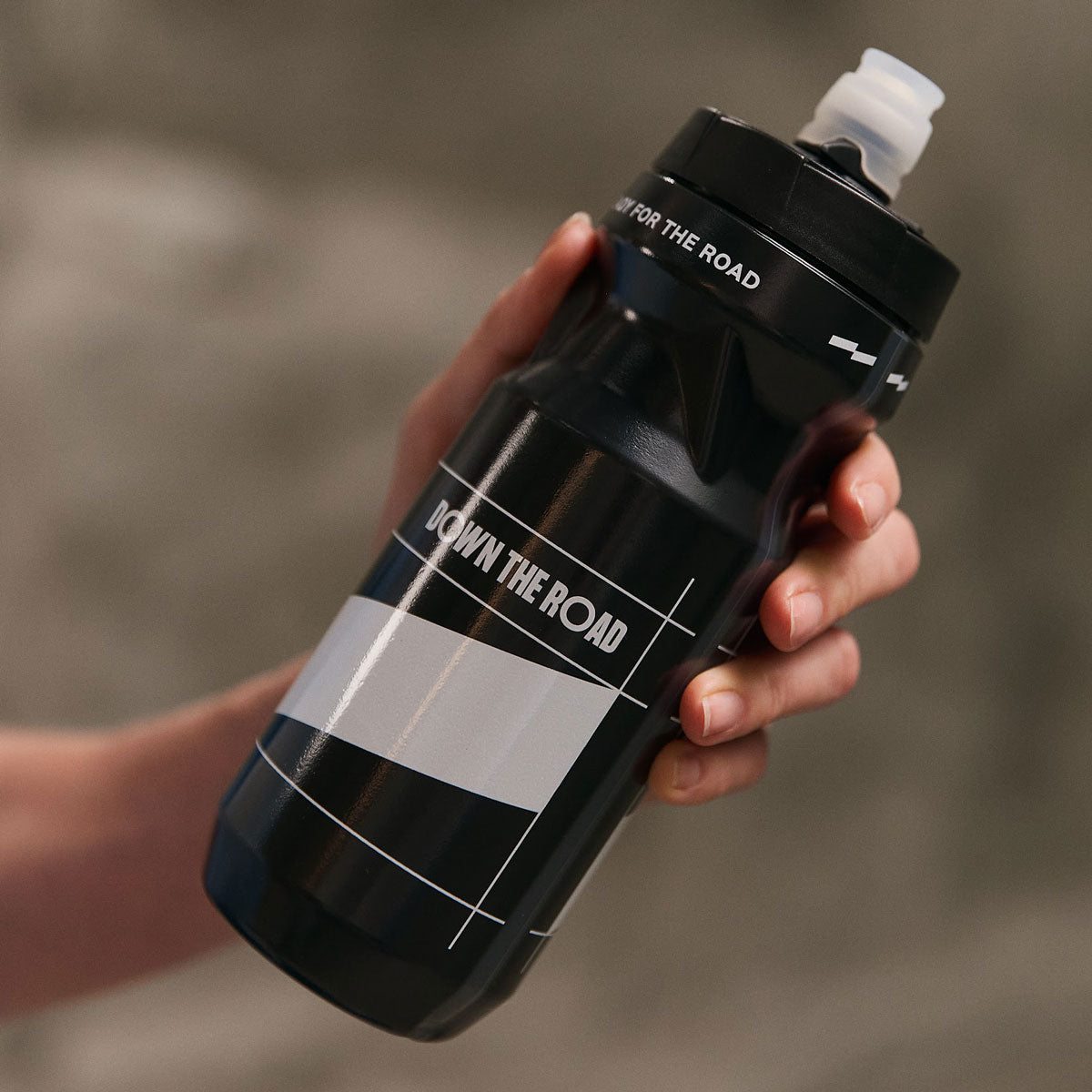
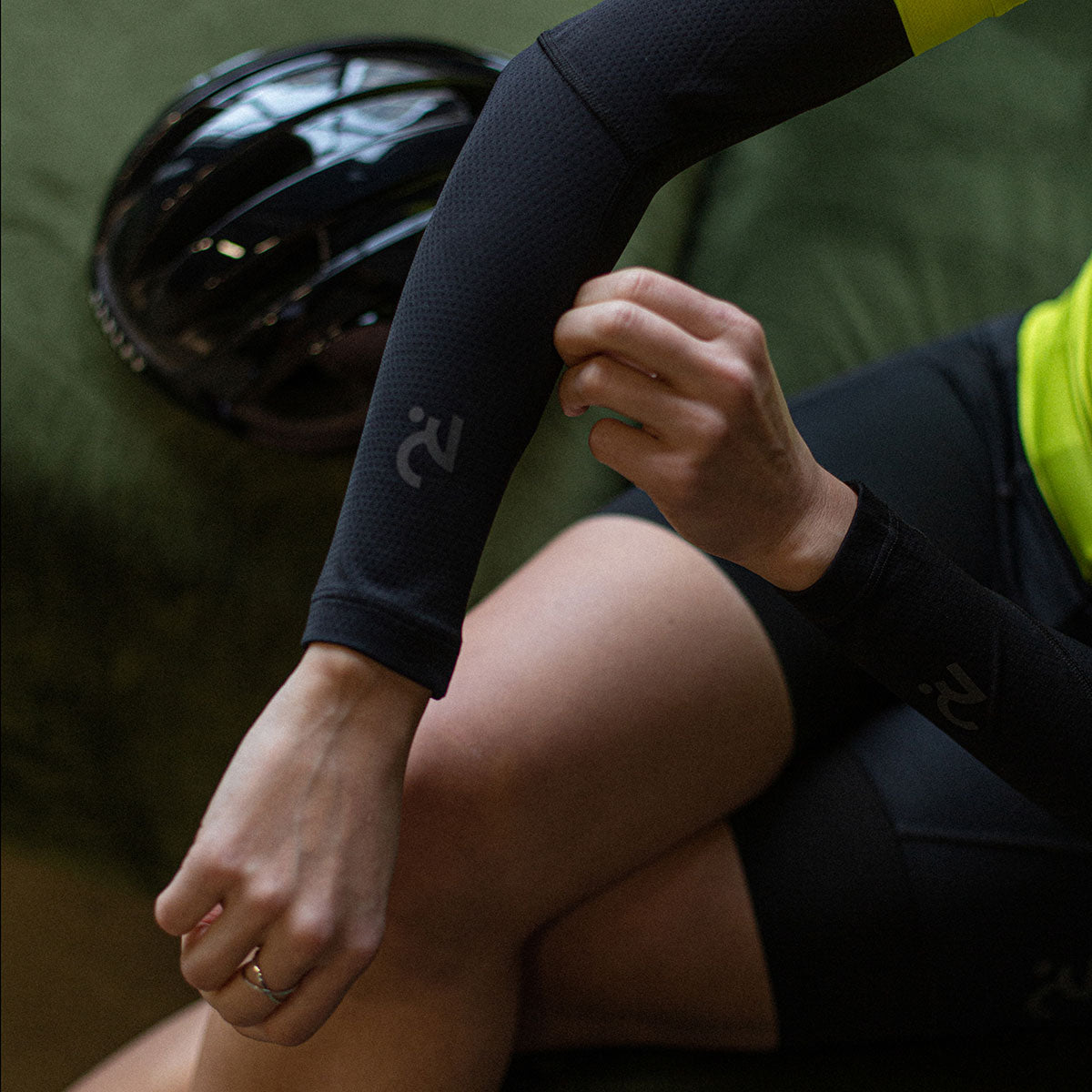
A great club kit isn't about being a designer — it's about making a few decisions in the right order and handing a clear brief to people who design kit for a living. Get the colours, logos, styles and sizing right, and DTR turns them into a kit your whole club is proud to wear, from five pieces per design. Here's how to design club kit that works, step by step.
You don't need a finished design to start
The biggest thing that stops clubs ordering custom kit is thinking they need a designer or finished artwork. They don't. A colour, a logo, and a rough idea is enough to start — DTR's team builds the design on real product templates and you react to it. Your committee doesn't need design skills; it needs to make a few clear choices and give consolidated feedback. This guide walks through those choices in the order that makes them easy.
Step 1 — Decide your colours
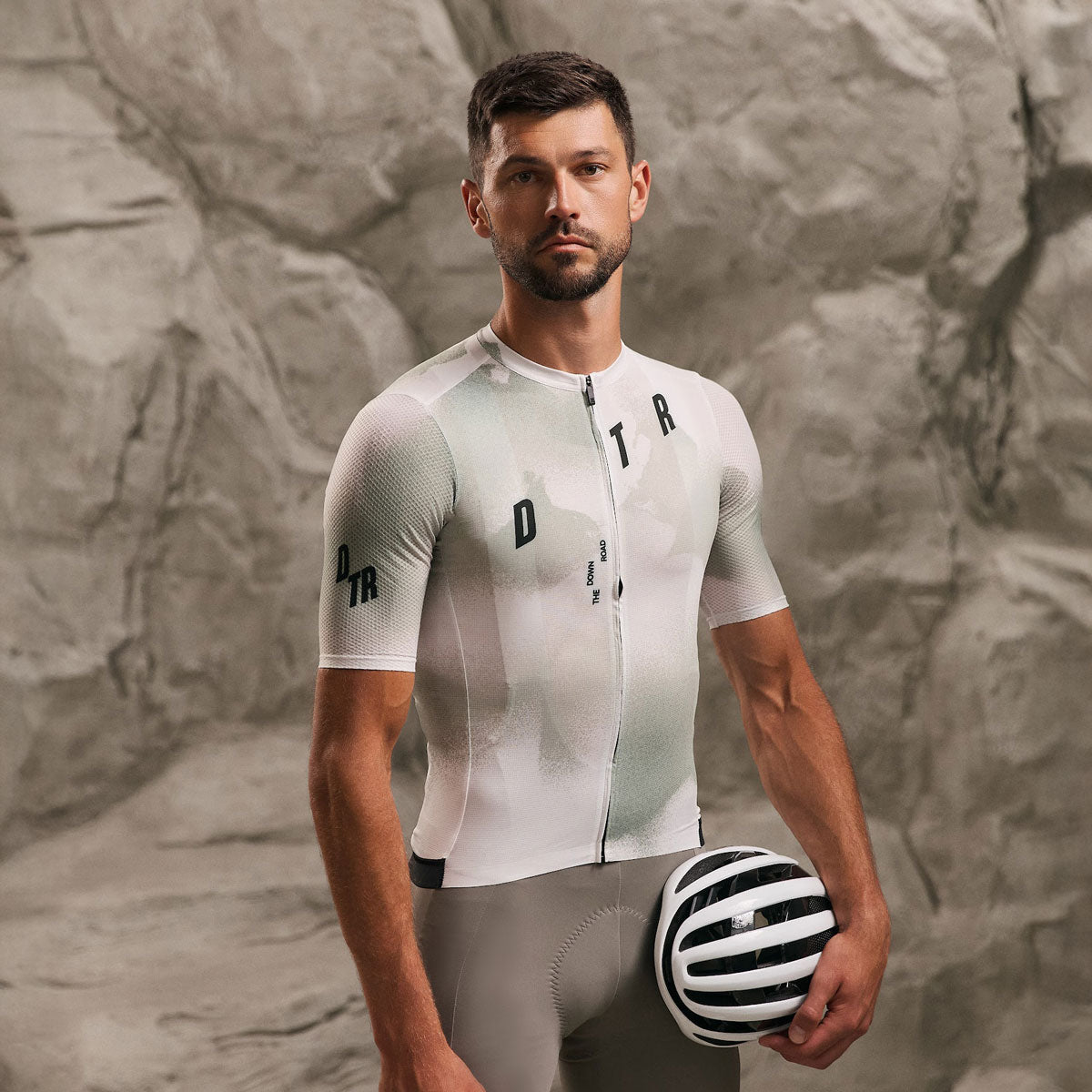
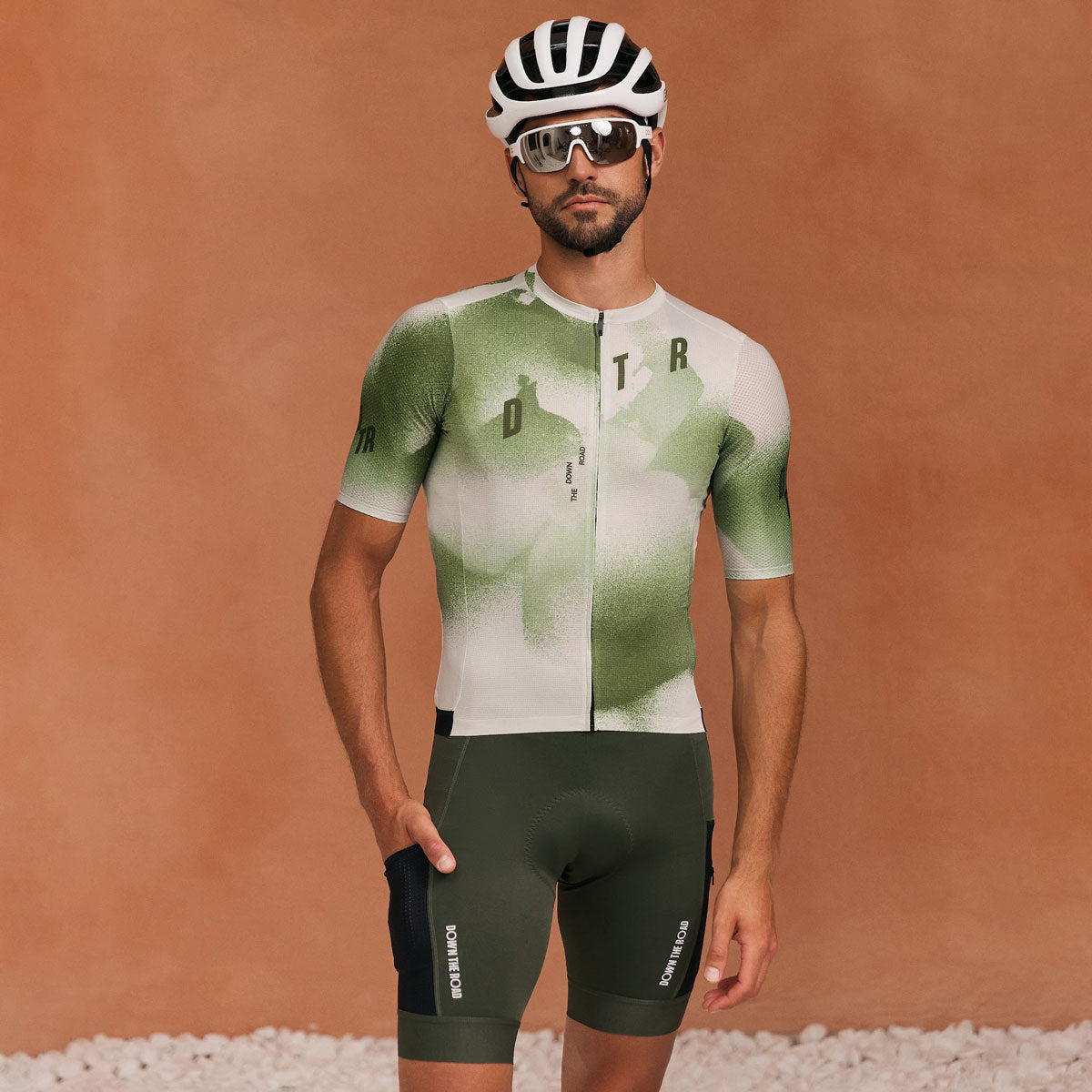
Start with one or two core colours and, at most, a single accent. A tight palette reads cleaner at speed and looks more like a team than a patchwork. A few practical points: brighter colours are more visible on the road, which is a genuine safety benefit; think about how the colours look from a distance and in a bunch, not just up close on a screen; and be careful with white and very light kit, which shows dirt, sweat and wear faster than mid or dark tones. Because everything is full-colour sublimation, any colour is possible and the design is dyed into the fabric, so it holds its colour season after season. If your club has set colours or Pantone references, share them for an exact match.
Step 2 — Place your logo and any sponsors
Decide where your club logo goes — typically the front chest, the back, and the sleeves — and make sure it's big enough to read from a distance, not shrunk into a corner. If you have sponsors, sort out the hierarchy before the design starts: who goes where, and at what size, so no partner feels short-changed. Sublimation lets logos sit on any panel, which gives you flexibility, but resist the urge to cram everything on — a clean layout looks more premium than a cluttered one, and readable placement does more for a sponsor than a crowded one. Provide vector logo files where you can, so everything reproduces crisply.
Step 3 — Choose your styles
Pick the pieces your club actually rides. Most start with the core — jerseys in short and long sleeve and bib shorts — then add gilets and windbreakers for the shoulder seasons, trisuits if members race triathlon, and socks and accessories to finish the look. Every style shares the same design, so the whole range reads as one kit. There's no need to launch everything at once: start with a jersey and a bib, and expand the range as the club grows.
Step 4 — Design for the whole club, not just the fast riders
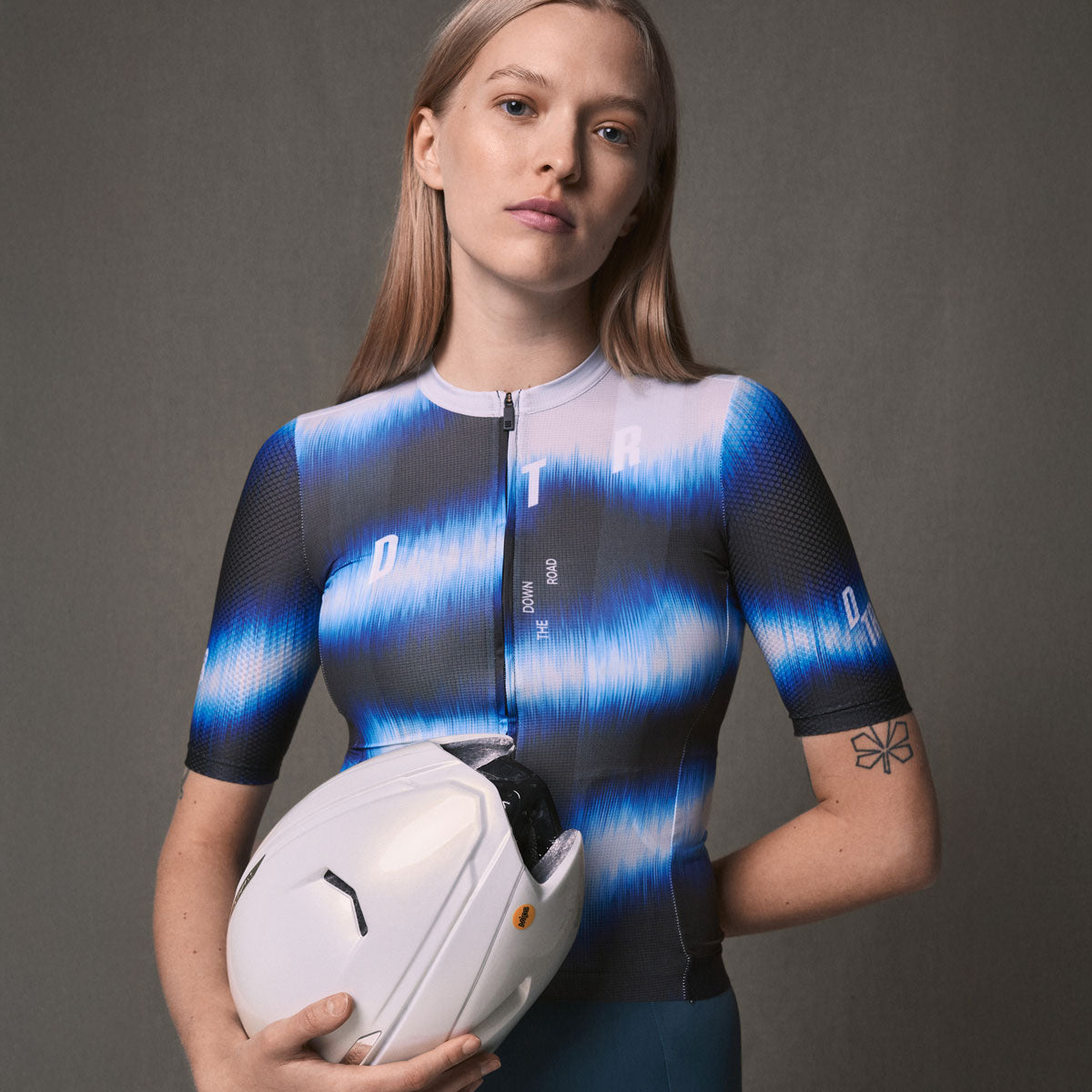
A club kit has to look good on every member, not just the racers at the front. Design with men's and women's cuts and the full size range in mind — a layout that works on a small and a 2XL, and reads well on every body shape. Favour a design you'll still like in three years over a trend that dates in one season, because a club kit lives for years and your approved design stays on file for reorders. The best club kits are the ones every member is happy to be seen in, not just the ones that photograph well on the club's quickest rider.
Step 5 — Review the mockups and approve
DTR presents two to three design routes on real product templates, so you're judging the kit as it'll actually look, not a flat sketch. When you review, check the colour accuracy, the logo size and placement, how it reads front and back, sponsor positions, and whether it works at a glance from across a car park. Gather your committee's feedback into one consolidated response rather than a scatter of individual opinions — it's faster and gives a cleaner result. Most orders are approved within a couple of rounds, and nothing goes to production until you sign off.
Design do's and don'ts
Do keep it simple and high-contrast, built around one strong idea. Do keep your colours consistent across every piece. Do make logos big enough to read, and design for both genders and every size. Don't use too many colours, or shrink logos so small they disappear at speed. Don't lean on white or very light panels that stain and show wear. Don't chase a trend that'll look dated next season, and don't try to give every sponsor equal top billing — a hierarchy looks more professional than a wall of logos.
After approval: your design is on file
Once you approve, your design is saved, so reorders need no redesign — new members slot straight into the same kit, and an annual refresh is optional rather than a fresh project each year. In practice, a club kit is a one-time design followed by simple reorders, which is what keeps the whole club in matching kit as it grows.
How DTR designs your club kit
Every order comes with free design support, so the design work is done for you on real product templates, with two to three routes to react to. Orders start from five pieces per design, which keeps custom realistic for smaller clubs, and turnaround is typically six to eight weeks depending on the season. Pricing is quote-based, built around your styles, quantities and finish — you share the brief and get a figure for your order. For the full picture on process, minimums and what you can order, see our complete guide to custom cycling kit.
FAQ
Do we need a designer or finished artwork?
No. A colour, a logo and a rough idea are enough — DTR's team creates the design on real templates and you give feedback.
How many colours should a club kit use?
Keep it tight: one or two core colours plus at most one accent. A simple, high-contrast palette reads better at speed and ages better than a busy one.
How many design rounds do we get?
DTR presents two to three design routes, and most clubs approve within a couple of rounds of feedback.
What's the minimum order for club kit?
Five pieces per design — for example, five of the same jersey design across sizes — so smaller clubs can order realistically.
How long does it take?
Typically six to eight weeks from approved design to delivery, though it varies by season, so confirm the lead time when you enquire.
Can we tweak the design next year?
Yes. Your design stays on file, so you can reorder as-is or make changes for a new season without starting from scratch.
Ready to design your club kit? Start your custom kit and DTR will take it from your brief.
—
DTR — performance cycling and triathlon apparel, designed and developed in Ukraine.

Leave a comment
This site is protected by hCaptcha and the hCaptcha Privacy Policy and Terms of Service apply.