

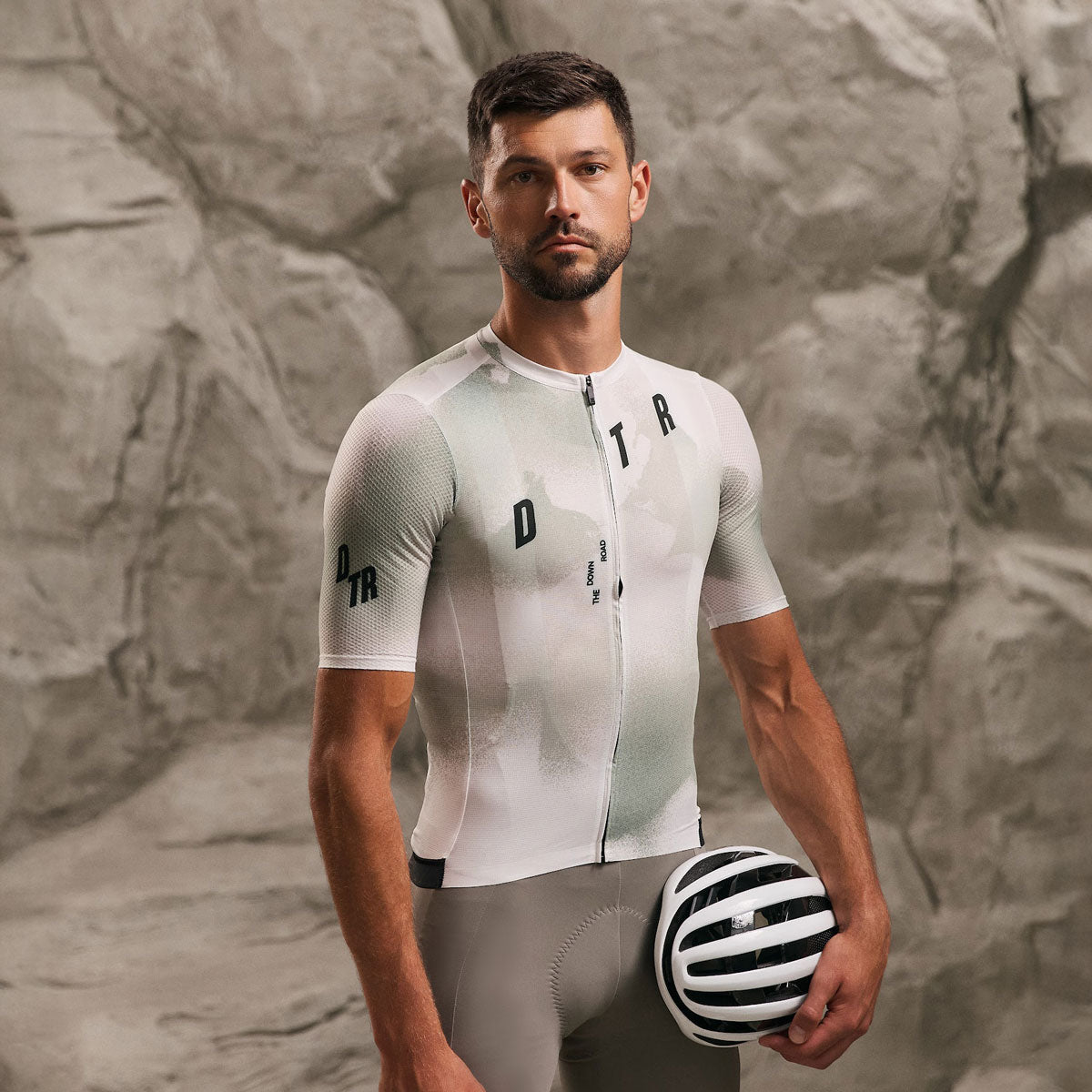
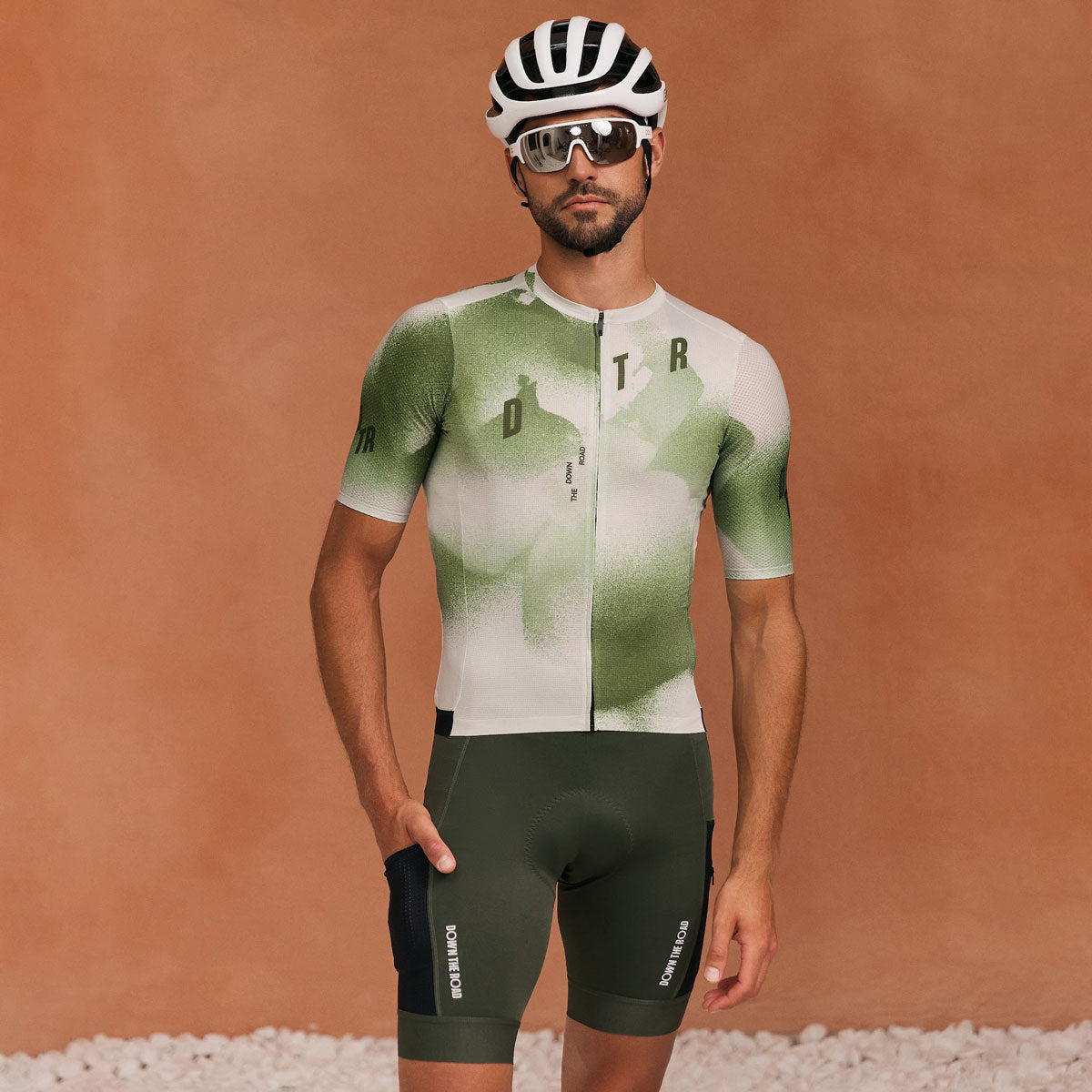
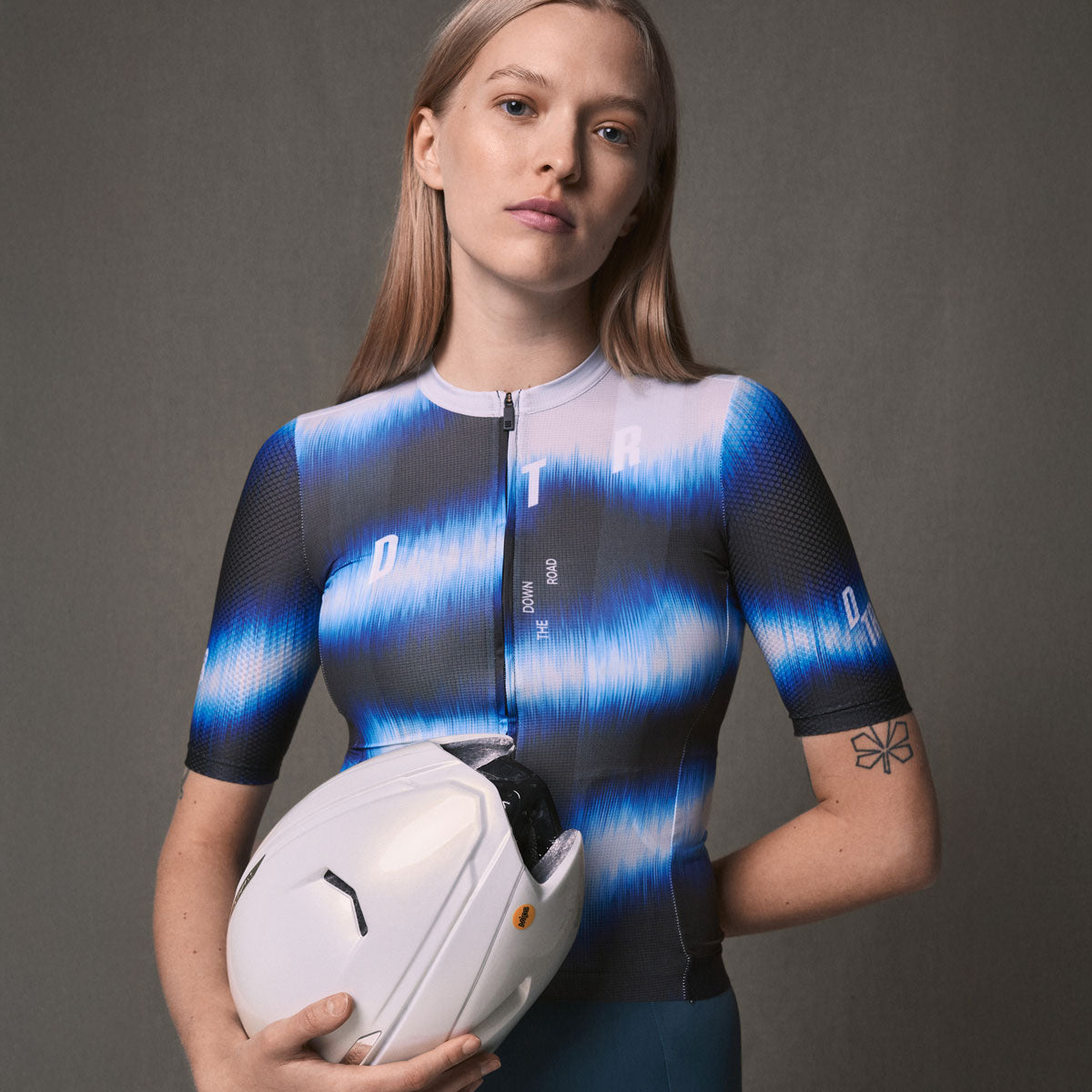
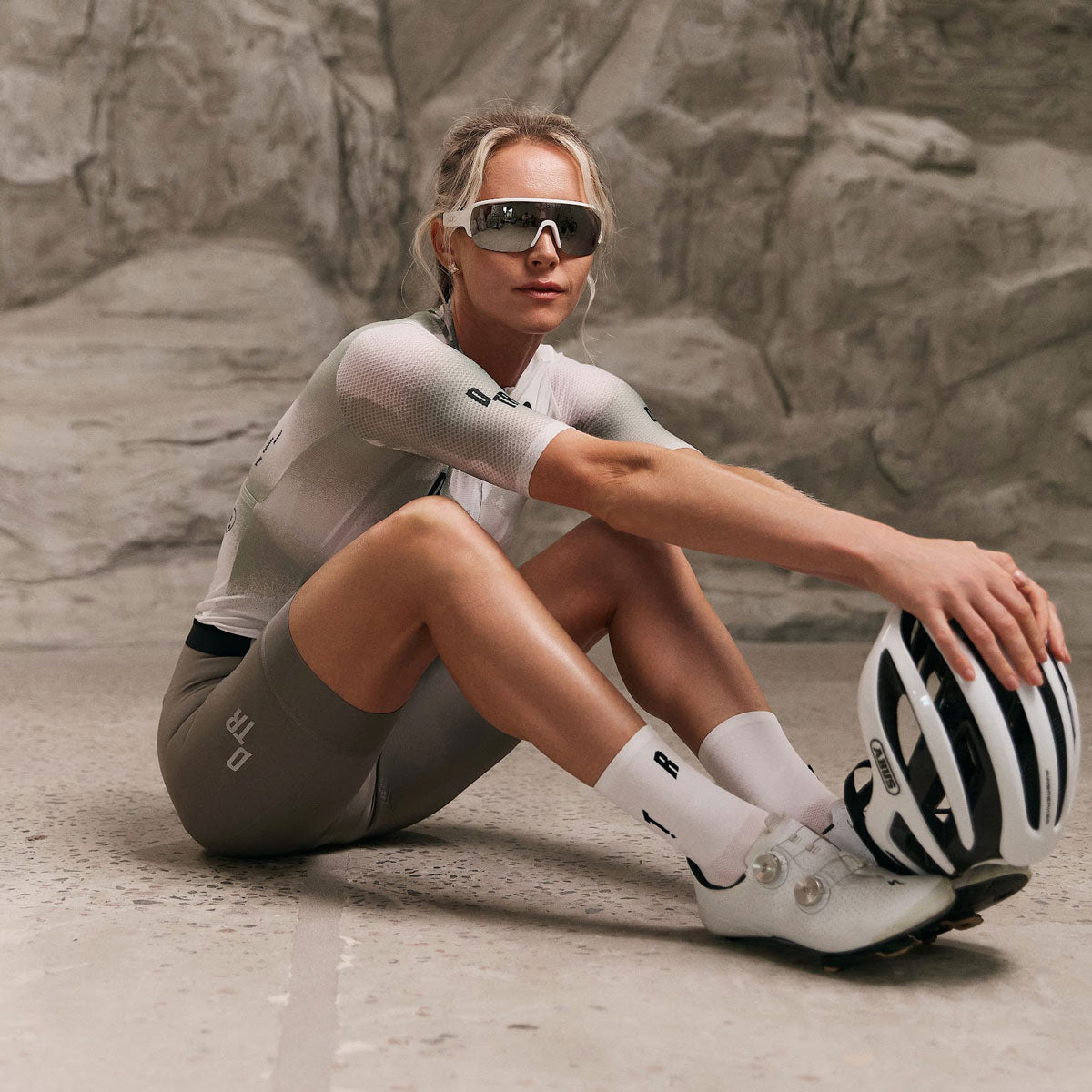
The useful innovation in a trisuit is not a trend label. It is a fabric that dries quickly, ventilation that works in race position, a fit that stays stable and a chamois matched to the distance you race.
Which changes actually matter on the course?
Useful changes reduce something you would otherwise manage: retained water after the swim, trapped heat, a moving leg opening, a pocket you cannot reach or a chamois that works on the bike but dominates the run. Start with the race use case, then test the feature in training rather than trusting a broad claim.
Does a sustainable material automatically make a better trisuit?
No. A material claim matters only when performance, durability and care are clear. Look for precise fabric and construction information, then judge it over repeated swim-bike-run sessions. The broader decision is covered in Sustainable Cycling Apparel in 2026; a trisuit still has to work under load on race day.
What should you test before you buy?
Test the fit in aero, access to pockets, drying after a swim session and the chamois over your expected bike duration. How to Choose a Trisuit and How Should a Trisuit Fit? give the practical checkpoints before a race becomes the first test.
Why is the chamois still the decisive piece?
The chamois has to support your bike position without becoming a distraction once you run. That is why distance matters more than a generic “performance” label. Use the trisuit chamois guide to match the construction to the hours you expect to spend racing.
How should a modern trisuit manage heat?
It should dry quickly after the swim, let warm air move through the upper body and remain stable when you change position on the bike. That is a system of fit and construction, not one magic fabric. Cycling in Hot Weather is a useful reminder that your kit and your pacing plan need to agree.
What should not change just because it is new?
Do not chase technology for its own sake. A close stable fit, reachable pockets and a chamois that works for your distance will outlast a vague innovation claim. If you are moving to a new model, use the care routine in How to Wash a Trisuit and test it in a brick before racing it.
How do DTR trisuits translate those priorities?
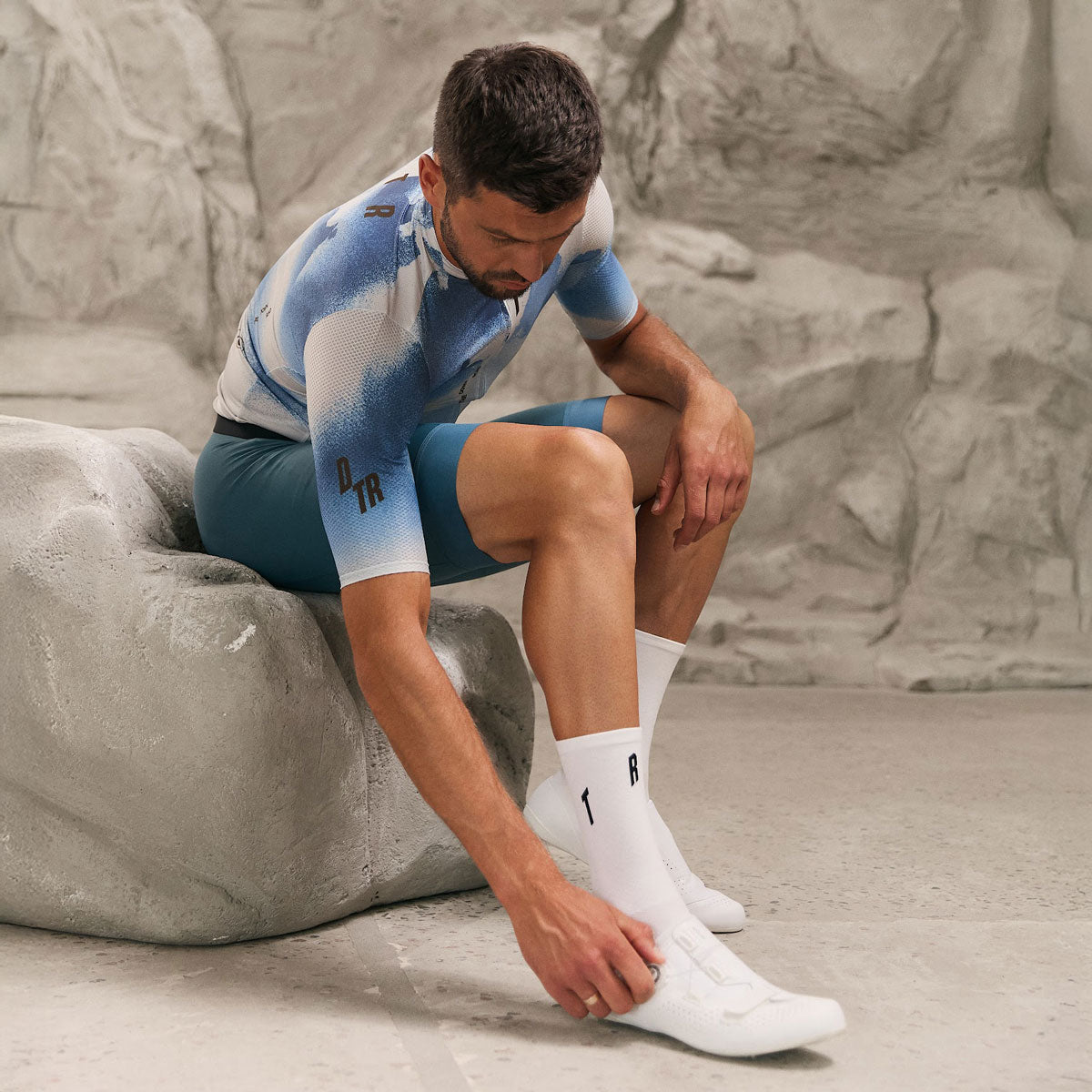
The DTR trisuit range combines a close race fit, moisture-wicking quick-drying fabric, breathable mesh panels, rear pockets and a triathlon-specific chamois. Individual product details matter, so choose by your distance, fit and race conditions rather than by a claim printed on a tag.
FAQ
What makes a trisuit modern?
A modern trisuit should solve practical race problems: it dries quickly, remains stable in aero, manages heat, stores nutrition and uses a chamois that suits the distance.
Is compression the most important trisuit feature?
No. Fit, fabric behaviour, pocket access and the right chamois are more useful priorities. Compression claims need product-specific evidence and should be tested in the position you race.
How do you test a new trisuit?
Use it for a swim-bike-run brick, check the fit in aero, practise pocket access and run long enough to know whether the chamois stays unobtrusive.
DTR — performance cycling and triathlon apparel, designed and developed in Ukraine.

Leave a comment
This site is protected by hCaptcha and the hCaptcha Privacy Policy and Terms of Service apply.