

Cyclocross calls for the same race-fit jersey and bib shorts you'd wear for a criterium, plus a base layer and a windproof layer you strip before the gun — the discipline is short, brutally hard, and raced in whatever autumn and winter throw at it, from dry hardpack to knee-deep mud. This guide covers what to wear by conditions, why fit matters more here than almost anywhere else, and how to handle mud, cold hands and the repeated efforts that make 'cross its own category of dressing.
Why a race-fit cut matters more in cyclocross than on the road
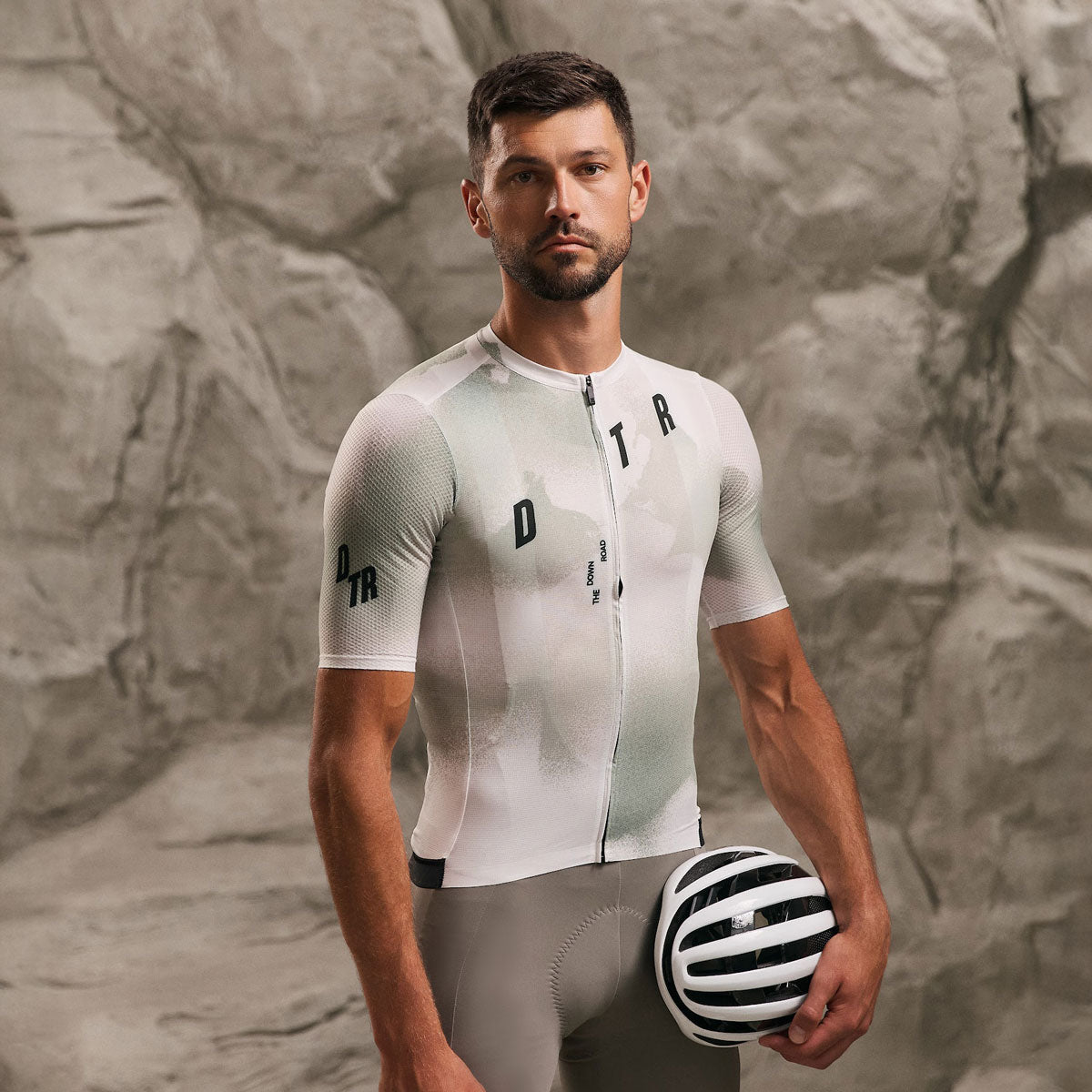
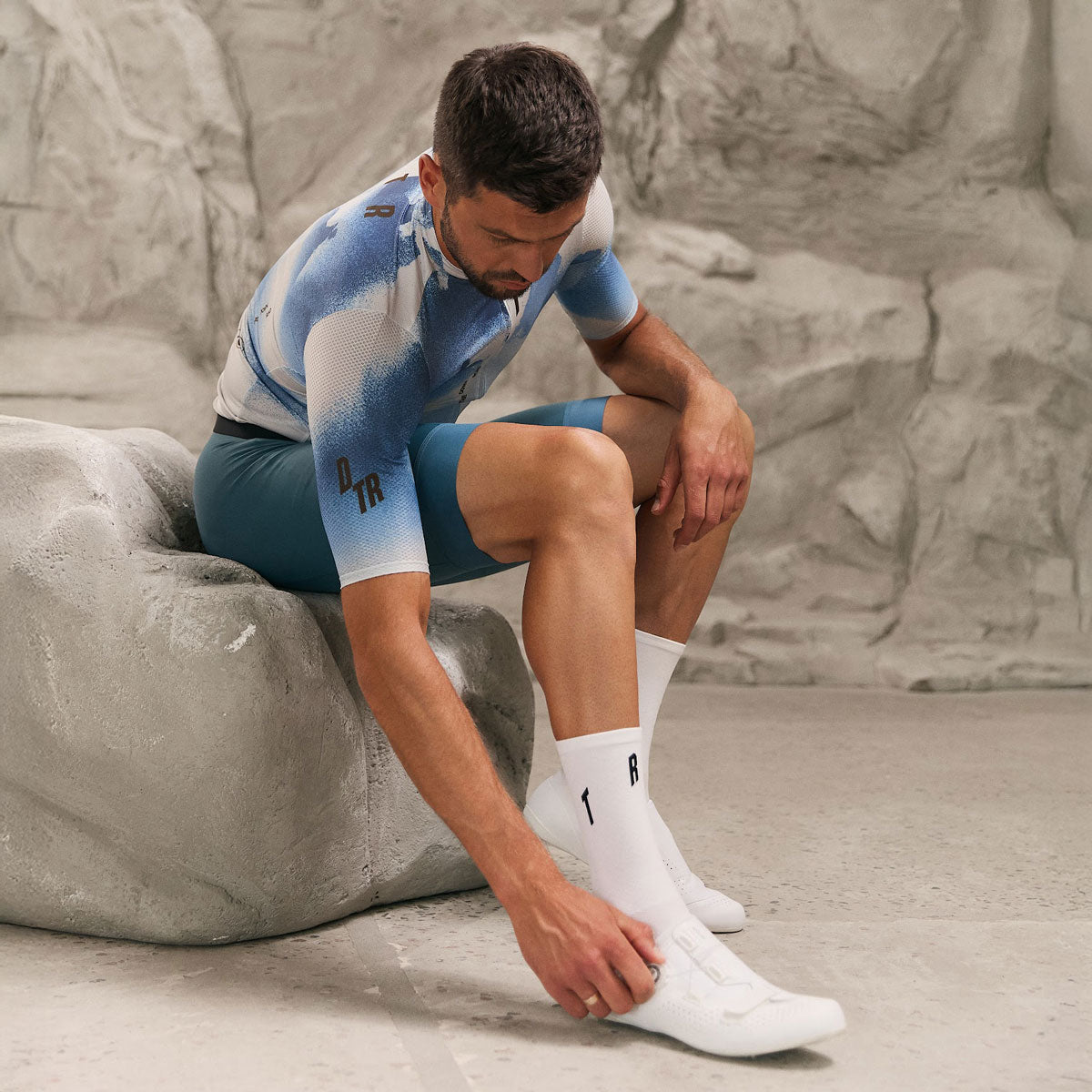
A cyclocross race is 30 to 60 minutes of running, remounting, shouldering the bike and sprinting out of corners — loose fabric snags on a shoulder carry, flaps in a dismount and soaks up mud instead of shedding it. A race-fit jersey and bib shorts cut close to the body move with you through those transitions instead of fighting you. This is one discipline where a relaxed fit costs you more than comfort.
Dressing for mud, not just cold
Cyclocross kit gets soaked and caked with grit in a way road kit never does, so quick-dry fabric and flatlock seams that don't trap mud matter as much as warmth. A single layer that dries fast beats two layers that stay wet — wet fabric against skin in a freezing pit lane is where a race goes from hard to miserable. Skip anything with exposed pockets that scoop up mud on a shoulder carry.
What to wear when it's dry and fast
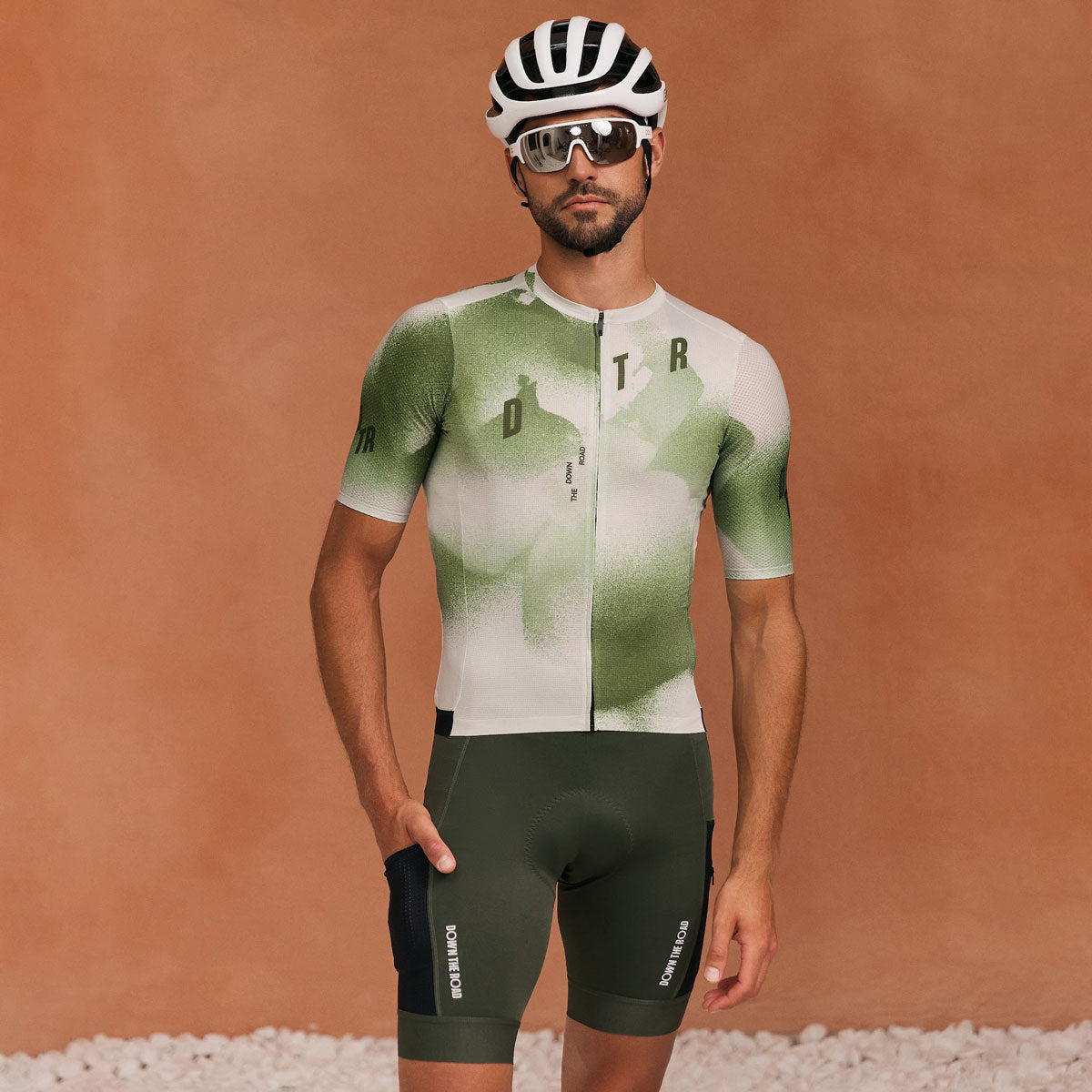
Above about 12°C and on hardpack, race in a short-sleeve jersey and bib shorts alone, the same combination you'd choose for a fast club race — see our gravel racing kit guide for the same fit logic applied to a longer, drier discipline. Arm warmers go in a jersey pocket in case the forecast is wrong, not on your arms at the start.
What to wear when it's wet and near freezing
Below about 8°C or in standing water and mud, add a thin base layer under the jersey and consider a long-sleeve jersey over bib shorts rather than tights — 'cross efforts run hot enough that most riders overheat in anything heavier once the race starts, even in genuinely cold conditions. Leave the thermal bib tights for the warm-up and change out of them on the start line; our cold-weather layering guide covers the trade-off between warming up and racing light in more depth.
What actually keeps your hands and feet working
Hands and feet suffer more in 'cross than in any other discipline DTR covers, because a muddy course means constant braking and dismounting with no chance to warm up by pedalling hard and steady. A pair of thicker cycling socks under muddy shoe covers holds more heat than most riders expect from something this thin.
Warming up without racing in your warm-up kit
Warm up in a windbreaker and full tights, then change into race kit in the last few minutes before your start — a cyclocross effort spikes your heart rate in the first thirty seconds, so you don't need to race in the same insulation you warmed up in. Keep a dry base layer and socks in your bag for the ride home; racing in soaked kit for another hour does nothing for you once the result is in.
Washing kit after a muddy race
Rinse mud off before it dries in the fabric, then wash as you would any technical kit — our guide to washing cycling kit covers the detail, and it matters more here than anywhere else, because dried-in grit is what wears out a chamois and a gripper fastest.
FAQ
Do you need special cyclocross-specific clothing?
No — a race-fit jersey and bib shorts built for road or gravel racing work for cyclocross too. What changes is layering by conditions and prioritising quick-dry fabric over warmth alone.
What do you wear cyclocross racing in the rain?
A long-sleeve jersey over bib shorts, no rain jacket — a shell traps mud spray and moisture against you in a way that makes a cold race feel colder. Save the windbreaker for the warm-up.
Do you need arm warmers for cyclocross?
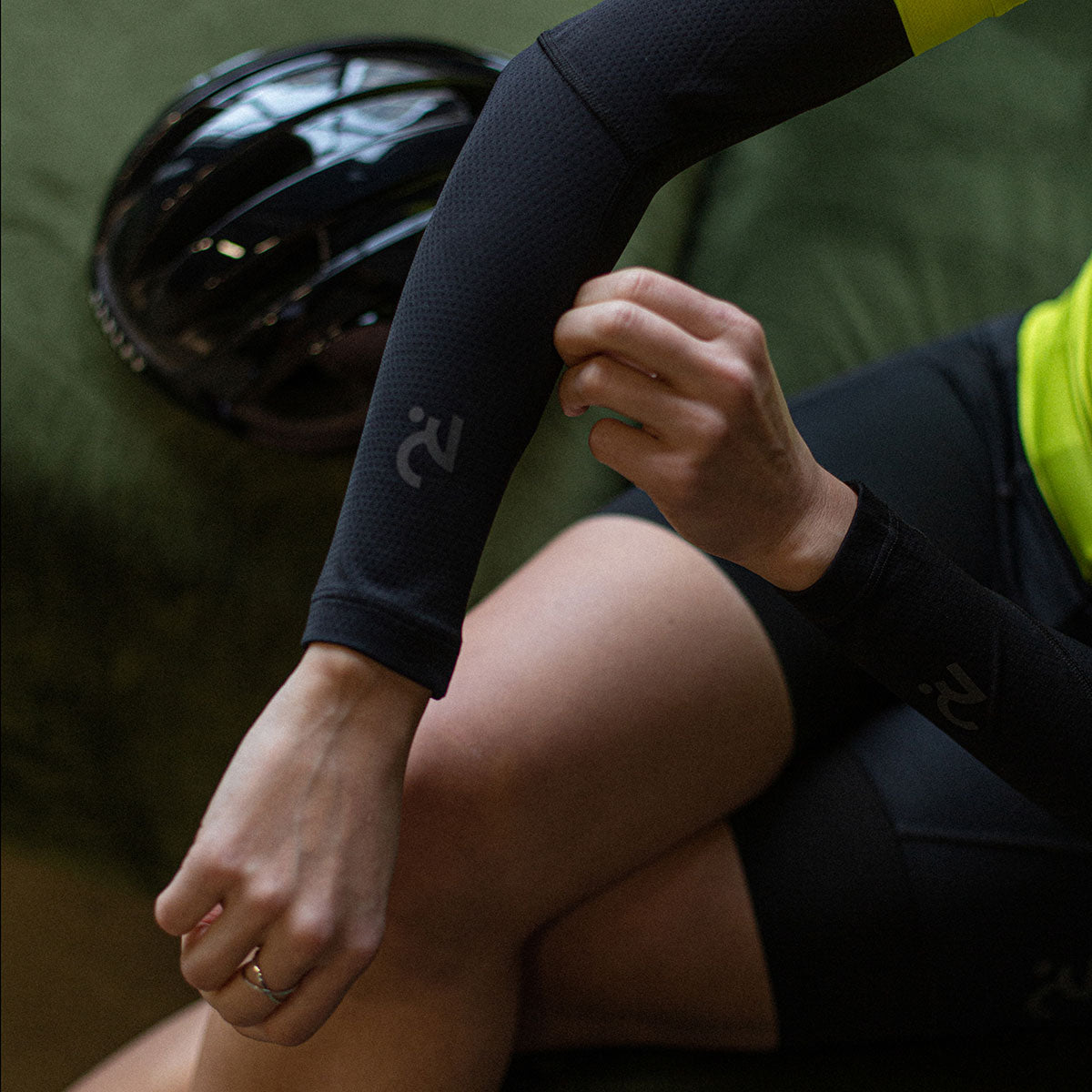
Carry them, don't start in them. A 'cross effort warms you up fast enough that most riders shed arm warmers within the first lap; see our arm warmers guide for when they're worth keeping on.
What should you change into after a muddy race?
Dry base layer, dry socks, a windbreaker or gilet over the top. Wet kit against skin in cold pit-lane air is when a good race turns into a bad afternoon.
Race-fit kit that moves with you through the mud: the DTR bib shorts and jersey range is at /collections/bib-shorts.
DTR — performance cycling and triathlon apparel, designed and developed in Ukraine.

Leave a comment
This site is protected by hCaptcha and the hCaptcha Privacy Policy and Terms of Service apply.