


A triathlon relay team does not need three versions of the same race setup: each athlete needs kit that works for their own leg, the handoff, and the event rules. The cyclist is the person who needs the most bike-specific detail; the swimmer and runner should avoid borrowing complexity that belongs to another discipline.
What does the swim leg actually need?
The swim athlete needs race-legal swim equipment, their race number or timing system as the event requires, and a handoff plan that has been rehearsed. If the water and rules call for a wetsuit, that decision belongs to the swim leg; a cycling jersey or trisuit is not a substitute for a proper swim setup.
Keep the handoff simple. Confirm where the relay exchange happens, how the timing chip or tag is passed, and what the next athlete can have ready. The triathlon transition checklist is a useful way to map the practical steps, even though a relay handoff is not the same as an individual T1.
What should the bike leg wear?
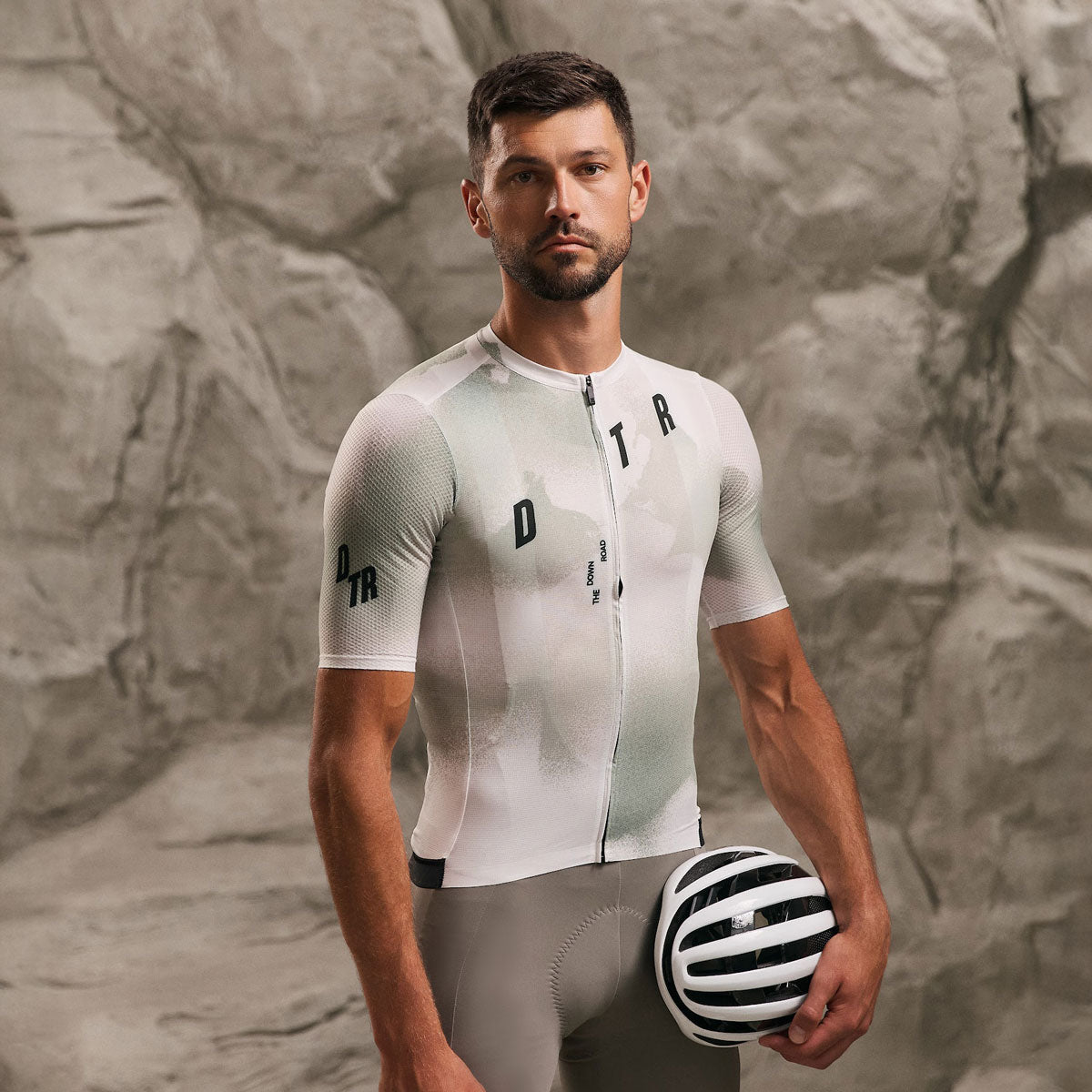
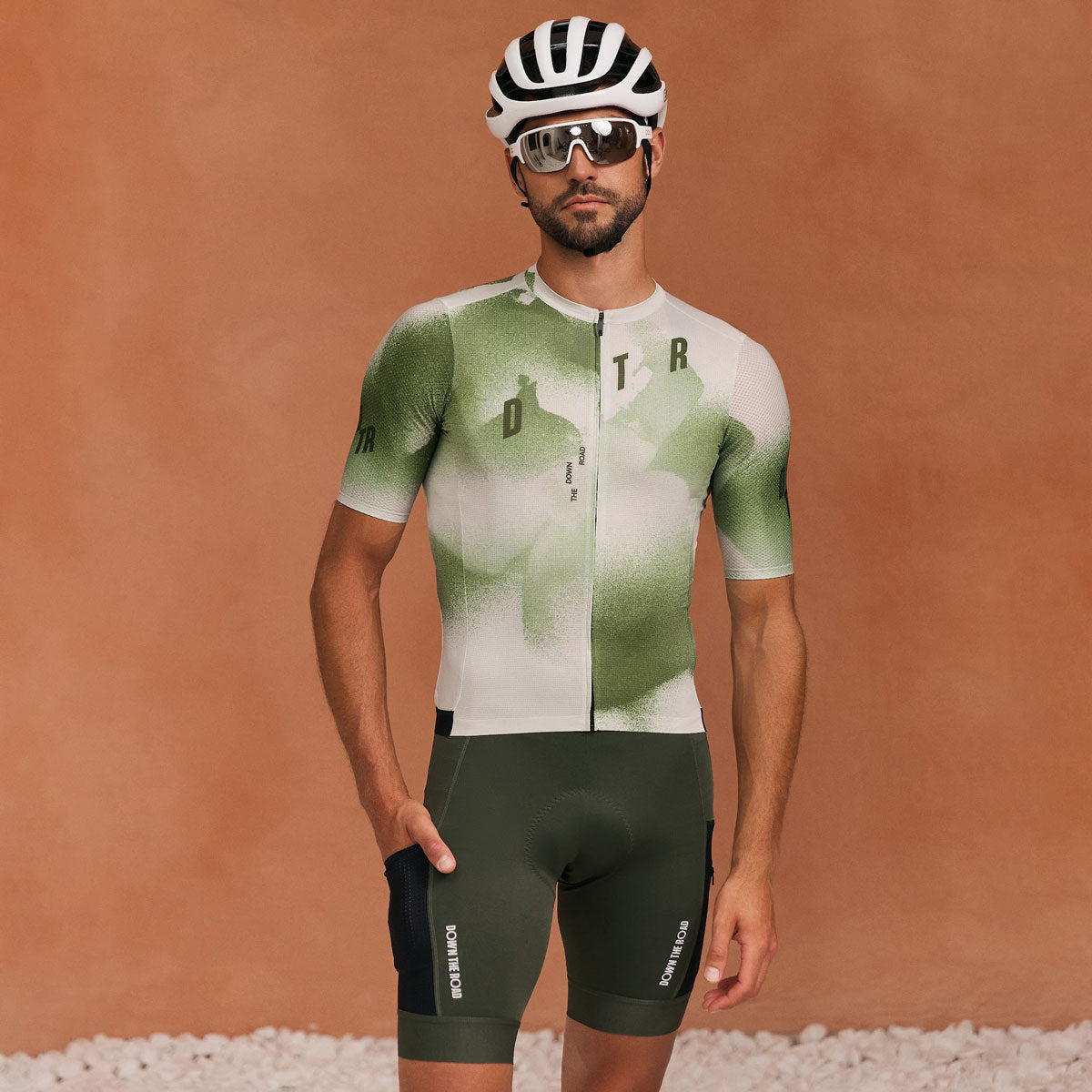
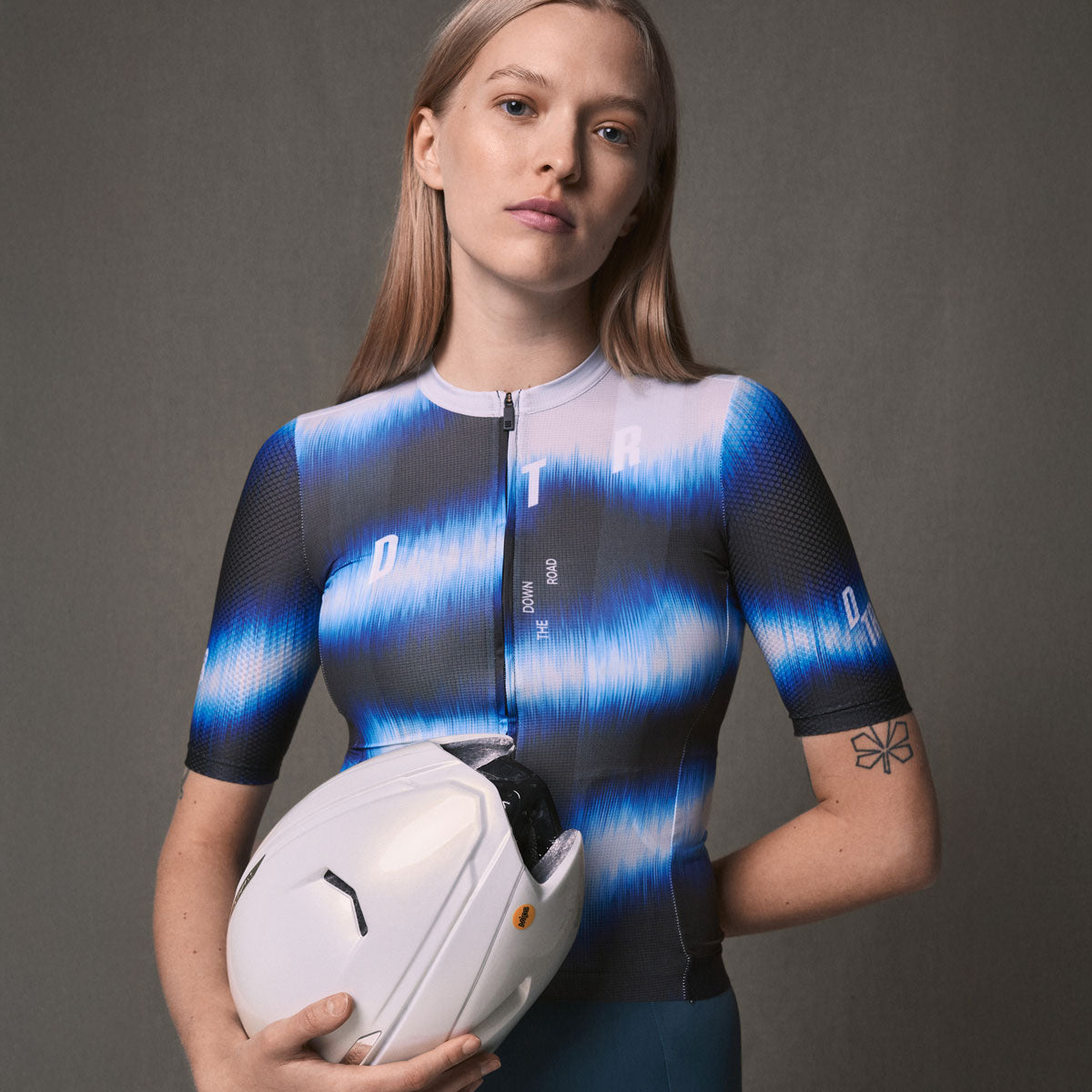
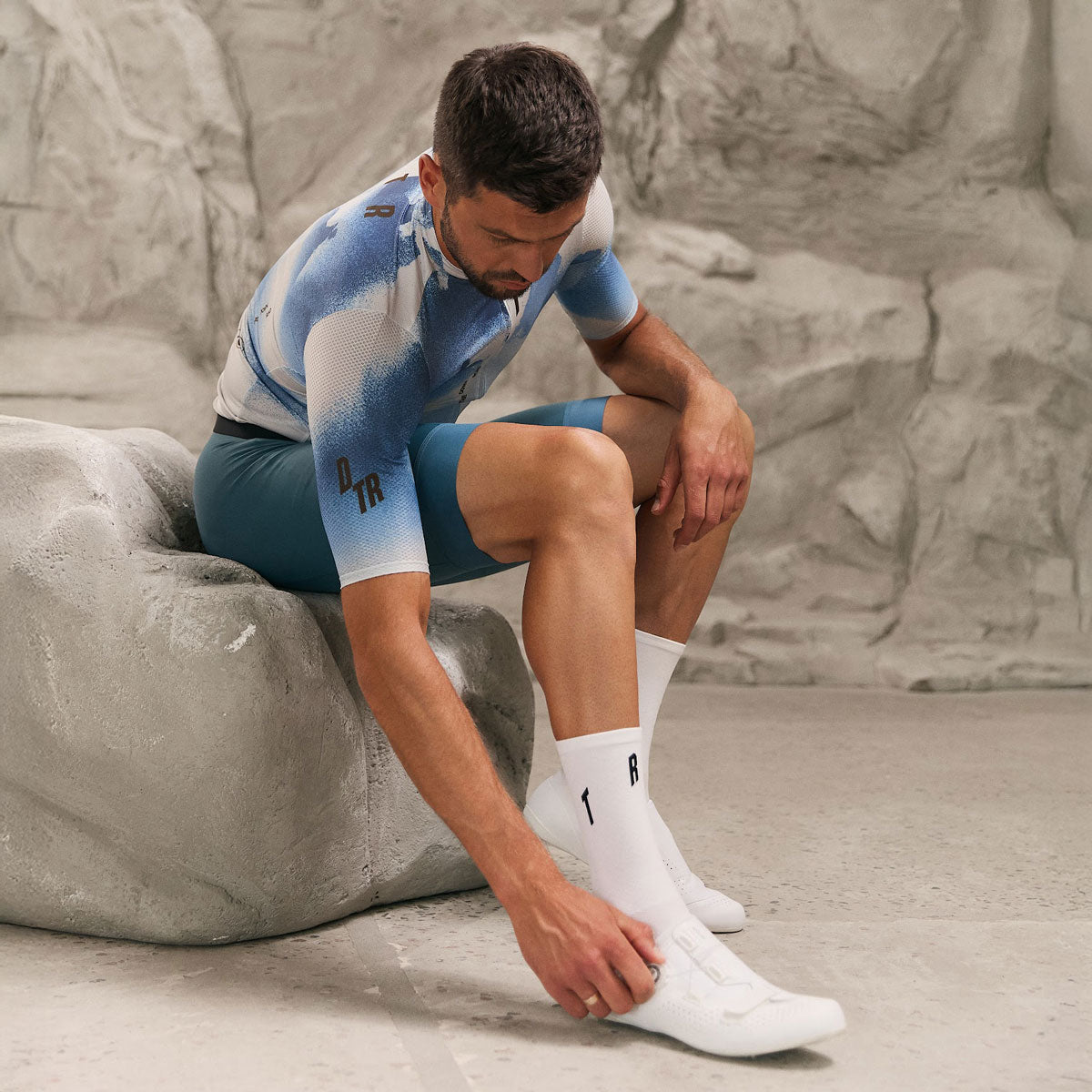
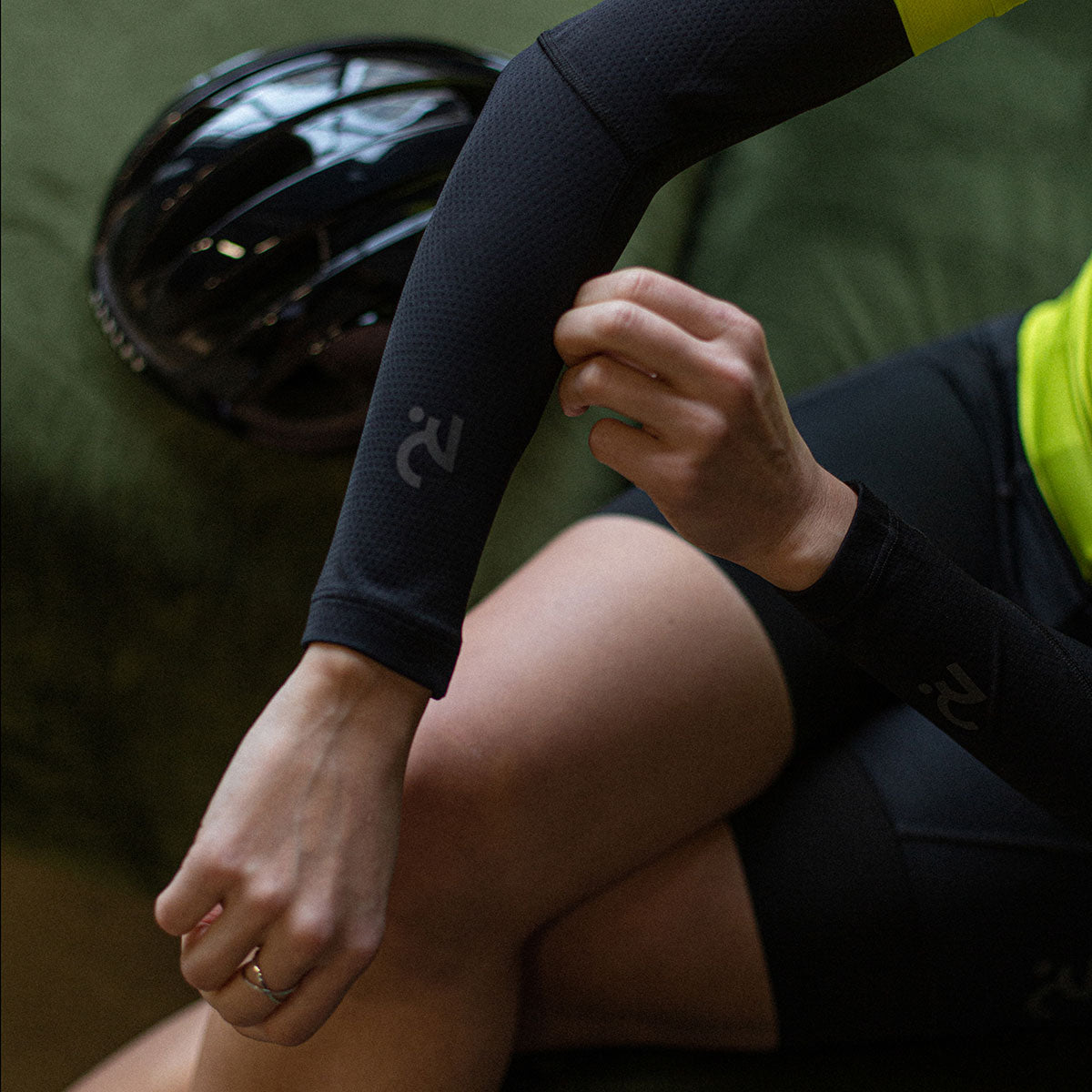
The bike athlete needs a setup that suits the course, weather and race rules. A trisuit can be a clean option for an athlete riding the cycling leg because it is made for an aerodynamic position, dries quickly, and keeps the bike-specific chamois and rear pockets in one layer. It is not compulsory: the right choice still depends on the event format and what the athlete has tested.
DTR trisuits use a low-drag cut, quick-drying moisture-wicking fabric, breathable mesh panels, a triathlon-specific chamois, front zip, silicone leg grippers and two rear pockets. The collection includes short- and long-distance options for men and women; choose by the demands of the bike leg, not by the team’s look. Our trisuit guide explains the one-piece in detail, while how to choose a trisuit is the next step for fit and distance.
What belongs on the run leg?
The runner needs a setup that is comfortable, race-legal and tested at running pace. They do not need to wear cycling-specific kit just because the team shares a relay. The practical priorities are movement, temperature, footwear and knowing how the event displays the team number or timing tag.
Treat the handoff as part of the run plan. Know exactly where the tag is received and where the team will meet afterwards. If this is the team’s first event, the first-triathlon guide gives useful context for the race-day sequence without assuming every relay athlete has the same job.
Should a relay team wear matching kit?
Matching kit can make a relay team easy to recognise, but it should not override fit or function for each leg. For a club entering more than one event, coordinated custom pieces can be worthwhile once the roster, discipline needs and sign-off are clear. DTR’s custom kit guide for triathlon squads explains the process; it is quote-based and built around the team brief, not a one-size order.
A matching top is not a reason to put the runner in a cycling chamois or the swimmer in a bike layer. Keep team identity separate from the technical choices that affect the race.
What should you test before race day?
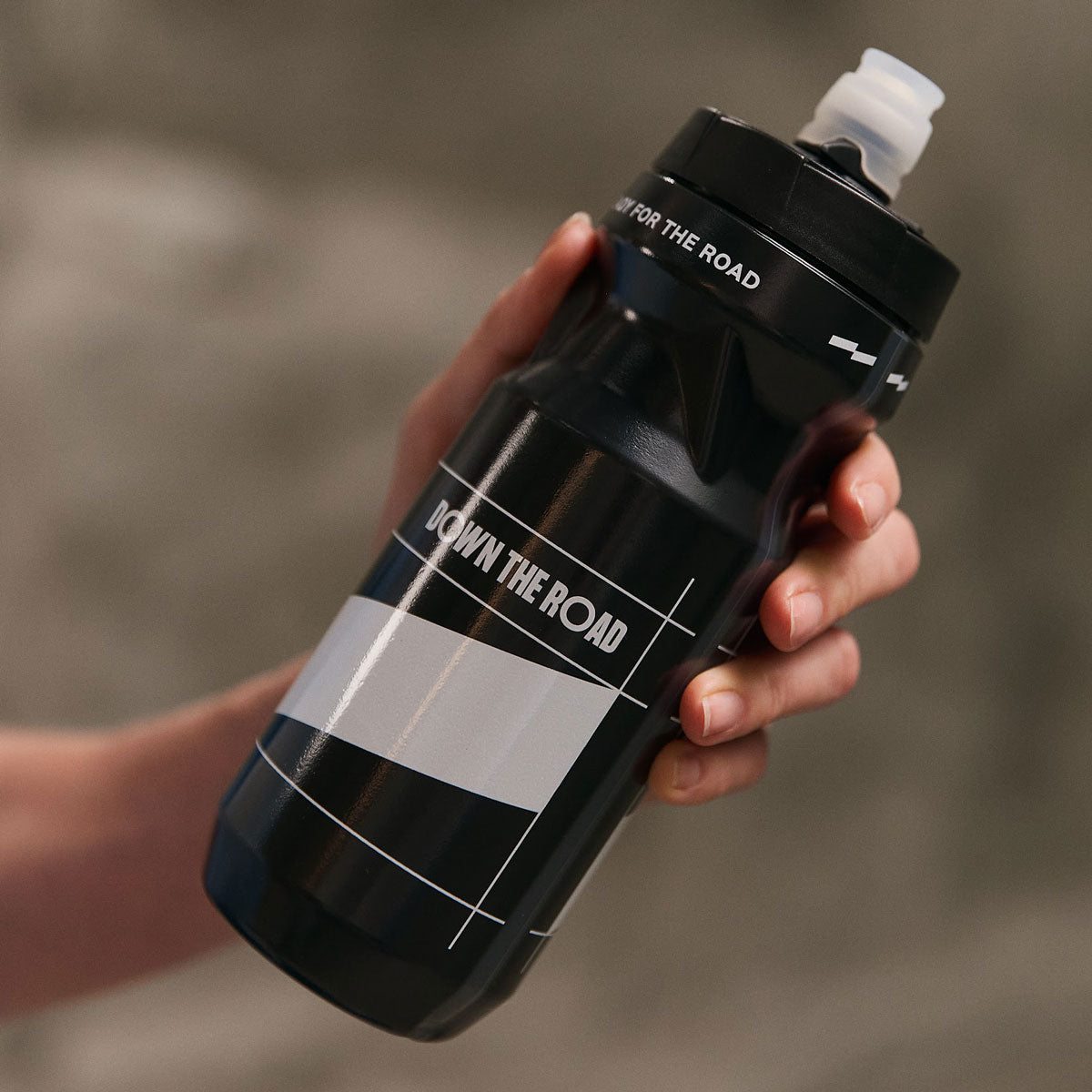
Each athlete should test the exact setup on the discipline they are racing, then rehearse the relay handoff together. Check how the tag is passed, where equipment is left, and whether the bike athlete can access bottles and nutrition as planned. A sprint-triathlon kit guide helps the bike athlete frame a short-course setup.
FAQ
Does every athlete in a triathlon relay need a trisuit? No. A relay splits swim, bike and run between different athletes. A trisuit is most relevant to the bike leg; swim and run athletes should use kit suited to their own discipline and the race rules.
Can a relay team wear matching kit? Yes, if it does not compromise function. Matching identity is useful, but the fit and technical needs of each leg come first.
What does the cyclist need for a relay? A tested bike setup matched to course and weather, plus the race-required timing and handoff plan. A trisuit is one practical option, not a requirement.
How should a relay handoff work? Follow the event’s rules, practise the tag exchange, and know exactly where each athlete needs to be. Do not improvise the exchange on race morning.
The bottom line
A relay works best when each athlete wears what their own leg demands and the team practises the handoff as seriously as the kit. Keep the bike leg technical, keep swim and run setups specific, and use matching team pieces only where they add clarity without getting in the way.
DTR — performance cycling and triathlon apparel, designed and developed in Ukraine.

Leave a comment
This site is protected by hCaptcha and the hCaptcha Privacy Policy and Terms of Service apply.