

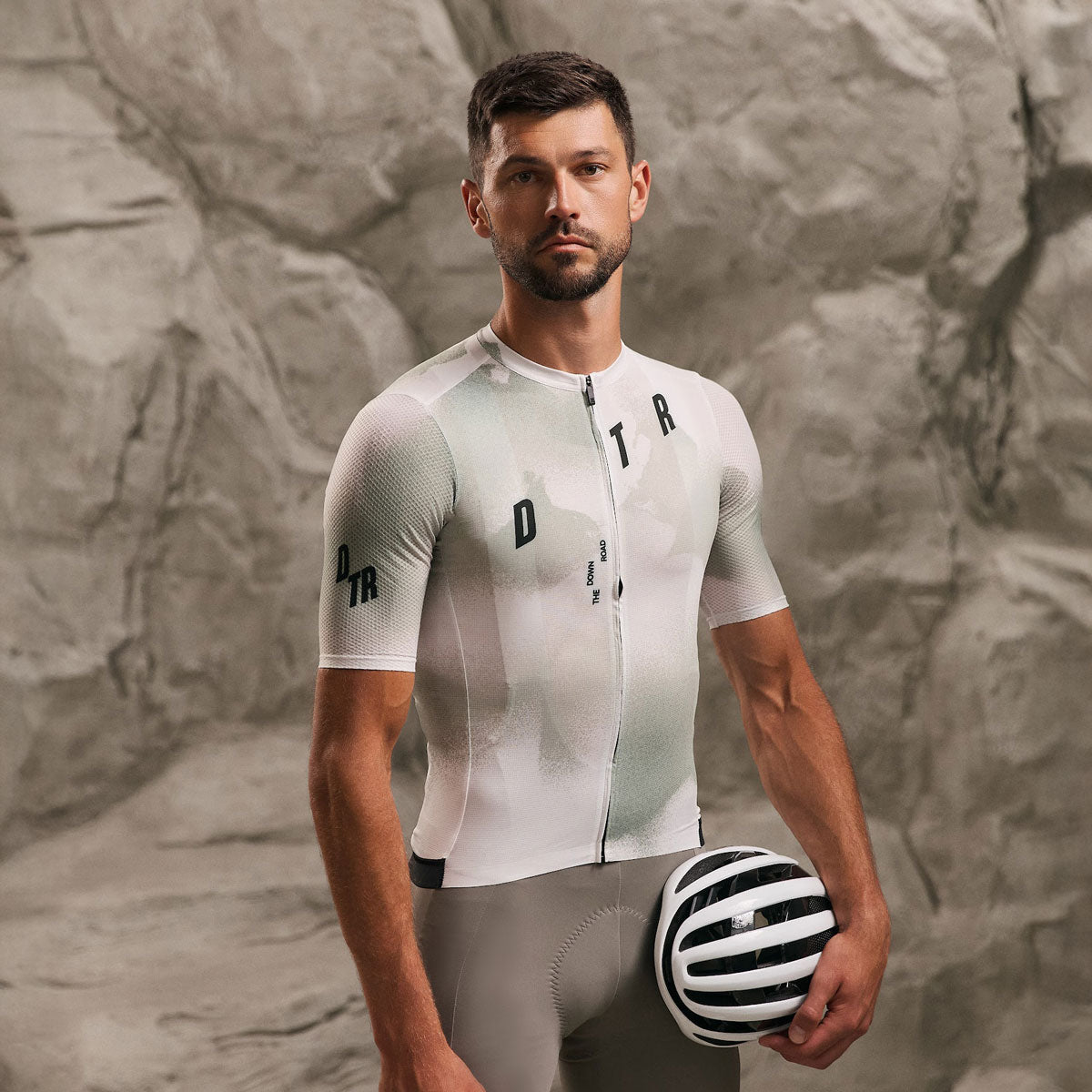
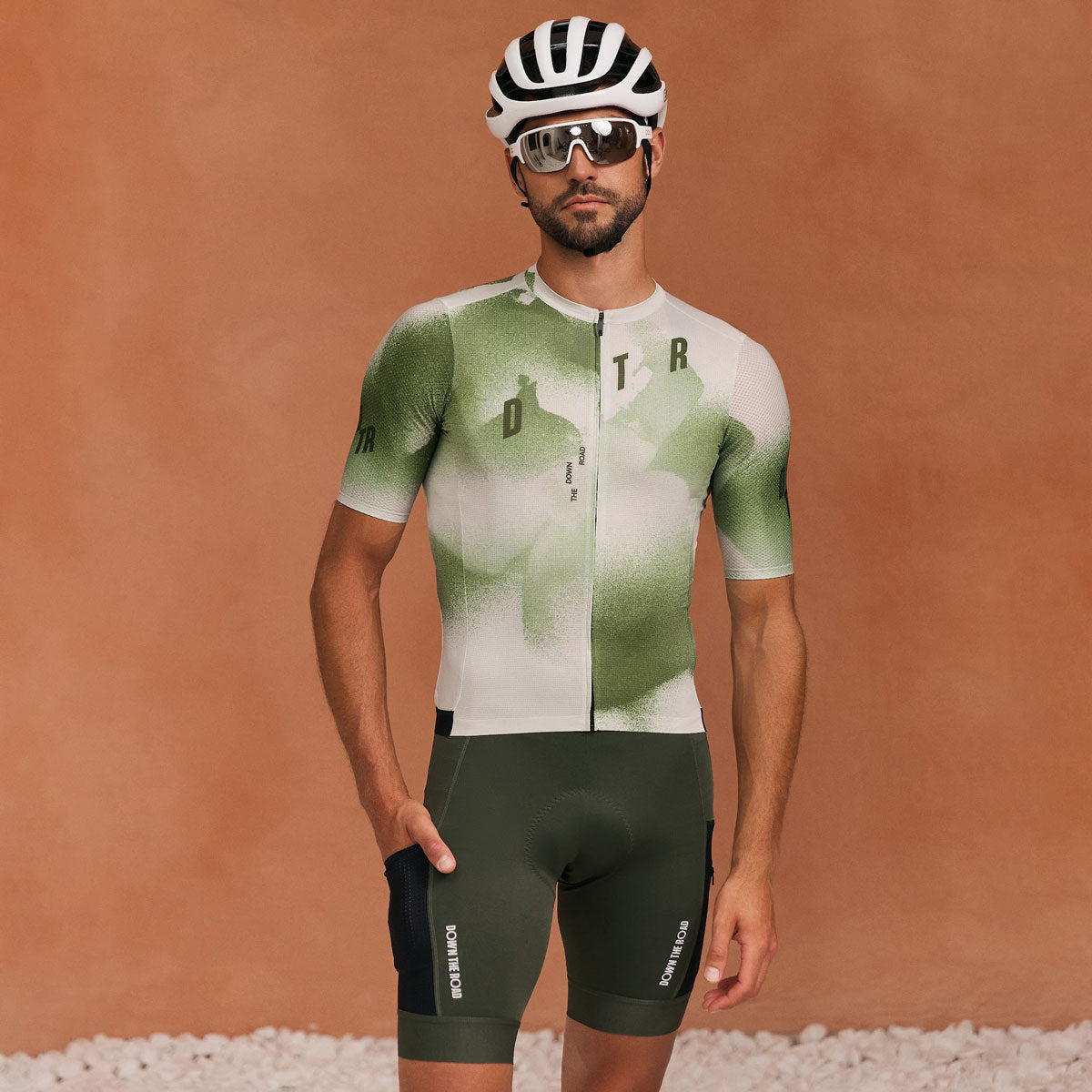
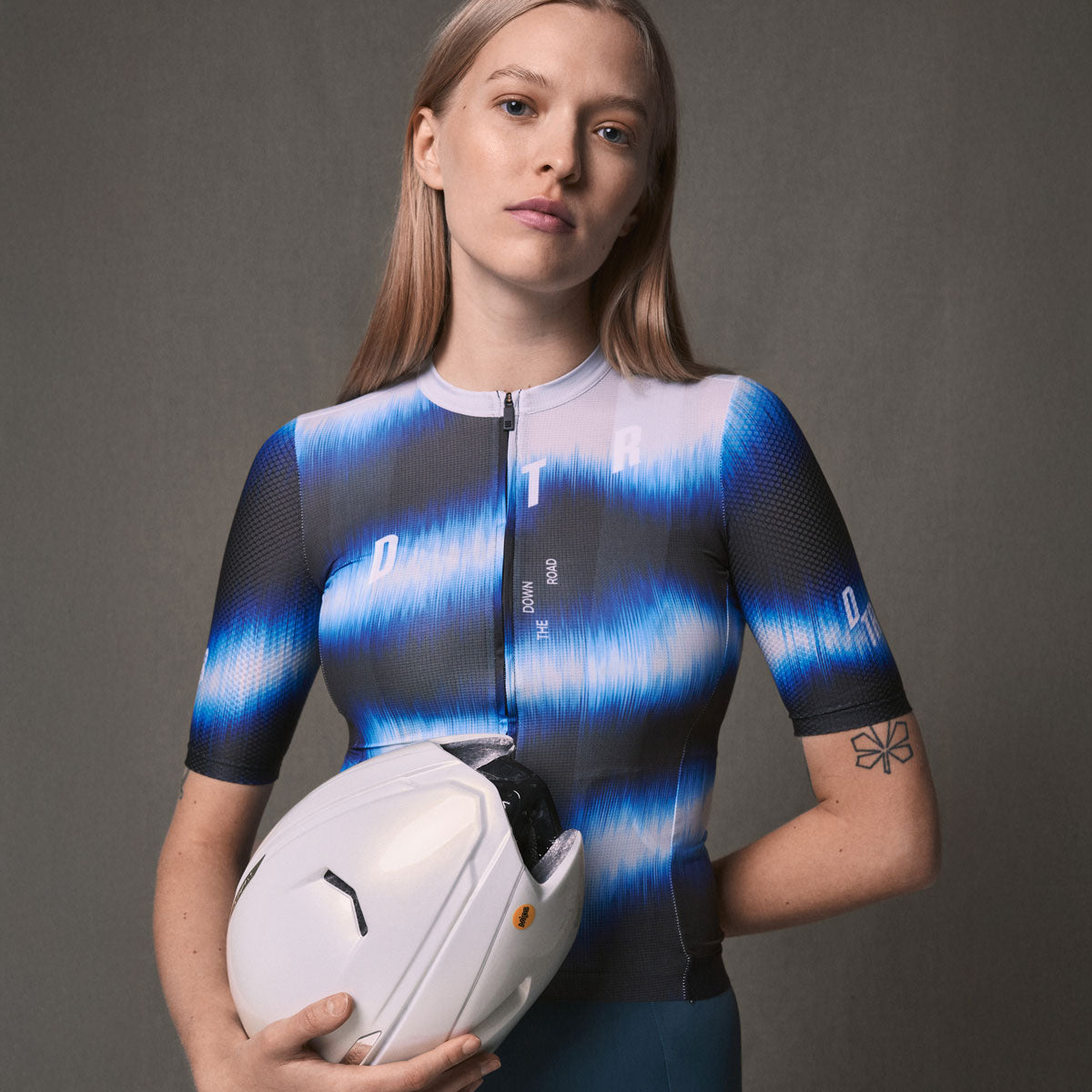
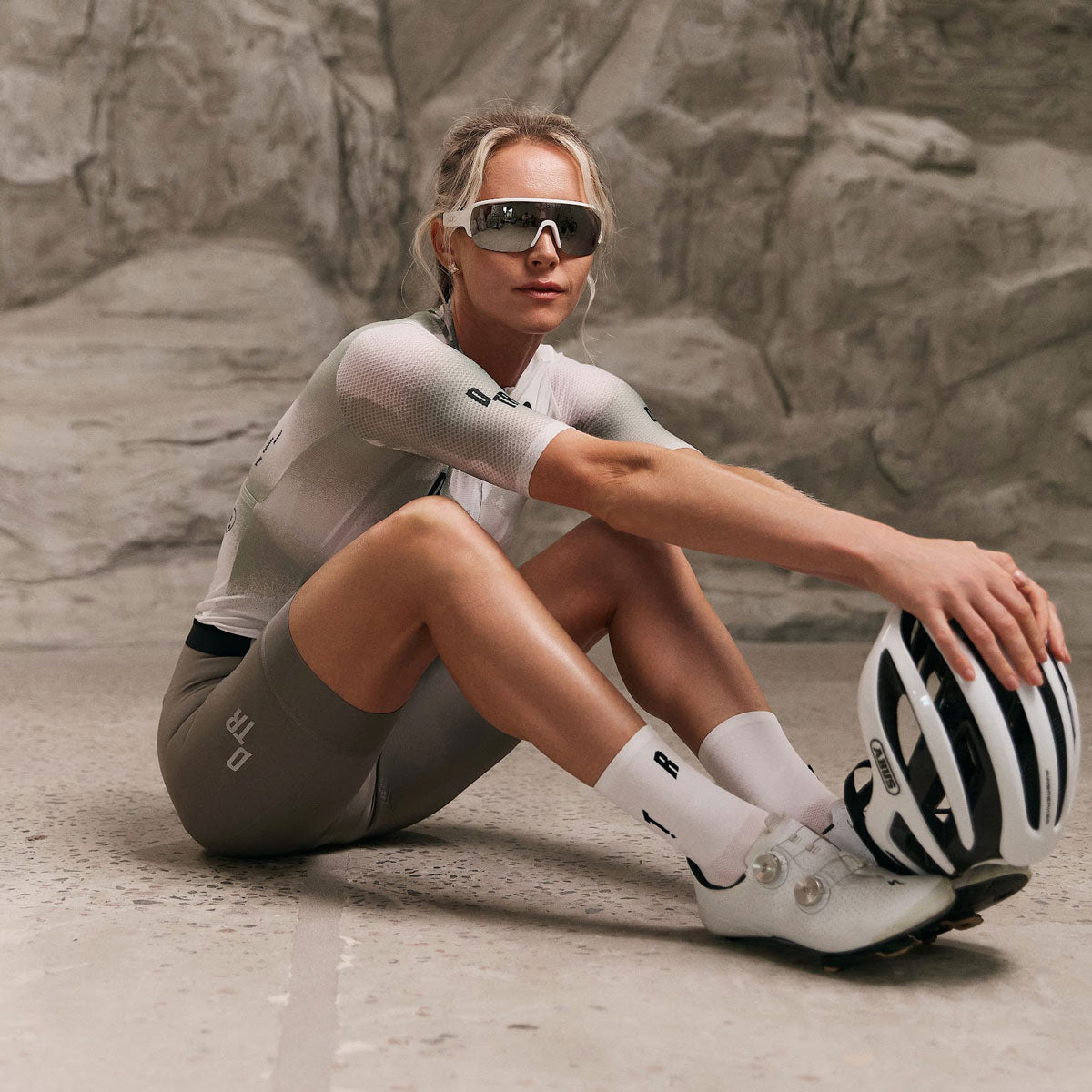
An aquabike is a two-discipline triathlon: swim then bike, with no run. That makes the kit question simple — you wear one triathlon kit for both legs: a trisuit under your wetsuit for the swim, then straight onto the bike in the same trisuit once the wetsuit comes off. There's no run leg to dress for and no second kit change.
This guide covers what an aquabike actually is, what to wear for each leg, how it differs from a full triathlon, and when to add layers for a longer or colder bike leg.
What an aquabike actually is
An aquabike (sometimes called swim-bike) drops the run from a standard triathlon and keeps the swim and bike legs, at distances that mirror sprint, standard/Olympic, half and full-distance triathlon. It suits athletes managing a running injury, newer racers building up to a full triathlon, or anyone who simply prefers two disciplines to three. The format has one transition — T1, swim to bike — and finishes at the end of the bike leg, with no T2 and no run kit to think about.
What to wear for the swim leg
Wear your trisuit under your wetsuit, exactly as you would for the swim leg of a full triathlon — there's no separate "aquabike swim kit." A sleeveless or sleeved trisuit both work under a wetsuit; sleeveless is simpler to get on and off in T1, sleeved adds a touch of warmth for cold water. (See sleeved vs sleeveless trisuit if you're deciding between the two.)
What to wear for the bike leg
The same trisuit carries you through the bike leg — that's the entire point of a one-piece design. For most aquabike distances, that's all you need: no jersey, no separate bib shorts, nothing to add in T1 beyond a helmet and shoes. Because there's no run afterwards, you don't need to think about a chamois that has to survive being run in, which gives you slightly more flexibility on pad thickness than a full triathlon over the same bike distance. (For pad thickness by distance, see our trisuit pad guide.)
What's different from a full triathlon
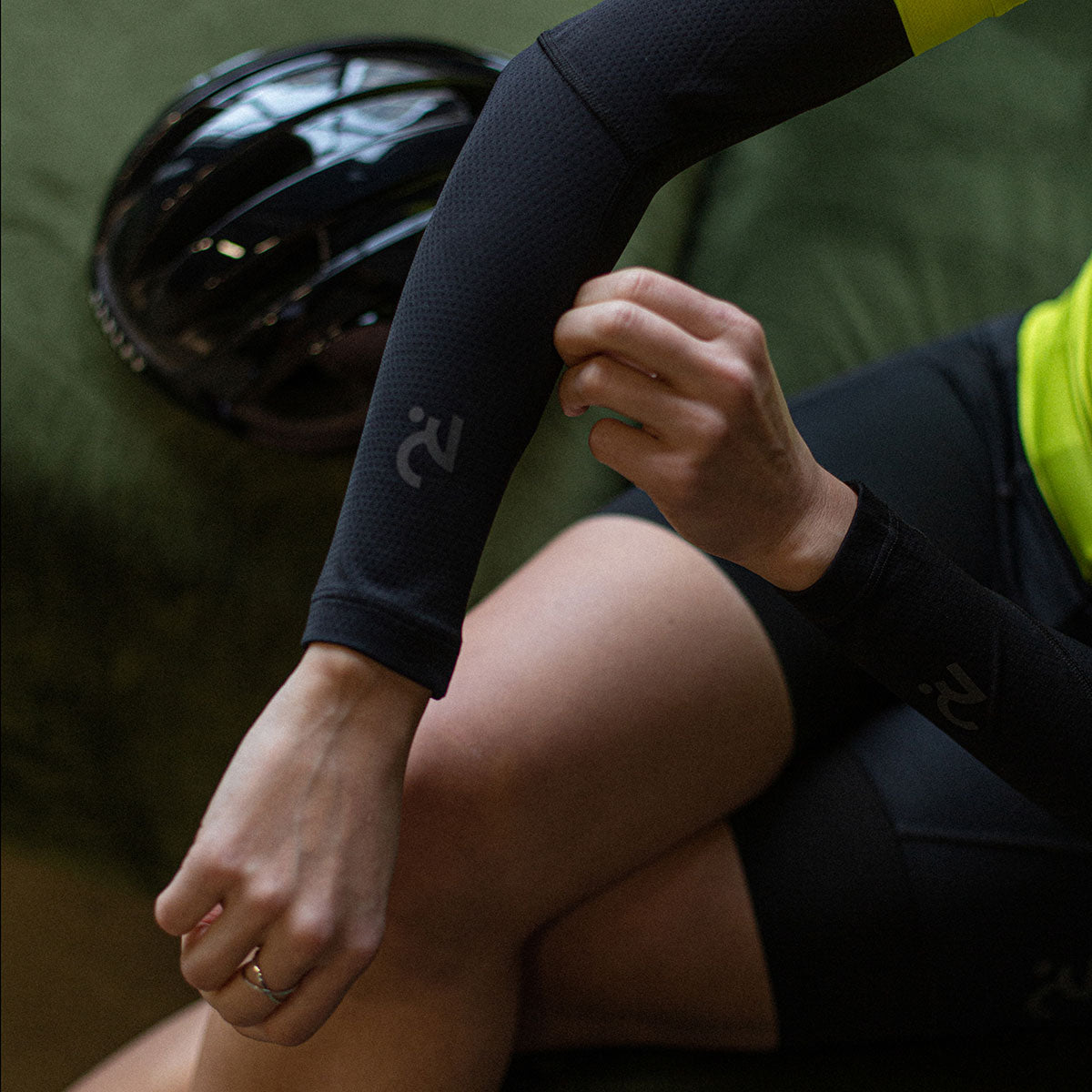
Two things change without a run leg. First, there's no T2 — the race ends on the bike, so there's nothing to rack or change into partway through. Second, because you're not finishing with a run to generate heat, a long or cold-weather bike leg deserves more attention to warmth than the same leg in a full triathlon: arm warmers or a light gilet over the trisuit are worth carrying on a cool day, since you won't be warming back up on foot afterwards. Everything else — wetsuit strip, trisuit fit, hydration and nutrition on the bike — carries over directly from a standard triathlon kit list.
Do you need a trisuit for an aquabike?
Yes, for the same reasons it earns its place in any triathlon: no waist seam to chafe or ruck up under a wetsuit, one garment for both legs, and no kit change to lose time in T1. A cycling kit works only if you're prepared to change fully in T1, which defeats most of the time-saving point of the format. If you're new to trisuits, start with how to choose a trisuit; if you're coming from full-distance triathlon and already know your T1 routine, see our transition kit checklist for what else to have racked and ready.
Frequently asked questions
What do you wear for an aquabike? A trisuit under your wetsuit for the swim, then the same trisuit straight onto the bike after T1 — no kit change and no run gear needed.
Is an aquabike just a triathlon without the run? Yes — same swim and bike format and distances as a standard triathlon, with the run leg removed and no T2.
Do you need a different trisuit for an aquabike than a full triathlon? No, the same trisuit works for both. Without a run afterwards, you have slightly more flexibility on chamois thickness since it won't be run in.
What extra kit should you carry for a long aquabike bike leg? Arm warmers or a light gilet, since you'll finish on the bike rather than warming up on a run afterwards. Otherwise, kit needs match a standard triathlon bike leg of the same distance.
The bottom line
An aquabike keeps kit simple: one trisuit, worn under a wetsuit for the swim and straight through the bike leg, with no run kit and no T2 to plan for. The only real adjustment from a full triathlon is dressing a bit warmer on a long or cold bike leg, since there's no run afterwards to finish warming you up. Compare trisuits for both legs in the DTR trisuit range.
—
DTR — performance cycling and triathlon apparel, designed and developed in Ukraine.

Leave a comment
This site is protected by hCaptcha and the hCaptcha Privacy Policy and Terms of Service apply.