

Cycling Bib Shorts: The Complete Buying Guide
Cycling bib shorts are the single most important piece of kit you will buy. Unlike a jersey or a jacket, bib shorts are in direct contact with your body for the entire duration of every ride — and whether the chamois is right, the fit is correct, and the fabric performs properly determines whether you finish a ride feeling good or spend the last hour counting down the kilometres.
This guide covers everything that actually matters when choosing cycling bib shorts — chamois construction, fit, fabric, and how to choose between road bibs, cargo bibs, and thermal bib tights for different riding conditions.
What Are Cycling Bib Shorts?
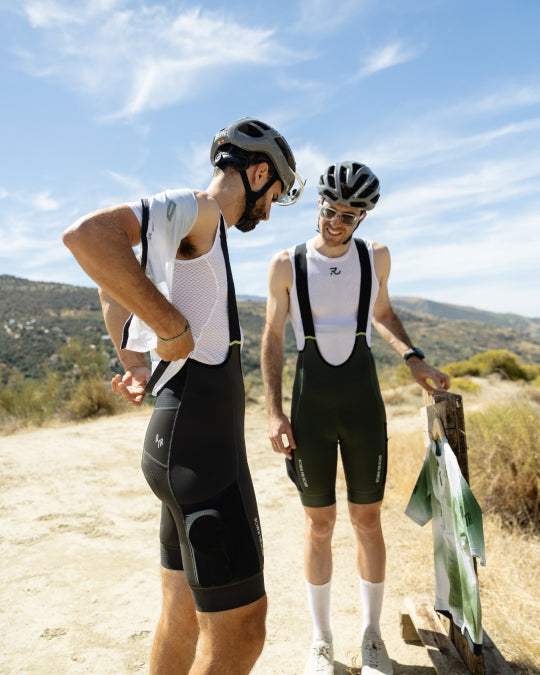
Cycling bib shorts are padded shorts with integrated shoulder straps — the bibs — that hold the shorts in place without a waistband. The absence of a waistband is not a minor detail. It eliminates pressure on the abdomen during long rides, keeps the shorts from slipping during sustained efforts, and removes the uncomfortable bunching that happens with waistband shorts in an aggressive riding position.
The shoulder straps distribute the weight of the shorts evenly across the upper body rather than concentrating it at the waist — making bib shorts significantly more comfortable than waistband shorts on rides over two hours. For serious cycling, bib shorts are the only real option.
The Chamois — The Most Important Factor
The chamois — the padded insert in cycling bib shorts — is the element that makes or breaks a pair of shorts. Getting the chamois right is more important than any other factor when buying bib shorts.
Density vs thickness The most common misconception about chamois is that thicker means better. It doesn't. A chamois that is too thick creates friction and pressure points rather than eliminating them. What matters is density — a denser, thinner chamois that is shaped correctly for the riding position outperforms a thick, soft chamois on rides over three hours. Look for multi-density construction where different areas of the chamois have different densities calibrated to the pressure points in a riding position.
Chamois placement The chamois must be positioned correctly for the riding position — not the standing position. A chamois that sits correctly when you're standing will shift out of position when you lean forward on the bike. Always assess chamois placement on the bike or in an aggressive forward position.
Seam construction Seams through or around the chamois cause pressure points and chafing on long rides. Look for chamois with minimal seaming, particularly through the sit bone area. Flatlock seams on the legs and body prevent irritation during pedalling.
Quick-dry construction For triathletes and cyclists who ride in rain, a chamois that absorbs and retains moisture adds weight and creates friction. Quick-dry construction is essential for triathlon training and useful for any cyclist who rides in variable conditions.
Never wash with fabric softener Fabric softener destroys the technical properties of a chamois over time by clogging the foam's pore structure. Cold wash, gentle cycle, hang dry — every time without exception.
Bib Shorts Fit — What to Look For
Leg length and gripper The leg of a bib short should sit mid-thigh or slightly above. The silicone gripper at the leg hem must hold securely without cutting into the thigh — a poor gripper causes the shorts to ride up during pedalling, creating uncomfortable bunching behind the knee. Wide, textured silicone grippers hold better than narrow single-line grippers.
Bib strap fit Bib straps should sit flat across the shoulders and chest without twisting, digging in, or pulling. Test by reaching forward into a riding position — if the straps pull significantly at the crotch, the torso length is too short. For women's bib shorts, strap construction is especially important — straps should be designed around female anatomy, not adapted from a men's pattern.
Body compression The body of the shorts should provide firm compression without restricting breathing or blood flow. Compression supports muscles during effort and reduces fatigue on long rides — but too much compression restricts circulation. The shorts should feel supportive, not constrictive.
Overall length and rise The rise — the distance from the crotch seam to the top of the bib — affects how the chamois sits in the riding position. Too short a rise pulls the chamois out of position when you lean forward. Check the brand's size guide for torso length as well as waist and hip measurements.
Bib Shorts Fabric — What Matters
Technical lycra The right fabric is the benchmark for cycling bib shorts. A quality technical lycra offers the best combination of four-way stretch, compression, shape retention, and durability. It maintains its properties wash after wash and kilometre after kilometre in a way that cheaper lycra blends don't. Look for a fabric that specifies four-way stretch and recovery — the cheapest blends won't hold their shape over time.
Fabric weight Measured in grams per square metre. Lighter fabrics — under 170gsm — are better for warm weather riding and high intensity efforts. Heavier fabrics — 200gsm and above — offer more durability and compression for endurance riding and cooler conditions.
Four-way stretch Essential for unrestricted movement through every part of the pedal stroke. A fabric that stretches in all four directions moves with you rather than against you — reducing friction and fatigue over long rides.
Flatlock seams Seams stitched flat against the fabric rather than raised prevent chafing at every contact point. Non-flatlock seams cause irritation on any ride over two hours.
Types of Cycling Bib Shorts — Which Do You Need?
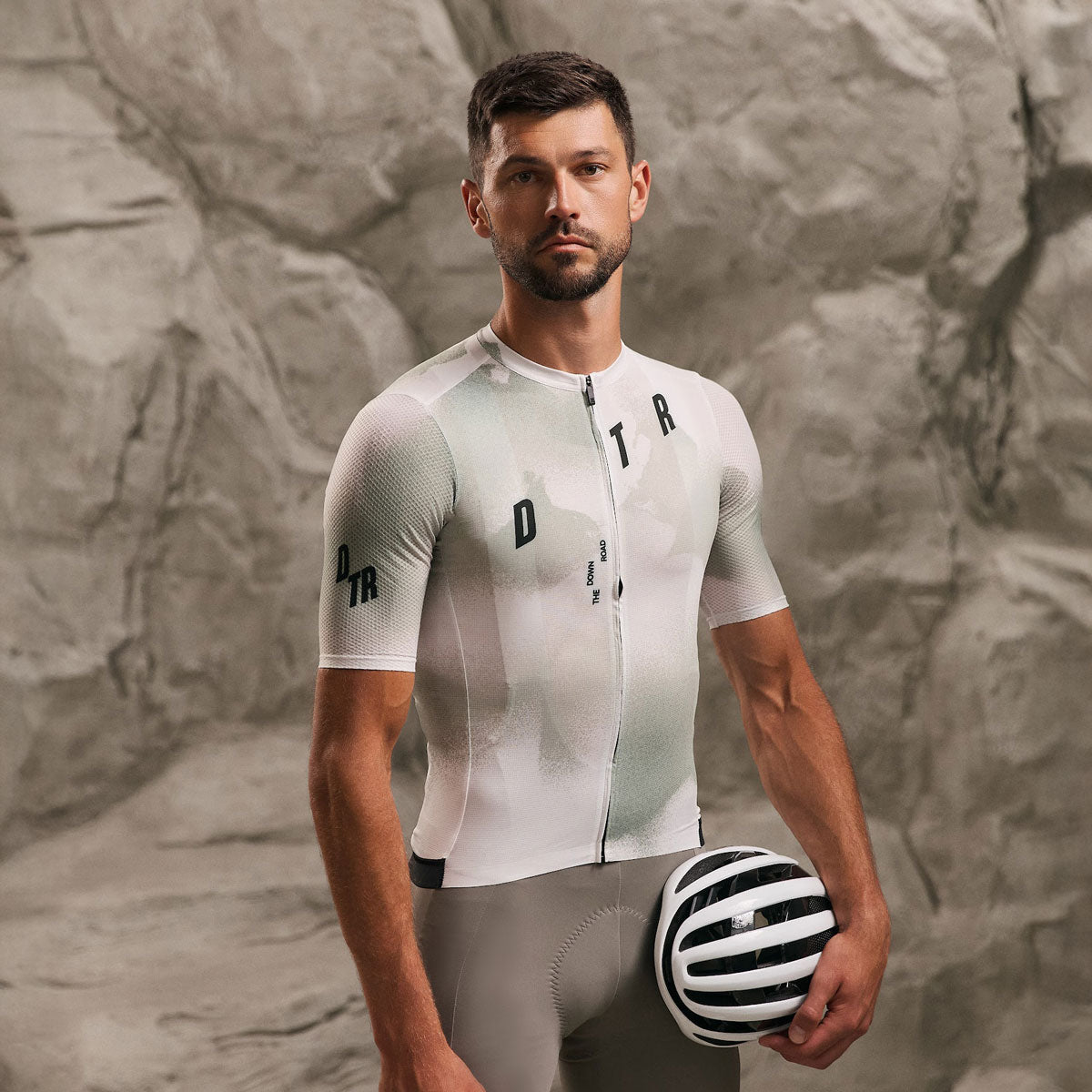
Road bib shorts The standard option for road cycling and triathlon training. Designed for the riding position, with a chamois calibrated for sustained seated efforts. Available in men's and women's specific versions with different chamois geometry, strap construction, and compression levels.
Men's Bib Shorts — Women's Bib Shorts
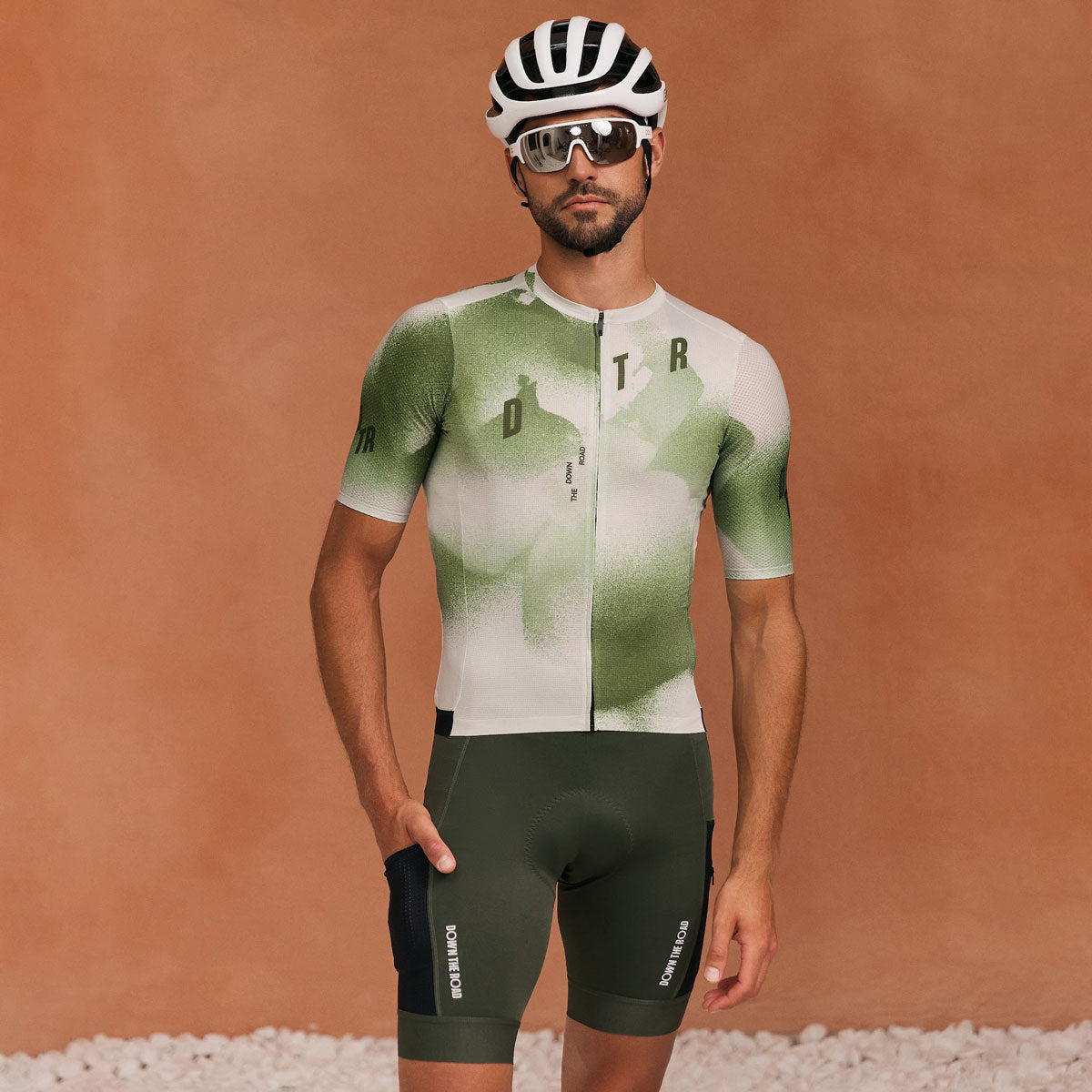
Cargo bib shorts Standard bib shorts with integrated thigh pockets for extra storage. The right choice for gravel riding, bikepacking, sportives, and any ride where three jersey pockets aren't enough. Same chamois and fabric construction as road bibs — more storage doesn't mean less comfort.
Men's Cargo Bibs — Women's Cargo Bibs
Thermal bib tights Full-length bib tights with a fleece-lined inner surface for winter riding. Designed for temperatures below 8°C where leg warmers stop being sufficient. Wind-resistant front panels, multi-density chamois, and a construction built for sustained cold weather training.
Men's Thermal Bib Tights — Women's Thermal Bib Tights
Road Bibs vs Cargo Bibs vs Thermal Tights — How to Choose
| Road Bibs | Cargo Bibs | Thermal Tights | |
|---|---|---|---|
| Best for | Road, training, racing | Gravel, long distance, training, racing | Winter riding below 8°C |
| Storage | Jersey pockets only | Integrated thigh pockets | Jersey pockets only |
| Temperature | All conditions | All conditions | Below 8°C |
Bib Shorts for Women — Why Specific Design Matters
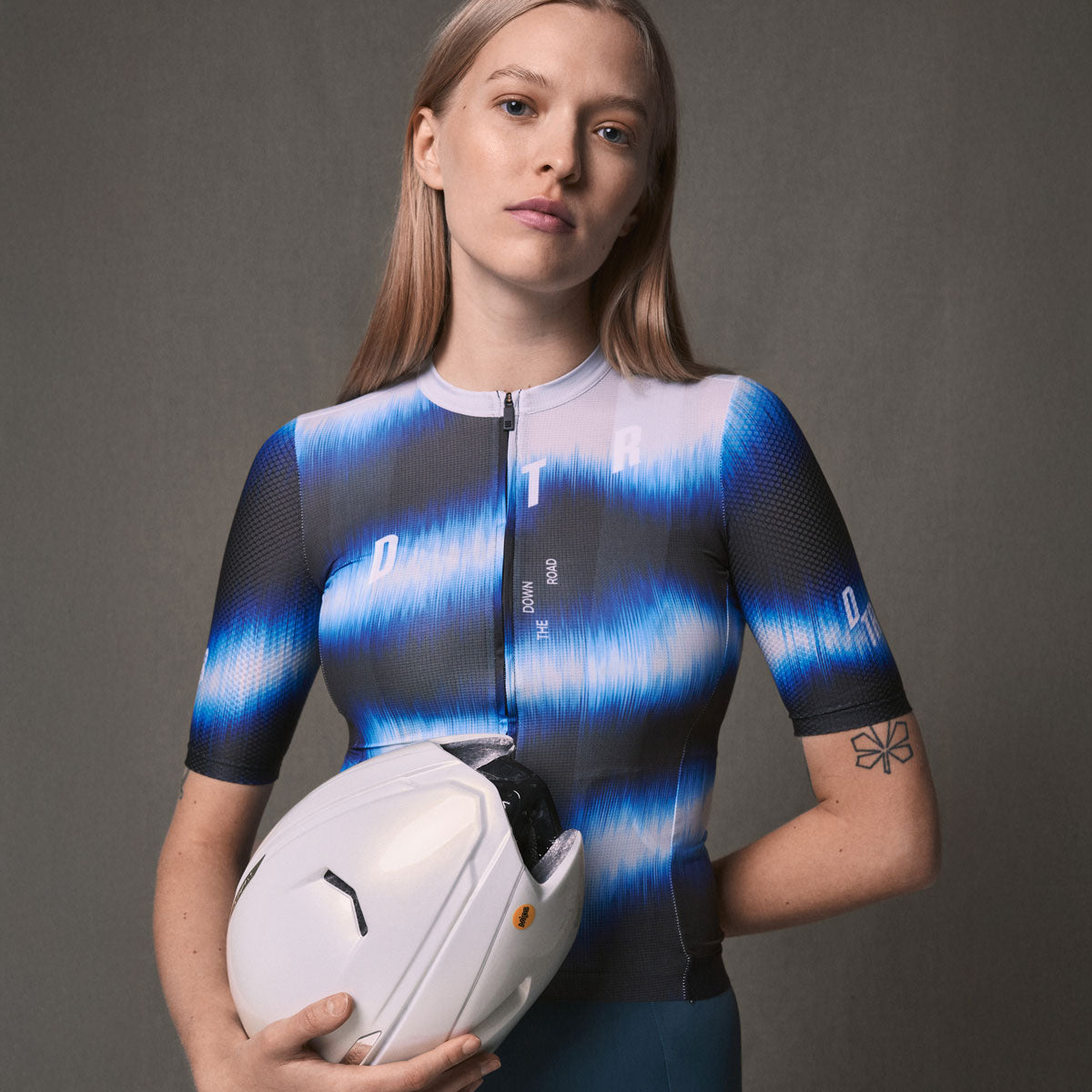
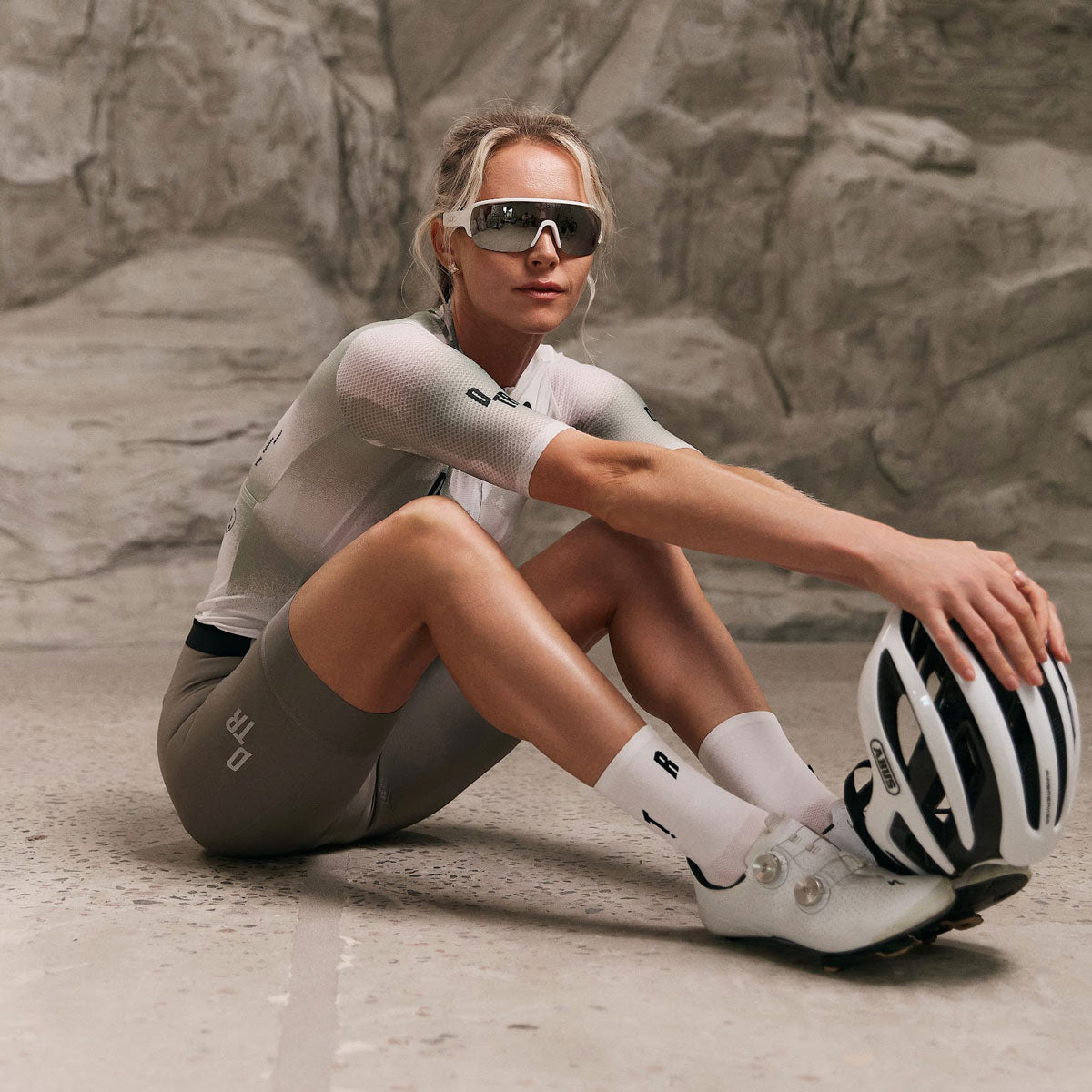
Women's bib shorts require fundamentally different construction to men's. Chamois placement, strap geometry, and compression levels must account for women's anatomy — not be adapted from a men's pattern.
The chamois in women's bib shorts is positioned for women's sit bone geometry, which is wider and set further apart than men's. The strap construction must work around women's upper body anatomy — wide enough to distribute weight, shaped to avoid pressure on the chest and collar bones.
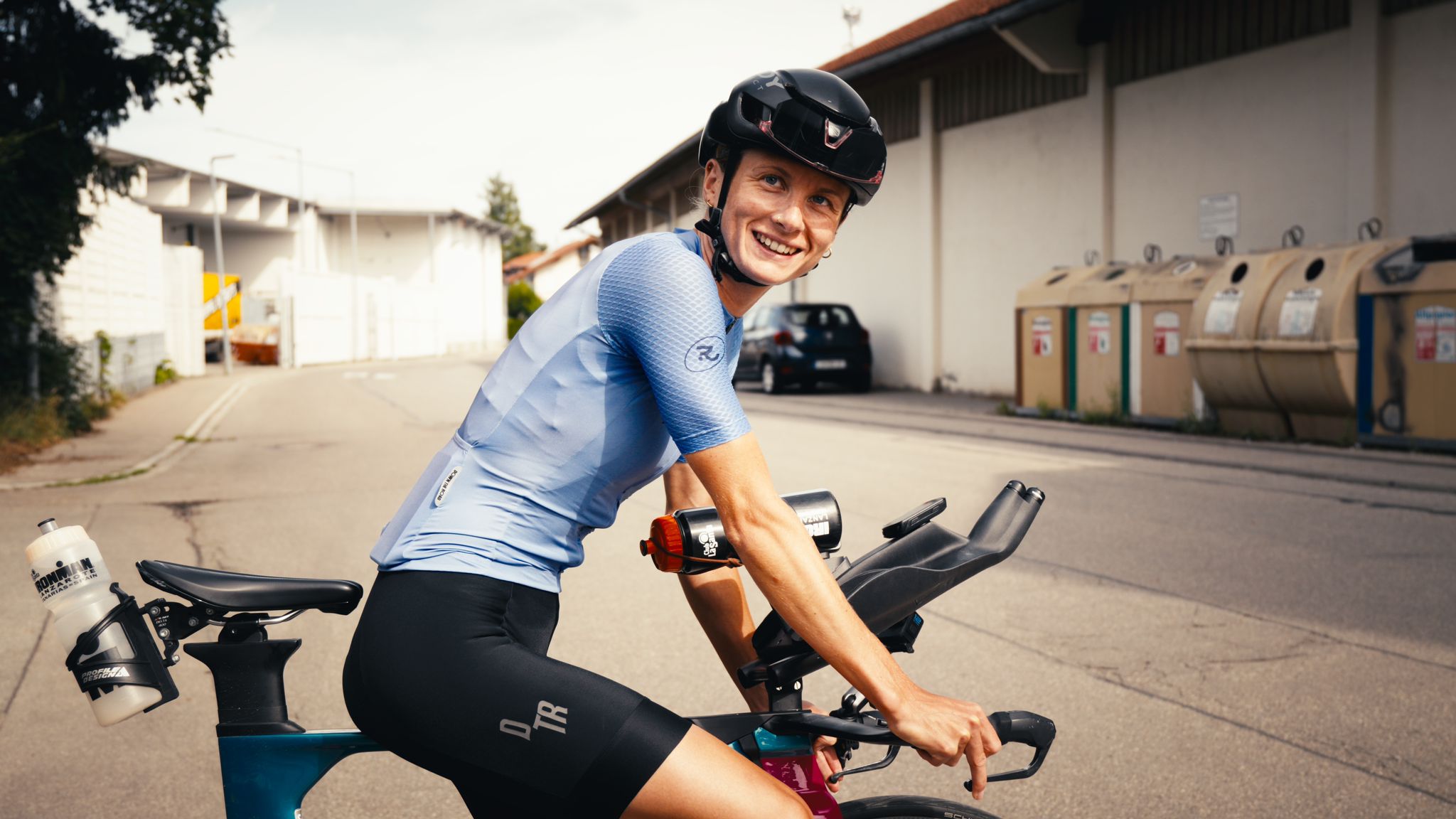
DTR women's bib shorts are designed specifically for female athletes — not scaled down from men's. This is not a marketing claim — it is the difference between shorts that work on a four-hour ride and shorts that don't.
Women's Bib Shorts — Women's Cargo Bibs — Women's Thermal Tights
Bib Shorts for Triathlon Training
For triathlon training on the bike, standard road bib shorts work perfectly. The chamois provides the comfort needed for long training rides without the constraints of a trisuit chamois designed to drain quickly after a swim.
For racing, most triathletes race in a trisuit — the chamois is thinner and quick-dry but sufficient for race duration. For training rides of two hours or more, standard bib shorts are more comfortable than a trisuit for the majority of athletes.
Cargo bibs are particularly useful for triathlon training — long bike sessions require more nutrition than a trisuit or standard bibs can carry. The integrated thigh pockets carry gels, bars, and salt tablets without needing a saddle bag.
How Long Should Cycling Bib Shorts Last?
A quality pair of cycling bib shorts washed correctly after every ride should last two to four seasons of regular use — approximately 10,000 to 20,000 kilometres of riding. Signs that replacement is needed include chamois that has lost its density and shape, fabric that has lost its compression and stretch recovery, and leg grippers that no longer hold position.
Cold wash, gentle cycle, hang dry after every ride. Never tumble dry. Never fabric softener. This is the single biggest factor in bib shorts longevity.
Shop DTR Cycling Bib Shorts
DTR cycling bib shorts are built with technical performance fabrics and a multi-density chamois designed for road cycling and triathlon training. Available in men's and women's specific versions across road, cargo, and thermal options.
Men's Bib Shorts — Women's Bib Shorts — Men's Cargo Bibs — Women's Cargo Bibs — Men's Thermal Tights — Women's Thermal Tights
FAQ
What is the difference between cycling bib shorts and regular cycling shorts? Bib shorts have integrated shoulder straps that hold the shorts in place without a waistband. This eliminates pressure on the abdomen during long rides, prevents the shorts from slipping, and removes uncomfortable bunching in the riding position. For rides over two hours, bib shorts are significantly more comfortable than waistband shorts.
How thick should a cycling chamois be? Thickness is less important than density and placement. A thinner, denser chamois shaped correctly for the riding position outperforms a thick, soft chamois on long rides. Look for multi-density construction and ensure the chamois is positioned for the riding position, not the standing position.
How do I know if my bib shorts fit correctly? In the riding position the chamois should sit correctly without shifting, the leg grippers should hold without cutting in, and the bib straps should sit flat without pulling at the crotch. If the straps pull significantly when you lean forward, the torso length is too short. Always assess fit on the bike, not standing upright.
Can I wear cycling bib shorts for triathlon? Yes — for training rides of two hours or more, standard bib shorts are more comfortable than a trisuit chamois. For racing, most triathletes race in a trisuit. Cargo bibs are particularly useful for long triathlon training rides where you need to carry significant nutrition.
How often should I wash cycling bib shorts? After every ride without exception. Cold wash, gentle cycle, hang dry. Never tumble dry and never use fabric softener — both degrade the chamois and fabric properties over time.
What is the difference between men's and women's bib shorts? Women's bib shorts require different chamois geometry, strap construction, and compression levels to account for female anatomy. A women's specific chamois is positioned for wider sit bones set further apart. Strap construction must work around female upper body anatomy. Quality women's bib shorts are designed specifically for female athletes — not adapted from a men's pattern.
When should I use cargo bibs instead of road bibs? When three jersey pockets aren't enough — gravel rides, long sportives, bikepacking days, and long triathlon training rides where you need to carry significant nutrition. Cargo bibs have the same chamois and fabric construction as road bibs with the addition of integrated thigh pockets.
When do I need thermal bib tights instead of bib shorts with leg warmers? When temperatures are consistently below 8°C. Leg warmers are the versatile option for variable conditions between 8°C and 16°C. Thermal bib tights are the right choice for consistent cold where leg warmers stop being sufficient — they provide more coverage, better wind resistance, and more consistent warmth across the full leg.

Leave a comment
This site is protected by hCaptcha and the hCaptcha Privacy Policy and Terms of Service apply.