

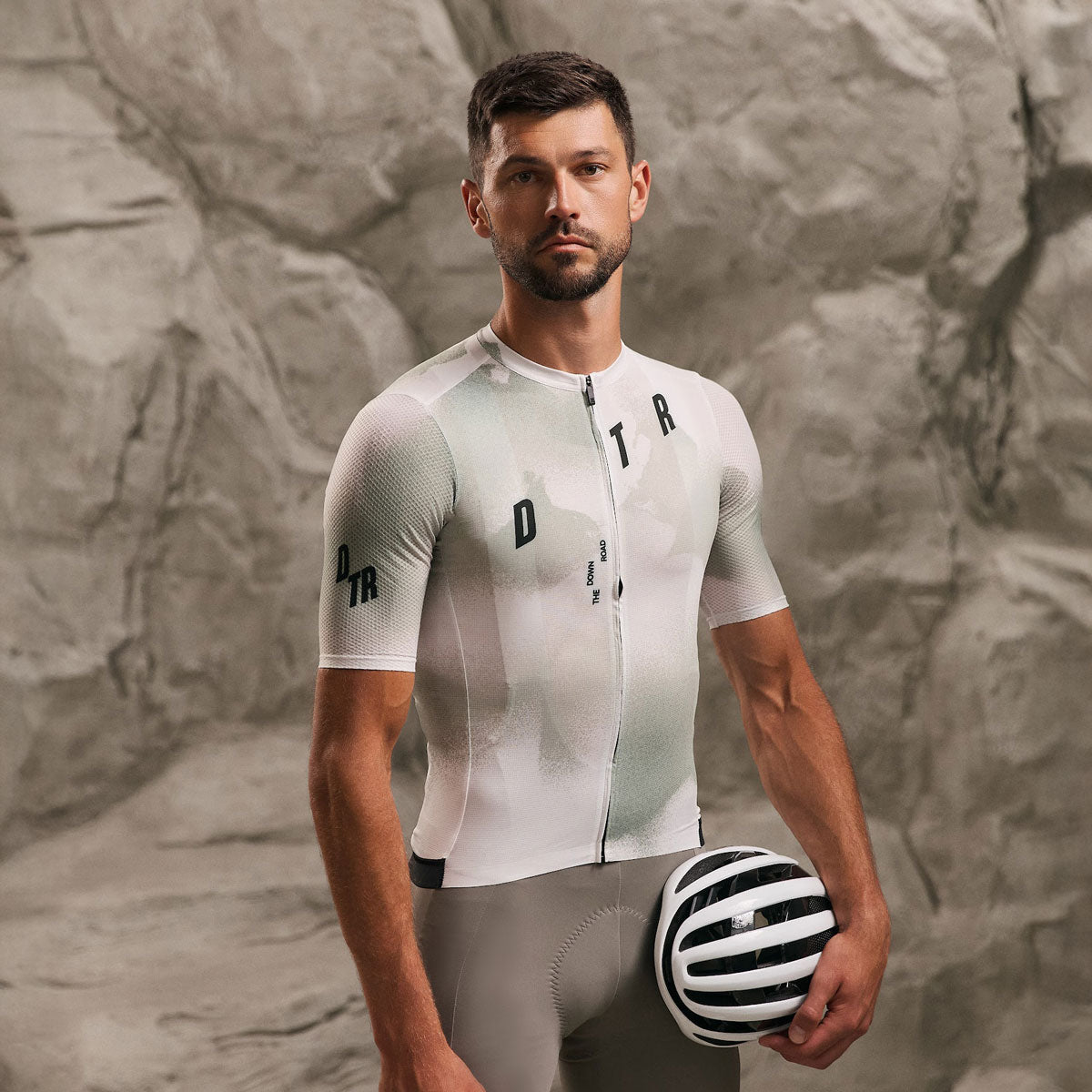
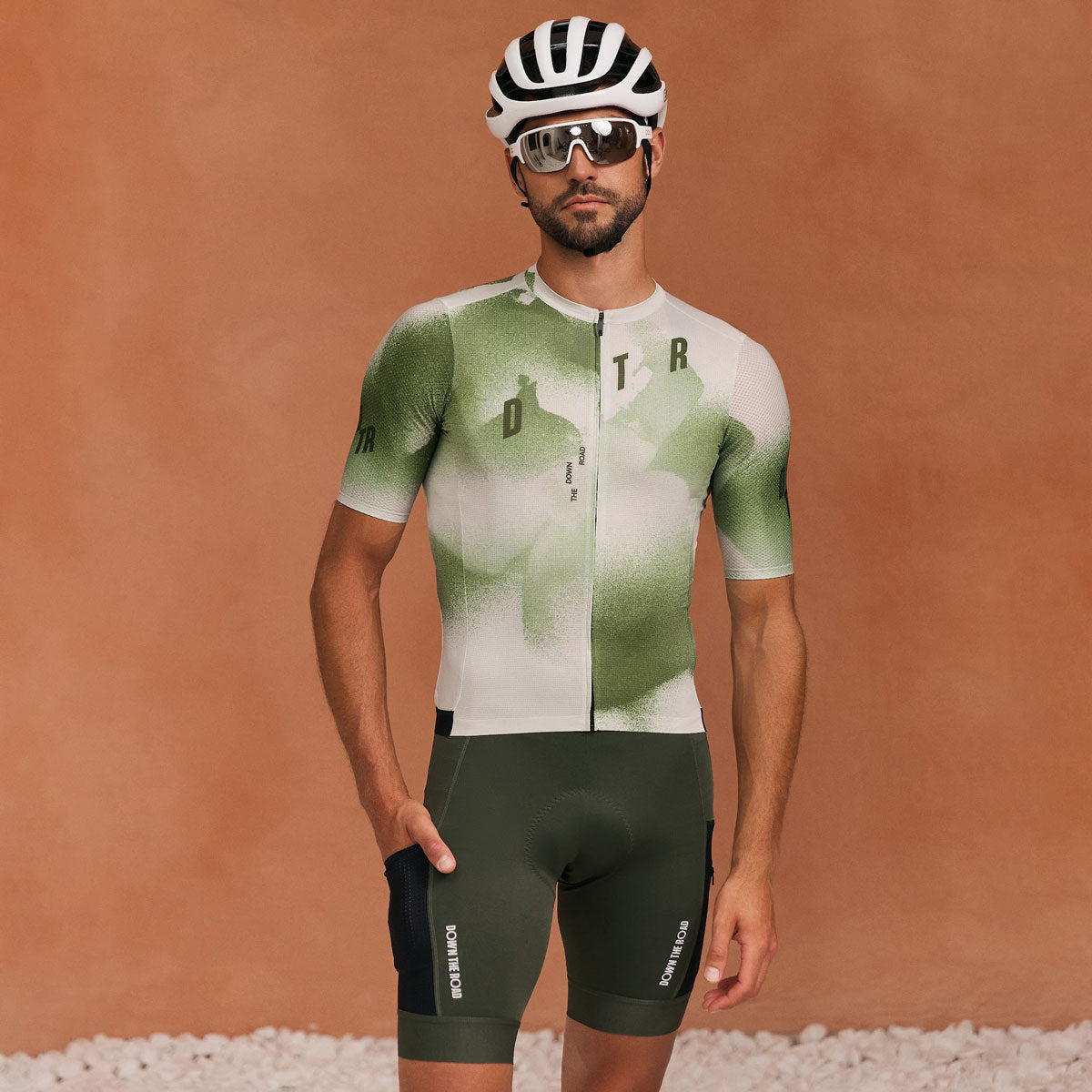

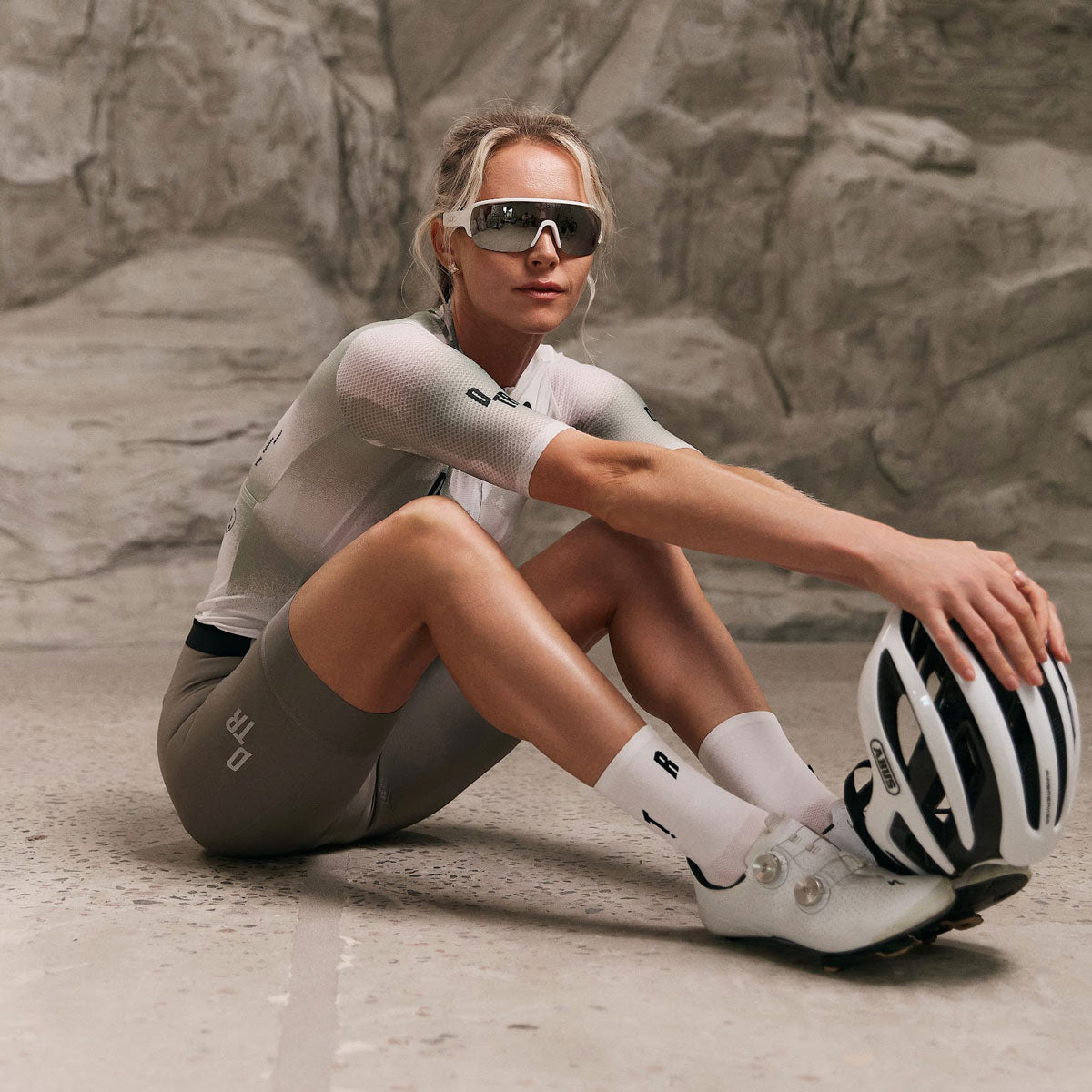
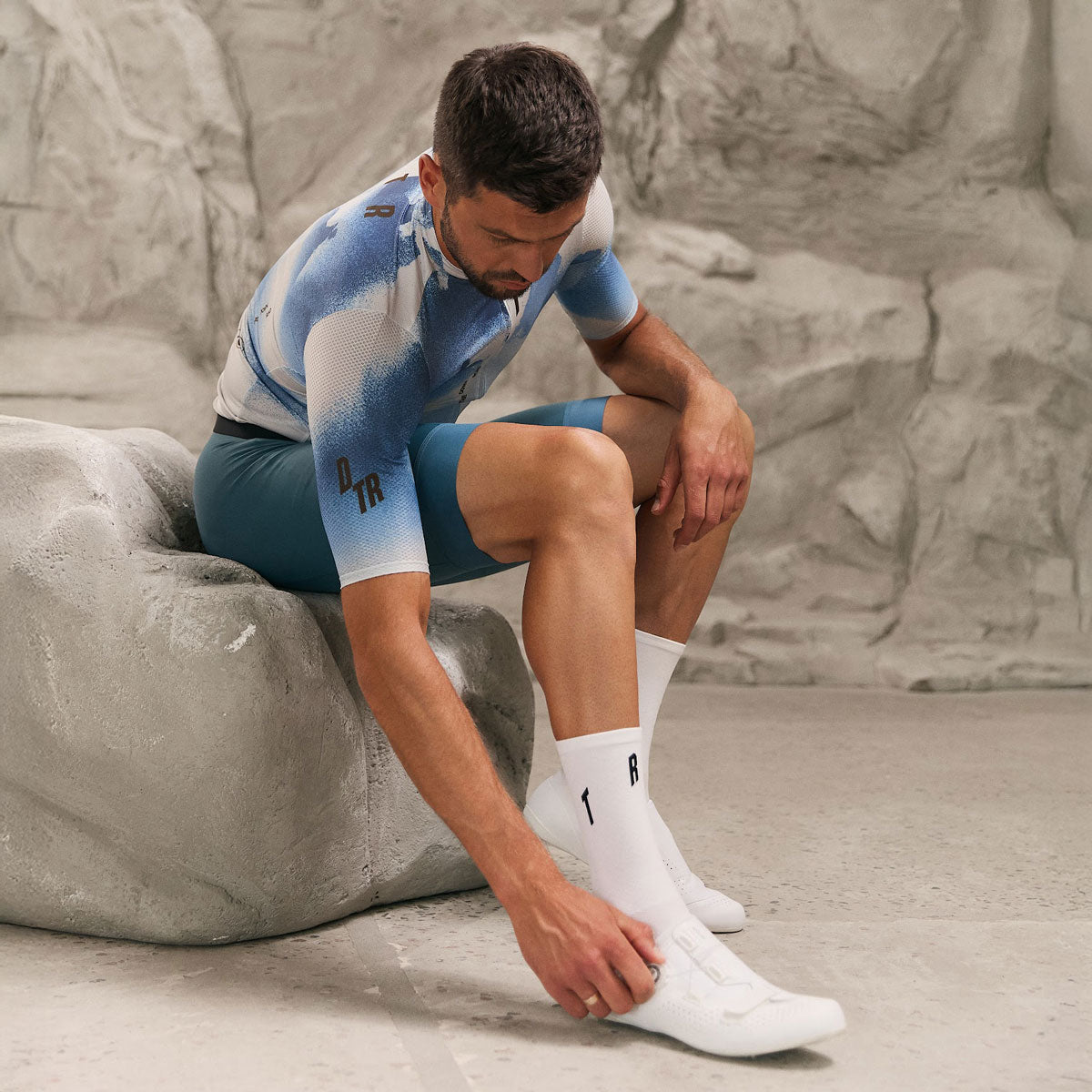
Below freezing, wear a thermal base layer, a long-sleeve winter jersey, a windproof layer and thermal bib tights, then protect your hands, feet and face, because those fail first. Start the ride slightly cold: you will warm up within the first 10 to 15 minutes, and overdressing leads to sweat that chills you later.
This guide covers the sub-zero slice of winter riding: body, legs, extremities, head, and how ice and wind change the plan. For the full temperature range, see our guide to what to wear cycling by temperature.
What do you wear on your body below freezing?
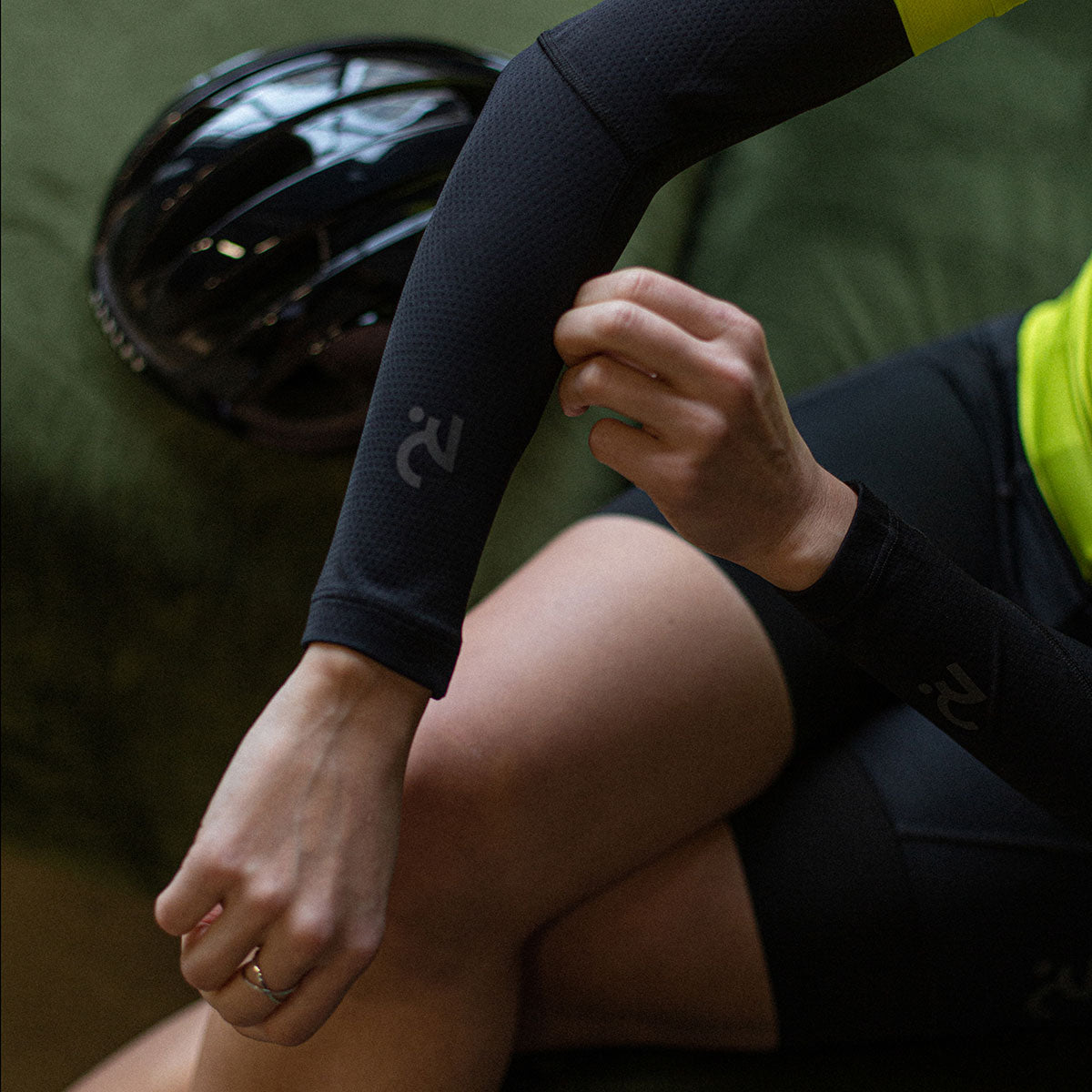
Three layers: a thermal base layer next to the skin, a long-sleeve winter jersey over it, and a windproof layer on top that you can take off or open as you warm up. Avoid cotton, which holds sweat. The base layer carries the work here; our guide to lightweight vs thermal base layers explains which to pick. Shop the windbreakers for the outer layer.
What goes on your legs?
Thermal bib tights, not shorts with warmers. Below freezing you want continuous cover from waist to ankle, with no gap at the knee where the cold gets in. The bib straps also stop a waistband pressing on your stomach when you ride folded over. Our guide to choosing thermal bib tights goes through fit and fabric weight.
How do you keep hands and feet warm?
Hands and feet lose heat first because blood is diverted to your core. Wear thick winter socks and consider overshoes, and use proper winter gloves. We do not sell gloves, so we will not point you at a product we do not make; our winter cycling gloves guide explains what to look for, and the winter cycling socks guide covers the sock side. Our cycling overshoes guide covers shoe covers.
What about your head and face?
A thin winter cap or beanie fits under a helmet, a neck warmer closes the gap at the collar, and a face mask protects cheeks and nose in a headwind. The face is where wind chill bites hardest. See our guide to neck warmers and winter headwear, or browse the DTR headwear.
How should you layer, and how many layers?
Enough that you are slightly cold at the door and comfortable ten minutes in. Put the layers that you may remove (a windproof layer, a gilet) on top where you can reach them, and carry one spare thin layer for a stop. For the principles behind this, read how to layer for cold-weather cycling.
How do ice and wind change the plan?
Ice matters more than the number on the thermometer. A road at 1°C can be treacherous after a clear night, so favour main roads that have been gritted and shorten the ride if surfaces look glazed. Wind adds to the chill: plan so that the headwind comes first and the tailwind takes you home, when you are tired and sweaty. If you start shivering uncontrollably or lose feeling in your fingers, stop and warm up, and seek medical advice if it does not pass. For wider cold-weather advice, see our winter cycling kit guide.
Quick answers
What temperature is too cold to ride a bike?
There is no fixed number. Ice and wind are the bigger limits than temperature itself; with the right layers many riders train below freezing, but icy roads are a reason to stay in.
How many layers should you wear at 0°C?
Three on the body: a thermal base layer, a long-sleeve jersey and a windproof layer, plus thermal bib tights and protection for hands, feet and face.
Should you wear shorts and leg warmers below freezing?
Thermal bib tights are the better choice. Warmers leave gaps at the knee and thigh.
See the DTR thermal bib tights →
DTR — performance cycling and triathlon apparel, designed and developed in Ukraine.

Leave a comment
This site is protected by hCaptcha and the hCaptcha Privacy Policy and Terms of Service apply.