

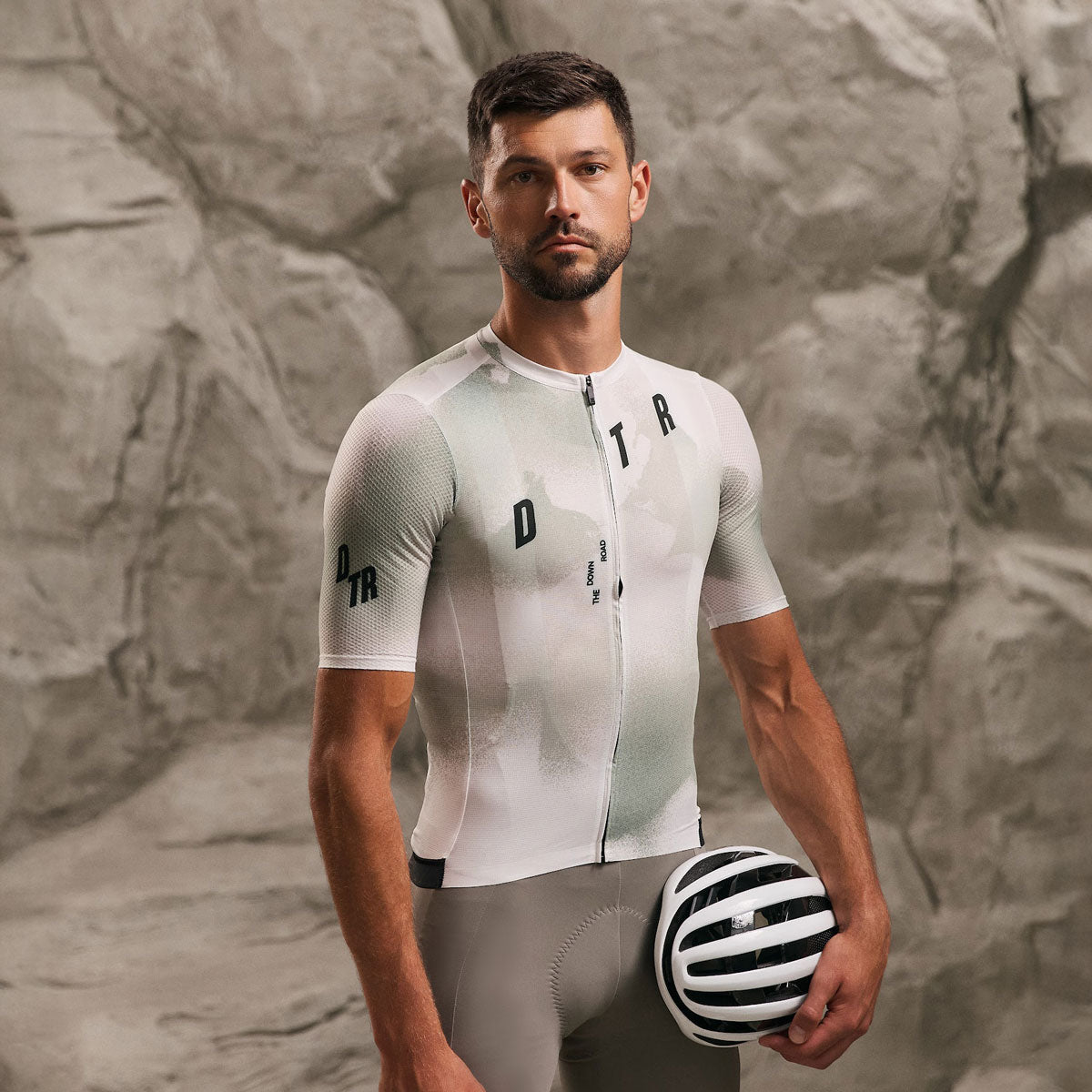
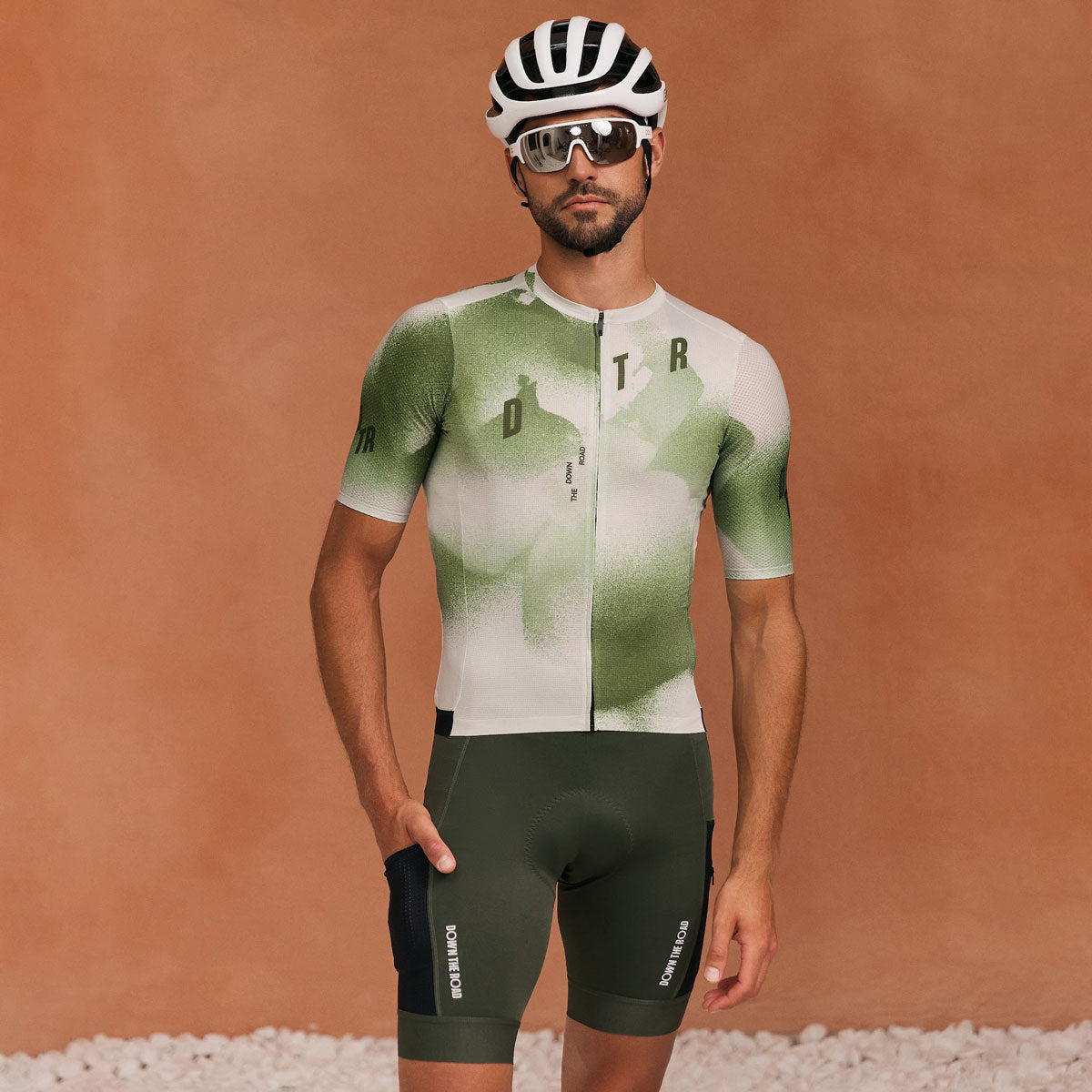

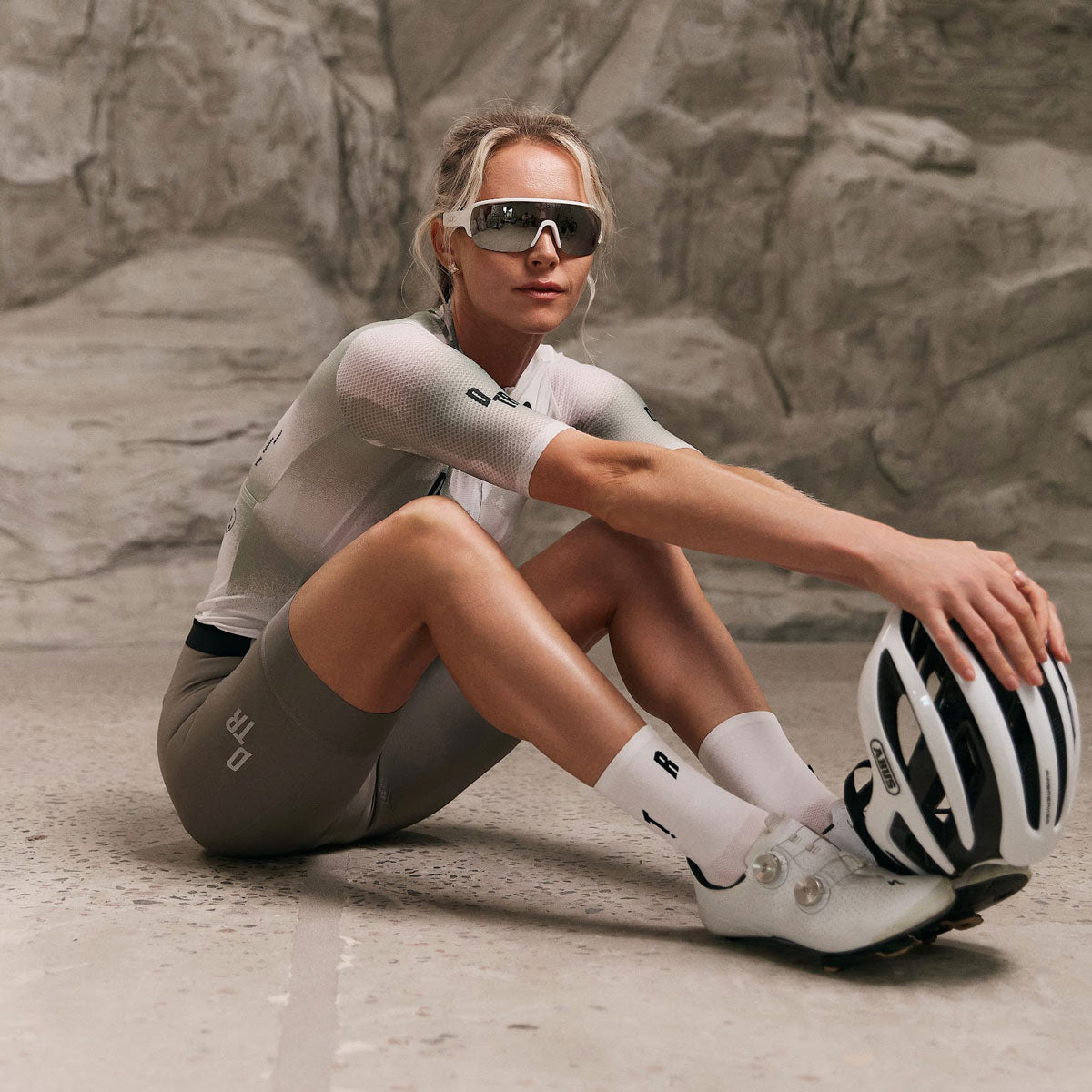
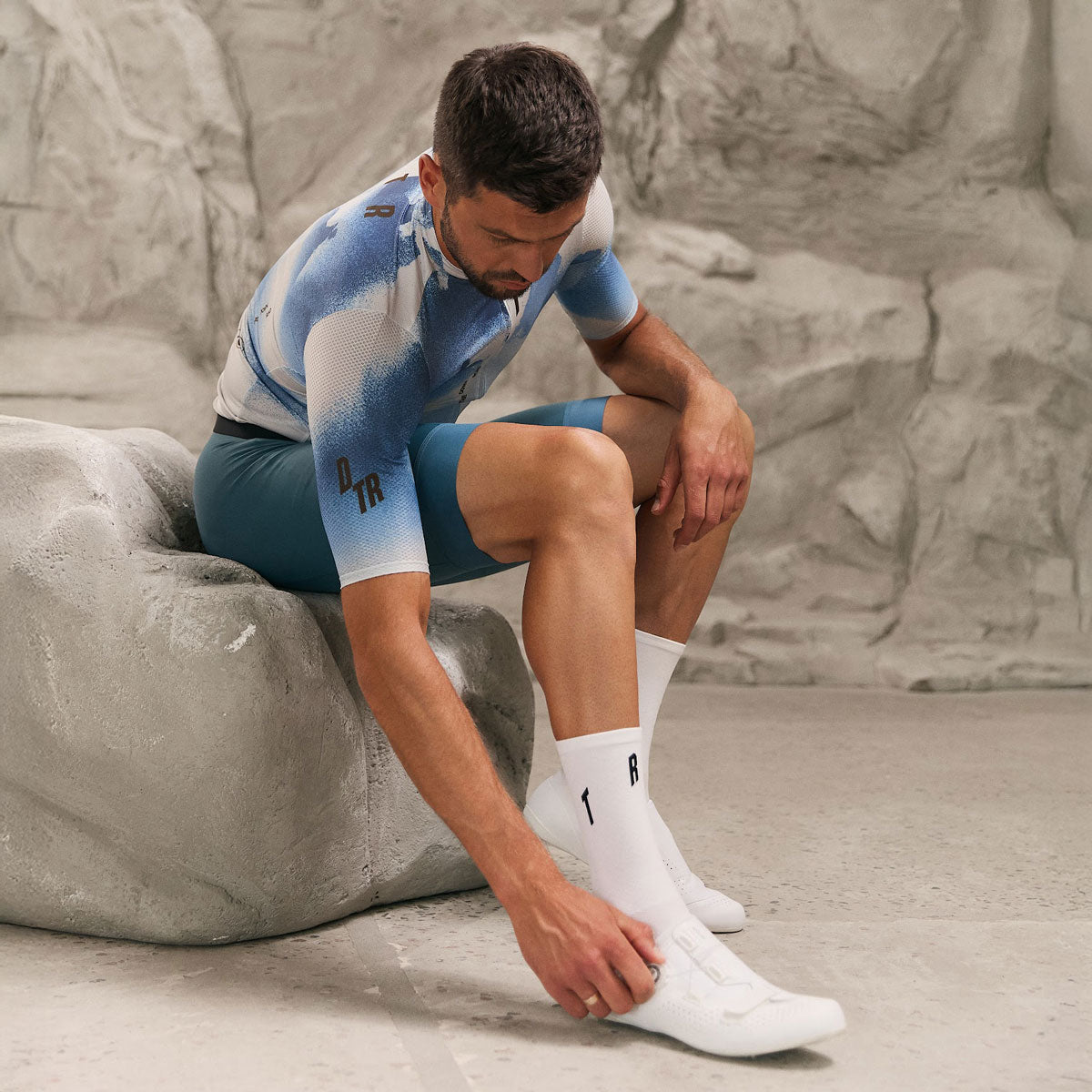
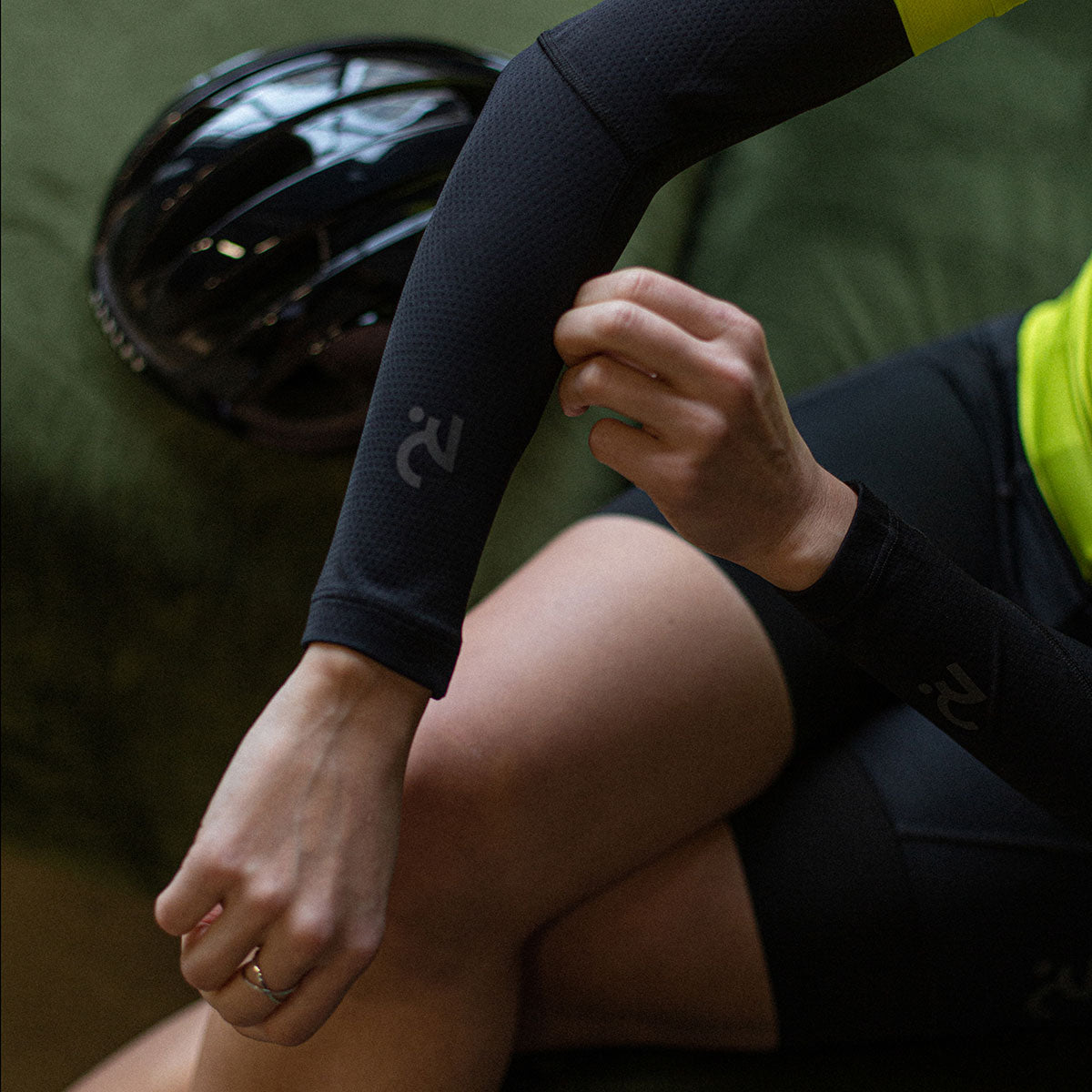
Winter cycling is comfortable if you dress for it: a thermal base layer, a thermal jersey or jacket, thermal bib tights, and — crucially — the extremities covered with warm gloves, overshoes, a cap and thermal socks. The mistake most riders make is focusing on the core and forgetting that cold hands, feet and head end rides faster than a cold chest. This head-to-toe guide covers exactly what to wear cycling in winter, layer by layer, so the cold season stays rideable.
The winter layering principle
Winter warmth comes from layering, not one thick garment: a base layer to manage sweat and add warmth, a mid/thermal layer to insulate, and a shell to block wind and weather when needed. The trick is to dress so you're slightly cool at the start — you'll warm up within ten minutes — rather than toasty and then soaked in sweat. Sweat is the enemy in winter: wet skin under your layers chills you fast, so managing moisture matters as much as adding insulation. Build from a good base layer up.
Base layer: the foundation
In winter, a thermal base layer is non-negotiable. Worn next to the skin, it wicks sweat away so you stay dry, and adds a layer of warmth as the first thing against your body. A brushed or merino thermal base layer is one of the highest-value winter pieces — it's the difference between staying warm and getting a cold, clammy chill on the first descent. Never skip it, and never wear cotton underneath: cotton soaks and chills you.
Core: thermal jersey or winter jacket
Over the base layer, your core needs insulation and often wind protection:
- A thermal long sleeve jersey (brushed inner) works for cold, dry rides, especially with a gilet or shell over the top for descents.
- A winter cycling jacket adds a windproof, often water-resistant front with thermal insulation, for genuinely cold and exposed rides — the warmest single option.
- On changeable winter days, a thermal jersey plus a packable windproof gilet or jacket gives you adjustability: open up on climbs, seal up on descents.
Match it to how cold and wet it is: jersey-plus-shell for milder or variable days, a full winter jacket for the coldest.
Legs: thermal bib tights
Your legs need as much attention as your core in winter. Thermal bib tights — with a brushed, fleecy inner and often a windproof front — keep your legs warm and your muscles working in the cold, with a proper chamois for comfort on longer rides. They're the winter equivalent of bib shorts and one of the most important cold-weather pieces: cold, stiff legs on a winter descent are miserable and slow. For milder days, bib shorts plus leg warmers cover a lot of the same ground with more flexibility. (For how to choose, see our thermal bib tights guide.)
Hands: warm gloves
Here's where winter rides are won or lost. Cold hands lose grip, dexterity and the ability to brake and shift safely — so warm winter gloves are essential, not optional. Look for insulated, windproof and ideally water-resistant gloves warm enough for the temperatures you ride in. Very cold or wet days may need lobster-style or heavier gloves; milder days, a lighter thermal glove. Cold hands end more winter rides than a cold core, so don't under-invest here.
Feet: overshoes and thermal socks
Feet are the other extremity that decides your comfort. Cycling shoes are ventilated — great in summer, cold in winter — so you need:
- Overshoes: windproof, water-resistant covers over your shoes are the single biggest winter foot upgrade, blocking the wind and rain that chills your feet.
- Thermal socks: a good pair of merino or thermal cycling socks adds warmth; avoid cotton.
- On the coldest days, consider winter-specific boots or toe covers as well.
Cold, wet feet are one of the fastest ways to cut a winter ride short — overshoes fix most of it.
Head, neck and face
The bits that stick out in the wind:
- A thermal cap or headband under the helmet keeps your head and ears warm — a huge difference for a small piece.
- A neck gaiter or buff seals the gap at your collar and can be pulled up over your face in bitter wind.
- On very cold days, a thin balaclava or face covering protects your face on fast descents.
Covering your head and neck stops a surprising amount of heat loss, and keeps you comfortable where the wind hits hardest.
Visibility and winter safety
Winter means short days, low light and often wet roads, so visibility is part of your kit, not an afterthought. Prioritise brighter colours and reflective details, and run lights front and rear — being seen matters more in winter's gloom. It's a safety point worth building into every winter kit choice, especially if you ride early, late or in poor weather.
Putting it together by temperature
- Cold and dry (around 5–10°C): thermal base layer, thermal jersey, gilet, thermal bib tights, full-finger gloves, thermal socks, cap.
- Cold and wet: add a waterproof/water-resistant jacket and overshoes, and heavier gloves.
- Very cold (near or below freezing): winter jacket, heavy thermal base layer, thermal bib tights (or two layers), lobster gloves, overshoes, thermal socks, cap and neck gaiter.
Start slightly cool, carry a packable layer if the forecast is changeable, and adjust as you warm up.
FAQ
What should I wear cycling in winter? A thermal base layer, a thermal jersey or winter jacket, thermal bib tights, and warm extremities — full-finger gloves, overshoes, thermal socks, and a cap under the helmet. Cover the hands, feet and head as carefully as the core.
How do I keep my hands and feet warm cycling in winter? Insulated, windproof winter gloves for your hands (lobster-style for the coldest days), and overshoes plus thermal socks for your feet. The extremities lose heat fastest, so this is where warmth matters most.
Do I need thermal bib tights for winter cycling? For genuinely cold rides, yes — they keep your legs warm and muscles working with a brushed inner and often a windproof front. For milder days, bib shorts plus leg warmers cover a lot of the same range.
How should I layer for winter cycling? A thermal base layer to manage sweat and add warmth, a thermal jersey or jacket to insulate, and a shell to block wind when needed. Dress slightly cool at the start so you don't overheat and sweat.
Is it too cold to cycle in winter? Rarely, with the right kit — riders cycle happily near and below freezing when dressed for it. The key is covering the extremities and managing sweat. Ice and safety, not the cold itself, are the real limits.
The bottom line
Winter cycling comes down to layering the core (thermal base layer, jersey or jacket), warming the legs (thermal bib tights), and — most importantly — covering the extremities that actually end rides: hands, feet and head. Dress slightly cool, manage sweat, and stay visible in the low light. Start with a warm foundation of DTR thermal bib tights and build from there.
—
DTR — performance cycling and triathlon apparel, designed and developed in Ukraine.

Leave a comment
This site is protected by hCaptcha and the hCaptcha Privacy Policy and Terms of Service apply.