

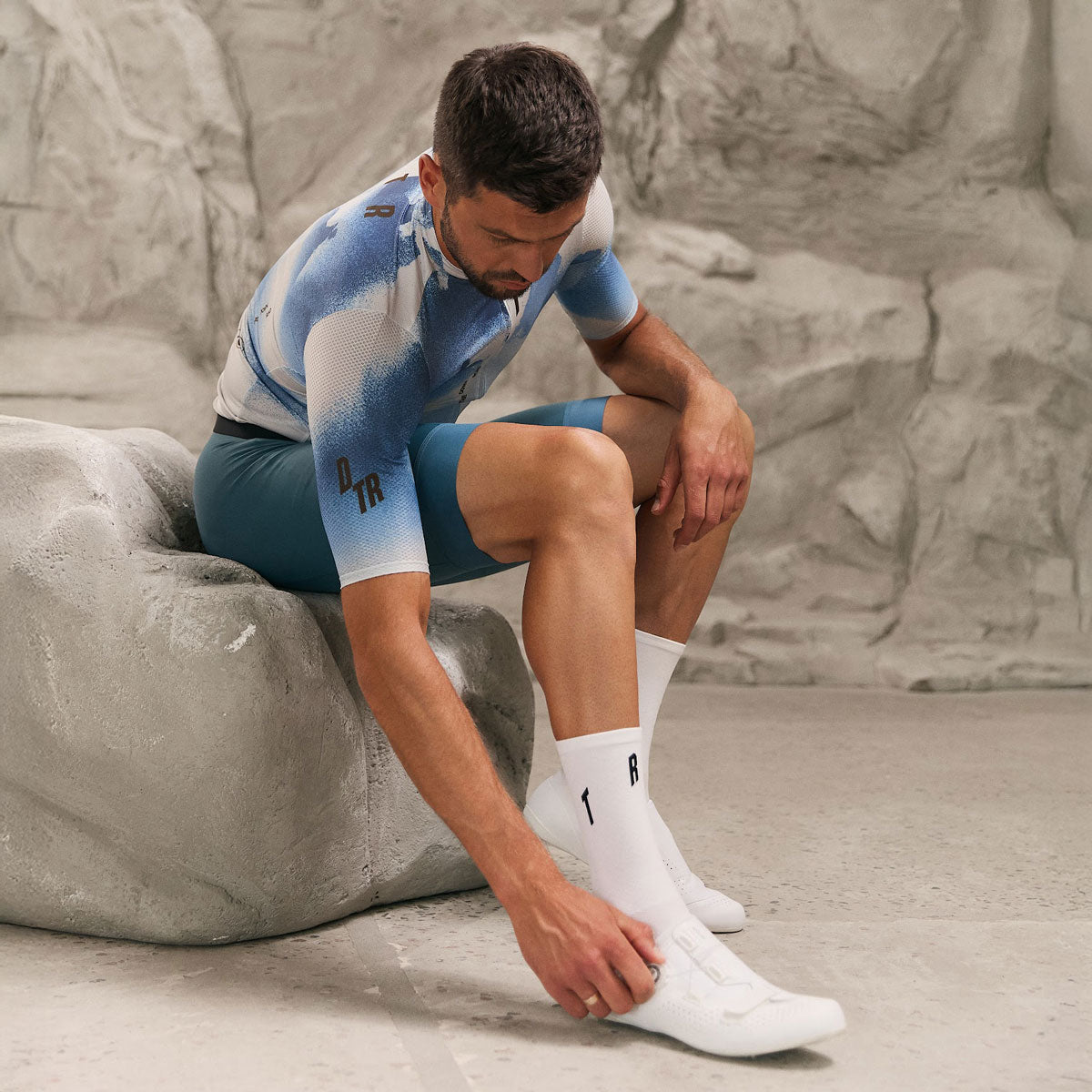
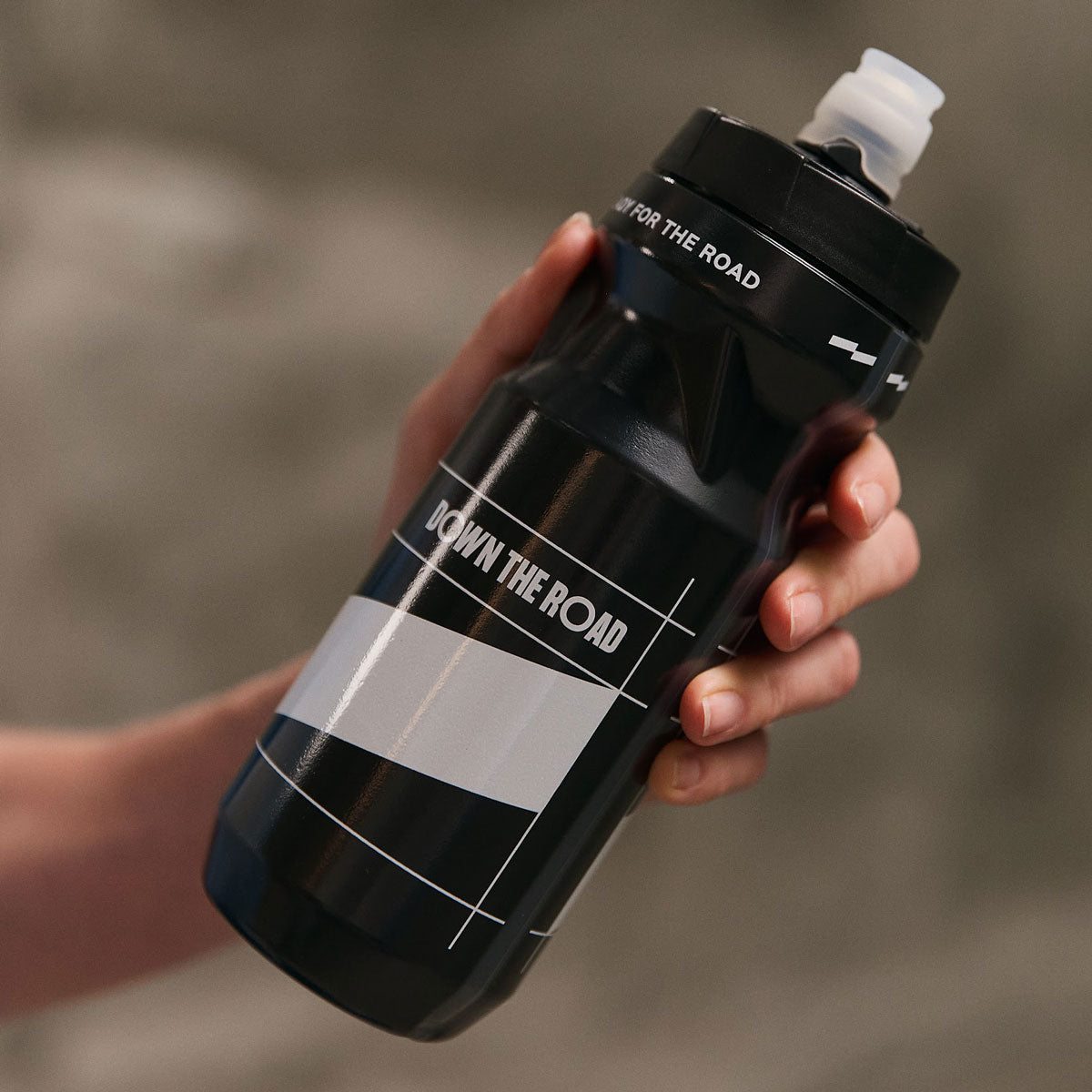
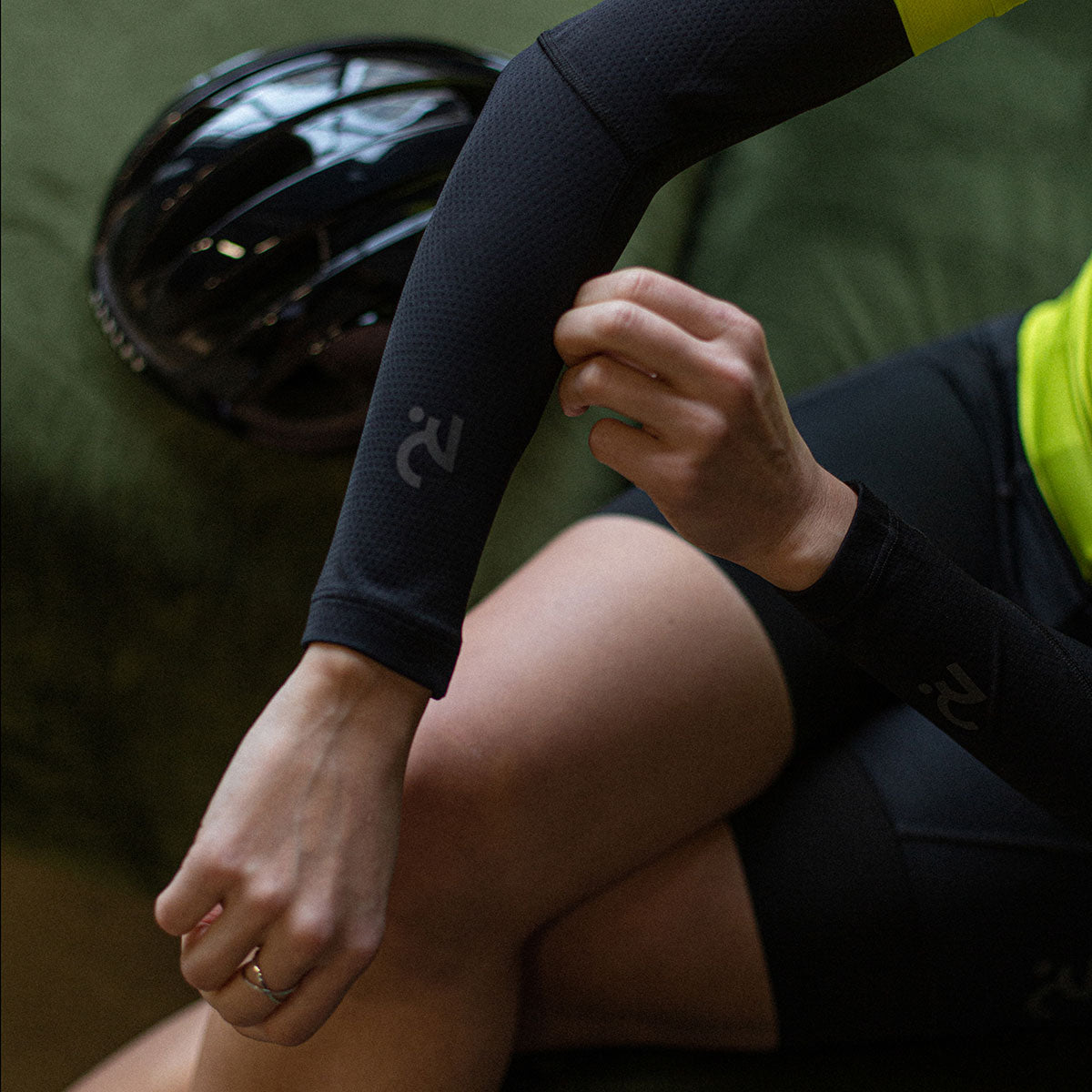
For a multi-day ride, pack two sets of riding kit and one set of off-bike clothes — then stop. Everything else you add is weather insurance, and it should be chosen for the coldest and wettest hour of the trip rather than the average day.
This guide covers the two-kit rotation and how to wash on the road, what earns its place in a limited bag, how to plan for a temperature range instead of a forecast, and where to carry the load once your jersey pockets are full.
The two-kit rule
Two riding kits is the number that works for trips from two nights to two weeks. One is on you, one is drying. A third set does not double your comfort — it adds weight and volume for a marginal gain, because the limiting factor on a bikepacking trip is drying time, not how many clean bib shorts you own.
The rotation is simple. You ride in kit A. At the end of the day you wash kit A and hang it; you sleep or eat in your off-bike clothes. In the morning you ride in kit B, which dried overnight. Repeat. The only thing that breaks this is three consecutive days of rain and no indoor space, and the fix for that is a base layer you can wear under damp bib shorts, not a third kit.
Off-bike clothes are one set: something to sleep in, something to sit in, and shoes you can walk in. Riders who pack more end up carrying it clean for a week.
What actually goes in the bag
A working list for a five-day summer trip with a mountain range in it comes to roughly 2.5 kg of clothing. Two bib shorts, two jerseys, one base layer, one windbreaker, arm and leg warmers, two pairs of socks, one cap, and the off-bike set. That covers 5°C to 30°C with layering.
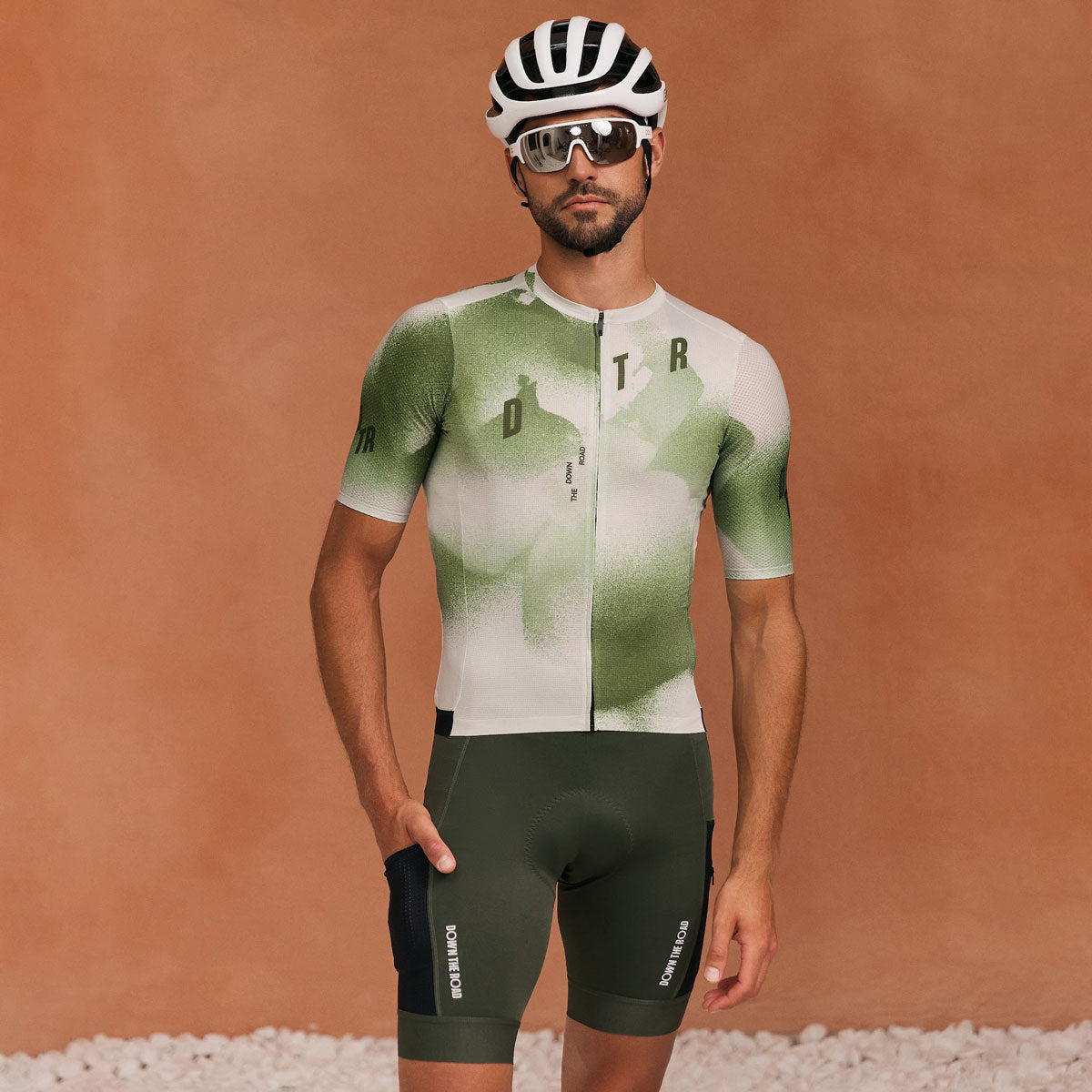
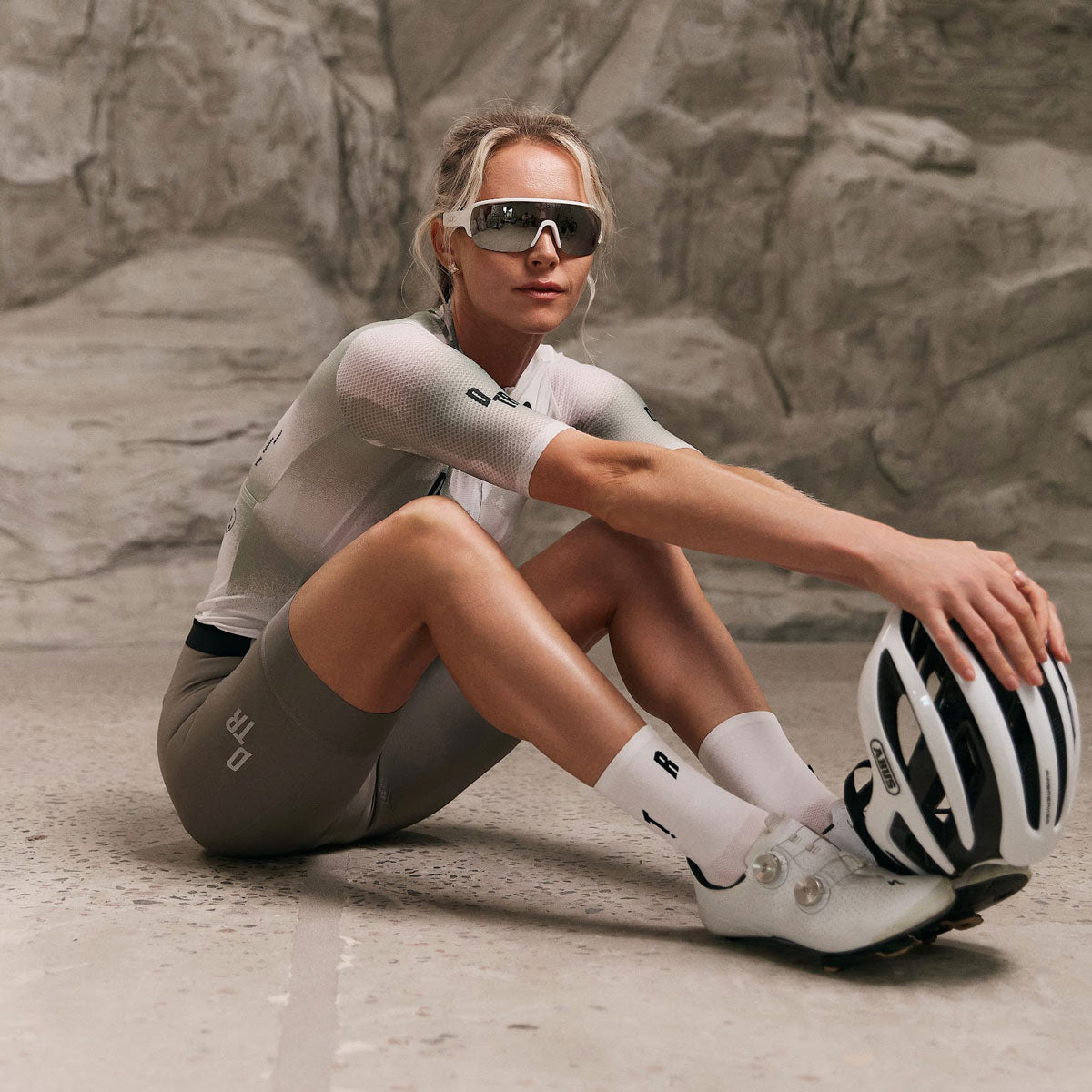
- Two pairs of bib shorts. The single most important item on the list. On multi-day rides the chamois is doing five or six hours of work a day with no rest day to recover on, so this is the wrong place to save weight or money. If one of the two pairs is a cargo bib short, you also solve the carrying problem below.
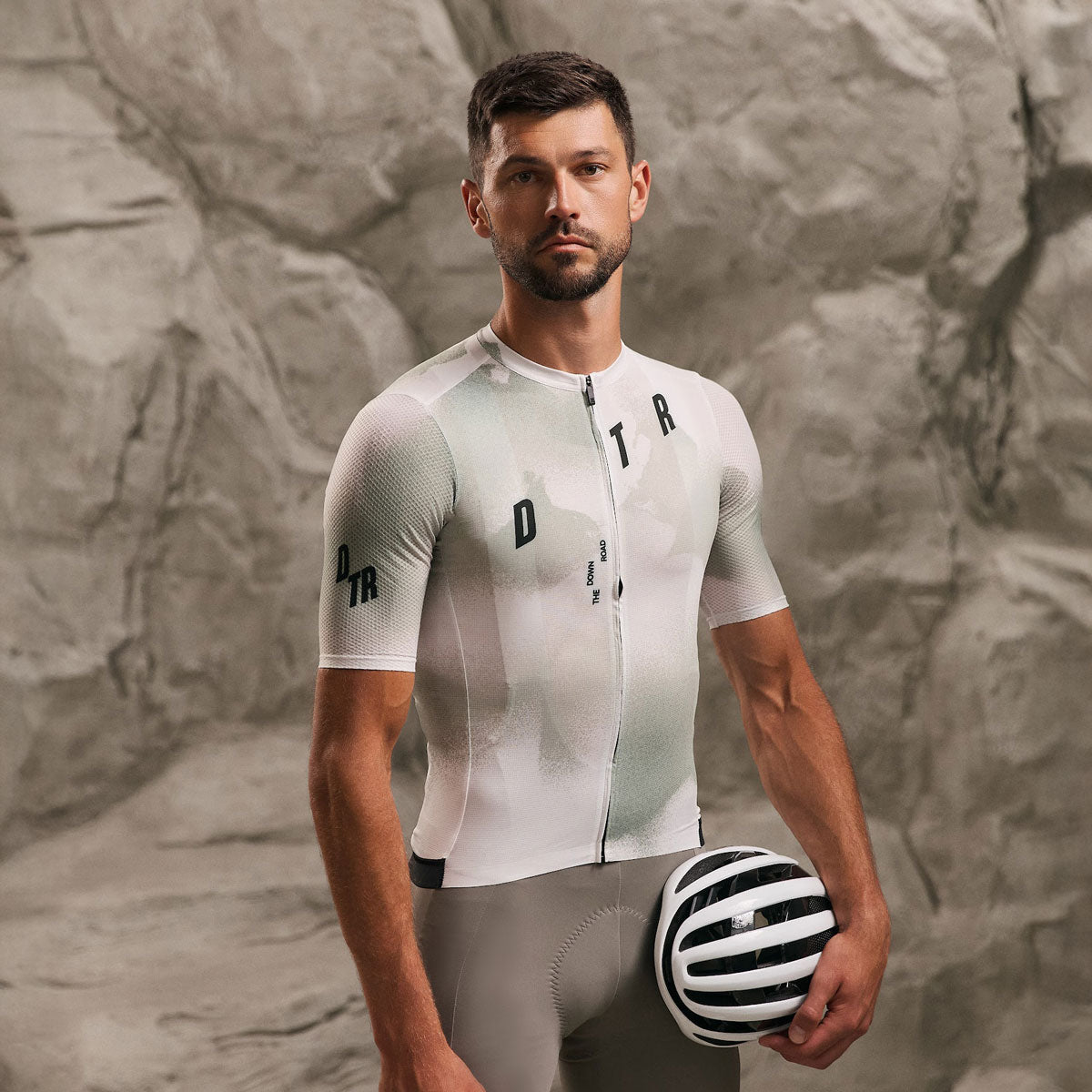
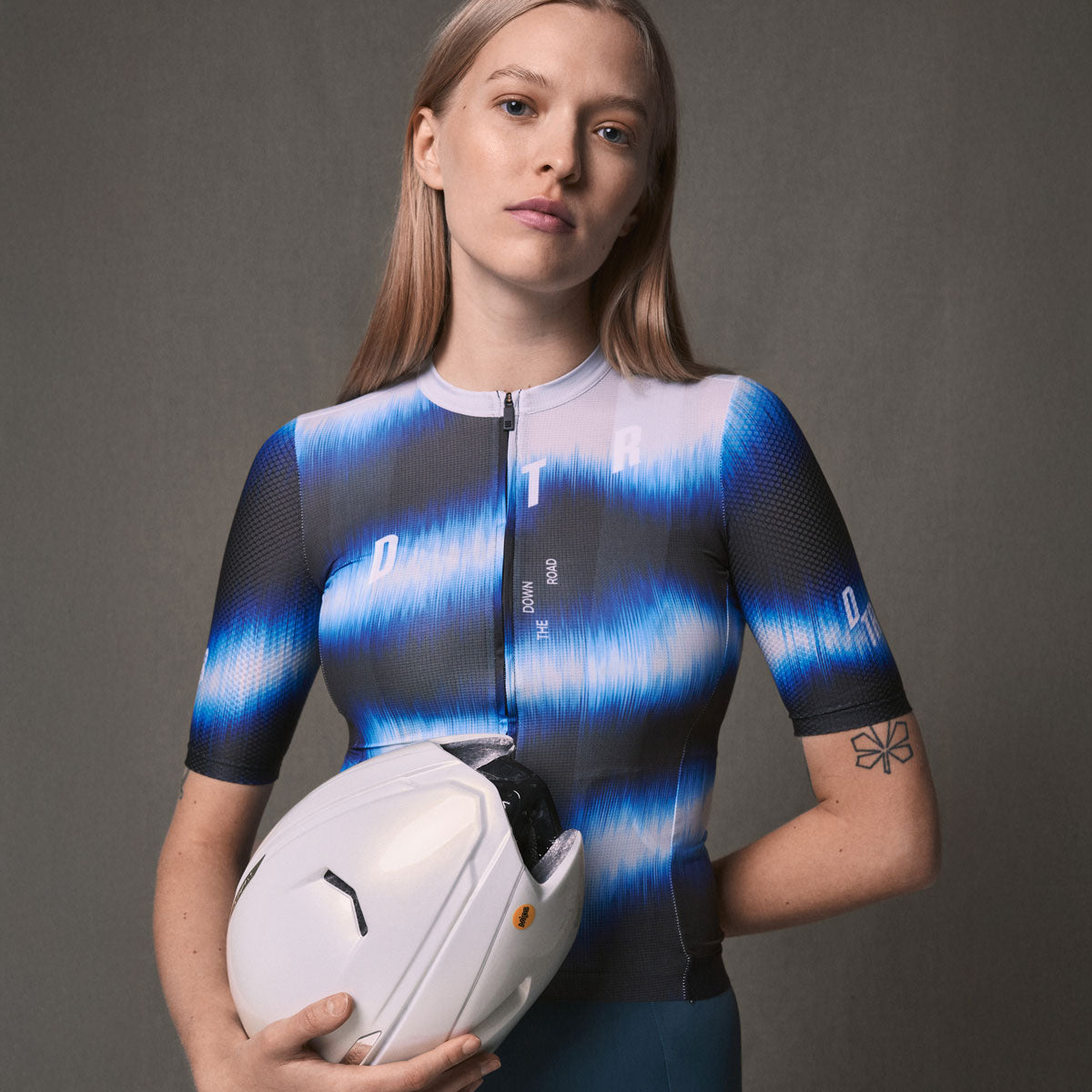
- Two jerseys. One lightweight, one slightly more substantial if the trip crosses altitude. Full-length zips matter more than usual because you will be regulating temperature constantly on loaded climbs.
- One base layer. Merino if the trip is over three days — see below.
- Windbreaker. Packs to the size of a fist, covers descents, wind, and cold mornings. On a loaded bike it also stops the wind cutting through a jersey you have been sweating into for six hours.
- Arm and leg warmers. The highest comfort-per-gram items you can carry. They let two jerseys cover four seasons of morning.
- Two pairs of cycling socks. Same rotation as the kit. Wool blends handle multi-day use better than pure synthetics.
- A cap. Sun, rain running into your eyes, and something to wear off the bike when your hair has given up.
What does not make the list: a second pair of shoes, cotton anything, a rain jacket you will wear twice, and the spare jersey you packed for a photo.
Washing kit in a sink, properly
Wash the chamois first, in cold water, with the least soap you can get away with, and rinse until the water runs completely clear. Detergent residue left in a chamois is a bigger cause of skin irritation on long trips than the riding itself, and it is the one step people rush at the end of a hard day.
The routine that works in a hostel sink or a river:
- Rinse everything in cold water first, before any soap. This removes most of the salt and sweat.
- Wash the bib shorts with a small amount of mild soap, concentrating on the chamois, and rinse three times.
- Roll each item in a towel and stand on it. This gets more water out than wringing and does not damage the fabric or elastic.
- Hang with the chamois facing outward and open to the air. In a tent, that means inside near the door, not stuffed in a dry bag.
Never wring bib shorts by twisting — it stretches the leg grippers and the panels around the chamois, and a stretched gripper on day two ruins the rest of the trip. Our full guide to washing cycling kit covers the at-home version, and the principles are the same.
Why merino earns its place on day three
Merino resists odour far longer than synthetics because bacteria struggle to colonise the fibre, which means a merino base layer stays wearable for three or four days where a synthetic one becomes unpleasant after two. On a trip where you are washing in cold water without detergent, that difference decides how many layers you carry.
The trade-off is honest: merino dries more slowly and wears out faster than a good synthetic. That is why the useful split on a bikepacking trip is a merino or merino-blend base layer next to skin, and synthetic jerseys and bib shorts that dry overnight. You get the odour resistance where it matters and the drying speed where it matters. Merino vs synthetic base layers goes into the fibre detail.
Plan for the range, not the average
Pack for the coldest and wettest hour you are likely to meet, not the daytime average. A route that averages 22°C can still start at 6°C in a valley at dawn and drop below 10°C on a 2,000-metre pass in the evening. The average is not a temperature you will ever actually ride in.
Three questions size the kit properly:
- What is the highest point, and when will you be on it? Altitude costs roughly 6°C per 1,000 metres, and late-afternoon summits are colder and windier than the map suggests.
- Where are you sleeping? A hostel means kit dries; a bivvy means it does not, and you need a layer you can put on damp.
- What is the wettest realistic day? Not the forecast — the season's realistic worst. That determines whether a windbreaker is enough or whether you need genuine waterproofing.
Riders we sponsor at Badlands — a 700 km unsupported gravel race across Andalusian desert and sierra — face 38°C on the plateau and single digits at altitude in the same twenty-four hours, and they still ride it on two kits. The range is handled with warmers and a shell, not with more sets. Our Badlands kit breakdown works through that specific case.
Where the load should sit
Weight on your back is weight your hands and shoulders carry over every kilometre of rough surface, so move as much of it as possible onto the bike or onto your hips. Full jersey pockets that are fine for a four-hour road ride become genuinely uncomfortable on day three of loaded gravel.
Cargo bib shorts change the maths here more than most riders expect. Leg pockets sit on the thigh, close to the body's centre of mass, and they do not bounce on rough ground the way a loaded rear pocket does. Food, phone, and a packed windbreaker move off your back entirely. On a bike already carrying frame and seat packs, that is often the difference between a comfortable day five and a sore one. See the cargo bib shorts guide for what fits where.
For the day-to-day version of the same problem on unloaded rides, what to wear for long gravel rides covers the shorter end of the same spectrum.
Frequently asked questions
How many pairs of bib shorts do I need for a week of bikepacking?
Two. One on, one drying. A third pair only helps if you genuinely cannot dry kit overnight for several days running, and in that situation the better answer is a quick-drying base layer and a routine that gets the chamois hung early rather than more shorts in the bag.
Can I wash cycling kit in a river or lake?
Rinse in natural water, but do the soapy part in a container away from the water and dispose of the water on soil. Even biodegradable soap is harmful to aquatic life in concentration. A plain cold rinse removes most sweat and salt anyway.
Do I need a rain jacket or is a windbreaker enough?
A windbreaker covers wind, descents, and light showers, and it packs small enough that you always have it. Genuine sustained rain over several hours needs a waterproof shell, which is heavier and bulkier — carry one only if the season and route realistically demand it.
What do I wear off the bike?
One set: something to sleep in, something to sit in, and shoes you can walk a town in. Lightweight and quick-drying, so it doubles as an emergency layer if the weather turns. Merino works well here for the same odour reasons.
Should I take a chamois cream on a multi-day trip?
Most riders doing consecutive long days find it helps, applied to clean skin at the start of each day. It is preventative rather than curative. If you develop persistent pain, an open sore, or any sign of infection, stop riding and see a doctor — that is not something to manage with cream and another 150 km.
Start with the kit that does the most work: the DTR bib shorts range is at Bib Shorts.
DTR — performance cycling and triathlon apparel, designed and developed in Ukraine.

Leave a comment
This site is protected by hCaptcha and the hCaptcha Privacy Policy and Terms of Service apply.