

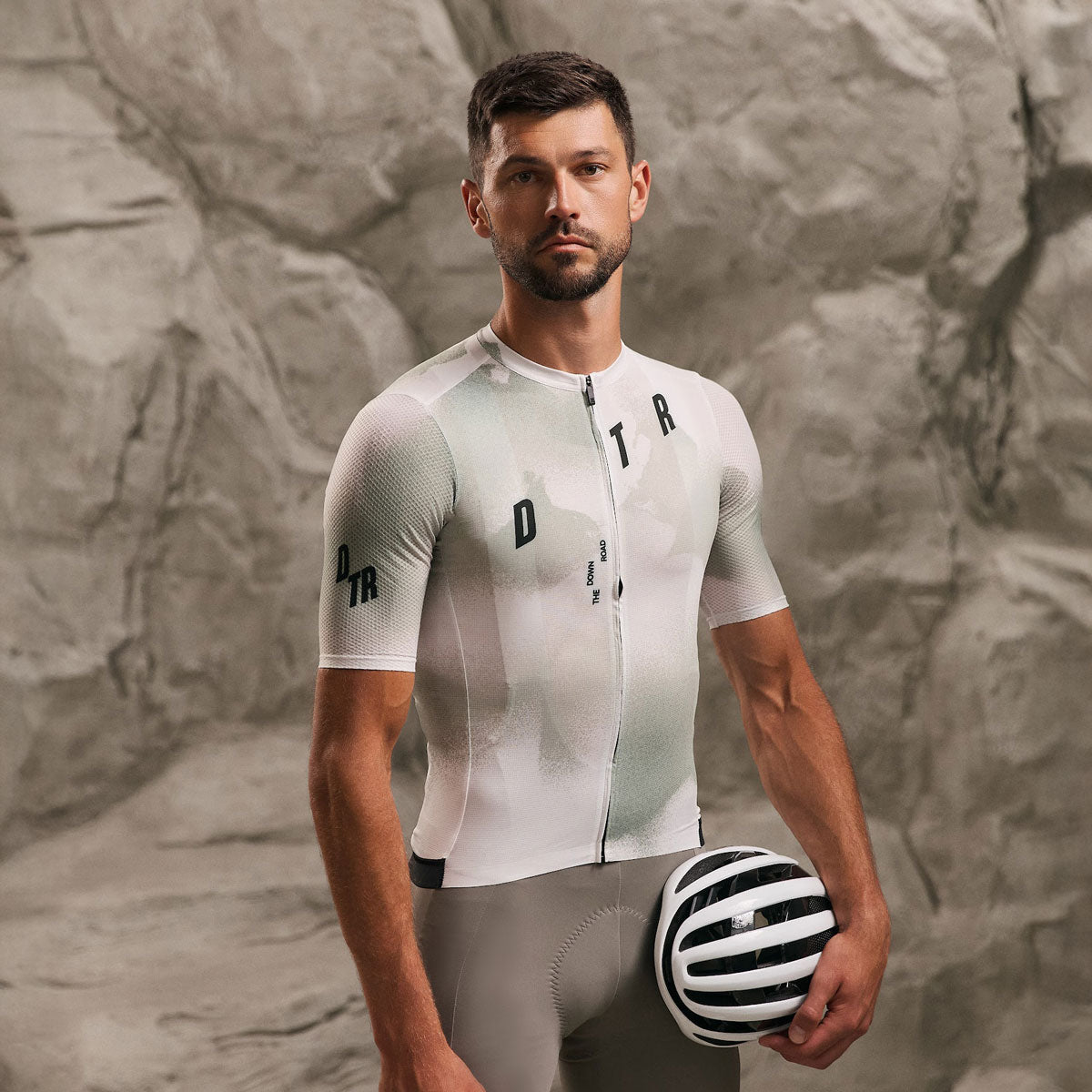
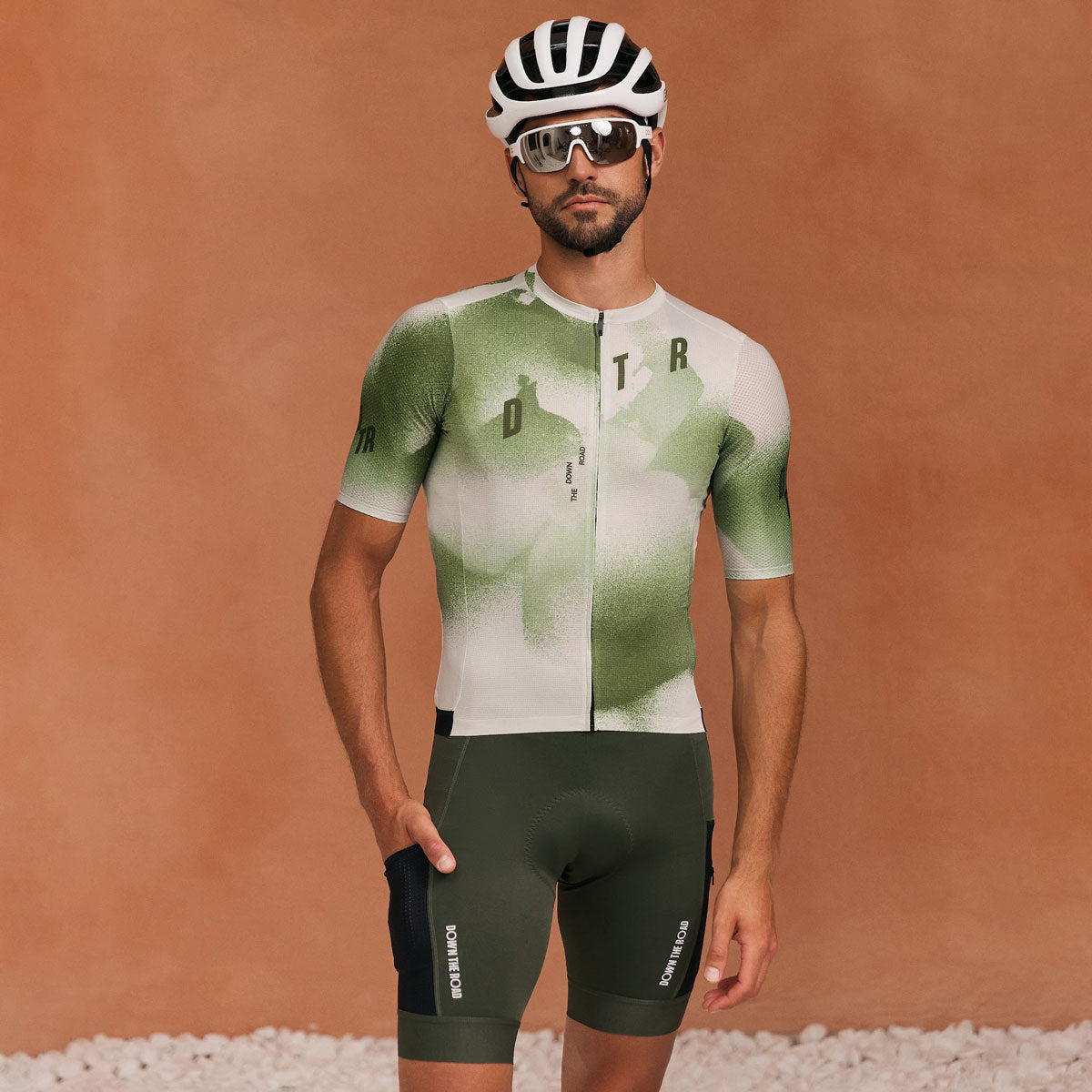
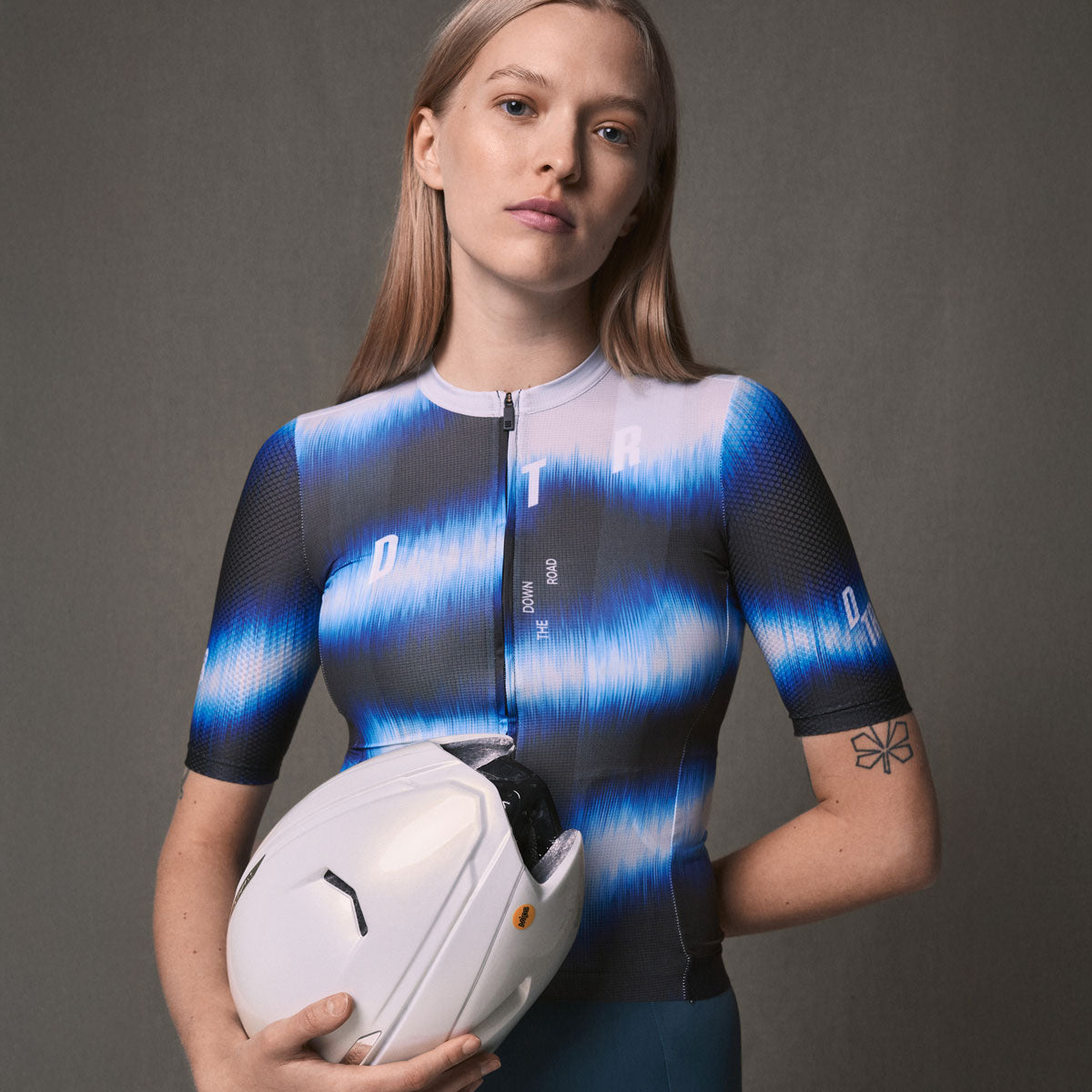
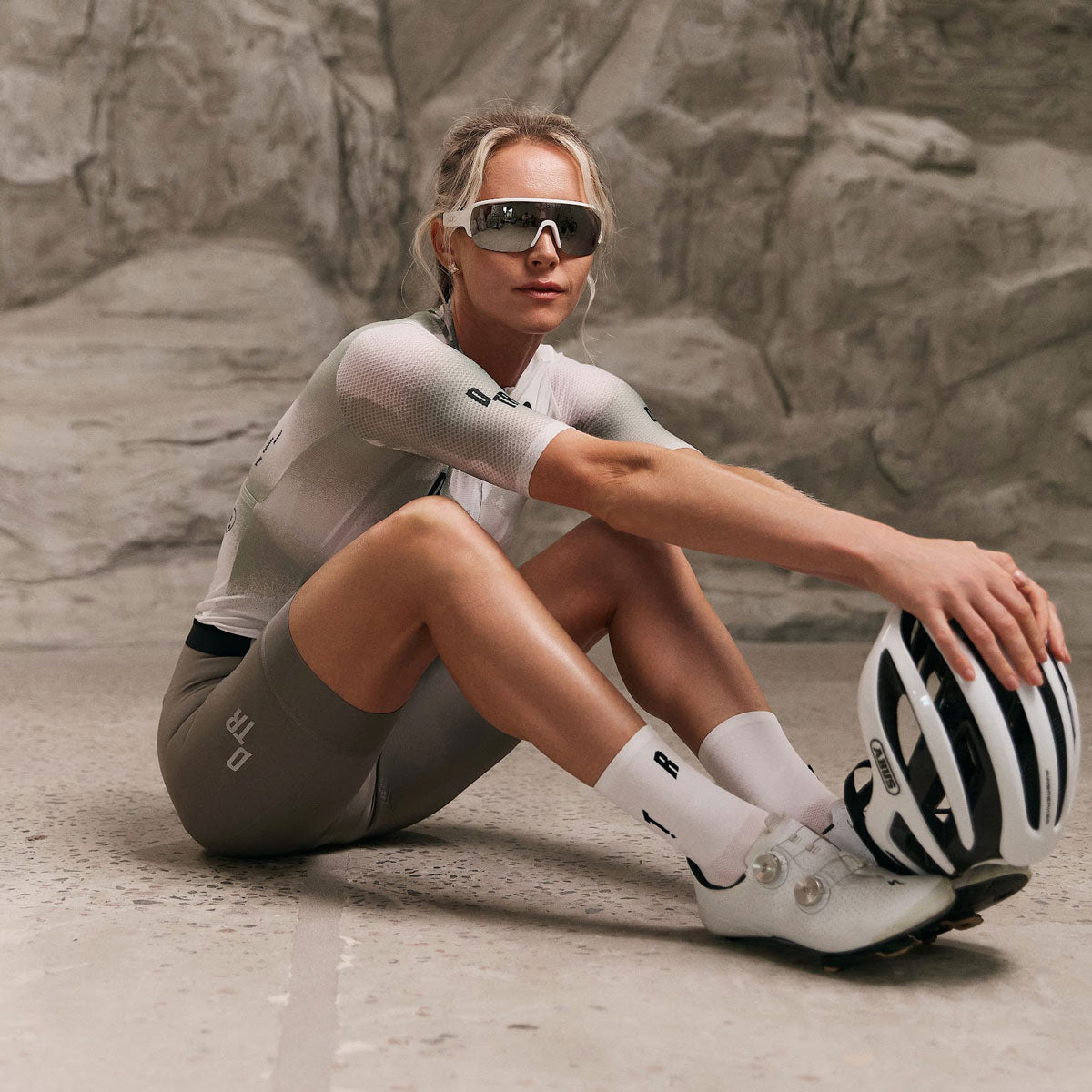
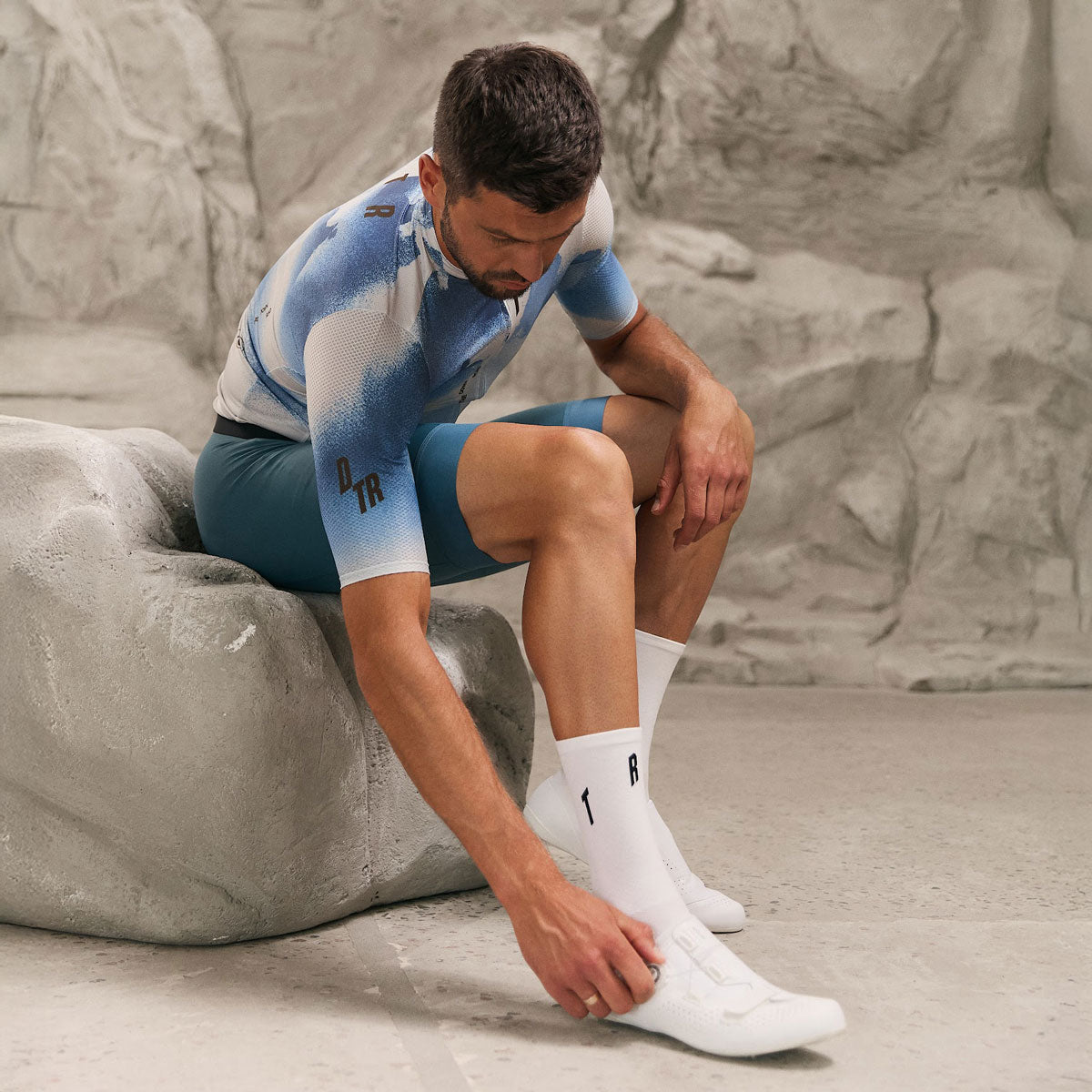
A century — 100 miles, or 160km — is a long day in the saddle, and what you wear decides how the last twenty feel. The core is simple: a comfortable, well-fitting bib short with a good chamois, a breathable jersey, and layers you can add and shed as the day changes. Beyond that, it's the small details — no chafing seams, the right socks, a base layer, sun protection — that add up over five, six or seven hours. This guide covers the kit for your first century and why comfort beats everything else on a ride this long.
Comfort is the whole game
On a one-hour ride you can get away with almost anything; on a century, every small discomfort compounds. A seam that rubs, a gripper that's slightly tight, a pad that bottoms out at hour three — none of them matter at 20 minutes, all of them matter at hour five. So the guiding principle for a first century is simple: prioritise proven comfort over anything new, aero or flashy. Never wear brand-new, untested kit on a century; ride everything beforehand.
The chamois and bib shorts: your most important choice
You're sitting on the same pad for the whole ride, so the bib short is the single most important piece. Look for a multi-density chamois calibrated for endurance — firmer under the sit bones, supportive without bottoming out over hours — in a bib short with a fit that stays put and leg grippers that hold without biting. Bib shorts (not waistband shorts) distribute the pressure through the straps and remove the waistband dig on a long day. This is the piece to get right first. (For how to choose, see our guide on the best bib shorts for long rides.)
The jersey and base layer
A breathable jersey with three rear pockets manages heat over the long effort and carries what you need — food, a shell, arm warmers, a phone. Under it, a lightweight base layer is worth wearing even in summer: it wicks sweat off the skin so you stay cooler and drier, and reduces the skin irritation that builds over long hours. In cooler weather, the base layer adds warmth for the early miles. Either way, it's a small piece that pays off late in a long ride.
Layers you can shed
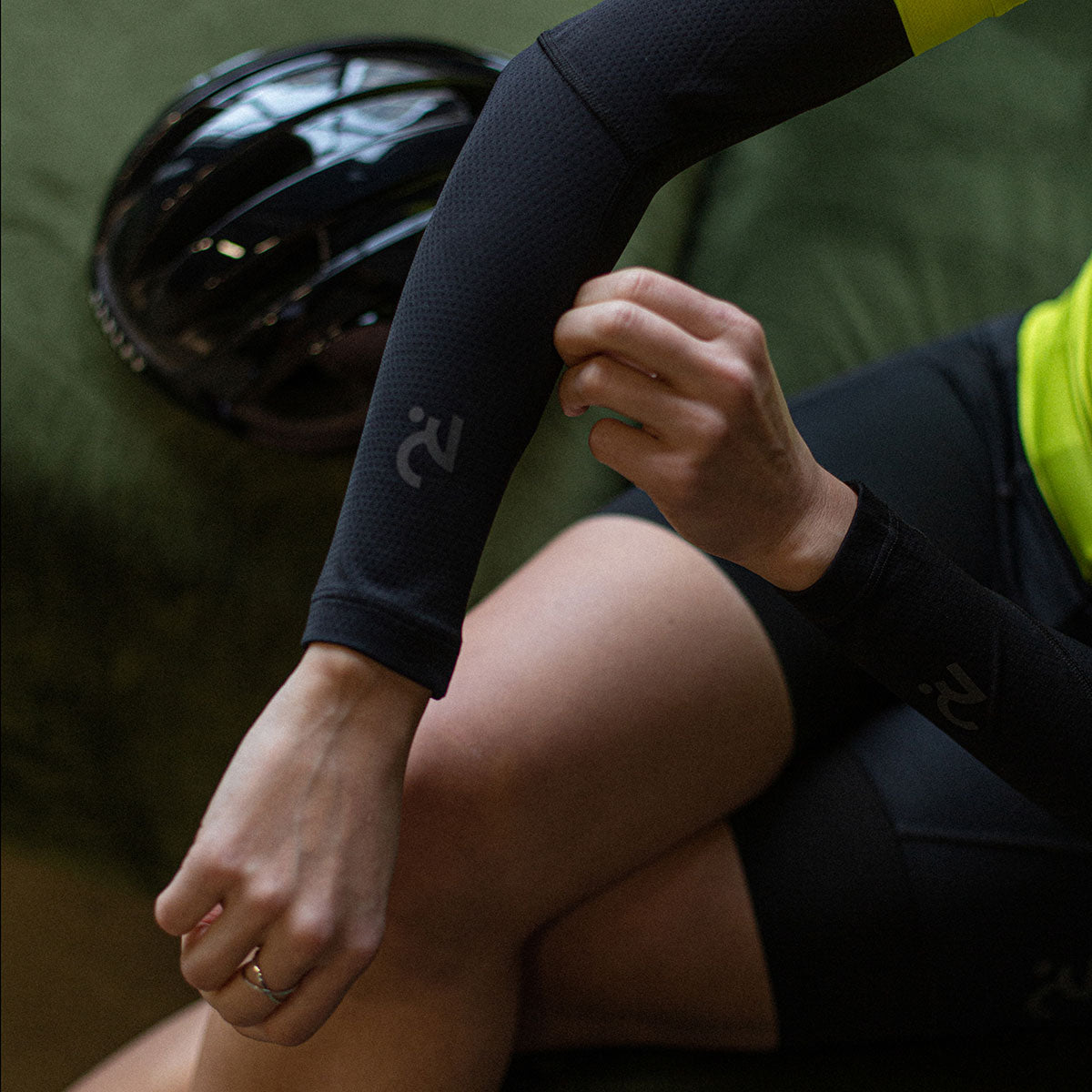
A century usually spans a big chunk of the day, so the weather and your body temperature both change. Dress for how you'll feel ten minutes in — slightly cool at the start — and carry layers you can add and drop: arm and leg warmers you can pocket, and a packable gilet or windbreaker for a cold start, a descent or a change in the weather. Starting a century overdressed and soaking in sweat by the first climb is a fast way to be uncomfortable by mile 60.
The small things that matter at hour five
On a ride this long, the details decide comfort:
- Socks: a good pair of technical cycling socks; the wrong socks blister over 100 miles.
- Chamois cream: worth using on a ride this long to cut friction before it starts.
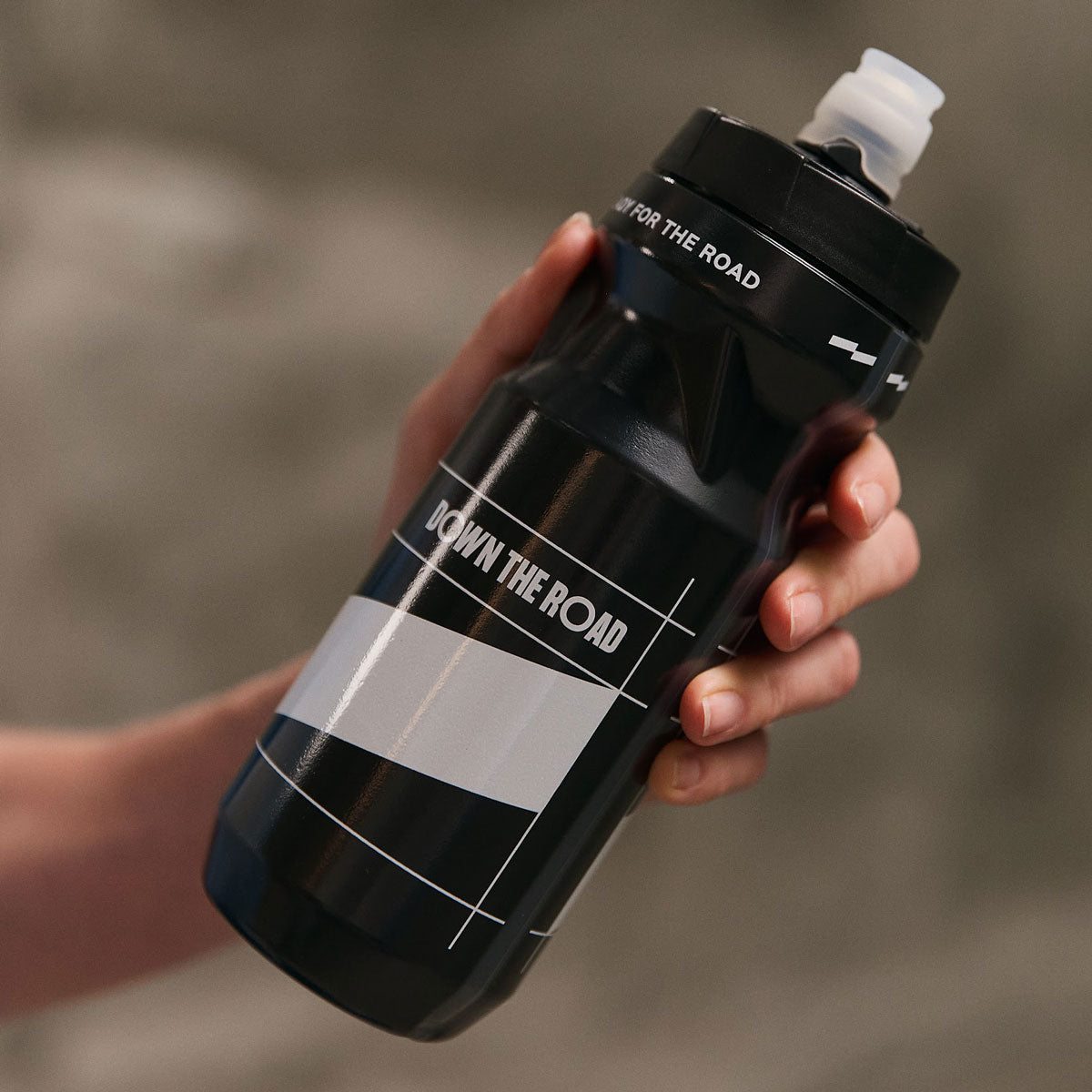
- Sun protection: sunscreen and eyewear for a full day out — sunburn and eye strain wear you down.
- Gloves: mitts or full-finger take the edge off bar pressure and hand fatigue over hours.
- No underwear under the bibs: it adds seams that chafe exactly where you don't want them.
Dressing for the conditions
Match the kit to the day, using the same temperature logic as any ride:
- Hot century: prioritise breathability, a light base layer, sun protection and hydration; heat is the biggest factor on a long summer day.
- Cool or shoulder-season century: jersey and bibs with arm and leg warmers and a gilet you can shed as it warms.
- Cold century: a thermal base layer, long sleeve or a jacket, and thermal bib tights or bibs with leg warmers.
(For the full breakdown, see our guide to what to wear cycling by temperature.)
FAQ
What should I wear for my first century ride? A comfortable, well-fitting bib short with a good endurance chamois, a breathable jersey, a light base layer, and layers you can shed (arm/leg warmers, a packable gilet). Plus socks, chamois cream and sun protection for the long day.
How do I avoid saddle soreness on a century? Start with a well-fitting bib short and a multi-density chamois, use chamois cream, wear no underwear underneath, and never ride a century in new, untested shorts. Comfort over 100 miles is mostly the pad and the fit.
Do I need a base layer for a century? It helps — a lightweight base layer keeps you cooler and drier in the heat and reduces skin irritation over long hours, and adds warmth for a cool start. It's a small piece that pays off late in the ride.
Should I wear new kit for my first century? No. Ride everything beforehand. A century is the wrong place to discover a seam rubs or a pad doesn't suit you — test your kit on shorter rides first.
What socks should I wear for a long ride? Technical cycling socks that wick and don't bunch; avoid cotton, which holds sweat and blisters. Good socks are a cheap way to stay comfortable over 100 miles.
The bottom line
For your first century, comfort beats everything: a well-fitting bib short with an endurance chamois, a breathable jersey and base layer, layers you can shed, and the small details — socks, chamois cream, sun protection — that decide how the last twenty miles feel. Test it all beforehand, and start with a comfortable pair of DTR bib shorts.
—
DTR — performance cycling and triathlon apparel, designed and developed in Ukraine.

Leave a comment
This site is protected by hCaptcha and the hCaptcha Privacy Policy and Terms of Service apply.