

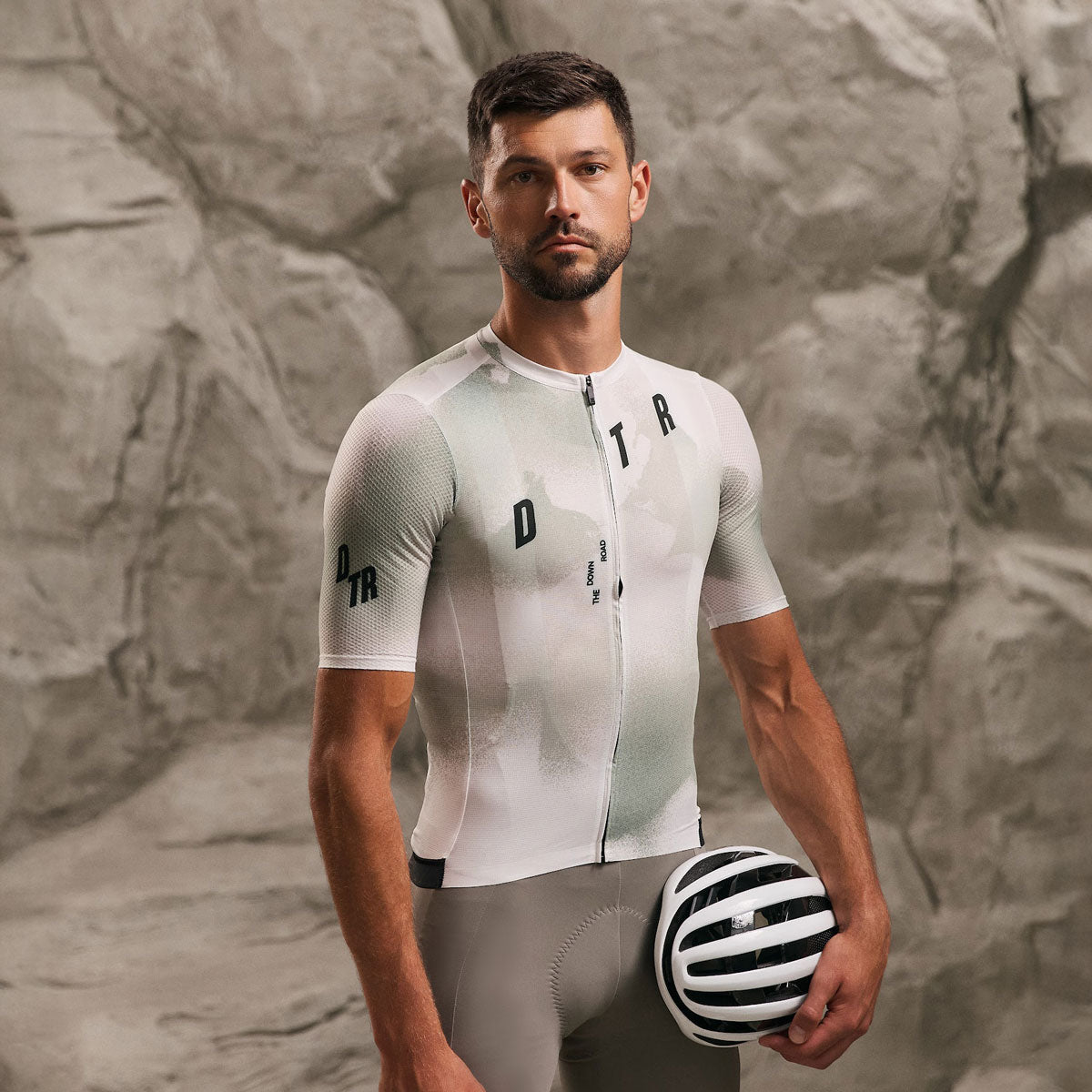
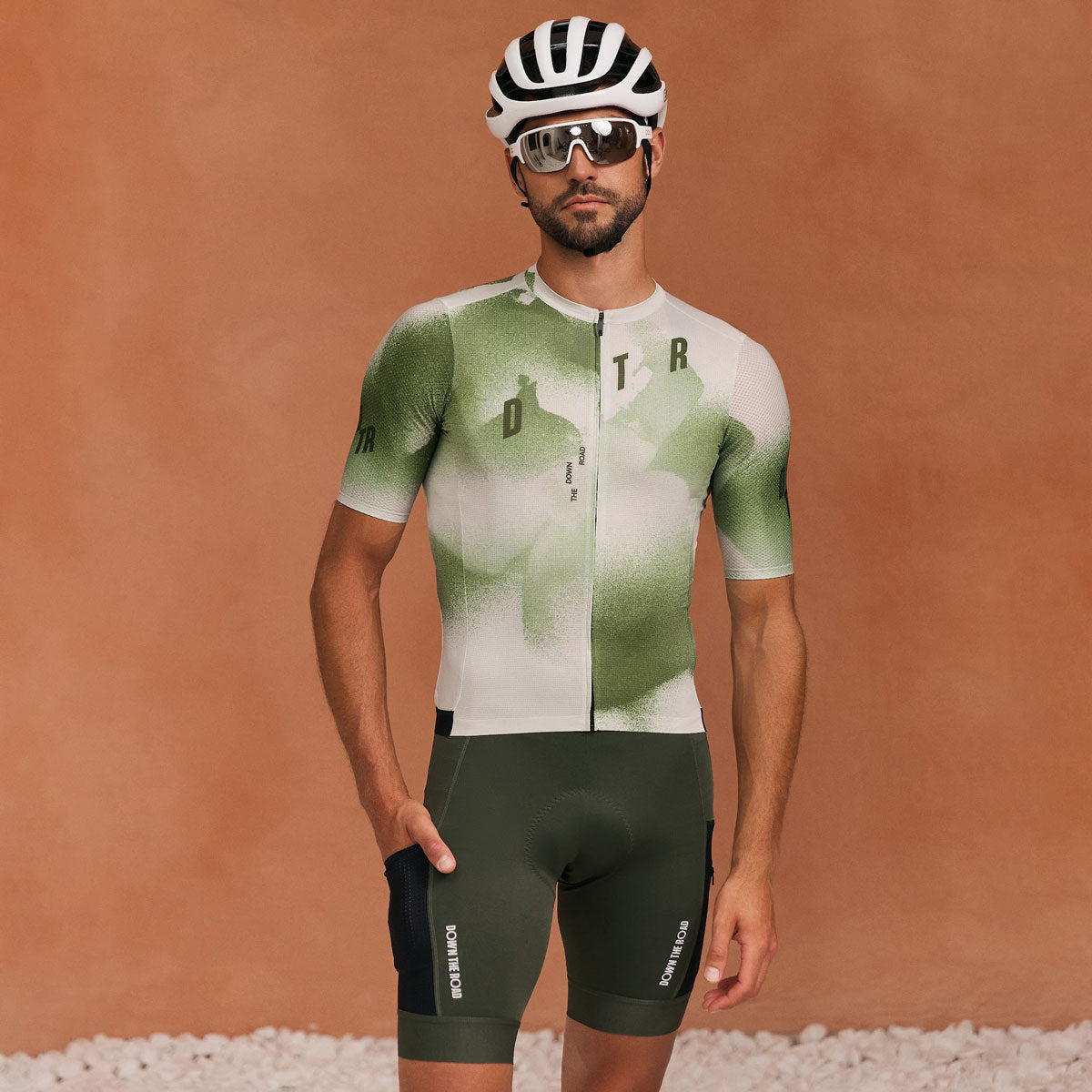
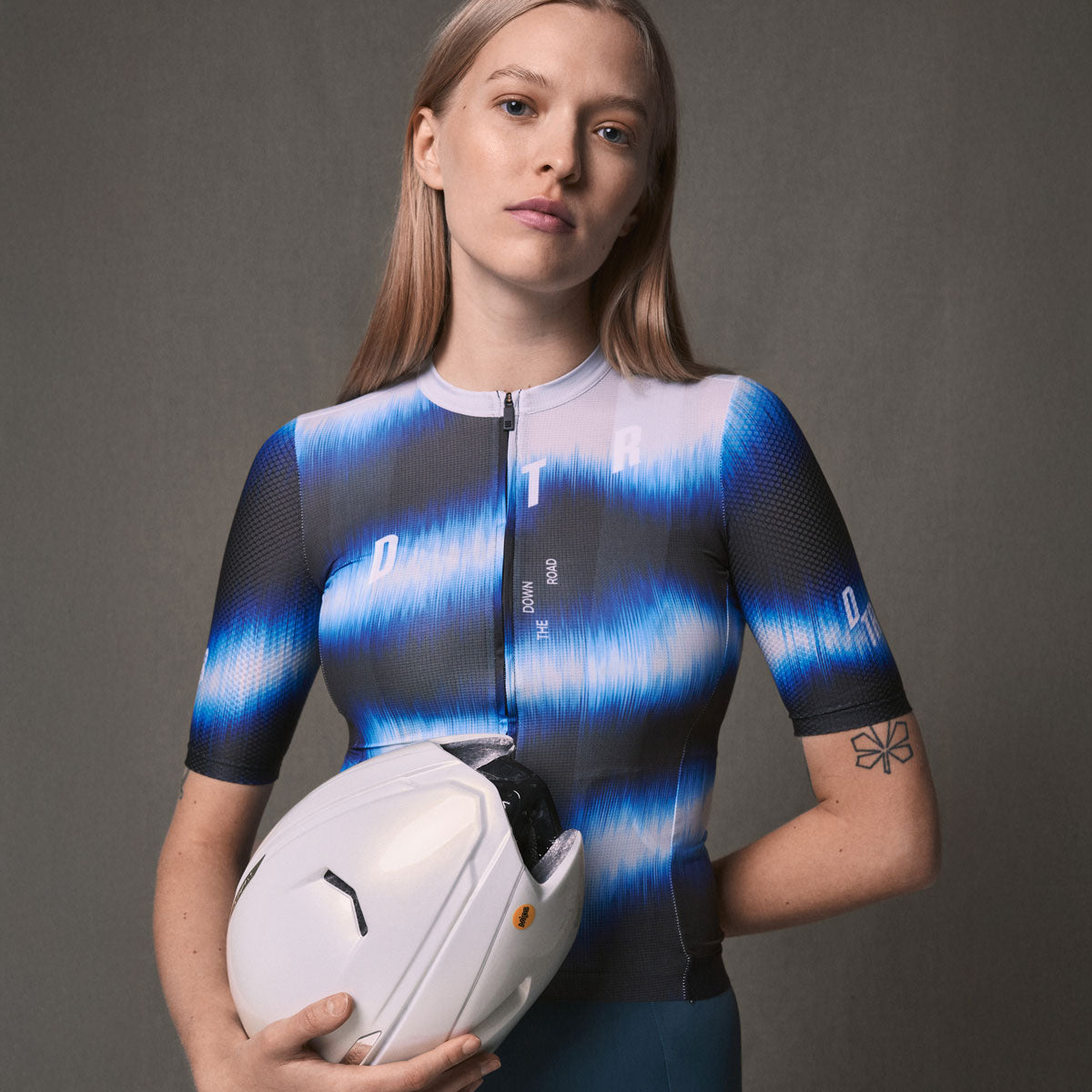
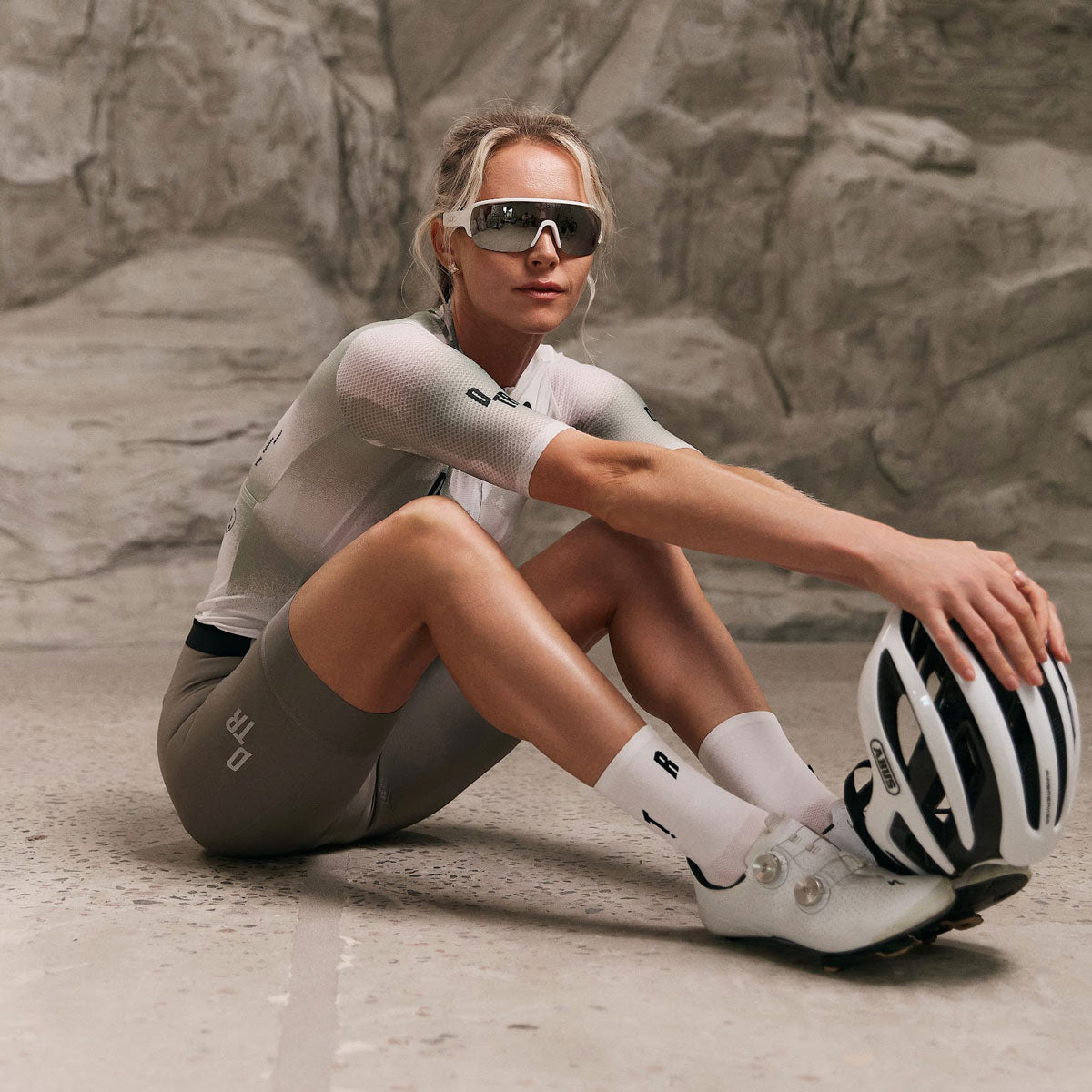
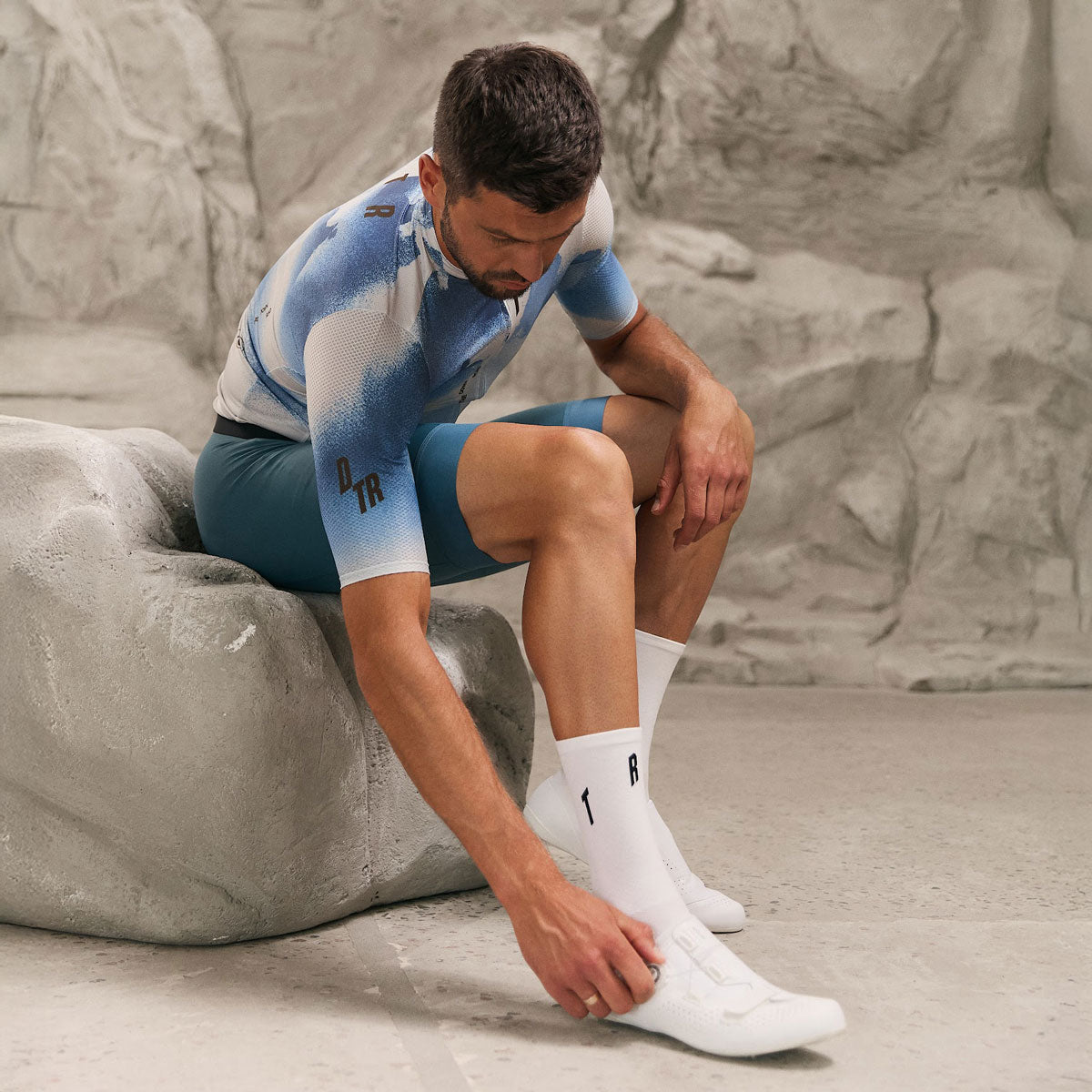
Off-road triathlon is raced in a trisuit, not mountain bike kit. The suit goes on before the swim and stays on to the finish line — what changes is everything you pair with it. This guide covers each discipline in an XTERRA-format race, and where off-road genuinely departs from road triathlon.
What racing off-road actually changes
Three things. The bike leg is rougher and slower, so you spend longer in the saddle for the same distance. The run is on trail, with climbing, descending and uneven footing. And you finish covered in whatever the course was made of. Abrasion resistance and heat management matter more than aerodynamics.
The time difference is what most athletes underestimate. A road sprint might take 70 minutes; the off-road equivalent can run well past two hours on identical fitness. Kit that is comfortable for an hour is not automatically comfortable for two and a half.
Does the suit itself need to change?
No — a well-built trisuit is the right garment for off-road racing. What you should weigh differently is chamois volume, sleeve coverage and how the fabric handles repeated contact with a saddle over rough ground. Aero fabric choices matter less when your average speed drops by a third.
Chamois first. Off-road, you are out of the saddle constantly and back into it hard. A thin sprint pad that works for a 40-minute road leg is under-specified when the same leg takes 90 minutes over roots and rock. Choose the pad you would pick for the duration, not the advertised race distance.
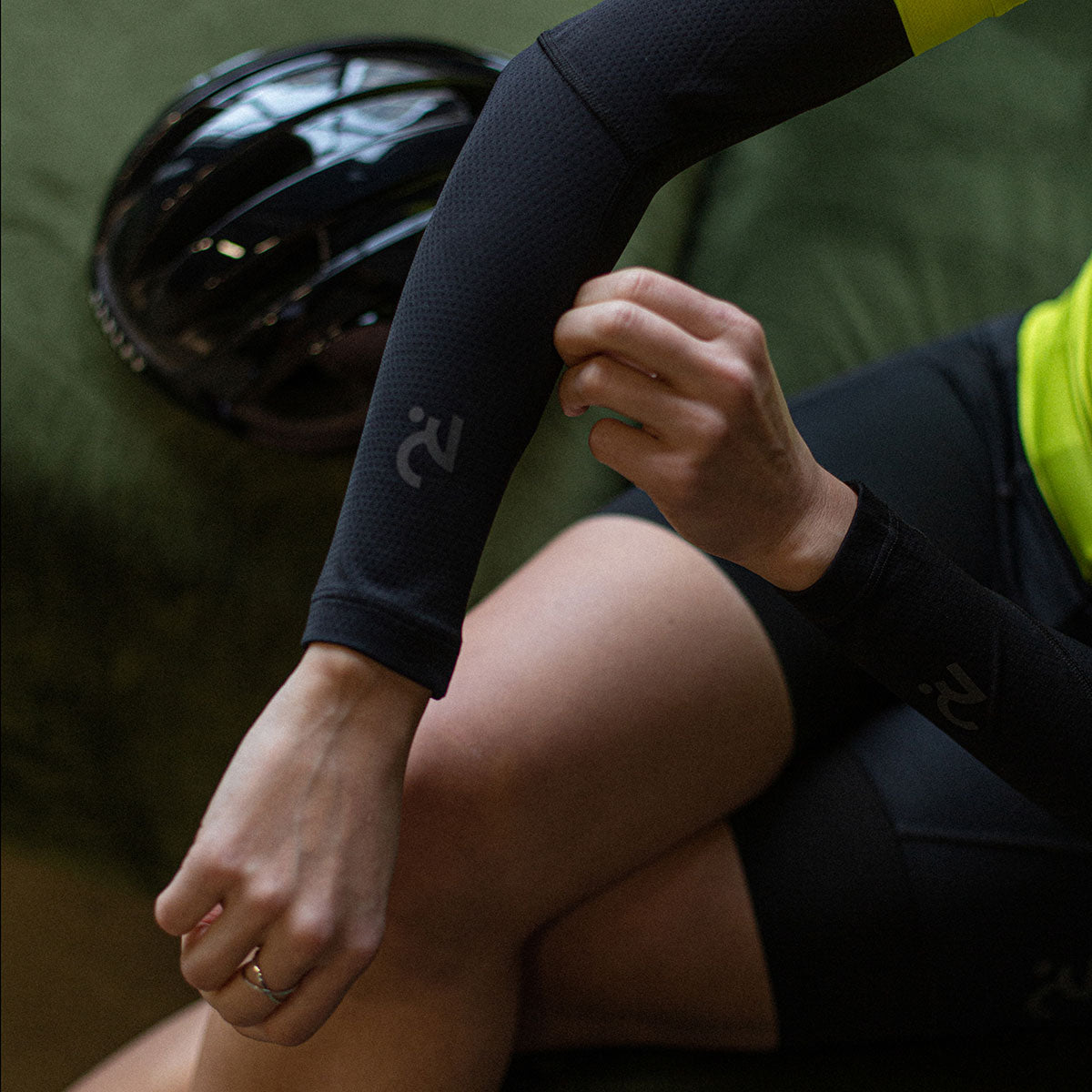
Sleeves next. A sleeved suit gives you sun cover and a layer between skin and trail if you go down. That is a real consideration on exposed, technical courses. A sleeveless suit runs cooler and swims freer. See sleeved vs sleeveless for the full trade-off.
Swim start: what goes underneath
The trisuit goes on under the wetsuit, and nothing else needs to. It is designed to be swum in, and adding a base layer underneath traps water and slows your T1. Off-road swims are often lake starts with limited rinse-off, so expect to carry some of that water into the bike leg.
The practical consequence: your chamois will be wet for the first part of the ride. Quick-dry fabric is not a marketing line here — it is the difference between a damp ten minutes and a damp two hours. More detail in what to wear under a wetsuit.
The bike leg is where kit gets tested
This is the section that separates off-road from road. You will be shifting position constantly, brushing vegetation, and putting a foot down. Grippers, seams and pad construction all get worked harder than they ever would on tarmac.
Look for flatlock seams through the shoulders and inner thigh — the two places friction accumulates when you are moving around on the bike. A silicone gripper that holds the leg without constricting matters more when you are repeatedly standing and sitting. And a race-fit cut that stays put means one less thing to adjust with dirty hands.
Gloves and eye protection sit outside our range, but both are worth planning for on a dusty course.
Running off the bike on trail
A wet or gritty chamois is the main comfort issue on an off-road run, and it is worse than on road because the run is longer and the terrain forces more movement. A lower-profile pad that compresses flat is easier to run on; a thick pad that was comfortable at hour two of the bike can be the thing you notice every stride.
Socks earn their place here. Trail running with grit in a thin sock is how blisters start. A technical cycling sock with a flat toe seam and a cuff high enough to keep debris out is a small decision with an outsized effect on the last 40 minutes.
Heat, altitude and long days
Many off-road courses sit at altitude or run through midday heat with little shade. Two adjustments help. First, prioritise ventilation and sun cover over insulation — sleeves that shade the shoulders are cooler in direct sun than bare skin. Second, plan for a cold descent even on a hot day if the course climbs significantly; a packable windbreaker in a rear pocket weighs almost nothing.
For altitude races, the kit does not change much. Your pacing does.
What to leave at home
Baggy mountain bike shorts over a trisuit. They add weight when wet, catch on the saddle and make the run harder. Cotton anything. And a brand-new suit — race day is not the day to discover where a seam sits over two and a half hours.
If you are new to the format, ride and run in your race kit for at least one long session first. Chafing that never appears in an hour will find you in the third.
FAQ
Can you wear a road trisuit for XTERRA?
Yes. A road trisuit is the correct garment. Weight your choice toward more chamois and, on exposed courses, sleeves — because the bike and run legs take considerably longer off-road.
Do you wear anything under a trisuit?
No. A trisuit is designed to be worn against the skin, and layers underneath hold water after the swim and add friction on the bike.
Sleeved or sleeveless for off-road?
Sleeved for sun exposure, abrasion cover and long, hot days. Sleeveless for cooler conditions and maximum shoulder freedom in the swim.
How thick should the chamois be?
Match it to time in the saddle rather than course distance. Density and shaping matter more than raw thickness — a multi-density chamois supports without adding bulk you then have to run in.
What about chafing?
Wet kit plus grit plus a long run is the usual cause. Flat seams, a suit that fits without excess fabric, and a pre-race test session prevent most of it. If irritation persists or the skin breaks, see a doctor rather than riding through it.
Build your race-day kit from the DTR trisuit range.
DTR — performance cycling and triathlon apparel, designed and developed in Ukraine.

Leave a comment
This site is protected by hCaptcha and the hCaptcha Privacy Policy and Terms of Service apply.