

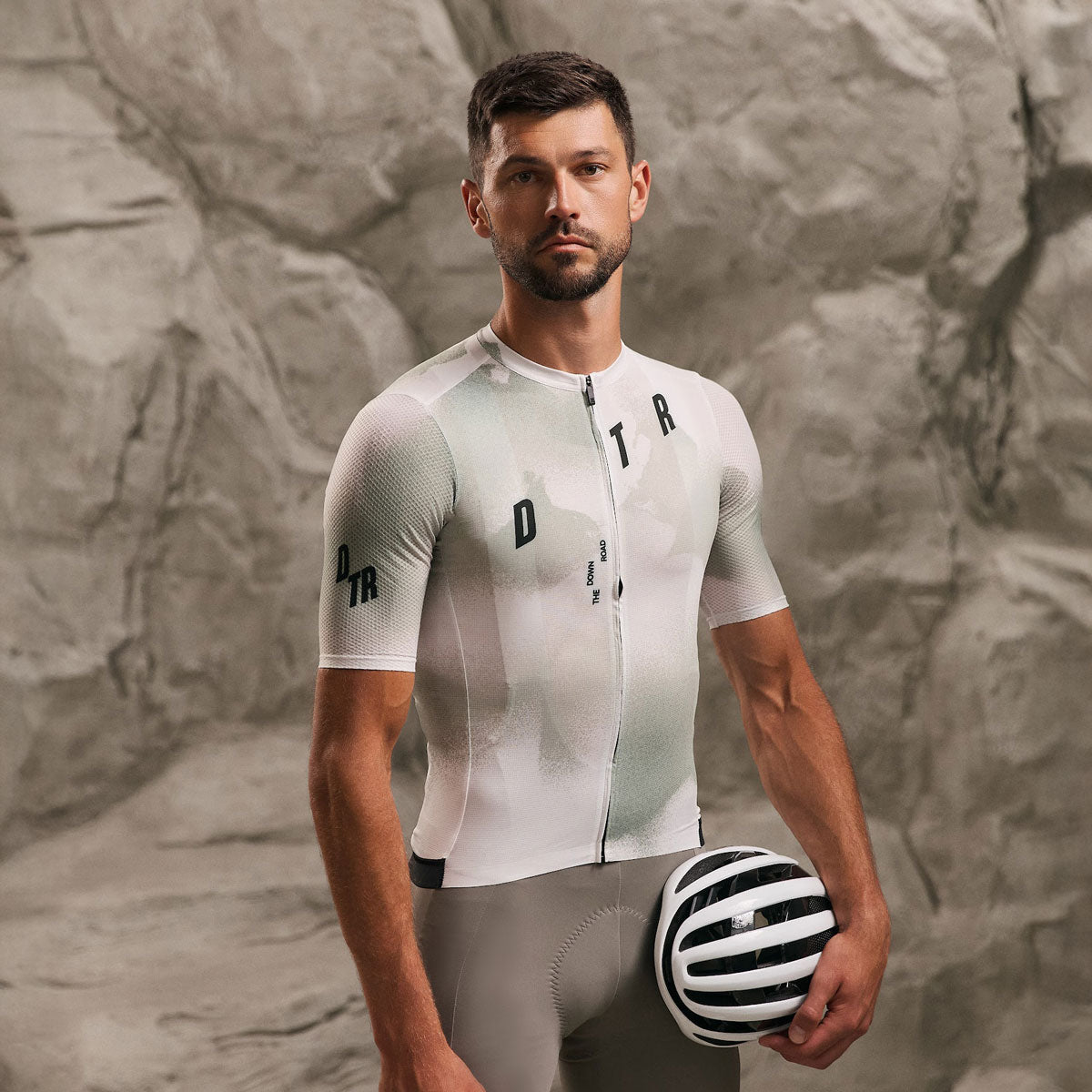
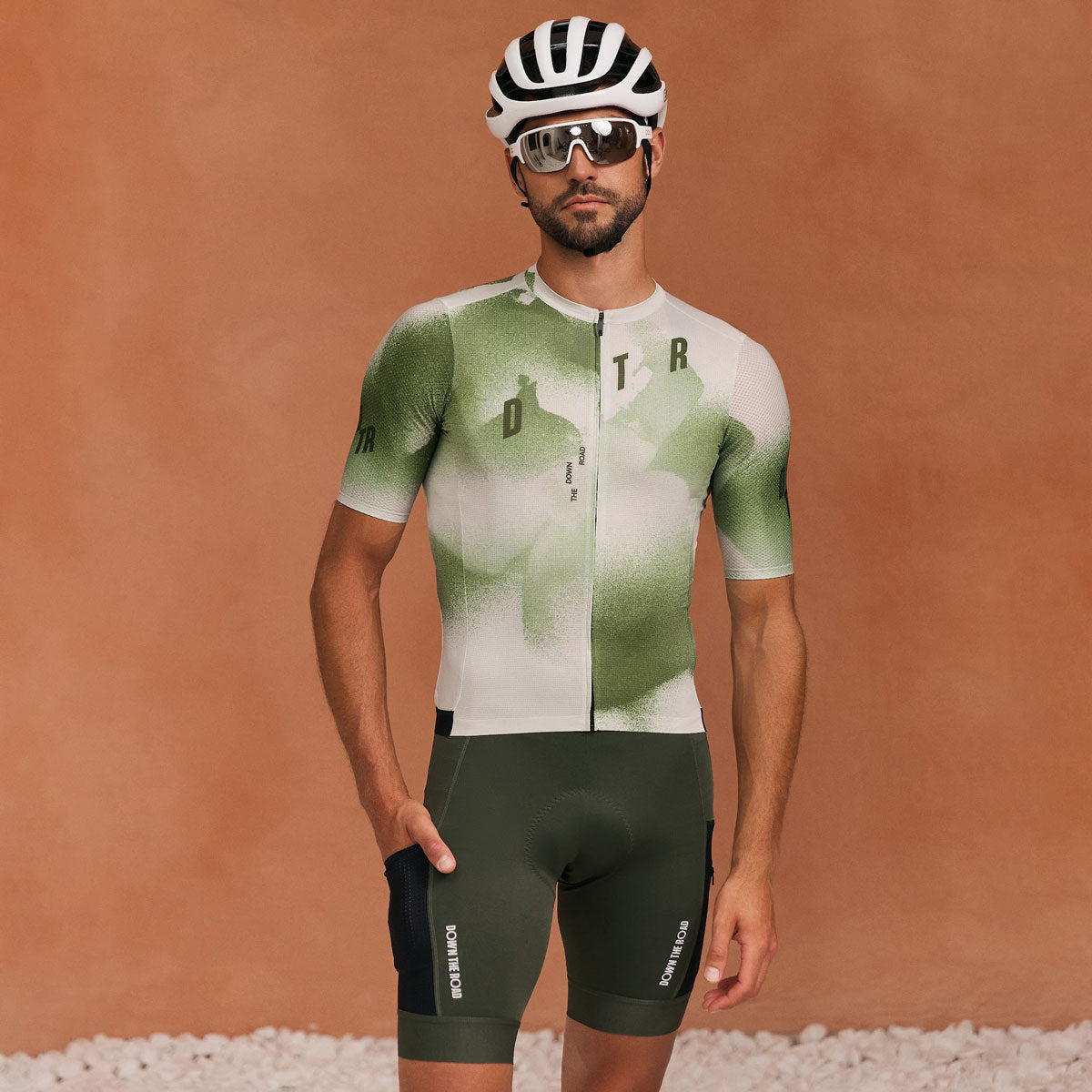
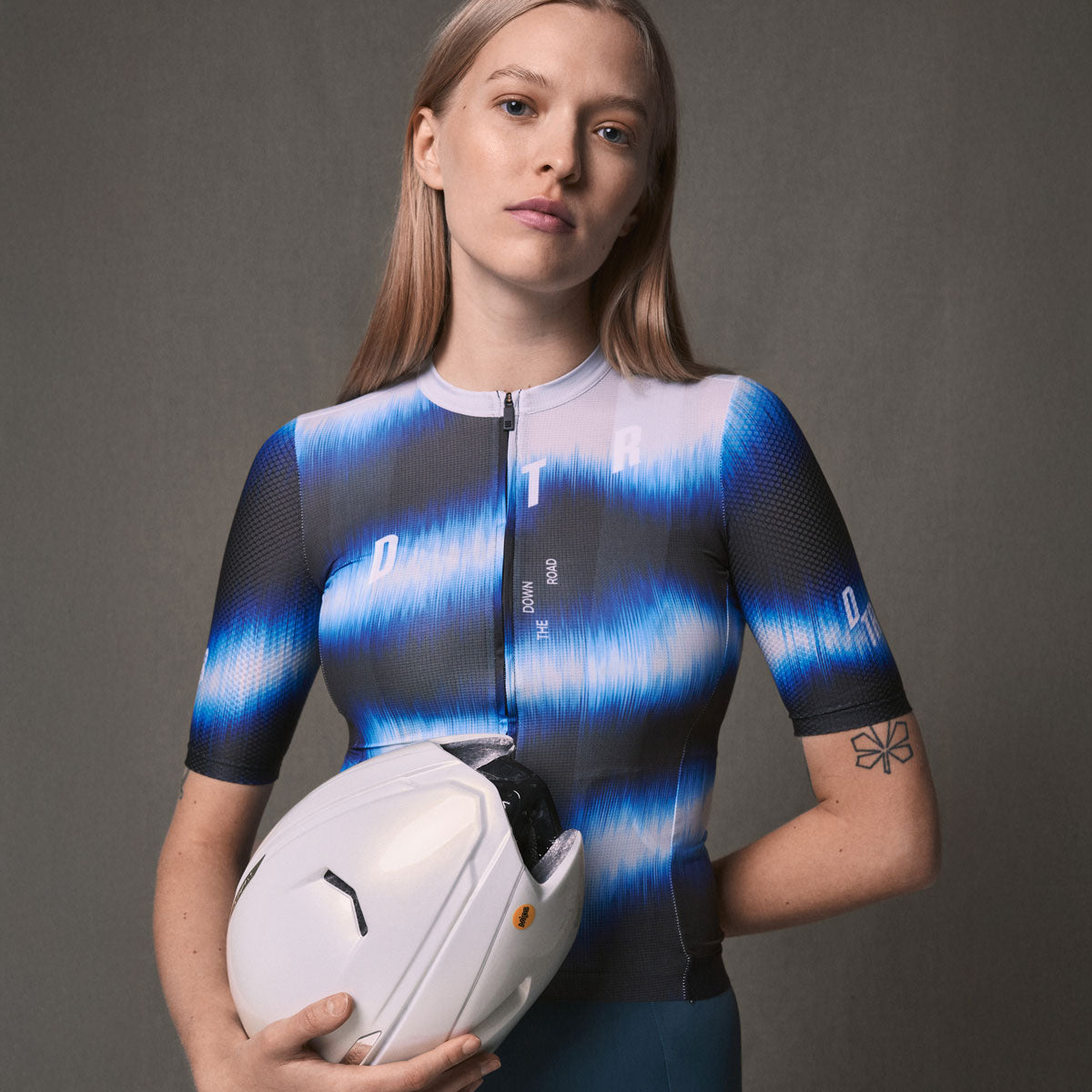
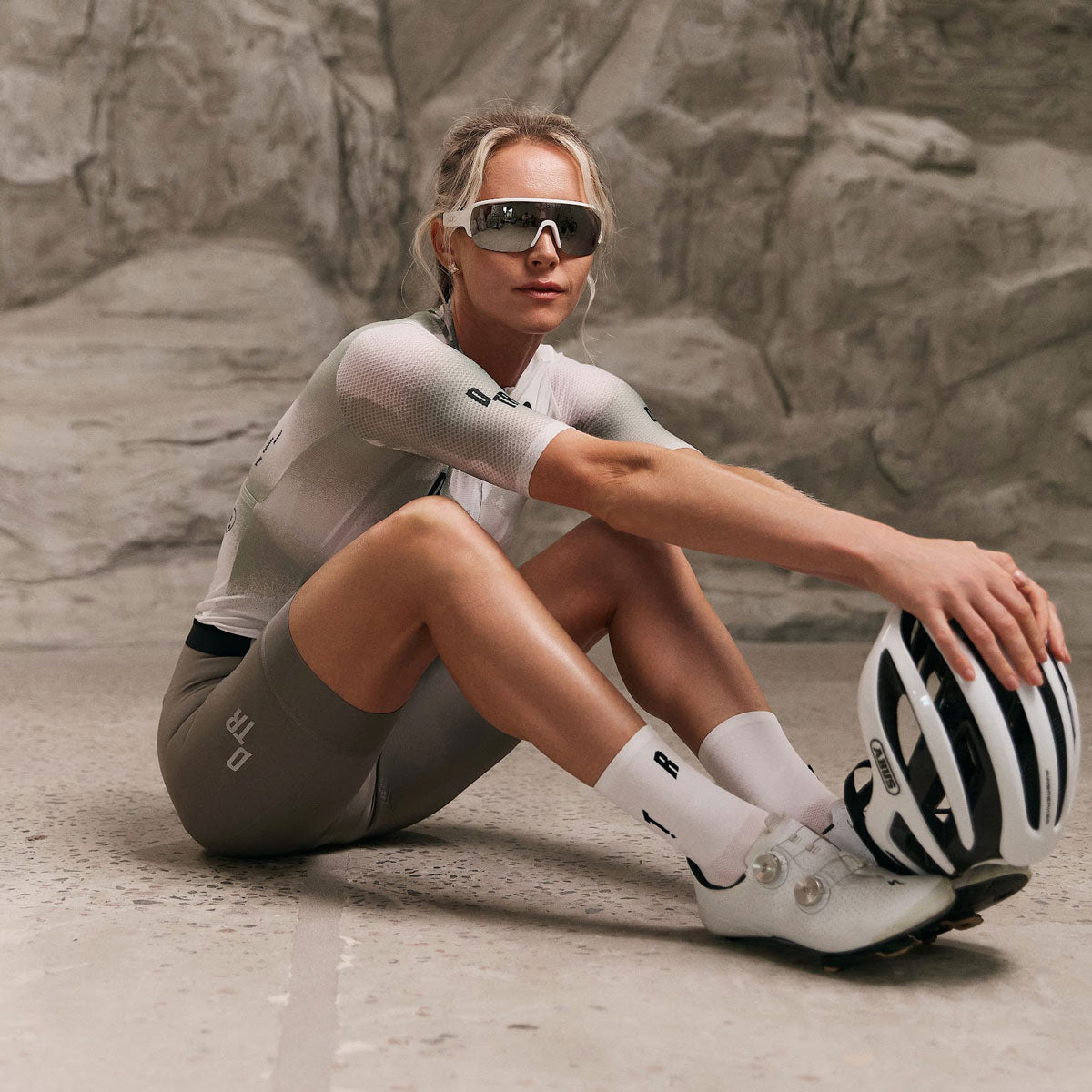
For a first road race or criterium, wear a close-fitting jersey and bib shorts, with warm-up layers you can hand off before the start. Nothing loose, nothing in your pockets you do not need, and nothing you have not already ridden in. This guide covers the base kit, how to handle the warm-up, pinning a number properly, and what to do about the weather.
The base kit, and why fit matters more here
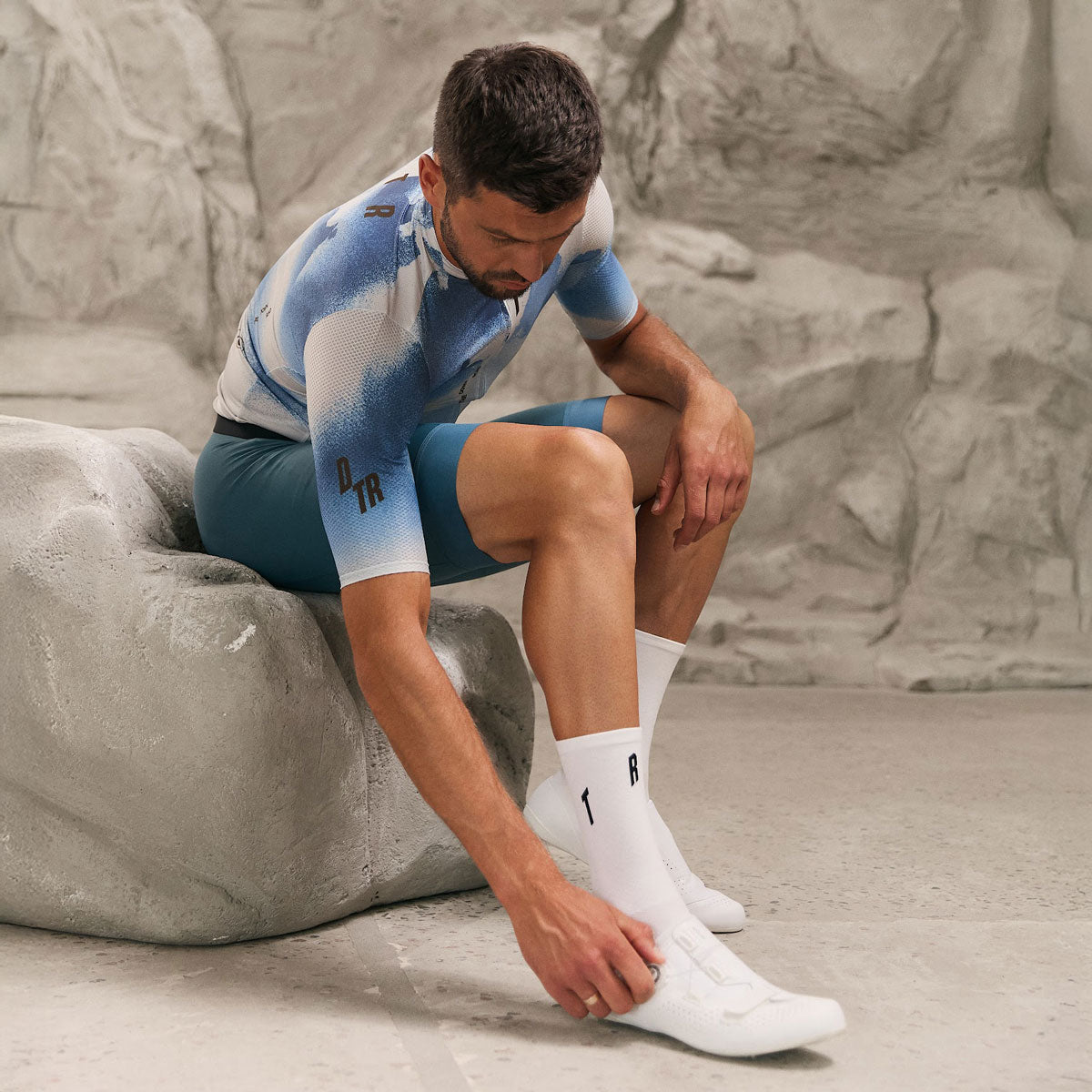
A race-fit jersey and a pair of bib shorts is the whole outfit. Race fit means the fabric sits against you with no billowing at the chest or upper arm — a jersey flapping in a bunch at 45km/h is costing you real watts and telling everyone around you that it is your first one. This is the one context where the tighter cut is a performance decision rather than a style one.
Everything should be kit you have already done a hard ride in. A race is a bad place to discover that a seam rubs, a gripper rolls, or a new jersey is too short in the back when you get low. If you are weighing race fit against a more relaxed cut, we cover the difference in how tight bib shorts should be.
Warming up: layers you can lose
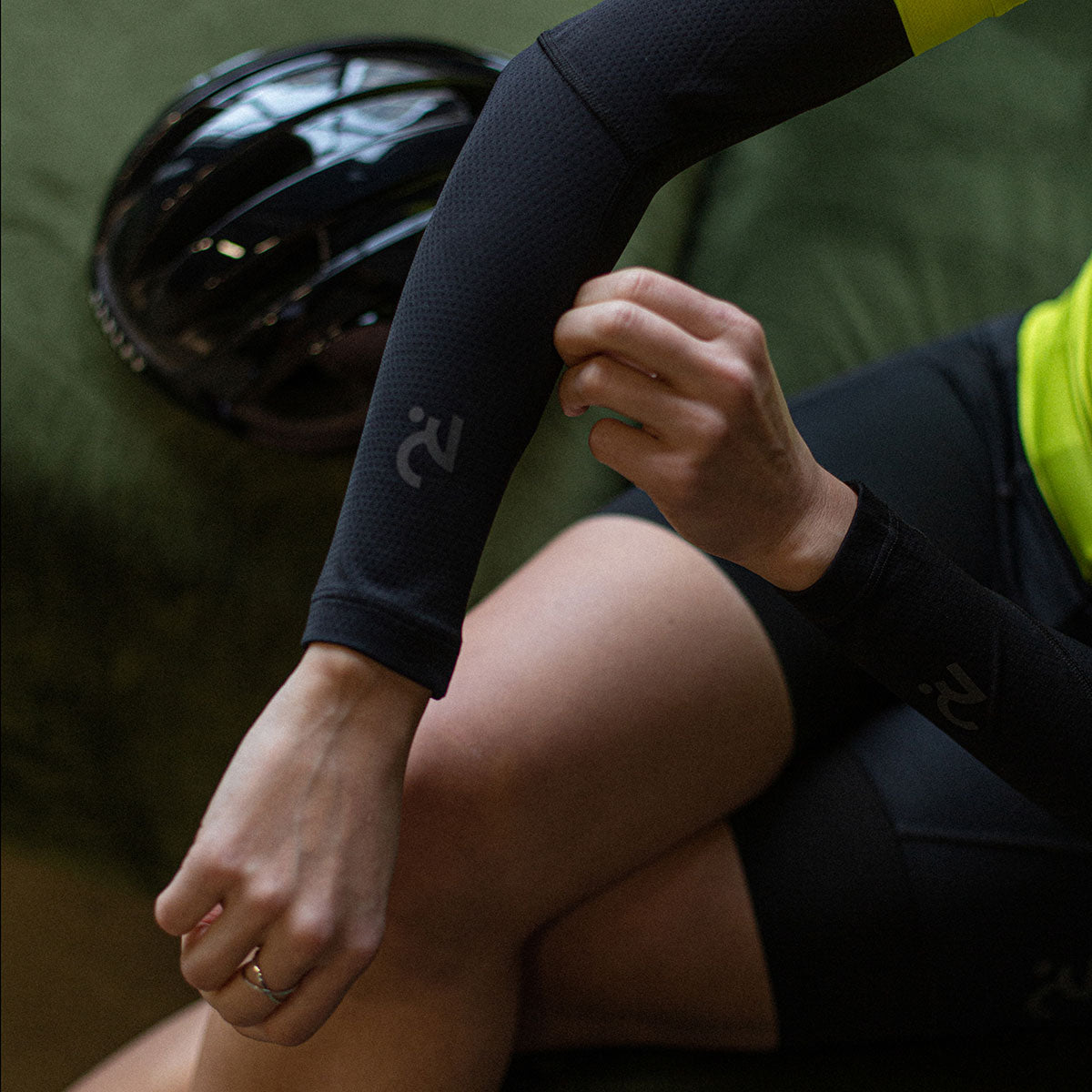
Plan your warm-up kit as separate from your race kit. Arm warmers, leg warmers, a gilet and a lightweight windbreaker over the top of your race kit let you get properly warm without overheating, and all of it comes off in seconds at the line. Leg warmers and arm warmers matter here because cold legs on the start line means a slow first ten minutes, which in a crit is the entire race.
Have someone hold your layers, or use the pit or your bag. Do not plan to race in something you intend to take off mid-event — removing a gilet in a moving bunch is not a first-race skill, and a jersey stuffed with discarded layers defeats the point.
What actually goes in your pockets
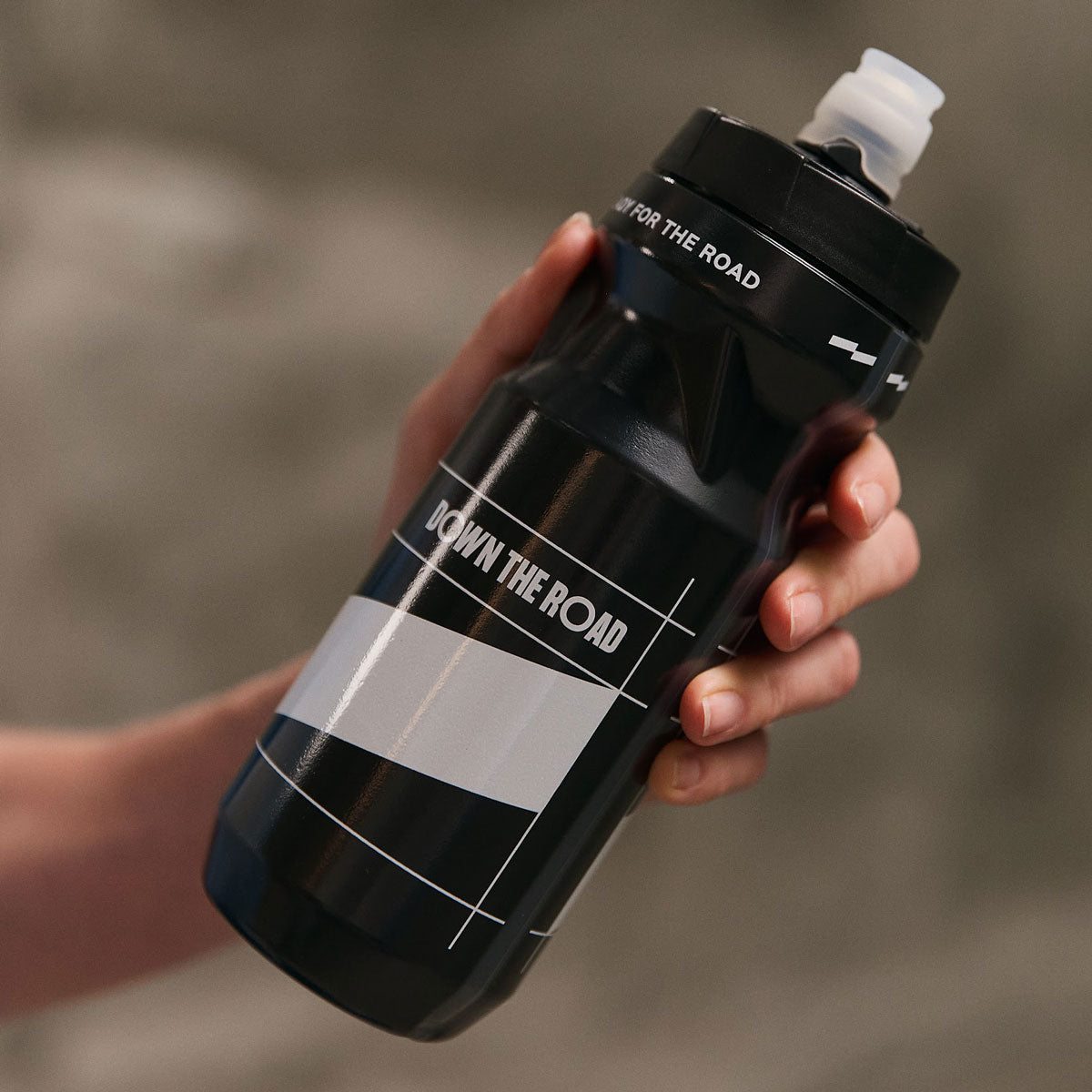
For a crit, nothing. Criteriums are typically 30 to 60 minutes, you will not eat, and anything in your pockets is weight that swings. Take a bottle if the race is long or hot, and leave the rest.
For a road race over an hour, carry a couple of gels or a bar and nothing else. No phone, no tool roll, no spare tube unless the race regulations or the distance genuinely warrant it — most road races are supported, and neutral service or a follow car handles what you cannot. Keep the weight low and the pockets flat.
How to pin a number so it does not flap
Pin it flat, taut, and in the position the race organiser specifies — usually low on your back, one side, with the number facing the finish-line camera. Use six to eight pins rather than four, and pin through the jersey fabric at the very edge of the number so nothing puckers.
The trick most first-timers miss: get into your riding position before you pin, or have someone pin it while you are bent over the bars. Pinning a number standing upright means it goes taut across your back and then bags out the moment you get low. A loose number catches air, makes noise, and can tear off entirely in a fast bunch.
Dressing for the conditions
Dress for the effort, not for standing at the start. You will be working far harder than on a normal ride, so aim to feel slightly cold on the line — within five minutes of the start you will be right. Overdressing is the more common mistake and it is harder to fix once you are racing.
In the wet, a base layer under the jersey helps more than an outer layer, and it is worth accepting you will be wet rather than fighting it in a rain jacket that flaps. In real cold, thermal bib tights and a long sleeve jersey are fine — racing does not require bare legs. For a temperature-by-temperature breakdown, see what to wear cycling by temperature.
The crash question
Racing carries more crash risk than your usual ride, and that is worth being clear-eyed about rather than anxious. Kit will not prevent a crash, but well-fitting kit stays where it should and does not snag. Some riders keep a slightly older set of race kit for exactly this reason; others take the view that race day is what good kit is for.
This is the situation crash replacement exists for. Knowing your kit is covered removes one more thing to think about on the start line, which is worth more than it sounds when it is your first race.
What not to do on race morning
Do not wear anything new. Do not wear a road jersey two sizes up because it is your club one. Do not load your pockets with things you might want. And do not pin your number in a hurry in the car park five minutes before the roll-out, because that is how it ends up crooked, loose and half-torn by lap three.
Lay everything out the night before, including pins. The riders who look composed on the start line are not calmer than you — they have just removed every decision from race morning.
Frequently asked questions
Do you need a skinsuit for a first crit?
No. A well-fitting jersey and bib shorts is entirely adequate. A skinsuit is a marginal aerodynamic gain that matters far less than positioning and fitness in your first season.
Can you race in a club or team jersey?
Yes, and in many races you are expected to. Just make sure the fit is close — a loose club jersey is the most common source of flapping in an amateur bunch.
Should you wear a base layer when racing?
In anything below about 18°C or in the wet, yes. It moves sweat off your skin and stops a soaked jersey chilling you when the pace drops. In real heat, skip it.
Where does the number go?
Wherever the race organiser says, and it varies by discipline and country. Check the race manual or ask at sign-on — numbers pinned in the wrong place can carry a penalty.
Bottle or no bottle in a criterium?
One bottle if it is warm or over 45 minutes, otherwise none. Short crits are usually raced dry because you will rarely get a safe chance to drink.
Build your race kit at /collections/cycling-jerseys.
DTR — performance cycling and triathlon apparel, designed and developed in Ukraine.

Leave a comment
This site is protected by hCaptcha and the hCaptcha Privacy Policy and Terms of Service apply.