

What to Wear for Your First Triathlon: Complete Kit Guide
What to wear for your first triathlon is one of the most googled questions in the sport — and understandably so. The kit requirements are unlike any other race. You swim, bike, and run without changing, which means every piece of kit has to work across three completely different physical demands and environments. Get it right and you barely think about your kit all day. Get it wrong and it becomes the story of your race.
This guide covers exactly what you need, what's optional, and what experienced triathletes actually wear — so you arrive at your first start line prepared.
The One Decision That Matters Most: Trisuit or Separate Kit?
Before anything else, this is the most important kit decision for your first triathlon.
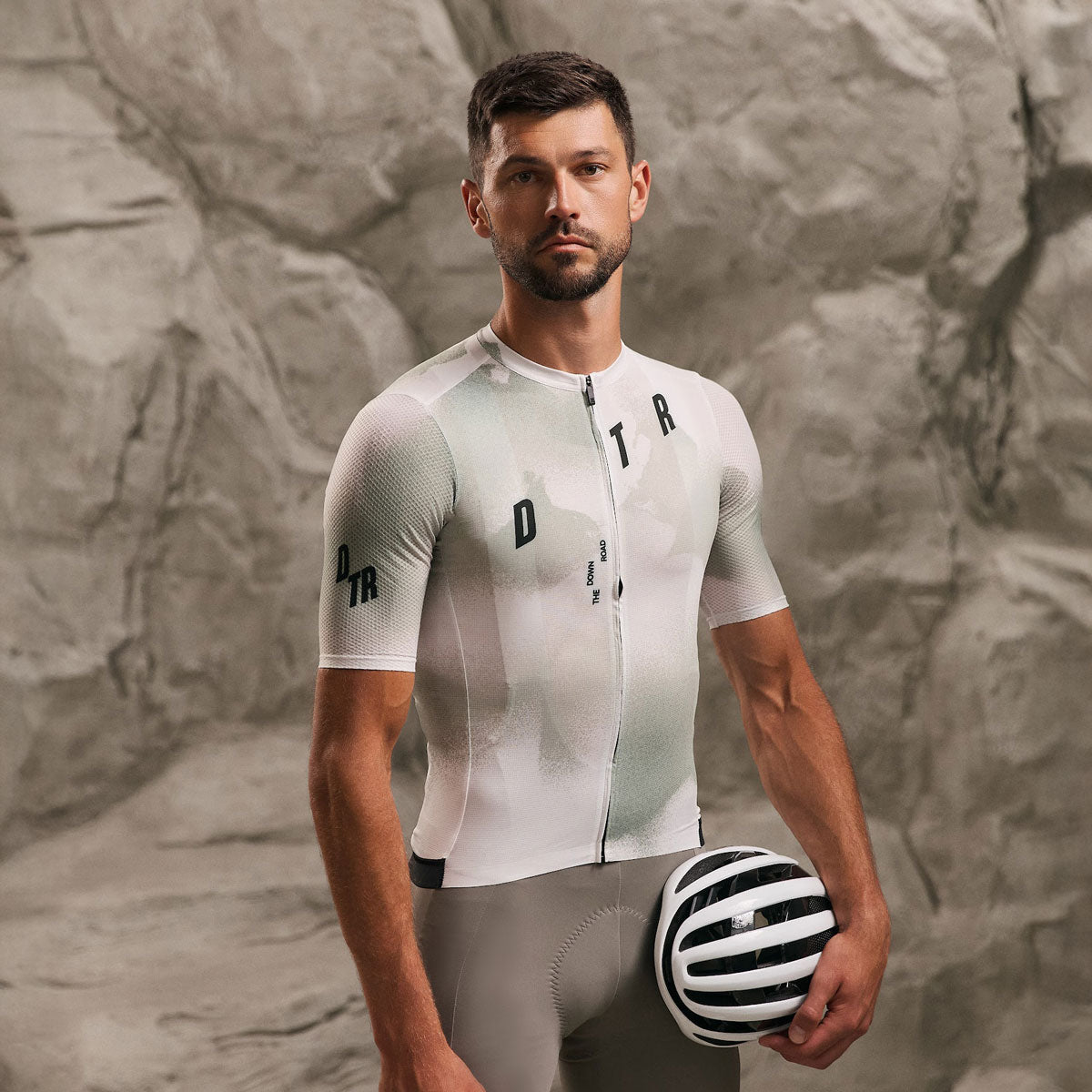
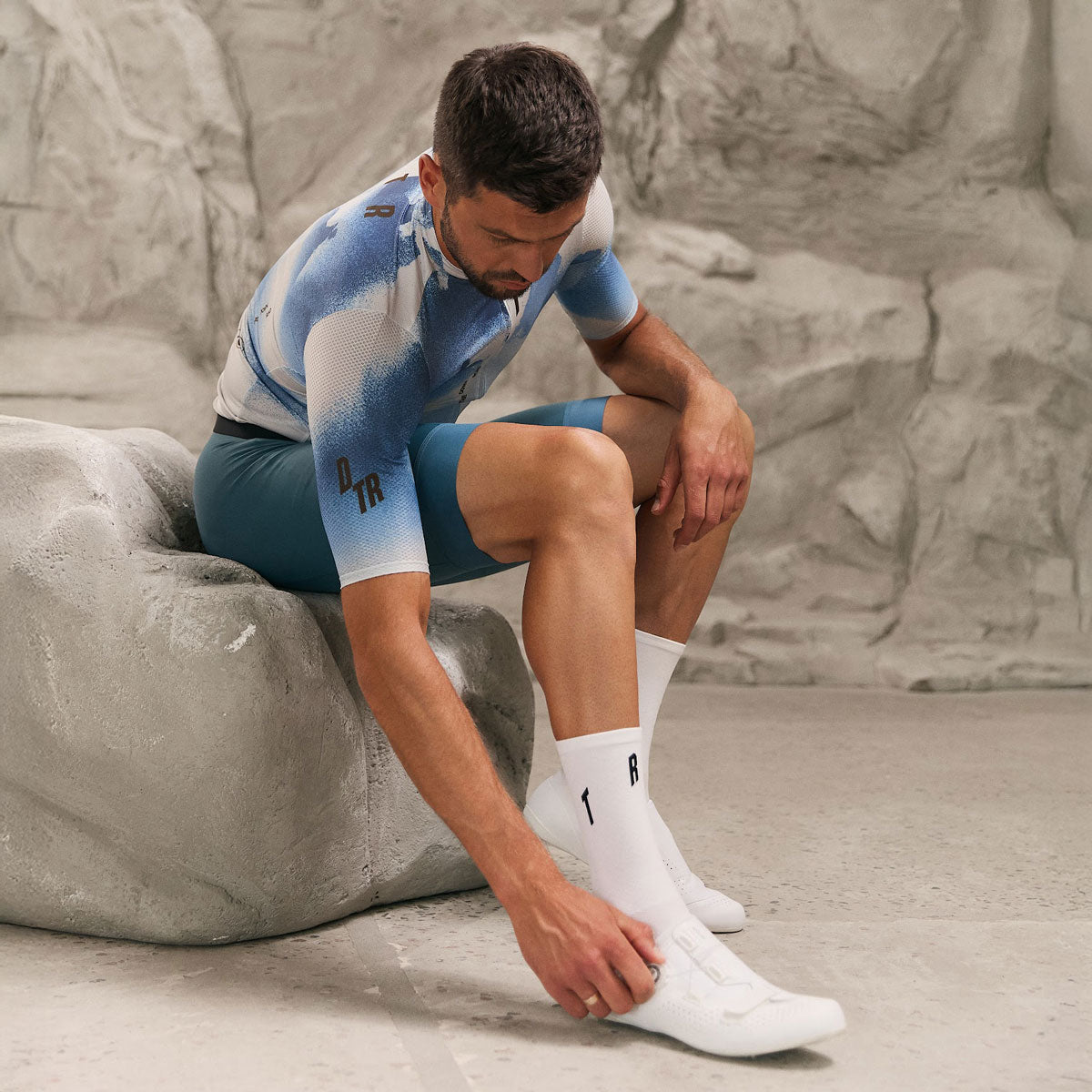
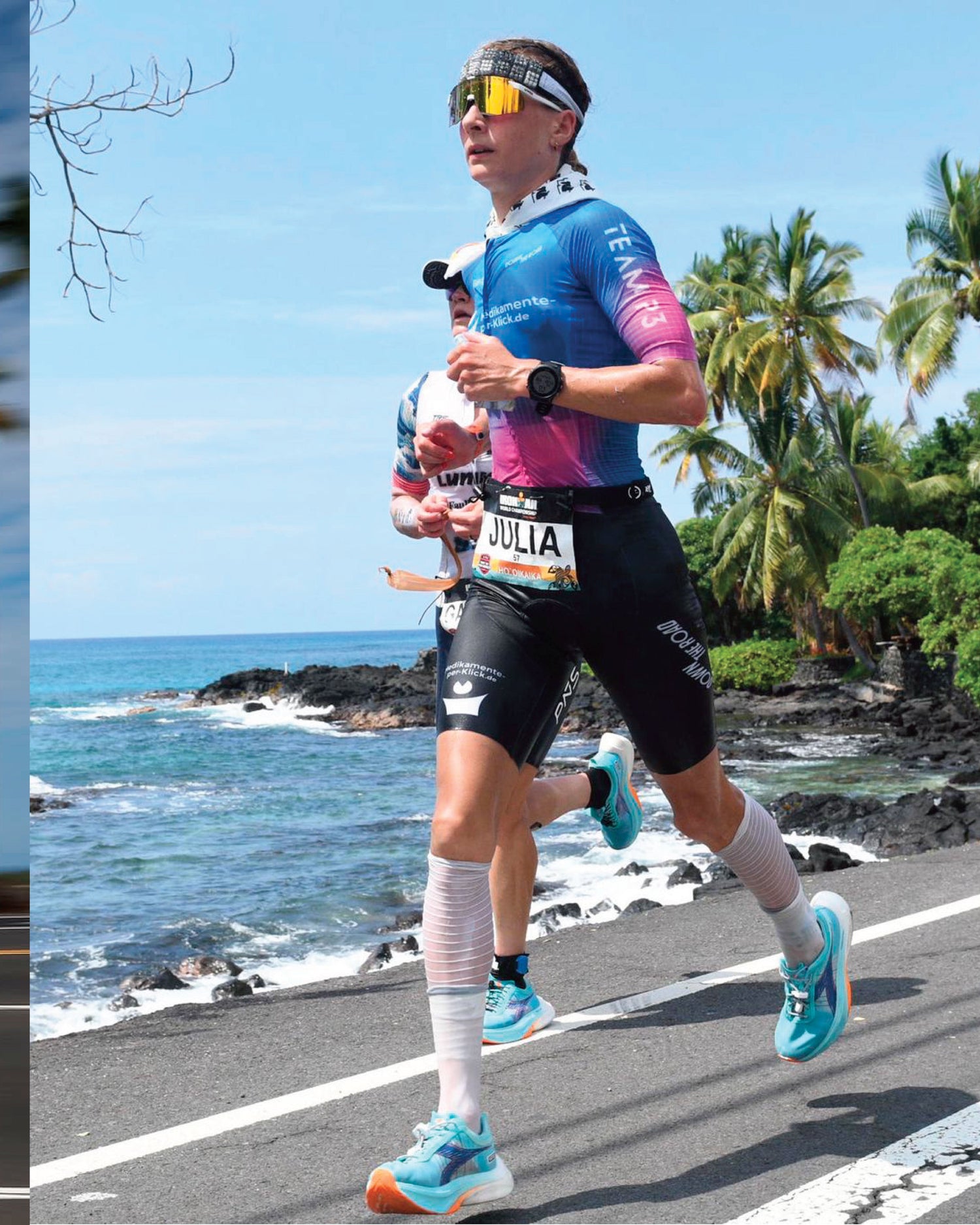
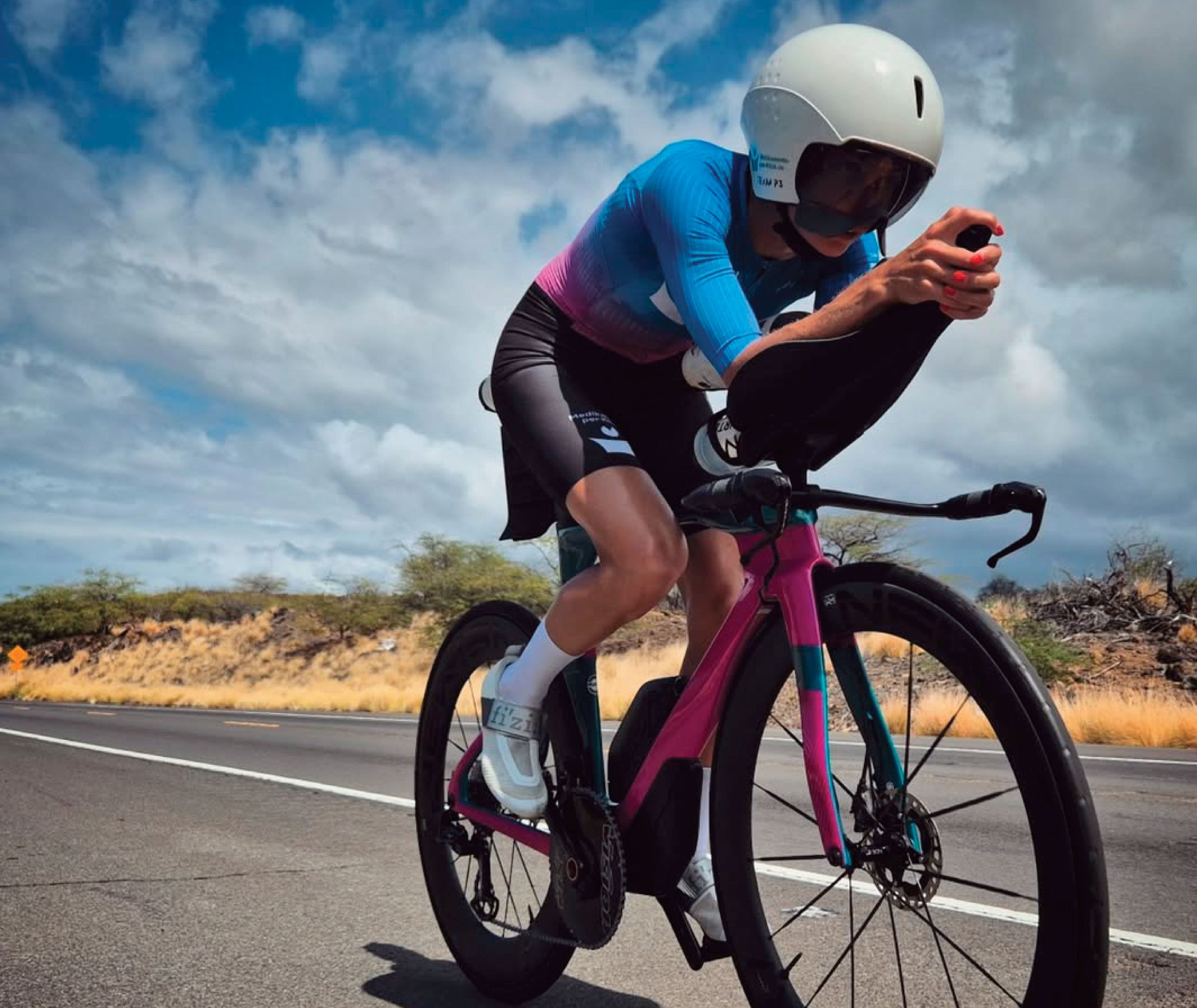
Option 1 — Trisuit A one-piece trisuit is what most triathletes race in. It goes on before the swim and stays on through bike and run without changing. No transitions lost to kit changes, no gap between top and shorts creating drag in the water, no shorts riding up on the run. For most first-time triathletes, a trisuit is the cleanest, simplest solution.
Option 2 — Tri shorts and tri top A two-piece setup works well and is slightly more forgiving in terms of fit. Some beginners prefer it because sizing two pieces separately is easier. The performance difference at a first race is minimal.
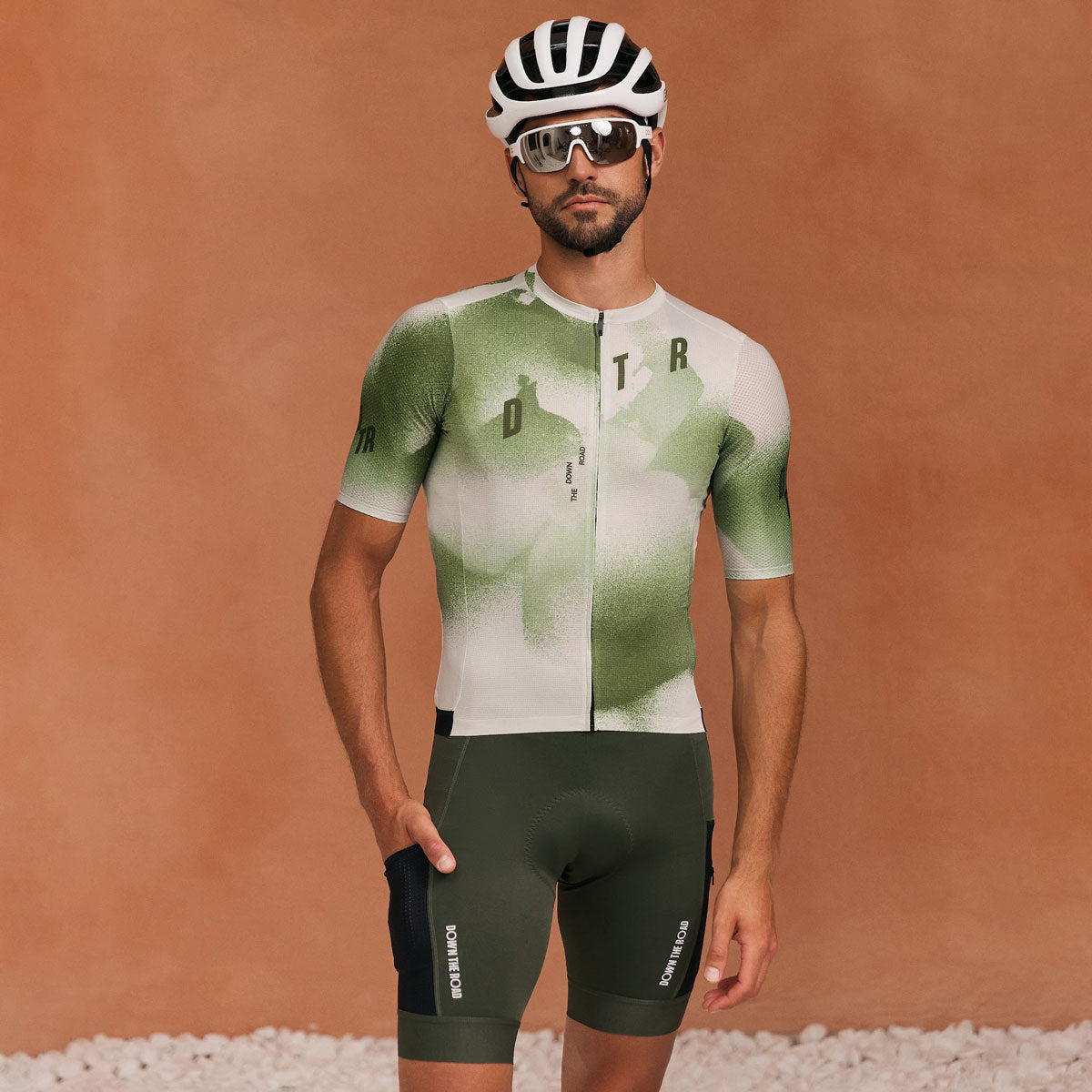
Option 3 — Cycling kit with a swim skin over the top Some first-timers use existing cycling bib shorts and jersey with a swim skin for the swim, changing in transition. This works but adds time and complexity. Not recommended unless you already own good cycling kit and are racing on a tight budget.
For your first race: a trisuit is the recommendation. One less decision, one less transition complication, and it teaches you the race-day routine you'll use for every subsequent triathlon. If you are choosing one now, here is what makes the best trisuit for beginners.
Do You Need a Wetsuit?
This depends on the water temperature and race rules. Most triathlons allow wetsuits when water temperature is below 24°C and require them below certain temperatures for safety. Check your specific race rules.
If the race permits a wetsuit and water is below 22°C — wear one. Wetsuits add significant buoyancy, making the swim faster and less exhausting for most athletes. They also provide warmth in cold open water.
What you need to know about wetsuit and trisuit compatibility:
- Your trisuit goes on first, underneath the wetsuit
- The trisuit should fit smoothly with no bunching under the wetsuit
- Avoid trisuits with thick textured panels on the back — these can make wetsuit removal slower in transition
The Complete First Triathlon Kit List
Race essentials — you cannot start without these:
- Trisuit or tri shorts and top
- Goggles — bring a backup pair
- Swim cap — usually provided by the race, but bring your own as backup
- Helmet — mandatory, must be approved for triathlon use
- Race bike — road, triathlon, or hybrid all work for a first race
- Running shoes
- Race number belt — faster than pinning a number to your kit
Strong recommendations for comfort:
- Elastic laces in running shoes — saves time in T2 and avoids tying laces with tired hands
- Cycling shoes and clipless pedals — not essential for a first race but make the bike leg more efficient
- Sunglasses — for both bike and run legs
- Socks — personal preference, most short course triathletes skip them for speed, most long course athletes wear them for comfort
Weather dependent:
- Wetsuit — check race rules and water temperature
- Cycling gloves — for cold or wet conditions
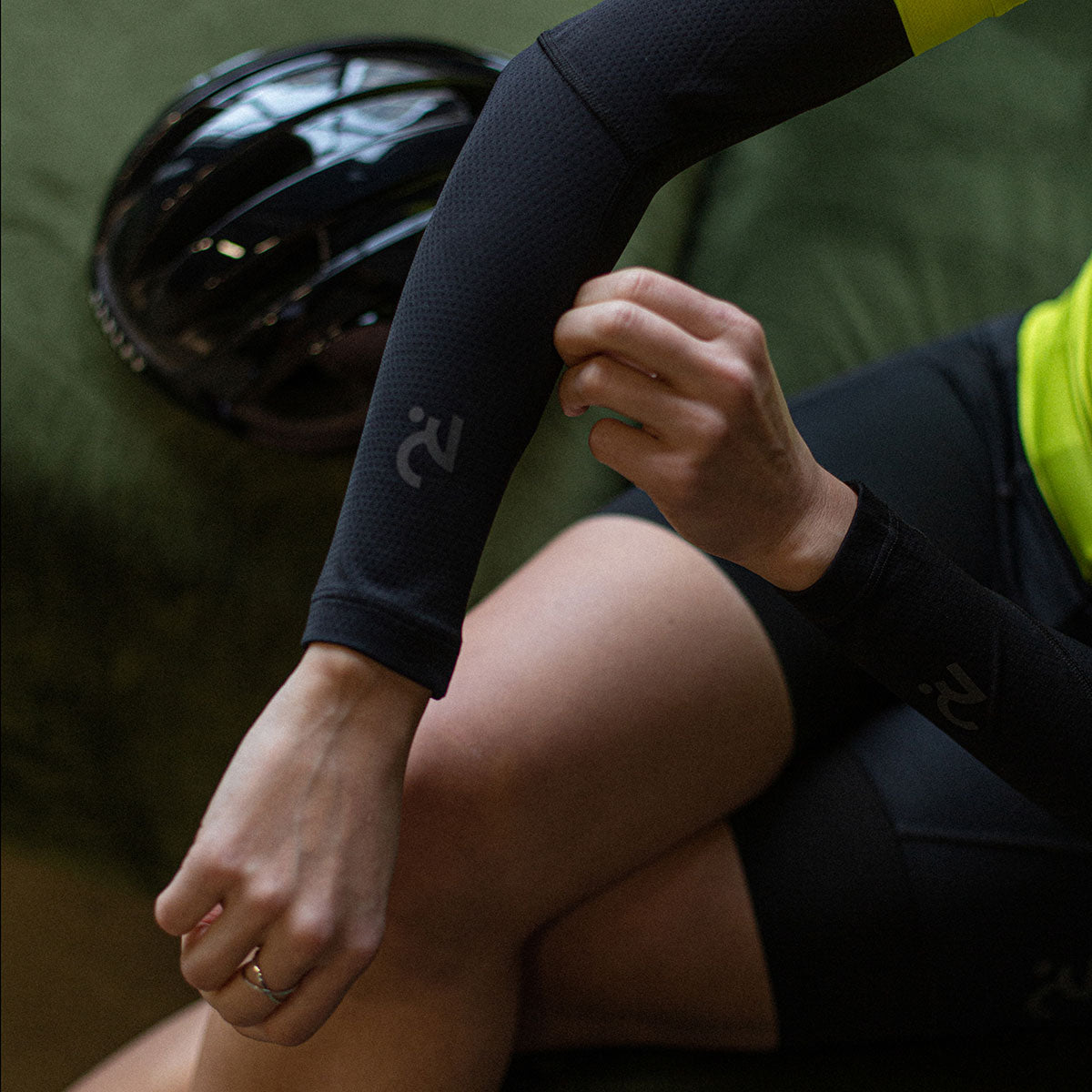
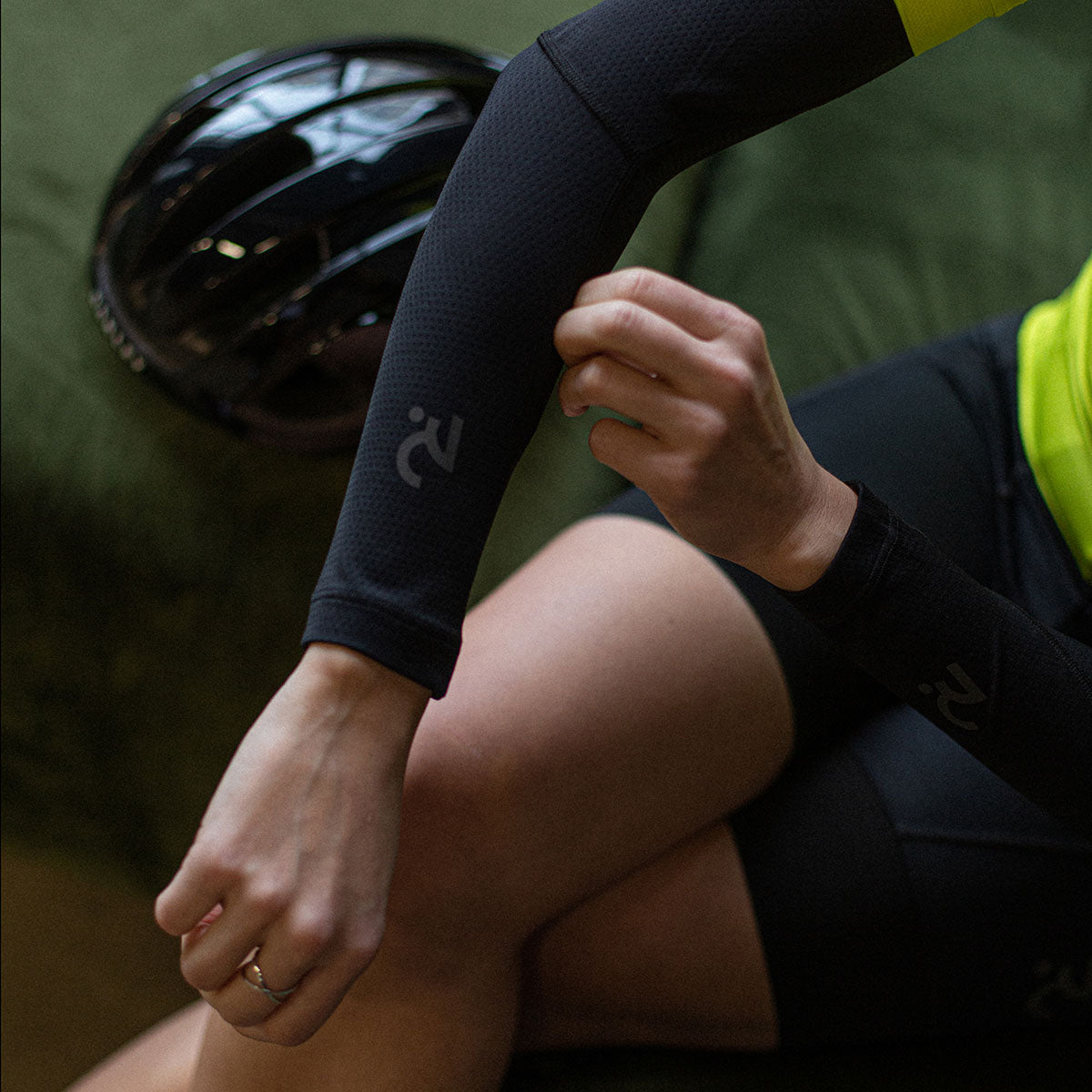
- Arm warmers — if the bike leg starts early morning in cool temperatures
- Race belt nutrition — for 70.3 and longer only
What NOT to Wear
First-time triathletes often make these kit mistakes:
Padded cycling bib shorts without a swim skin Standard cycling bib shorts absorb water and take 20+ minutes to dry. The chamois becomes extremely heavy after the swim. Never race in standard cycling kit without a swim-specific layer.
A new trisuit on race day Never race in kit you have not trained in. A trisuit that fits perfectly in a shop can cause chafing, discomfort, or movement restriction over race distance. Always train in your race kit beforehand.
Cotton anything Cotton absorbs moisture, holds it against your skin, causes chafing, and adds weight. Nothing cotton on race day — ever.
Loose fitting kit Anything loose creates drag in the swim and flaps on the bike. Every piece of race kit should be form-fitting.
Over-dressing for the bike First-time triathletes often over-dress for the bike leg based on standalone cycling experience. In triathlon you are already warm from the swim. A trisuit and helmet are usually sufficient for race temperatures above 15°C.
Transitions — What to Have Ready
Your transition area setup is part of your kit strategy. Lay everything out in order before the race:
T1 — Swim to bike: Helmet, sunglasses, cycling shoes (if using), race belt with number, any nutrition
T2 — Bike to run: Running shoes with elastic laces, race belt moved to front (if not already), any additional nutrition for long course
Keep it simple for your first race. Every additional item is one more thing to think about when you're wet, adrenaline-fuelled, and trying to move fast.
Race Day Morning Kit Check
Run through this the morning of your race:
- Trisuit on and fitted correctly before leaving for the venue
- Wetsuit packed and accessible
- Goggles tested — anti-fog applied if needed, backup pair in bag
- Helmet buckle tested
- Race number attached to race belt
- Nutrition prepared and in transition bag
- Elastic laces locked
- Sunglasses in helmet or on handlebars
Shop DTR Triathlon Kit
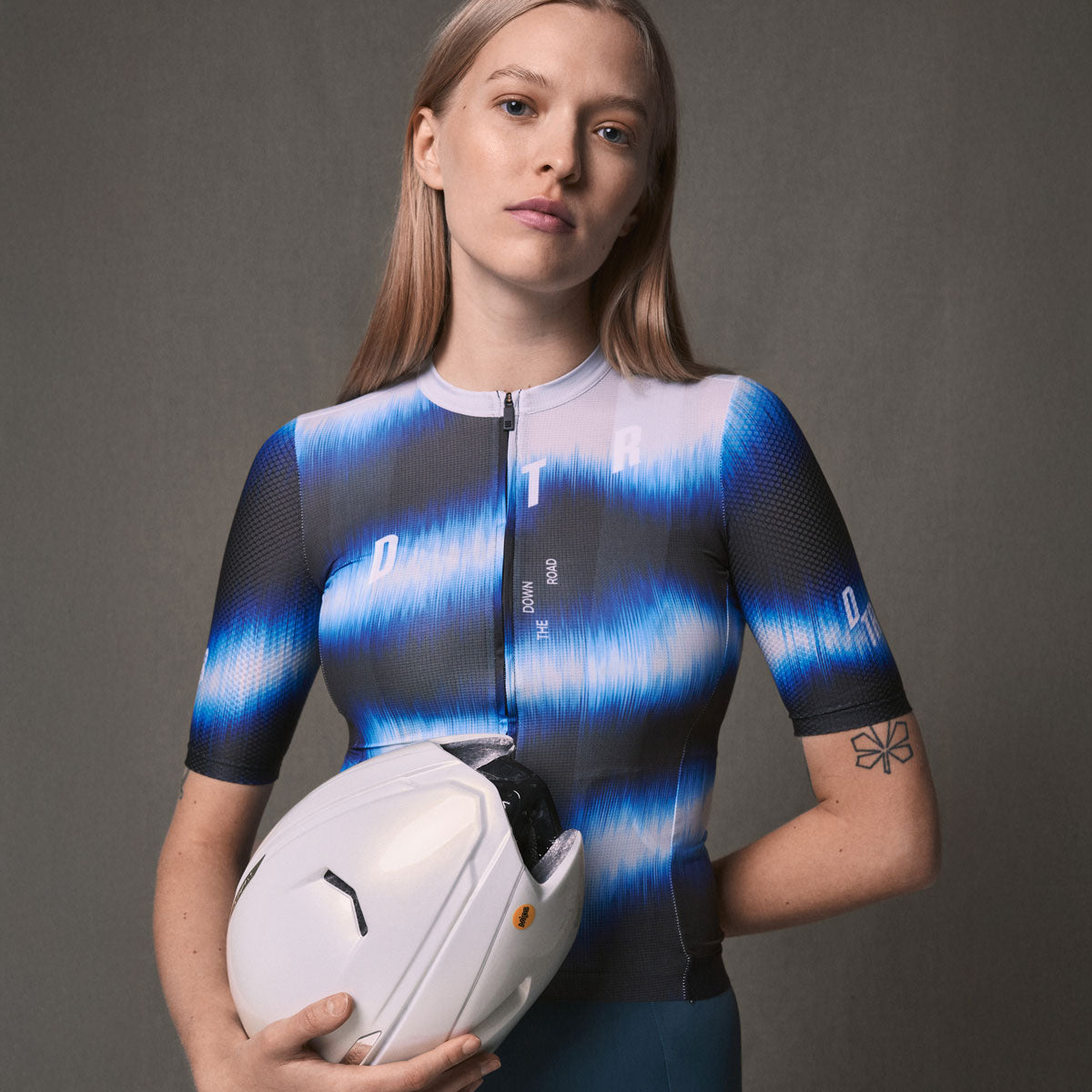
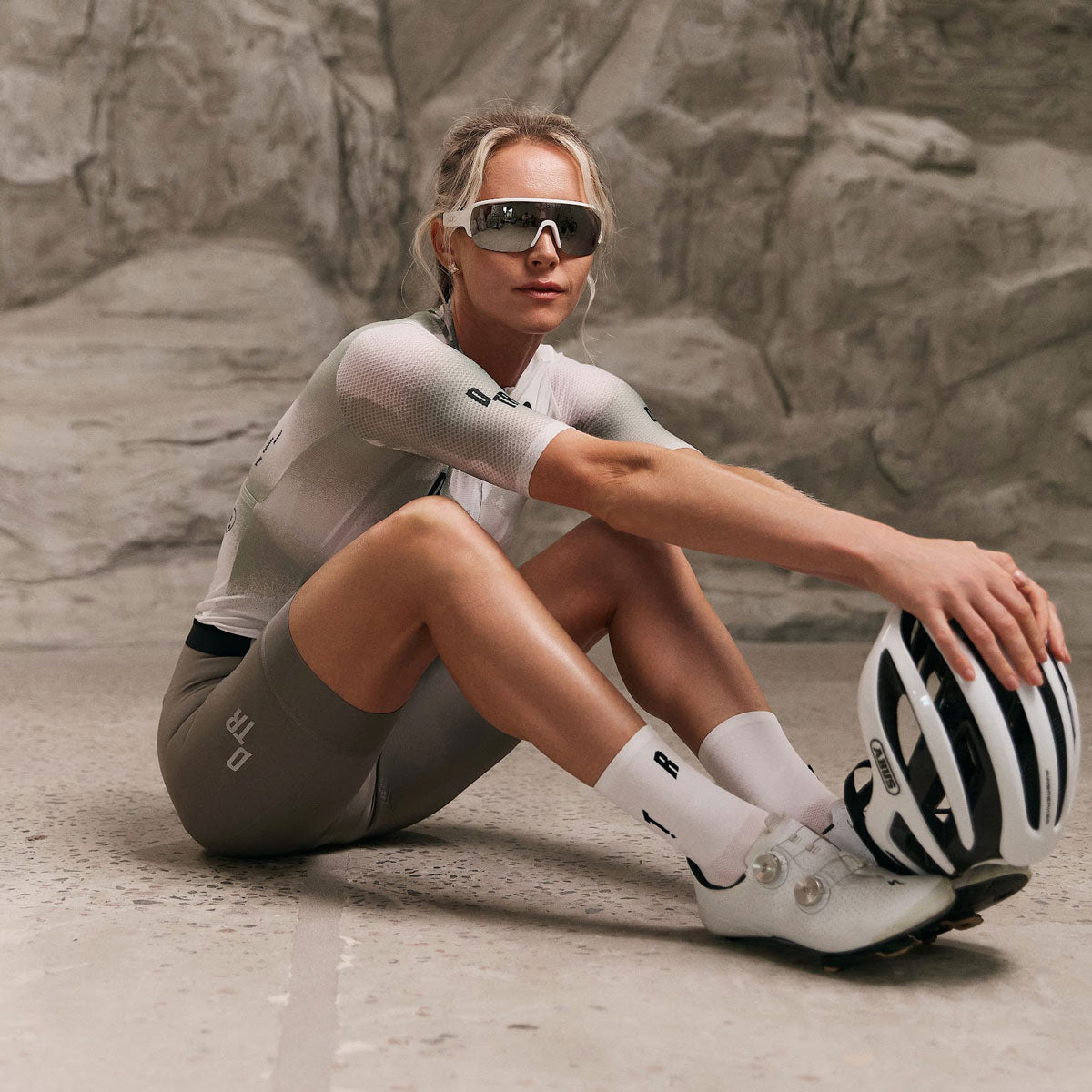
DTR designs performance triathlon kit for athletes at every level — from first-timers to age group competitors. Our trisuits are built for racing and training across all distances, with technical fabrics that perform from swim start to finish line.
Browse the full triathlon collection for men and women at downtheroad.cc.
FAQ
Do I need a trisuit for my first triathlon? No — you can race in tri shorts and a tri top. But a trisuit is the simplest option for most beginners. One piece, no gap between top and shorts, no separate sizing. For your first race, simplicity wins.
Can I wear a sports bra under my trisuit? Yes — many female triathletes wear a sports bra under their trisuit for additional support. Make sure it is quick-drying and fits smoothly without creating visible lines under the wetsuit.
Do I need special cycling shoes for a triathlon? No — for a first race, running shoes on flat pedals work fine. Clipless pedals and cycling shoes improve efficiency but add transition complexity. Master the race format first, then optimise equipment.
What do triathletes wear under their wetsuit? A trisuit. Put your trisuit on first, then your wetsuit over the top. The trisuit stays on for the entire race — you remove the wetsuit in T1 and continue on the bike and run in the trisuit.
How do I avoid chafing in a trisuit? Apply a thin layer of body glide or petroleum jelly to any contact points — neck, underarms, inner thighs. Train in your race trisuit multiple times before race day to identify any fit issue

Leave a comment
This site is protected by hCaptcha and the hCaptcha Privacy Policy and Terms of Service apply.