
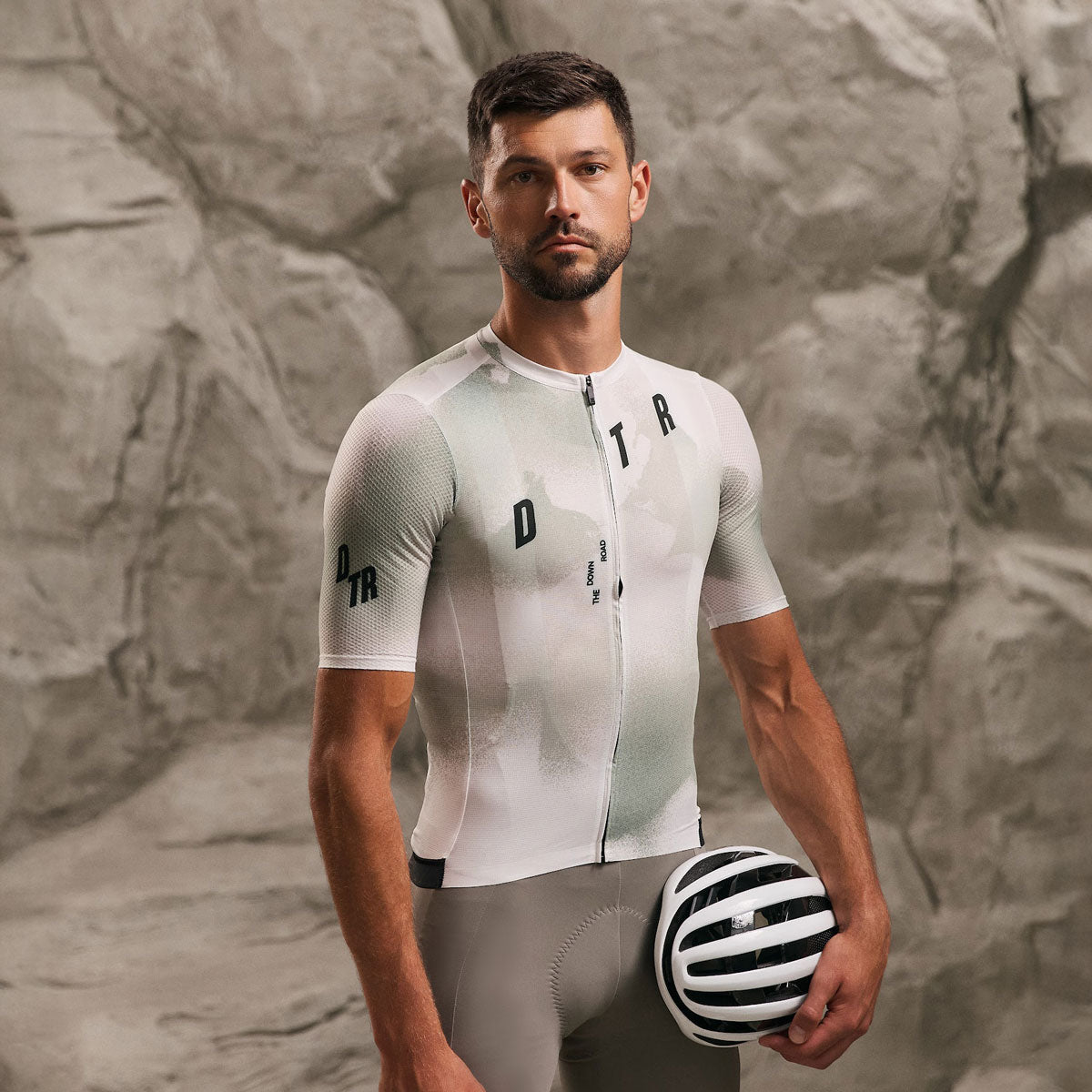
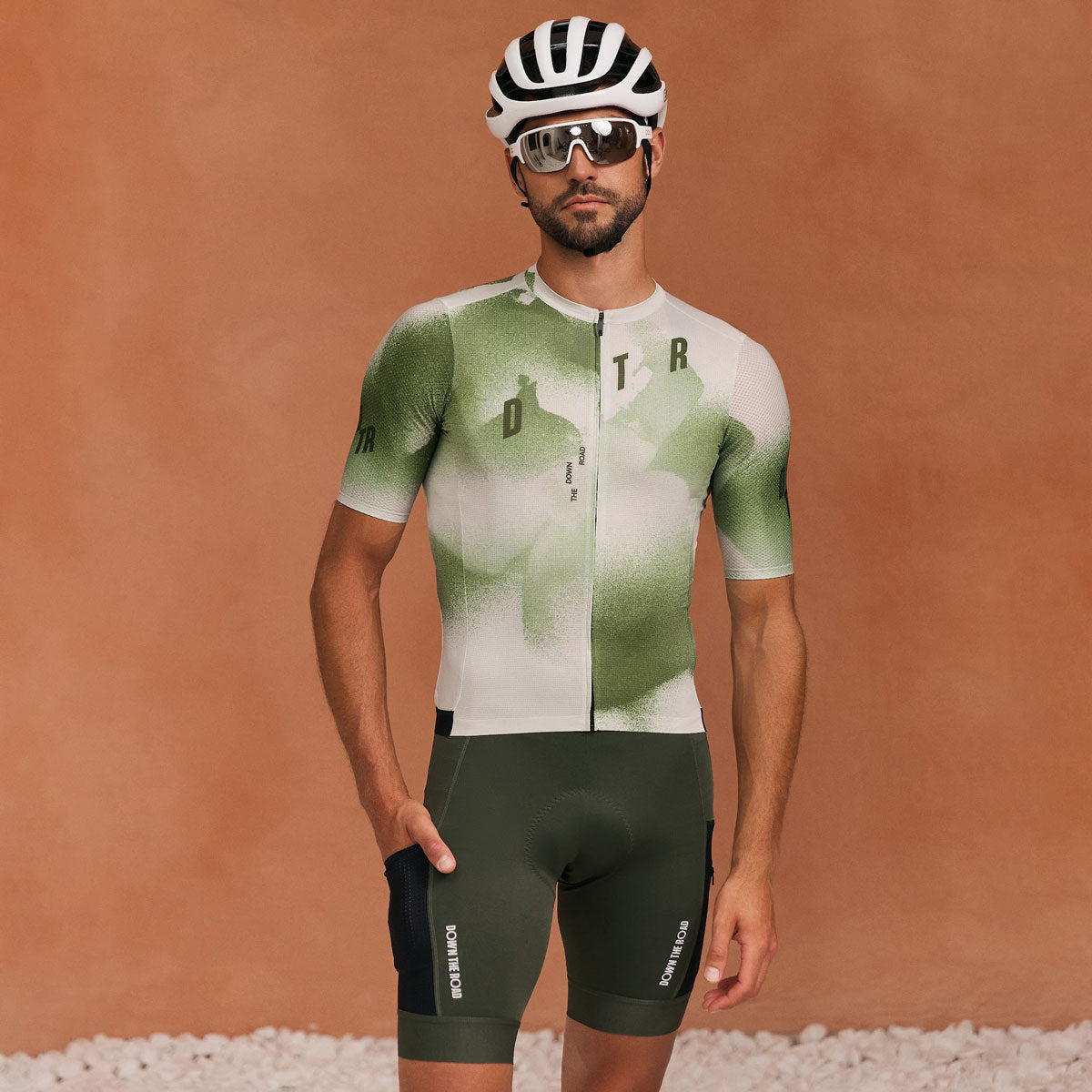
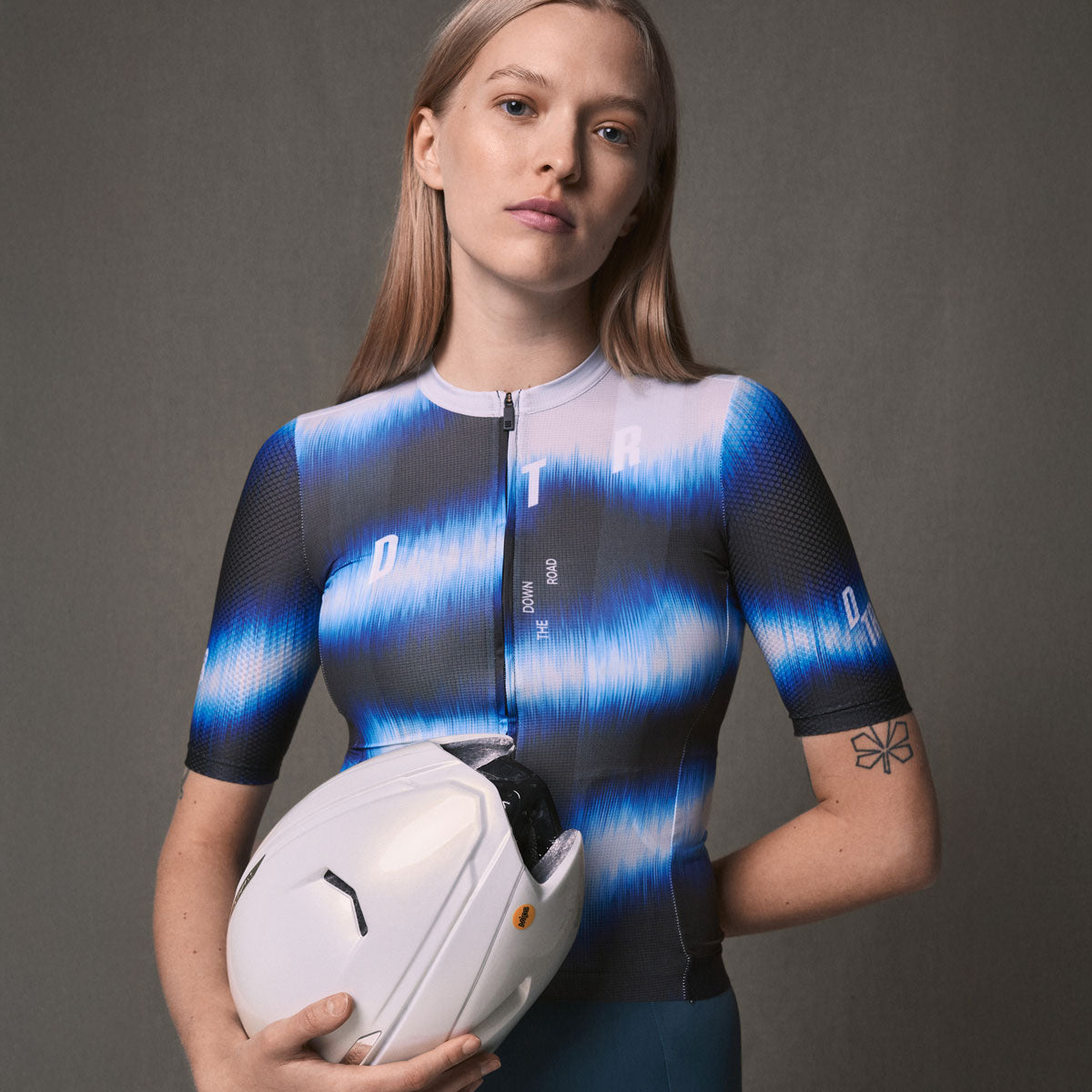
Custom kit for a charity ride carries three constraints a club order does not: an event date that cannot move, a much wider sizing spread among riders who do not all ride regularly, and more sponsor logos than a jersey is designed to hold. This guide covers how to plan around each, and what to have ready before you get in touch.
Why a fundraising ride is a different brief
A club orders kit for people who already own cycling kit, know their size, and will wear it for years. A charity ride orders for a group assembled around a cause, riding one route on one day, where some ride weekly and some bought a bike three months ago. The design brief is the same; the logistics are not.
That difference drives most of the decisions below. Sizing has to work for bodies that have never been fitted for a race-fit jersey. The order has to close earlier because chasing sizes from fifty people takes longer than chasing them from a squad. And the kit has to carry a charity's brand alongside corporate sponsors, which is a layout problem before it is a design one.
Working back from a date that cannot move
Start from the ride date and work backwards through shipping, production, artwork rounds and size collection. Production runs roughly six to eight weeks from approved sign-off, so a spring event means opening the conversation the previous autumn, not in February.
The step people underestimate is size collection, not production. Gathering measurements from a large, loosely organised group reliably takes several weeks, and one missing response holds the whole order. Set an internal deadline at least two weeks before your real one and treat non-responses as a size you assign rather than a blocker you wait on.
Artwork rounds sit outside the production window too. If your charity or a headline sponsor needs to approve the final mockup, that is a separate approval step with its own turnaround — build it into the plan rather than discovering it late. Our guide to artwork files and sign-off covers what slows a design round.
Sizing a group that is not all cyclists
Publish the size chart with chest, waist and hip measurements and ask people to measure rather than guess, because road cycling sizes rarely match what someone wears day to day. A rider who takes a large in a shirt is frequently not a large in a race-fit jersey, and that mismatch is the single biggest cause of post-delivery problems on a group order.
Where you can, offer both a race cut and a slightly more relaxed cut in the same design. Riders who have never worn technical kit often find a full race fit uncomfortable on a first long day, and the fabric and print are identical either way — only the pattern changes. It costs you nothing in design and removes most of the complaints.
Bib shorts deserve a separate conversation. Sizing is less forgiving there and the chamois has to sit correctly, so it is worth flagging to riders that shorts should feel firm standing up and disappear once they are on the bike. Women's cuts are engineered differently rather than downsized, and a mixed group needs both offered by default, not on request.
Fitting the charity and sponsor logos together
Decide the hierarchy before the first mockup: which logo is the primary mark, which sponsors were promised chest or sleeve placement, and which can sit on a rear panel. A jersey has a limited number of positions that actually read at distance, and treating them as a queue rather than a grid keeps the design coherent.
Collect vector files for every logo at the point you confirm each sponsorship. Sponsors added after a design is approved usually mean rebalancing the whole layout rather than dropping a logo into a gap, and on a fixed event deadline that extra round is the one you cannot afford. Our guide to sponsor logo placement covers what works on each panel.
One practical point specific to fundraising kit: the charity's own brand guidelines often specify a minimum size, clear space and permitted colour variants. Ask for them early. It is much easier to design around those rules than to discover them at approval.
Choosing which garments to order
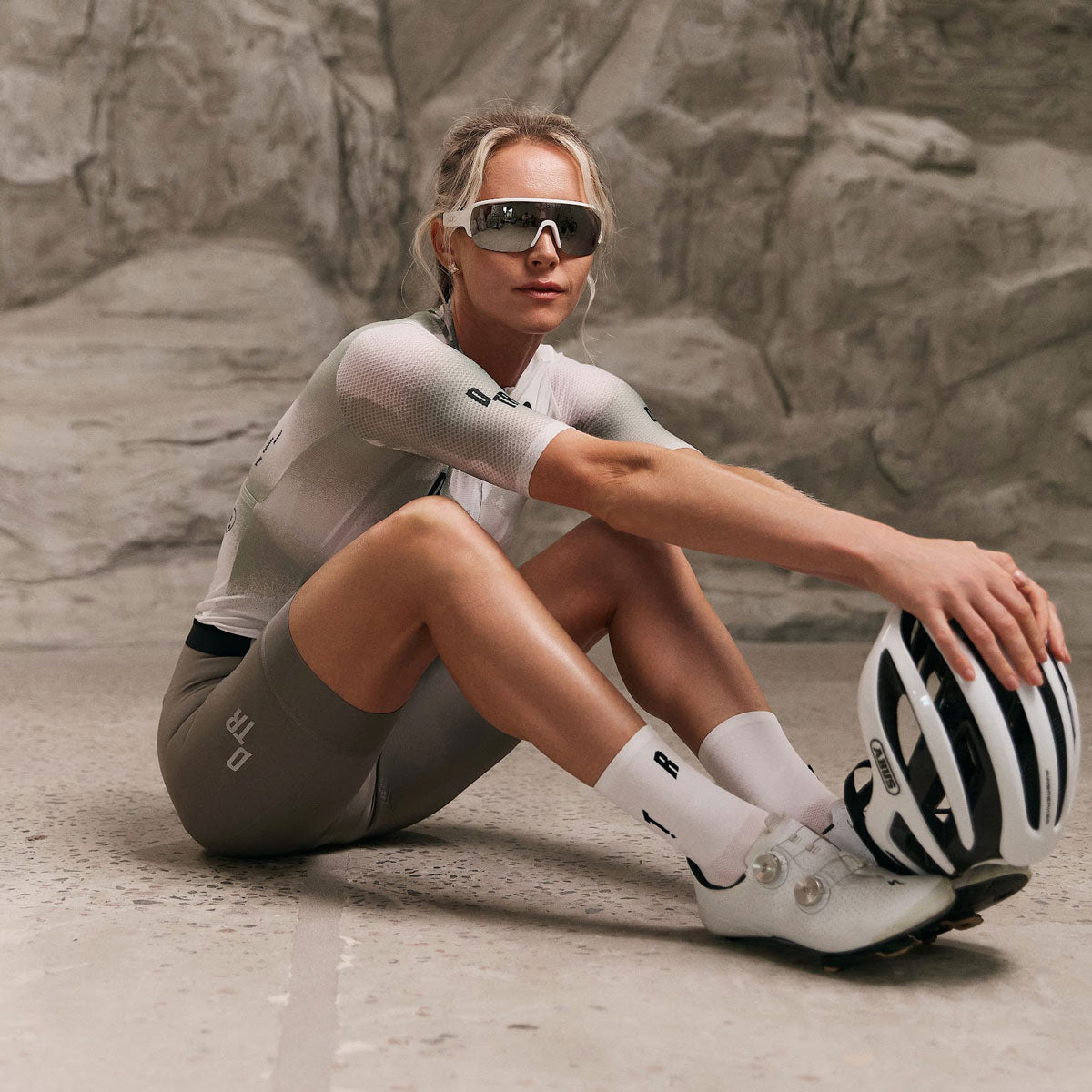
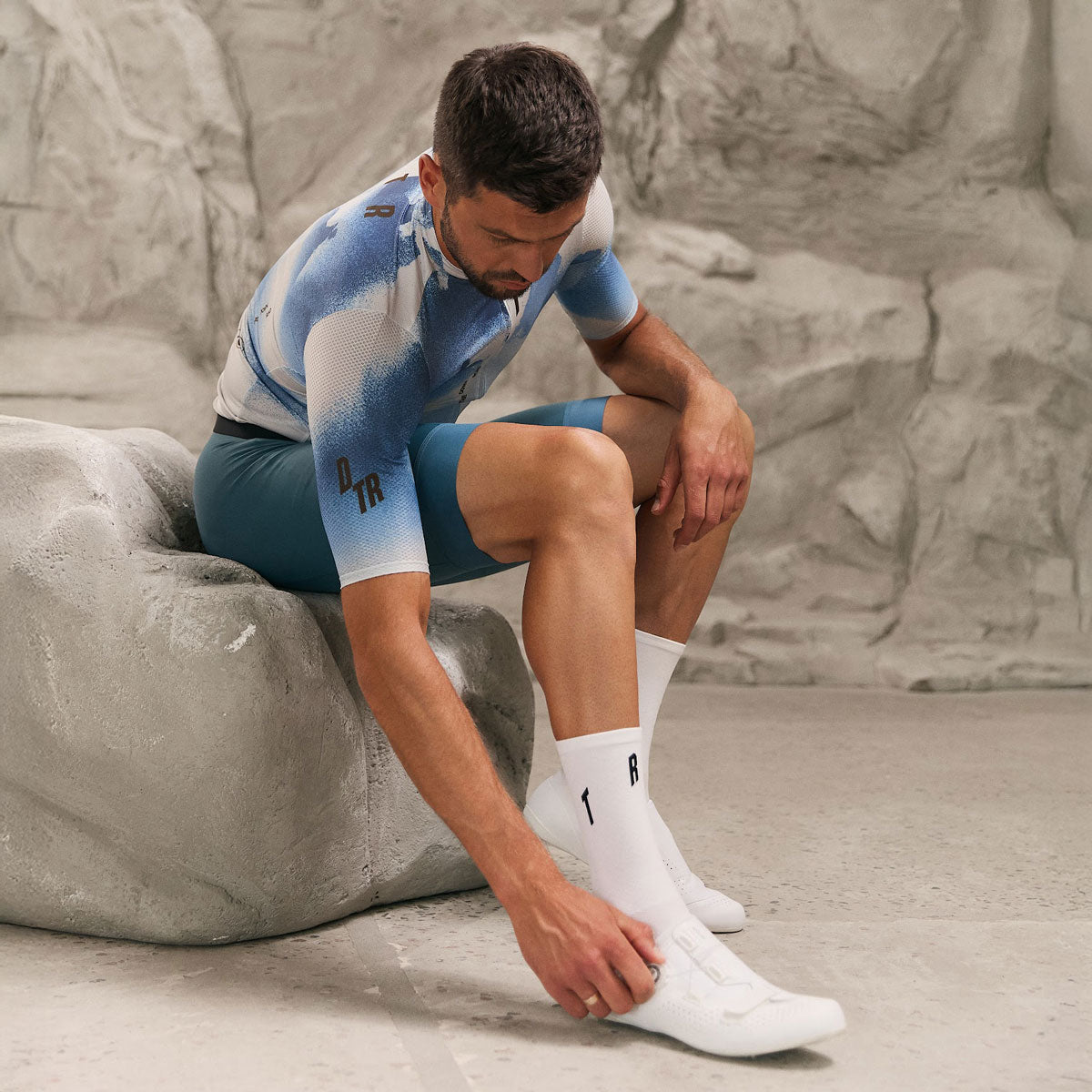
A jersey is the piece that carries the cause and gets photographed, so it is where most fundraising orders concentrate. If the budget only stretches to one garment, make it the jersey, and let riders wear their own shorts — nobody is comparing shorts in a group photo.
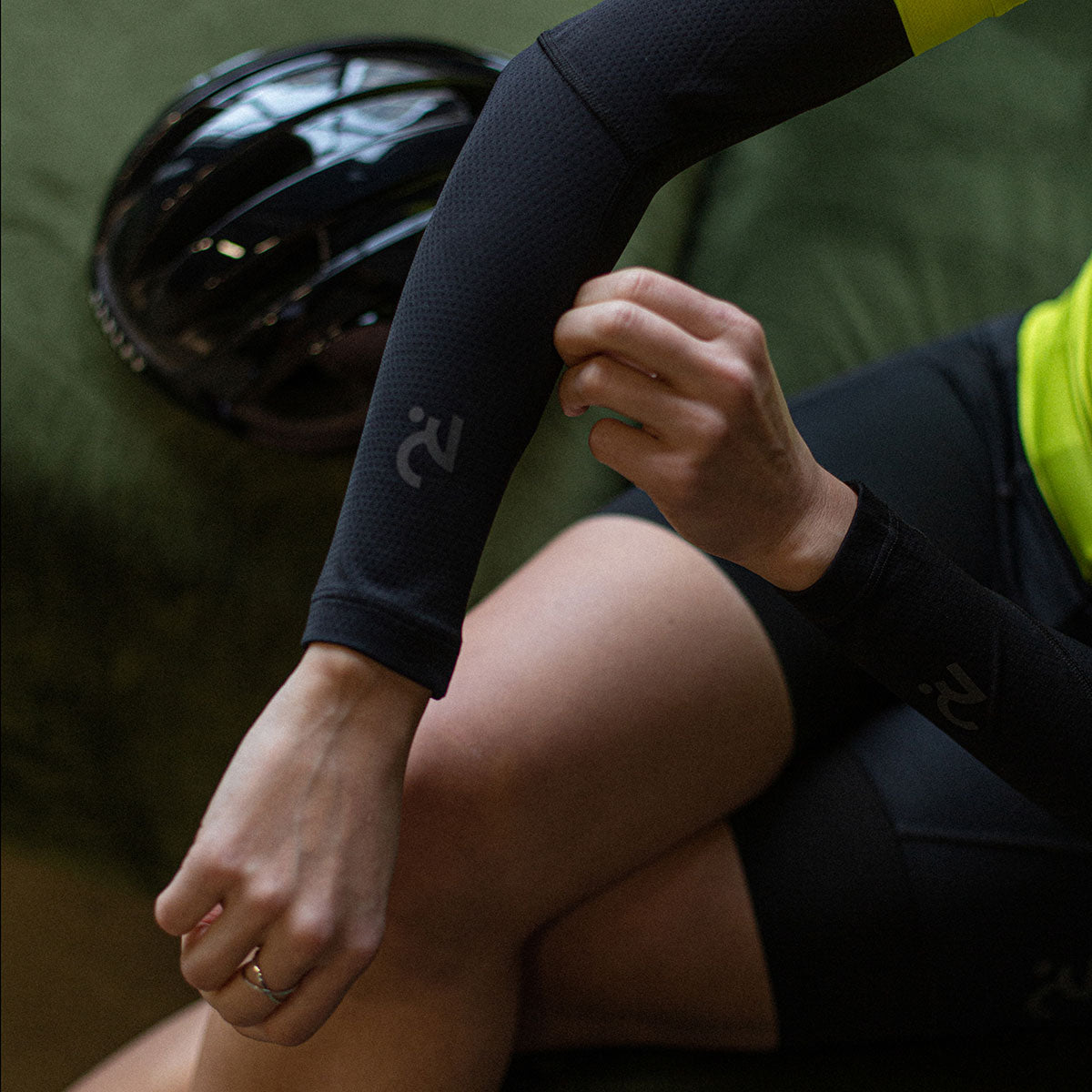
Where an order runs to a second piece, bib shorts matter more than accessories for a long ride, and a gilet matters more for an early start or an exposed route. Socks and caps are the cheapest way to add a visible branded piece across a large group, and they need no sizing precision at all, which makes them useful when your headcount is still moving.
Consider a spare handful of jerseys in the middle sizes. Late sign-ups are normal on charity rides, and a small buffer is easier than a second production run against the same deadline. Our guide to minimum order quantities covers how that works across a mixed order, and jerseys in small quantities is worth reading if your group is under twenty.
Making the kit part of the fundraising
Kit works as a fundraising instrument as well as a uniform. Selling the jersey to supporters who are not riding — family, colleagues, the wider club — turns a cost line into a contribution, and it widens the number of people visibly attached to the cause.
It also solves the sponsor question from the other direction. A sponsor is buying visibility, and a jersey worn for years after the event delivers considerably more of it than a banner at a start line. That argument is usually easier to make than asking for a straight donation, and it justifies the vector-file request at the same time.
What to have ready before you get in touch
Four things make a first conversation productive: your event date, a rough headcount with a range rather than a fixed number, the logos you already have as vector files, and a note of any sponsor placements you have already promised. Everything else can be settled as we go.
If you have a design idea, bring a reference or two. If you do not, that is fine — a cause, a colour and a date is enough to start from, and most fundraising kit designs come out of a conversation rather than a finished brief. For how the wider event process runs, see our custom kit for race events page.
Frequently asked questions
How far in advance should you order kit for a charity ride?
Allow at least four months before the event. Production is roughly six to eight weeks from sign-off, and the artwork rounds, sponsor approvals, size collection and shipping all sit on top of that.
What is the minimum order for a charity ride jersey?
Our custom program starts from five to ten pieces depending on the garment, so small fundraising groups are workable. Mixed orders across several garments are handled per item rather than as one total.
How many sponsor logos fit on a cycling jersey?
There is no fixed number, but there are only a handful of positions that read clearly at distance. Agreeing a hierarchy before the first mockup matters more than the count, because a crowded chest panel serves no sponsor well.
What if riders do not know their size?
Publish the measurement chart and ask for chest, waist and hip rather than a size label. Cycling sizes do not track everyday clothing sizes, and measuring is the only reliable route on a group order.
Can supporters buy the same jersey?
Yes, and many organisers use that deliberately as a fundraising channel. It is worth deciding early, because it changes your quantities and gives you a reason to order a buffer in the common sizes.
How much does custom charity kit cost?
Custom pricing depends on quantity, garment mix, design complexity and destination, so we quote rather than list. Tell us your headcount, garments and date and we will put a number against it.
Tell us your brief and we will take it from there: request a quote.
DTR — performance cycling and triathlon apparel, designed and developed in Ukraine.

Leave a comment
This site is protected by hCaptcha and the hCaptcha Privacy Policy and Terms of Service apply.