

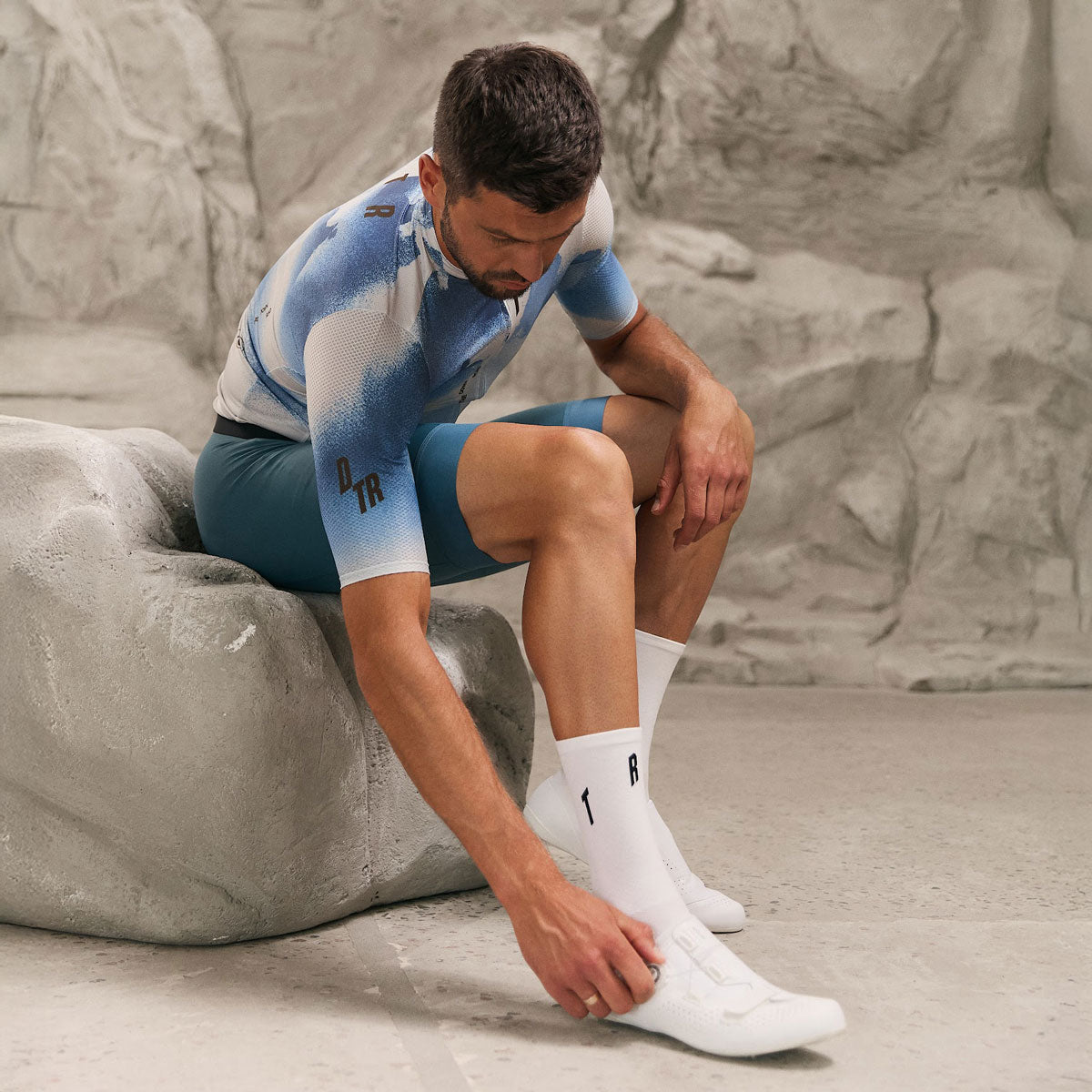
You need three things to start riding properly: bib shorts, a cycling jersey, and socks that aren't cotton. Everything else — warmers, a windbreaker, a base layer — can wait until the weather makes the decision for you. This guide covers what to buy first, what each piece actually does on the bike, and what you can safely put off.
Start with the shorts
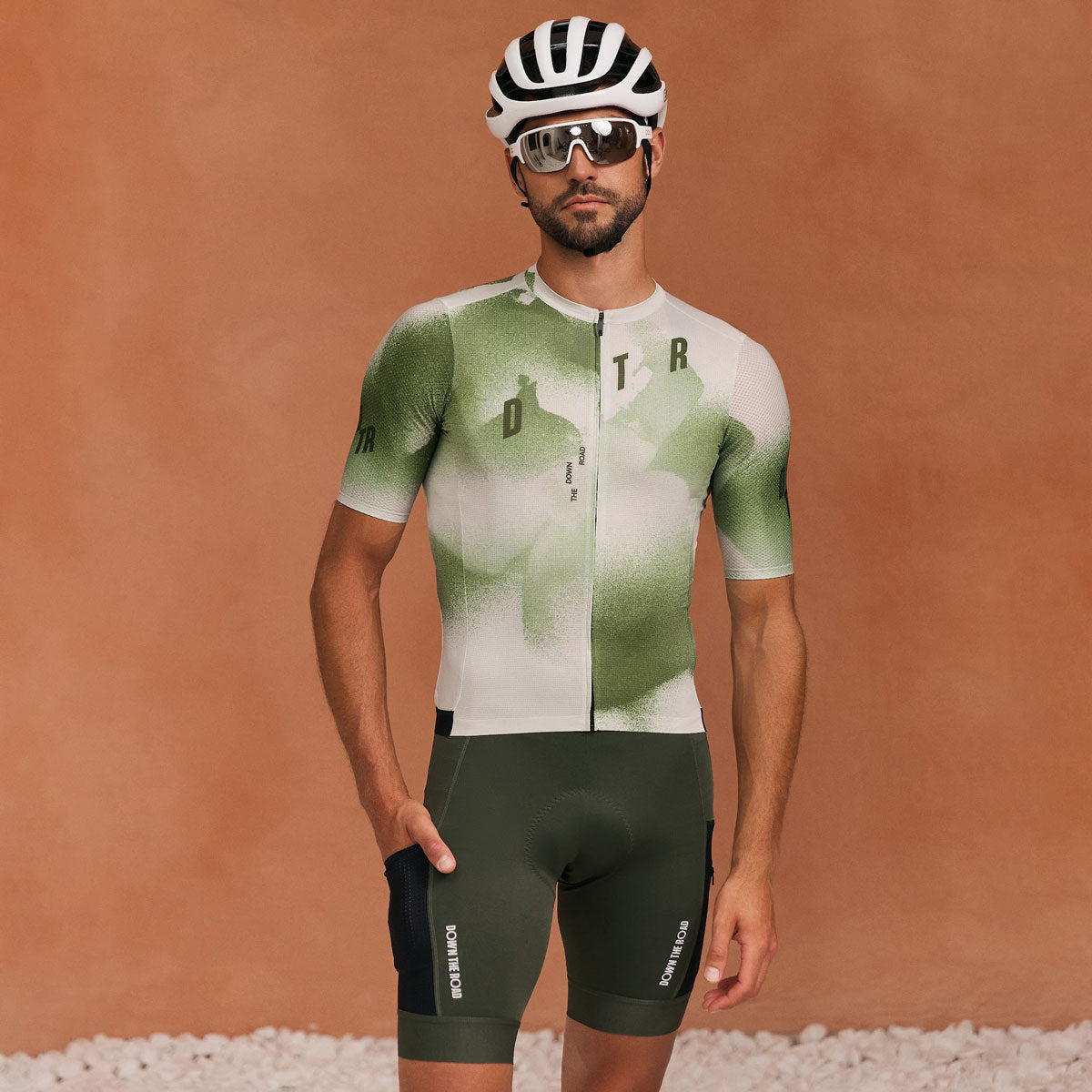
Bib shorts are the first thing to buy, and it isn't close. They're the only piece of kit that decides whether two hours on the bike is comfortable or something you cut short at ninety minutes. A jersey makes a ride better. Shorts make a long ride possible at all.
What you're paying for is the chamois — the padded insert sewn into the shorts. It isn't a cushion. A good chamois is multi-density: firmer foam under your sit bones where you need support, softer through the middle where you don't. More density does not mean more thickness, and thicker is not better. Too much foam bunches, and bunched fabric is what causes friction.
The bib straps do a job too. They hold the chamois in position without a waistband digging into your stomach when you're folded forward on the bars. That's why bib shorts beat waist shorts for anything over an hour, and why almost nobody who has ridden both goes back.
One rule that surprises new riders: nothing goes underneath. The chamois sits against your skin. Underwear adds seams, holds moisture, and reintroduces exactly the friction the chamois exists to prevent.
Why a t-shirt stops working
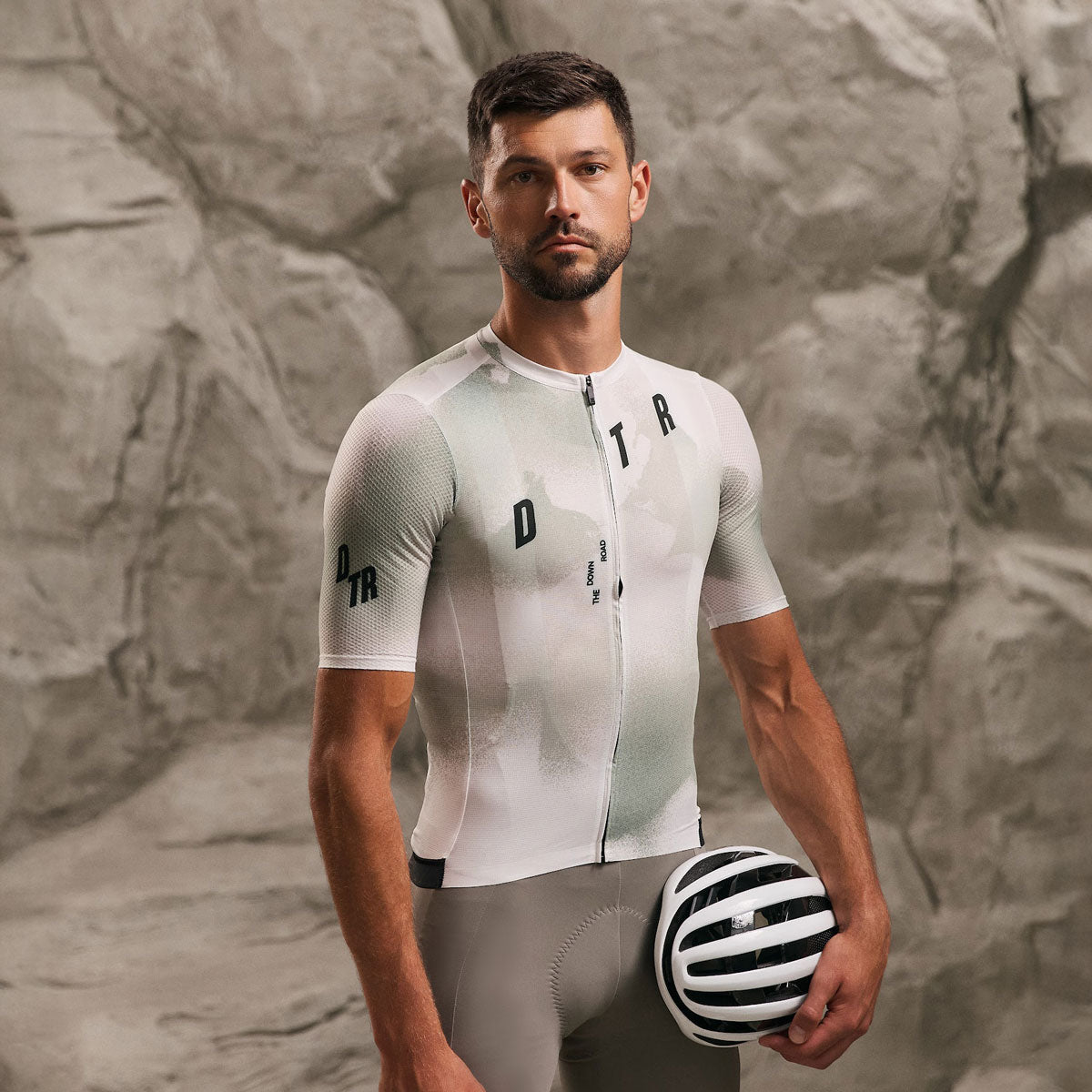
A cotton t-shirt holds sweat against your skin instead of moving it, flaps in the wind, rides up when you lean forward, and gives you nowhere to put a phone, keys or food. A cycling jersey is cut longer at the back, close at the front, and carries three rear pockets. Under thirty minutes it barely matters. Past an hour it matters a lot.
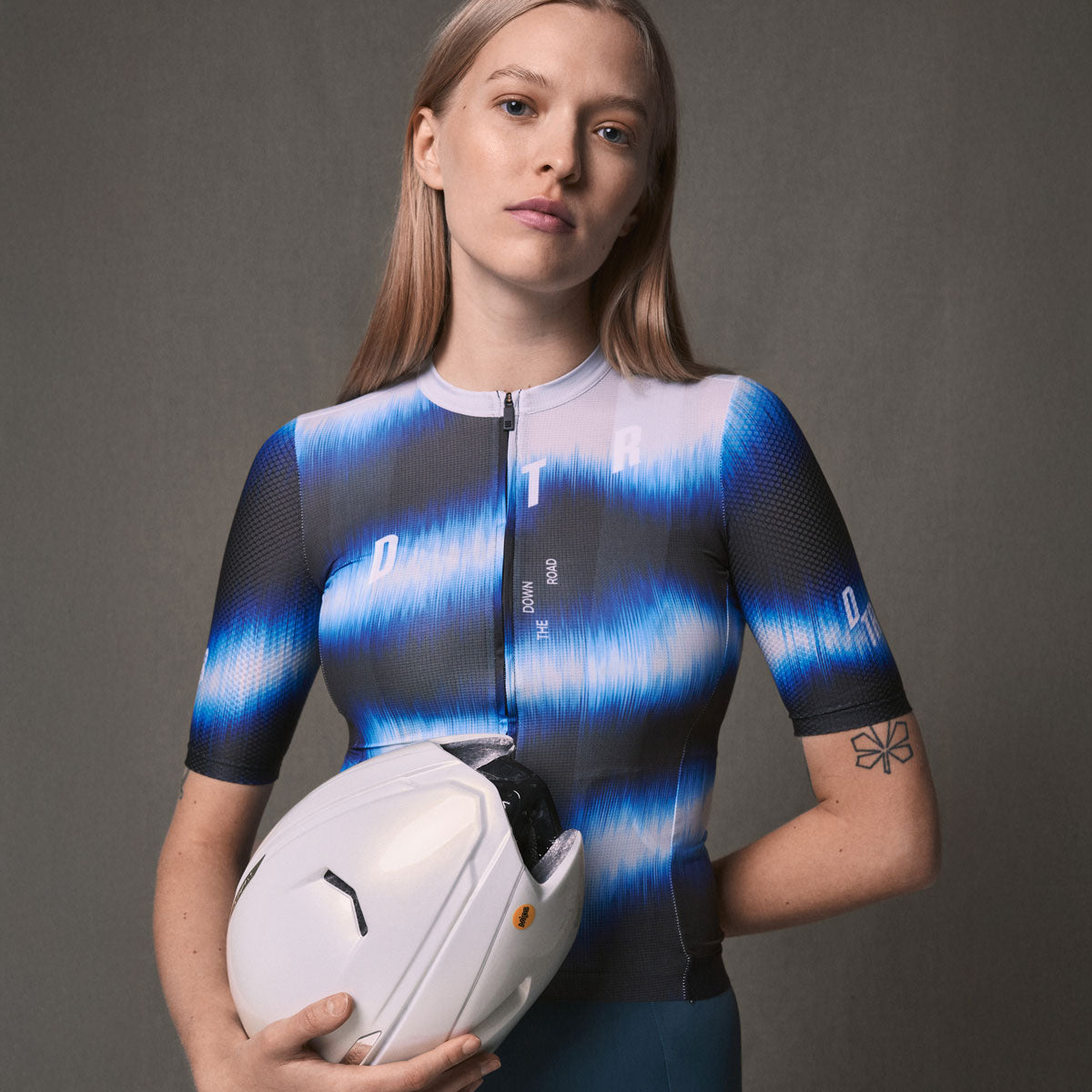
The fit is the point. A jersey is cut for a rider bent over the handlebars, not standing upright — short at the front so it doesn't gather at your stomach, long at the back so your lower back stays covered. Fabric is chosen to move sweat outward and dry fast, which is what keeps you from getting cold the moment you stop climbing.
Pockets are the other half. Three at the back, loaded with the heaviest item in the middle. That's where your food, phone and a packable layer live, because jersey pockets are the only storage you have if you aren't running a saddlebag.
The cheapest upgrade you'll make
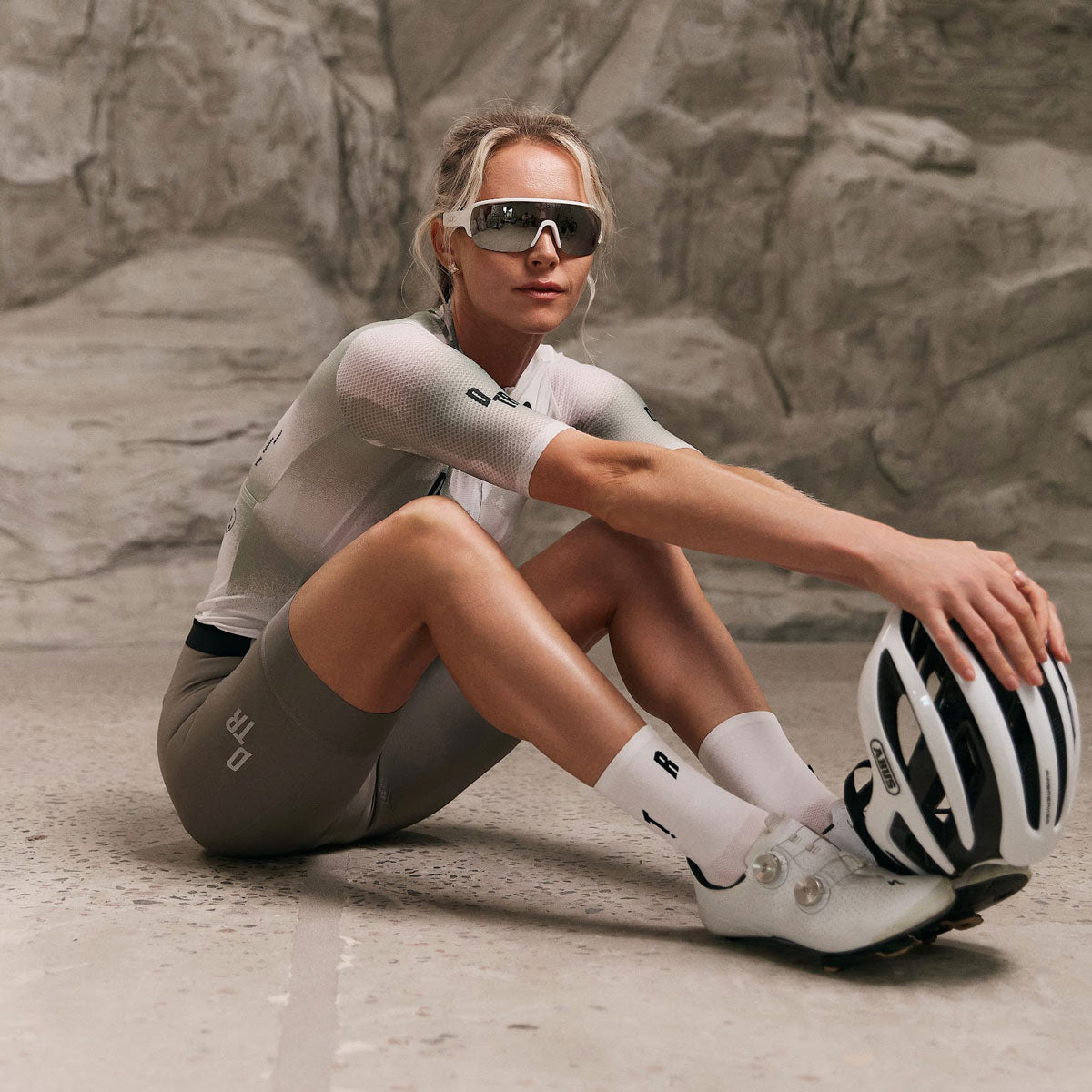
Cycling socks cost less than anything else in your kit and fix a problem you'd otherwise blame on your shoes. They're thin, quick-drying, and cut to sit above the ankle without bunching inside a stiff shoe. Cotton socks hold sweat, wrinkle under pressure, and give you hot spots on long rides.
Buy two or three pairs. There's no break-in, no fit anxiety, and the difference on a hot four-hour ride is real.
What you can put off
Almost everything else. You don't need a windbreaker, thermal bib tights, a cycling vest, arm warmers or a base layer to start — you need them when the weather stops cooperating, and that's a different purchase made with better information.
Most cycling clothing marketed to beginners is seasonal kit you don't need yet. Buying a full winter wardrobe before your first proper season is how people end up with a drawer that doesn't match how they actually ride. Ride in what you have, notice what's uncomfortable, then buy the specific thing that fixes it.
Adding warmth without buying a second wardrobe
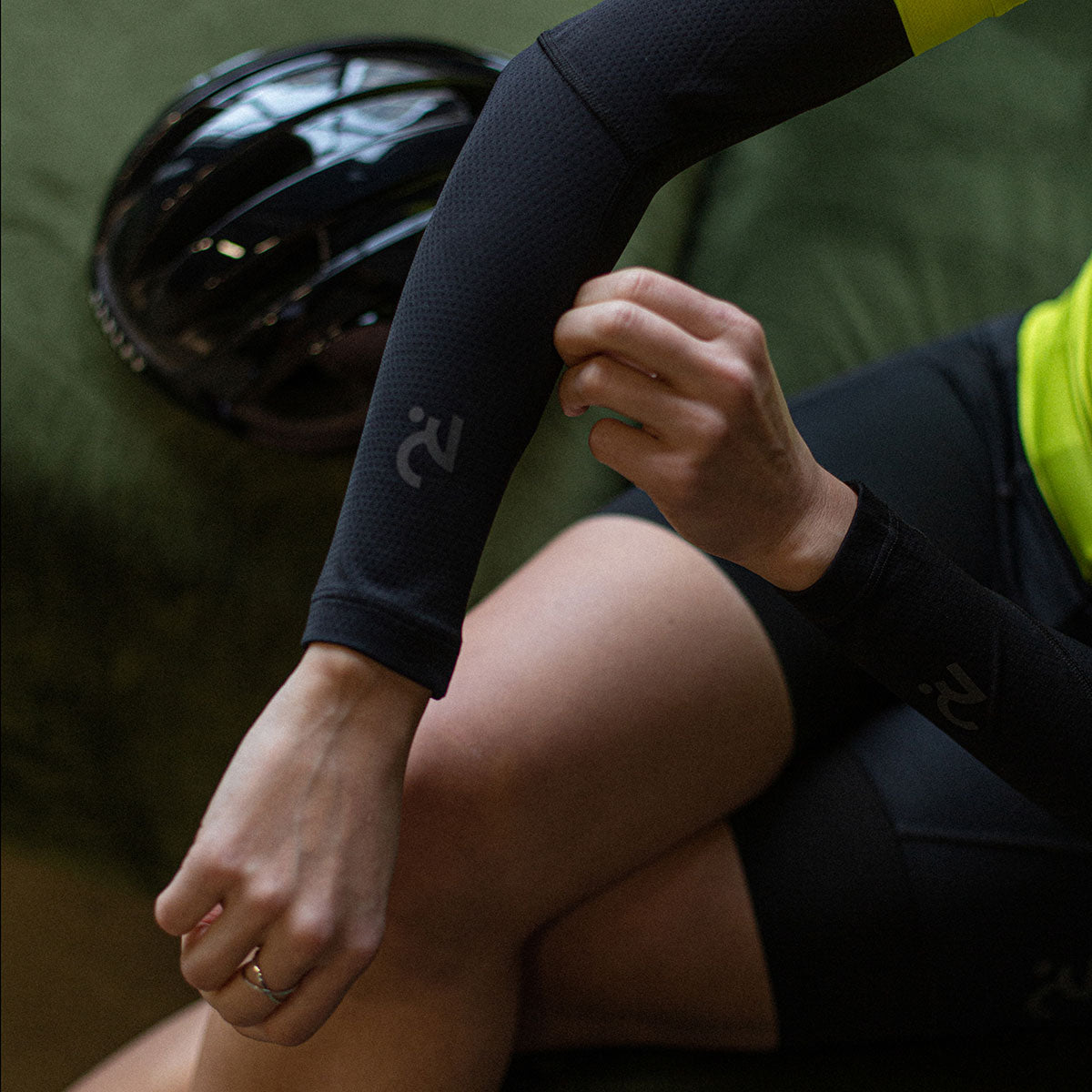
The efficient way to extend your riding into colder months is modular: arm warmers, leg warmers and a packable windbreaker turn one summer kit into something that works from roughly 8°C upward. Three small items, no second wardrobe, and all of them fit in a jersey pocket when the sun comes out.
Arm warmers and leg warmers are the highest-value first additions because they're reversible mid-ride — roll them down at the top of a climb, pull them up before the descent. A windbreaker is next; it takes the edge off wind and light rain and packs down to almost nothing. A base layer comes after that, and it's the piece new riders skip for longest despite doing the most work on genuinely cold days.
Below roughly 8°C the modular approach runs out and you want dedicated cold-weather kit — thermal bib tights, a long sleeve or thermal jersey. That's a decision for your second winter, not your first month.
How it's supposed to fit
Kit should feel snug standing still and correct once you're on the bike. Shorts want to be firm enough that the chamois doesn't shift, with the silicone gripper flat against your thigh rather than cutting in. A jersey should sit close without pulling across your shoulders. If it looks loose in a mirror, it's probably a size too big.
Judge fit in the riding position, not standing up. Get on the bike, reach for the bars, and check three things: does the jersey gather at your stomach, does the leg of the short ride up, do the straps pull at your shoulders. Any of those means the size or the cut is wrong.
Men's and women's kit is engineered differently — chamois shape, strap routing and torso length all change. A women's short is not a smaller version of a men's one.
FAQ
Do I really need padded cycling shorts?
For rides under about thirty minutes, no. Past that, the chamois is what stops saddle pressure turning into soreness. It's the single piece of clothing that changes how far you can comfortably ride.
Bib shorts or waist shorts to start?
Bib shorts. The straps hold the chamois in place and remove the waistband, which is the part that digs in when you're leaning forward. Waist shorts are easier at toilet stops, and that's roughly the whole argument.
Do you wear underwear under cycling shorts?
No. The chamois goes against your skin. Underwear adds seams and traps moisture, which is what causes chafing.
How many kits do I need?
Two sets covers most riding patterns — one on, one drying. Never leave a used chamois damp in a bag; wash it after every ride.
What's a base layer for in summer?
Moving sweat off your skin so the jersey can dry it. A lightweight base layer usually makes you cooler in heat, not warmer, which is the opposite of what most new riders expect.
Start where it counts: the bib shorts range is at /collections/bib-shorts.
DTR — performance cycling and triathlon apparel, designed and developed in Ukraine.

Leave a comment
This site is protected by hCaptcha and the hCaptcha Privacy Policy and Terms of Service apply.