

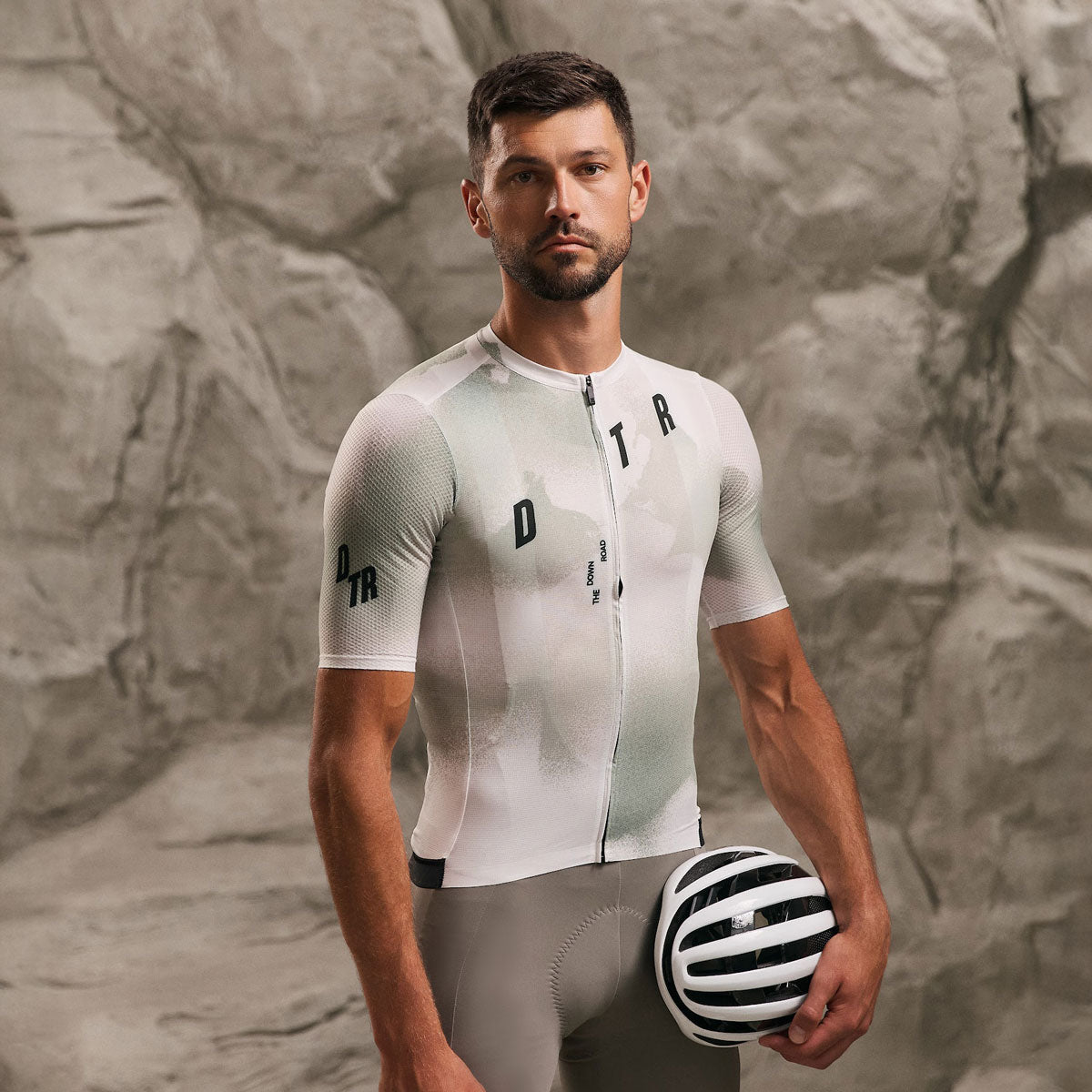
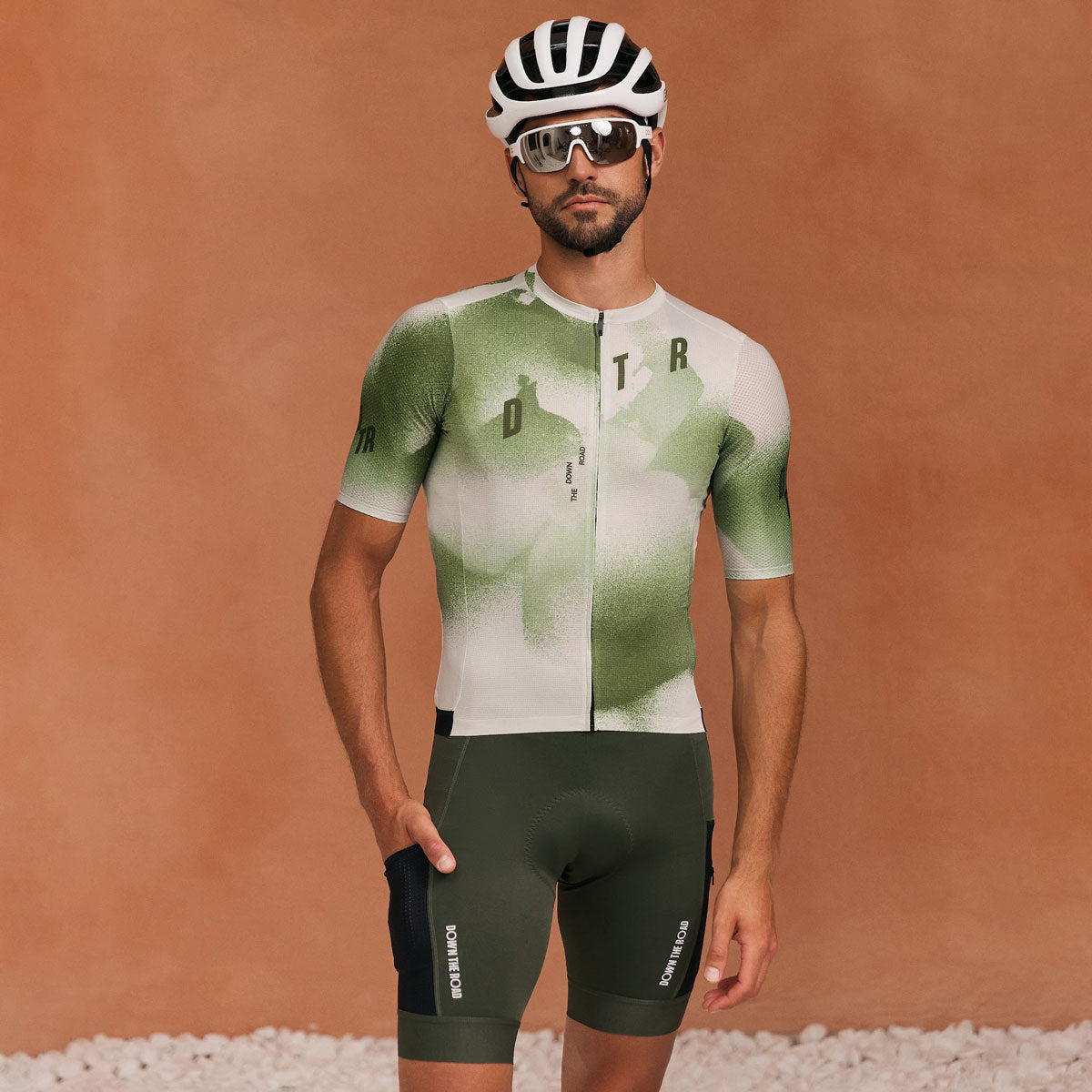
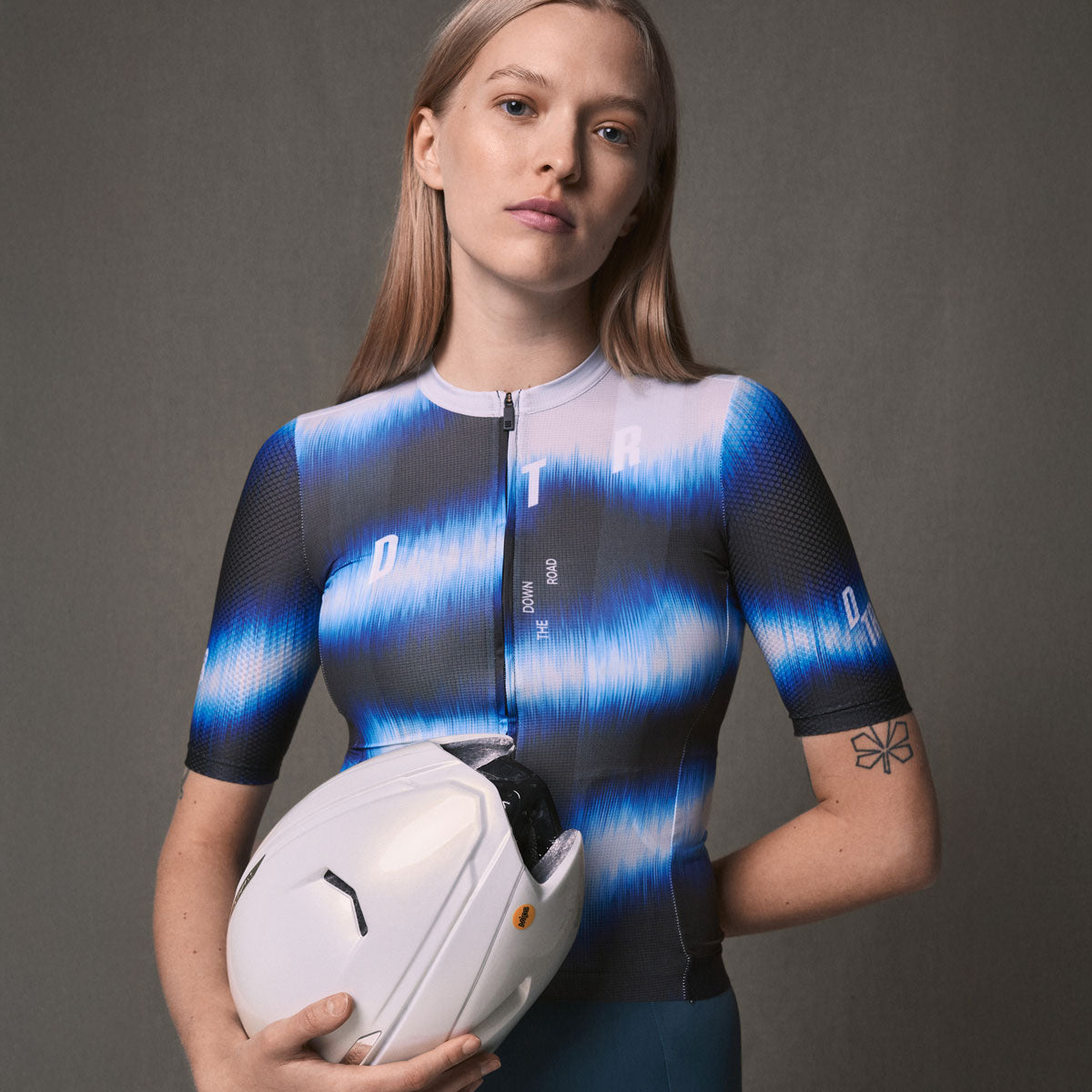
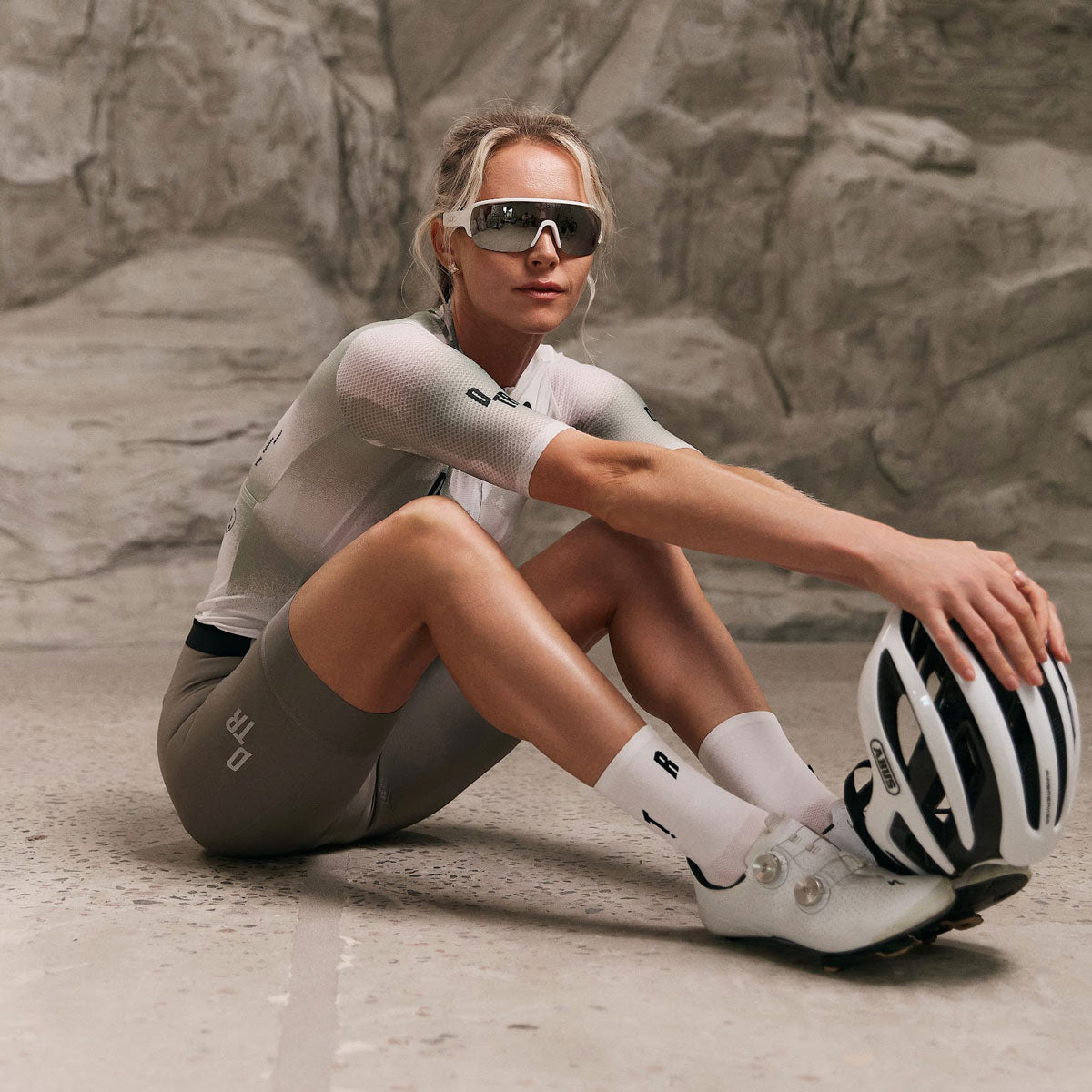
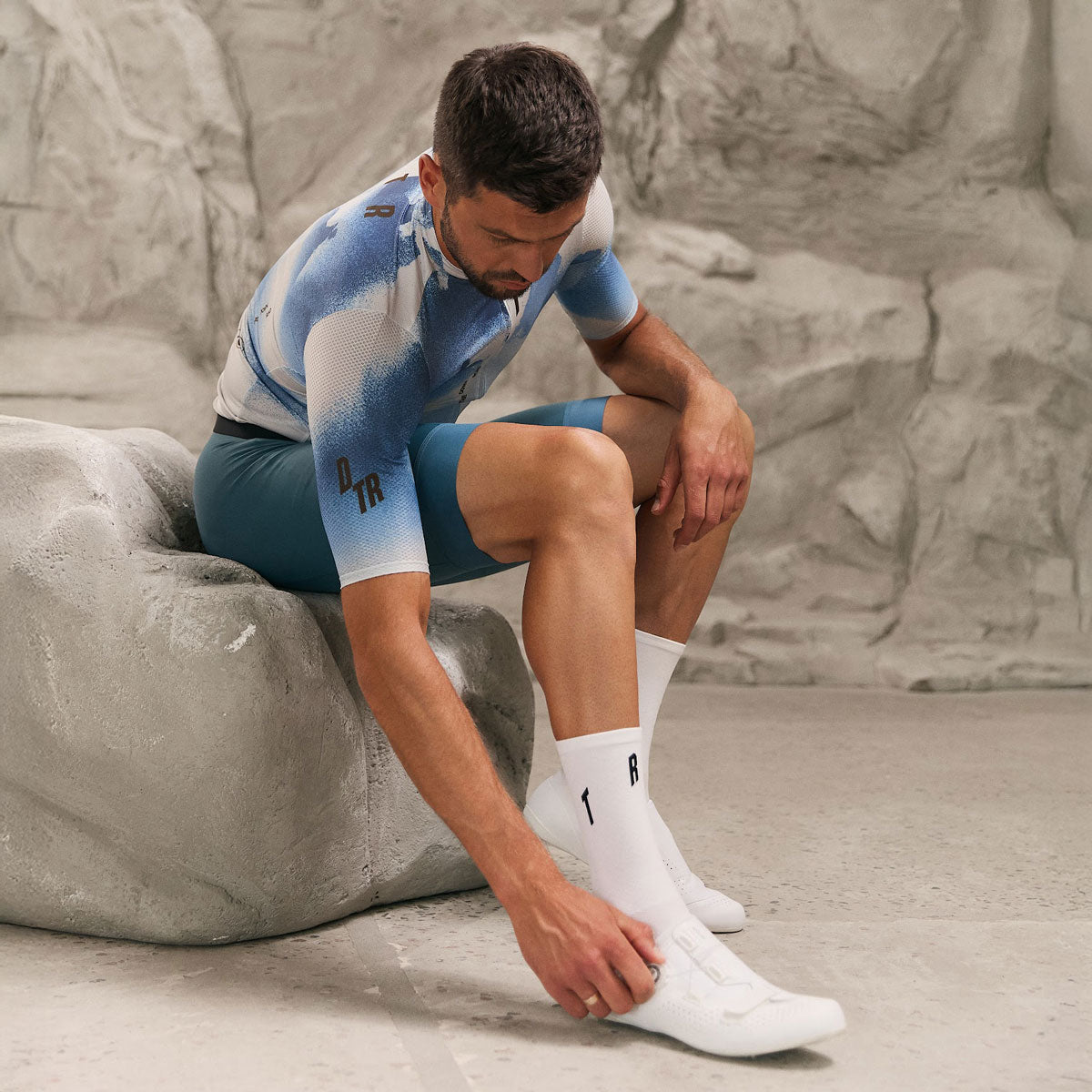
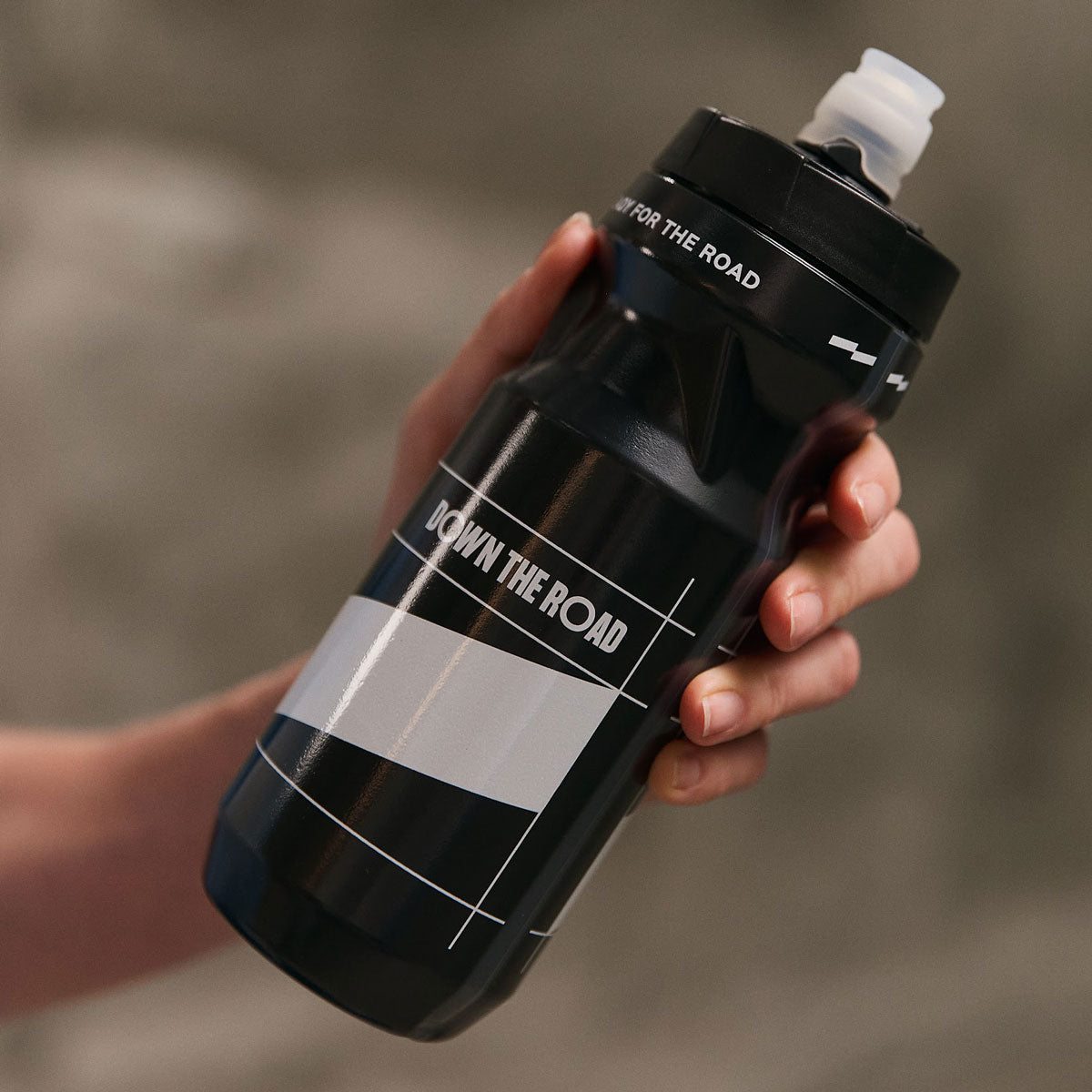
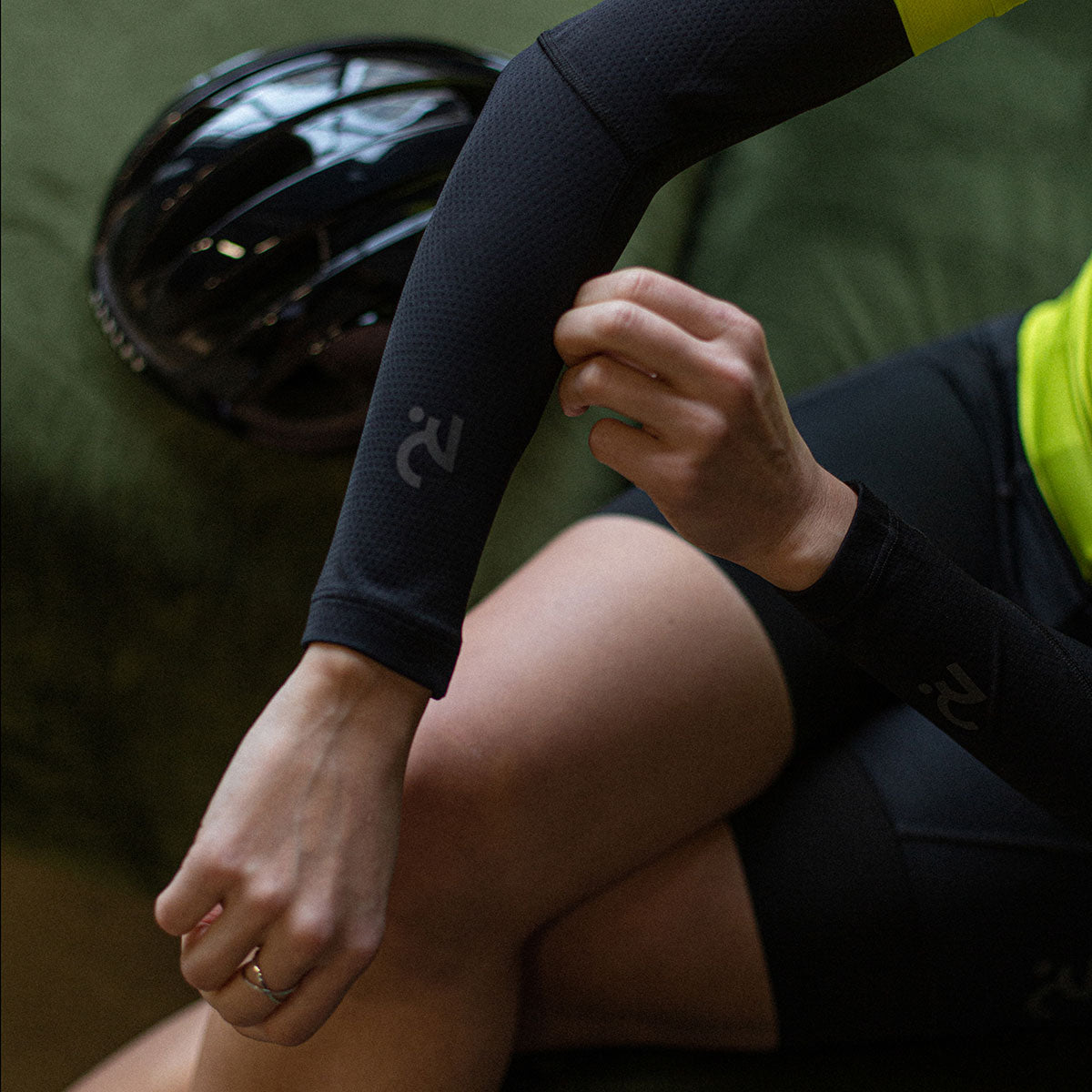
Custom gravel kit is a different brief from custom road kit: it needs more carrying capacity, more abrasion resistance, and a design that still reads from a distance when it's covered in dust. The garments are largely the same — jerseys, bib shorts, cargo bib shorts, base layers, warmers — but the priorities change and so does the range you build. This guide covers what shifts for gravel, what to include, and how a team or event order runs from brief to delivery.
What gravel changes about the brief
The three things that separate a gravel brief from a road one are storage, durability and self-sufficiency. Gravel riders are further from a shop, out for longer, and carrying more, which means the kit has to hold things and survive contact with grit, hedges and the occasional slide.
Storage is the biggest single change. Three jersey pockets stop being enough somewhere around the four-hour mark, which is why cargo bib shorts move from a nice extra on the road to a core item for a gravel range. Leg pockets take the weight off your back and keep it low and stable over rough surfaces.
Durability is the second. Gravel kit sees more abrasion than road kit — dust works into fabric, and a low-speed slide on loose surfaces takes a layer off. That pushes fabric choice toward denser panels in the contact areas rather than the lightest available option everywhere.
Self-sufficiency is the third, and it shows up in the range rather than any single garment. A gravel team needs pieces that let a rider handle a 30-degree temperature swing in one day out of one bag, which usually means warmers and a packable layer are part of the order rather than an afterthought.
What to include in a gravel range
Start with a short-sleeve jersey and cargo bib shorts as the core two, then add a base layer, arm and leg warmers, socks and a cap. That's a range that covers a full season of events without asking anyone to buy road kit to fill gaps.
A cargo bib short is the piece most gravel teams underestimate. Two leg pockets take a phone, a bar and a tube, and that alone changes how riders load a jersey for a long day. If you're ordering one item beyond a jersey, this is it.
Socks and caps are worth adding for a reason that isn't performance: they're the pieces riders wear off the bike, and at a gravel event where everyone is camping and hanging around a finish field, they do more for a team's visibility than another jersey does.
For event organisers rather than teams, the split is usually different: a finisher item that riders will actually wear again, a staff and marshal item that's visible and practical, and a small sponsor allocation. Socks, caps and a simple jersey cover that more efficiently than a full kit does.
Designing for dust
A gravel design has to work covered in a fine layer of brown. That rules out low-contrast schemes and anything that relies on a pale base colour to carry the identity, because both disappear within an hour of a dry course.
The things that survive dust are high-contrast blocks, strong shoulder and sleeve panels, and a logo placed where it stays visible from behind — which in practice means the upper back and the sleeves rather than the lower front. Riders on a gravel course are usually seen from behind and at distance.
Sublimated printing is what makes this work: the colour goes into the fabric rather than sitting on top of it, so it doesn't crack, peel or wear off at the contact points. That matters more on gravel than anywhere else, because those contact points get more use.
One practical note on pale colours: white and light grey panels on bib shorts are a bad idea for gravel. They pick up dirt permanently and they're the least forgiving choice in a discipline where the kit spends its life dusty.
Minimums and timing
DTR's custom program runs from small quantities — typically from 5 to 10 pieces per item depending on the product — which means a gravel team of six or a small event allocation is a real order rather than something you have to bulk out. Standard turnaround runs around 6 to 8 weeks from design sign-off to delivery.
For a season of events, work backwards from your first target race and add buffer. A design and sample round takes time that's easy to underestimate, and gravel calendars cluster in spring and late summer, which means everyone orders in the same two windows.
Nothing goes into production without your sign-off. You see the design, you approve it, and only then does it get made — which is the part of the process worth protecting time for rather than rushing.
How an order runs
Send the brief: how many riders, which items, your target date and whatever you have for design — a logo, colours, a sketch, or nothing but a direction. A brief with a race date and a rough rider count is enough to start.
From there it's design, sign-off, sizing collection, production, delivery. Sizing is the step that most often slows an order down, so collect sizes early and use a size chart or samples rather than asking riders to guess.
Reorders are straightforward once a design exists — the artwork is on file, so adding riders mid-season or replacing a crashed kit doesn't mean starting again.
FAQ
What's the minimum order for custom gravel kit?
Typically from 5 to 10 pieces per item, depending on the product. A six-rider team is a normal order size.
How long does it take?
Around 6 to 8 weeks from design sign-off to delivery. Plan backwards from your first event and leave room for the design round.
What does it cost?
It depends on quantity, which items you include, design complexity and where it's shipping — so we quote rather than list. Send the brief and we'll come back with a number.
Can we mix men's and women's fits in one order?
Yes. The fits are engineered separately — chamois shape, strap routing and torso length all differ — and both run on the same design in the same order.
Can we add cargo bib shorts to a jersey-only order?
Yes, and for gravel it's usually the item worth adding first.
Do you do custom kit for events rather than teams?
Yes — finisher, staff, marshal and sponsor apparel are a common brief, and the item mix usually differs from a team order.
Tell us your brief and we'll take it from there: request a quote.
DTR — performance cycling and triathlon apparel, designed and developed in Ukraine.

Leave a comment
This site is protected by hCaptcha and the hCaptcha Privacy Policy and Terms of Service apply.