


Winter Cycling Layering Guide: What to Wear from 0–15°C
Winter rides don’t fail because of cold—they fail because of **bad layering**. Too much and you’re soaked 20 minutes in. Too little and you spend the whole ride shivering, especially on descents.
This winter cycling layering guide is a simple system you can repeat all season: **base layer → mid layer → shell**, plus a few accessories that make a bigger difference than another “warmer jacket.”
The rule that actually works
Dress for the effort, not the first 5 minutes. If you feel perfectly warm standing outside, you’re likely overdressed. You want to feel **slightly underdressed** at the start—then settle in once you’re rolling.
Layer 1: Base layer (the “stay dry” layer)
Your base layer’s main job isn’t warmth. It’s moisture management.
Choose a base layer based on intensity:
- High intensity / lots of climbing:** lighter, more breathable
- Steady endurance:** slightly warmer, still breathable
Fit matters: base layers should be snug. Loose fabric holds sweat and chills you later.
Explore: /collections/base-layers
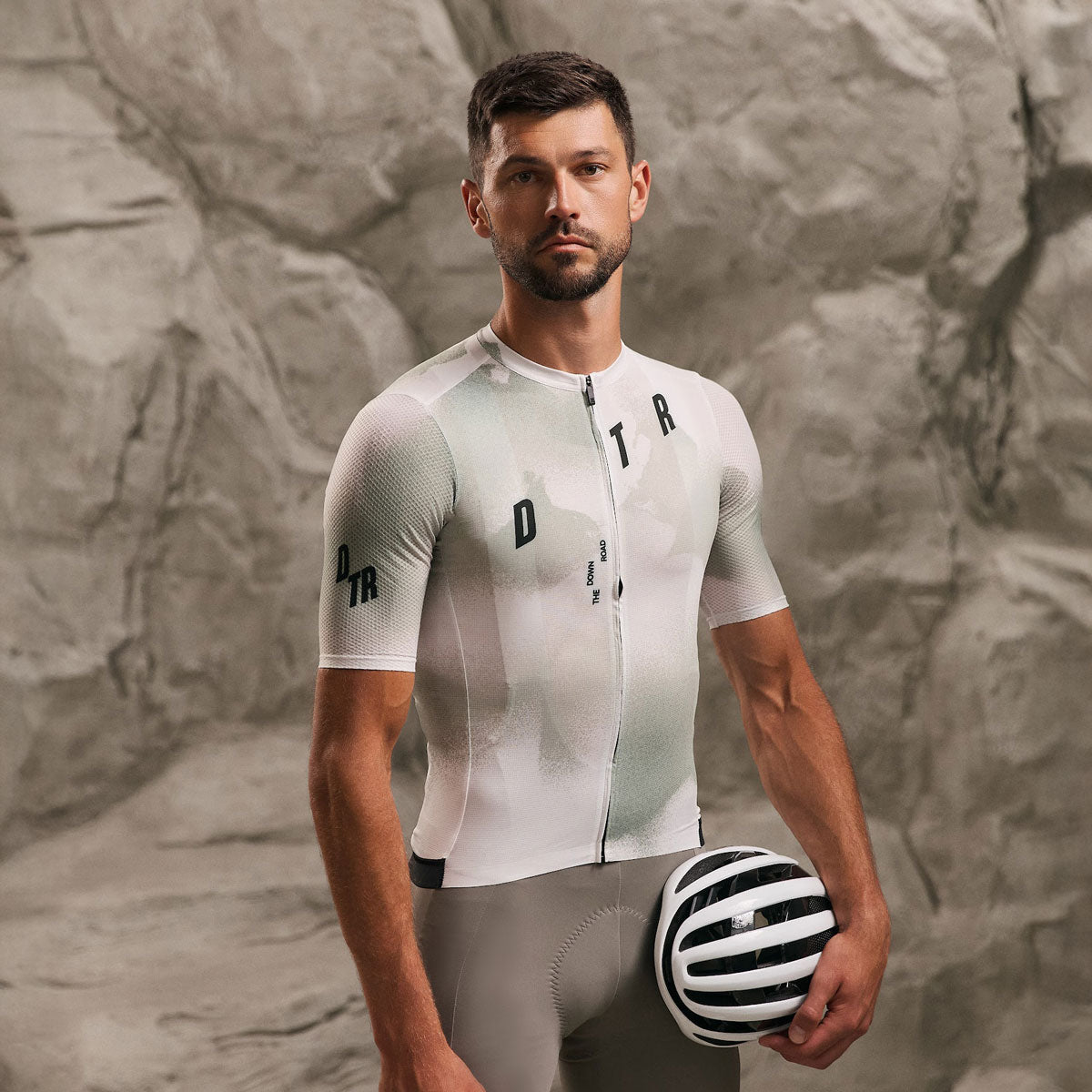
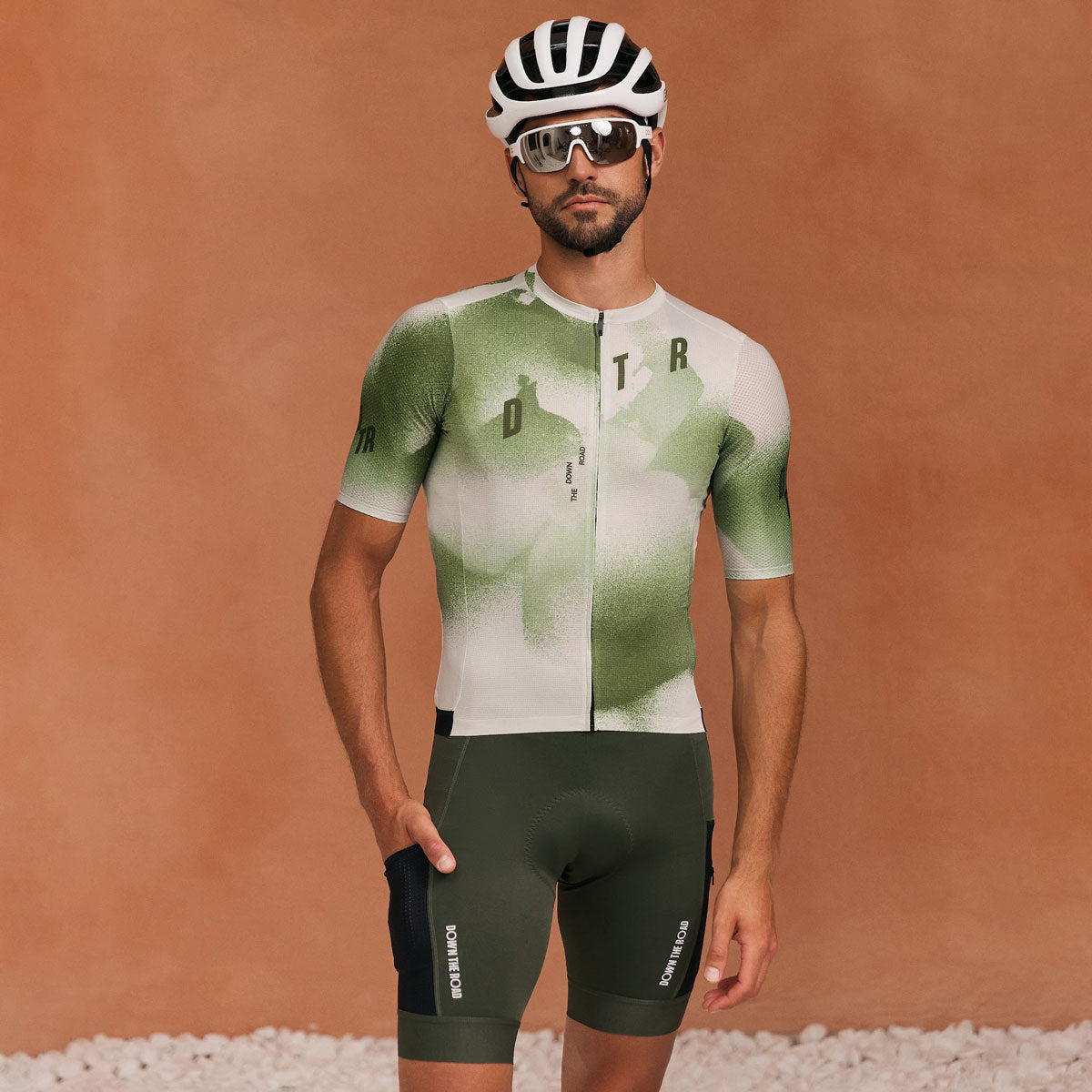
Layer 2: Mid layer (jersey or thermal jersey)
This is your adjustable warmth. In many winter days, this is your “main warmth layer.”
What to look for:
- close performance fit (less flapping = less heat loss)
- breathable fabric (so it doesn’t turn clammy)
- pockets that still work with gloves
Explore Jersey
Layer 3: Shell (windbreaker vs jacket)
Most riders don’t need a bulky jacket. They need a **windproof layer** that blocks cold air while still breathing.
Choose a windbreaker when:
- it’s dry (or only light drizzle)
- you ride hard and generate heat
- you want something packable for long rides
Choose a heavier jacket when:
- it’s truly cold and you’ll ride easy
- you expect long stops
- you’re commuting and won’t warm up much
Explore windbreakers
Accessories: the 20% that fixes 80% of winter discomfort
Before you add a thicker jacket, fix these:
Hands
Cold hands ruin everything. Pick gloves for the **coldest part of your ride** (usually descents).
Neck
A neck warmer is the most underrated winter upgrade. It seals the gap where cold air hits hardest.
Feet
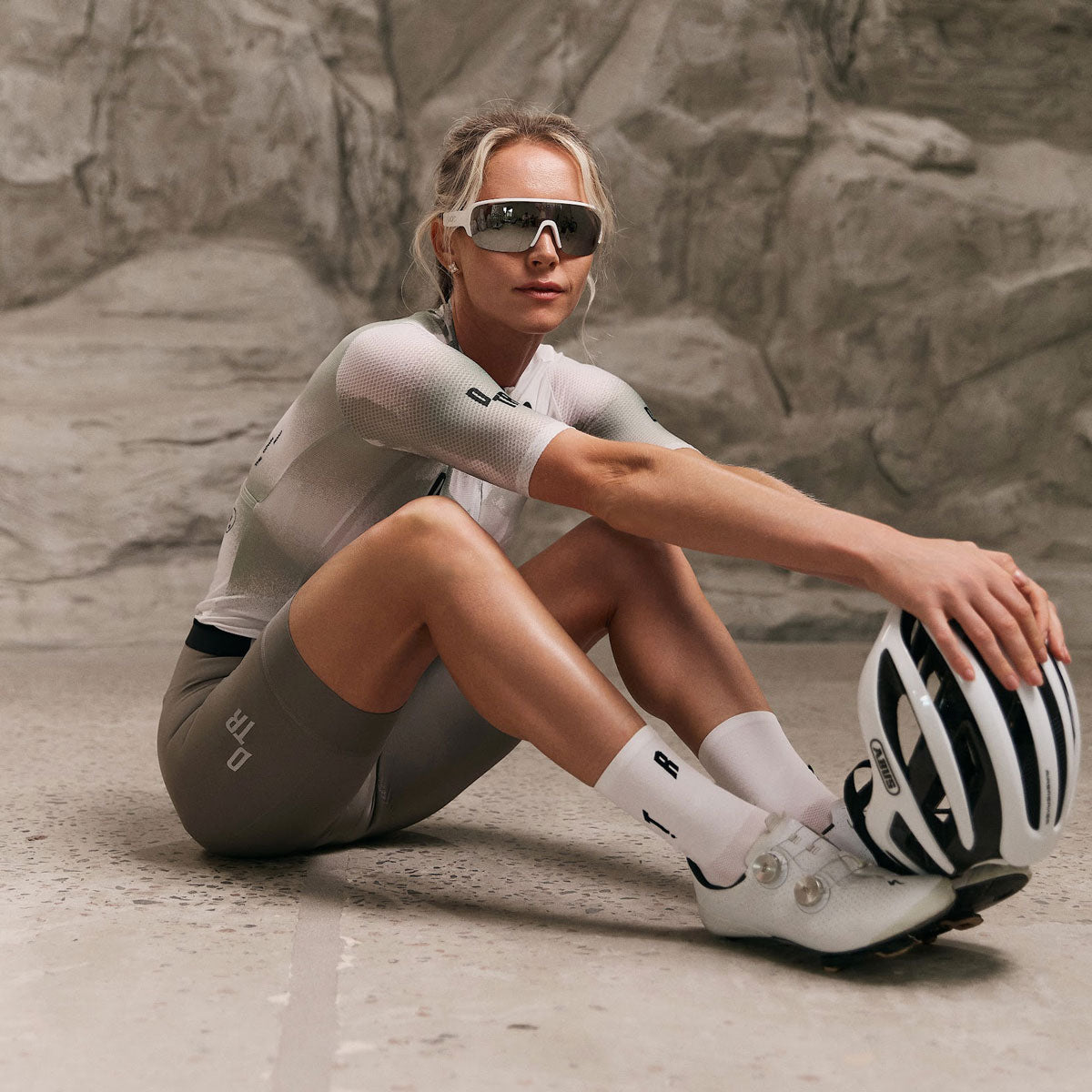
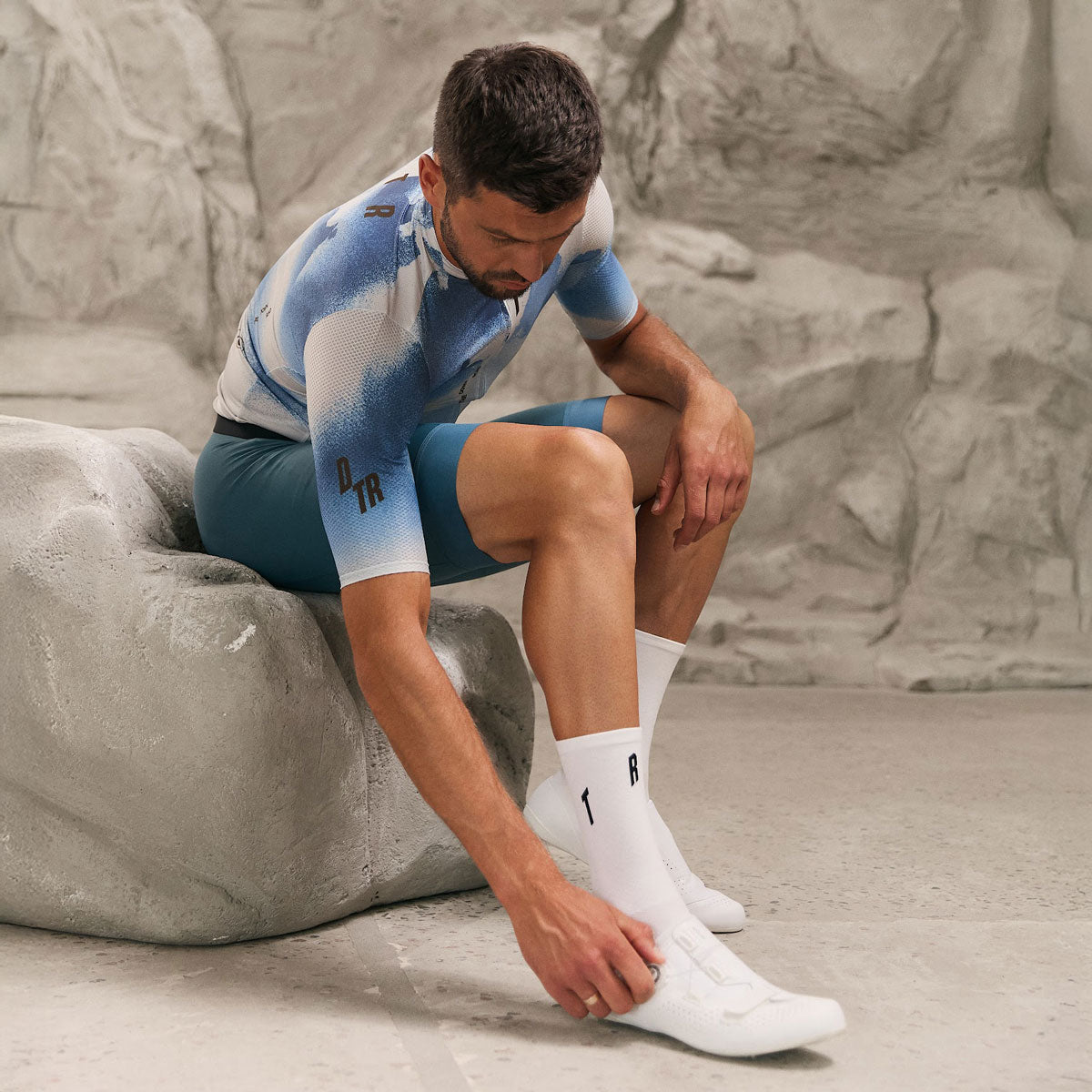
Warmth starts at your feet. Choose socks that manage sweat and keep structure. Too thick can reduce circulation if your shoes are tight.
Explore socks
Head
A thin cap under the helmet is often enough. If you sweat heavily, prioritize breathability over thickness.
Common winter layering mistakes
- Cotton anywhere (it holds water and chills you)
- Too many thick layers (traps sweat)
- Ignoring wind (wind chill is why descents feel brutal)
- No adjustability (you need layers you can vent or pack)
A simple “default” winter setup
For most endurance winter rides:
- breathable base layer
- long sleeve jersey (or warmer jersey if needed)
- packable windbreaker
- warm socks + neck warmer
Then adjust one piece at a time based on your local conditions and how hard you ride.
FAQs
What should I wear for cycling in winter if I sweat a lot?
Start with a highly breathable base layer and a windbreaker you can vent. Overheating early is the fastest way to get cold later.
Is a windbreaker enough for winter cycling?
Often yes—especially for high-output rides. Pair it with the right base layer and you’ll be warmer than you expect.
How do I stop getting cold on descents?
Block wind (shell), keep the core dry (base layer), and protect hands/neck/feet.
Explore layering essentials
Leave a comment
This site is protected by hCaptcha and the hCaptcha Privacy Policy and Terms of Service apply.