






Balancing the demands of work alongside a rigorous triathlon training schedule can sometimes feel like juggling flaming torches while riding a unicycle. Without the right strategy, you might find yourself overwhelmed and burnt out. Fear not! We've crafted a comprehensive guide to help you manage your time and energy effectively, enabling you to excel both in the workplace and on the racecourse.
Table of Contents
- Table of Contents
- Assess Your Schedule
- Prioritize and Plan
- Optimize Your Training Gear
- Balance Nutrition
- Communicate and Adapt
- Learn from the past
- Take Regular Breaks
- Reflect and Adjust
Assess Your Schedule
Start by critically evaluating your current schedule. Take note of your working hours and identify any potential time slots that could be allocated for training. Understanding your existing commitments will allow you to realistically plan your training sessions without disrupting your professional obligations.
Prioritize and Plan
Once you have a clear idea of your schedule, prioritize your training goals. Whether it’s improving your swim technique or shaving a few minutes off your bike time, ensure these goals align with the available time slots. Planning your workouts in advance using tools or a simple calendar can make a big difference. Remember, consistency is key.
Optimize Your Training Gear

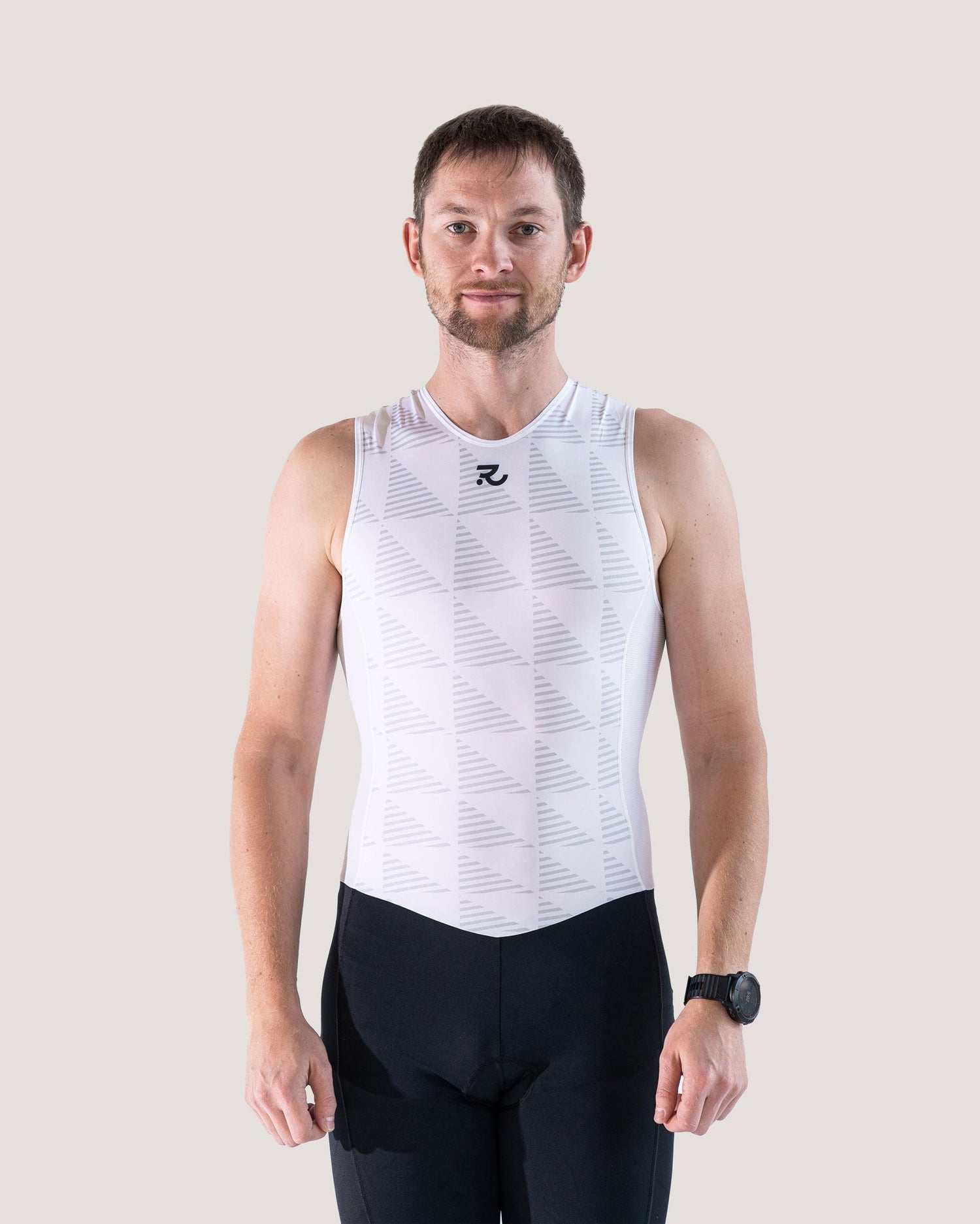
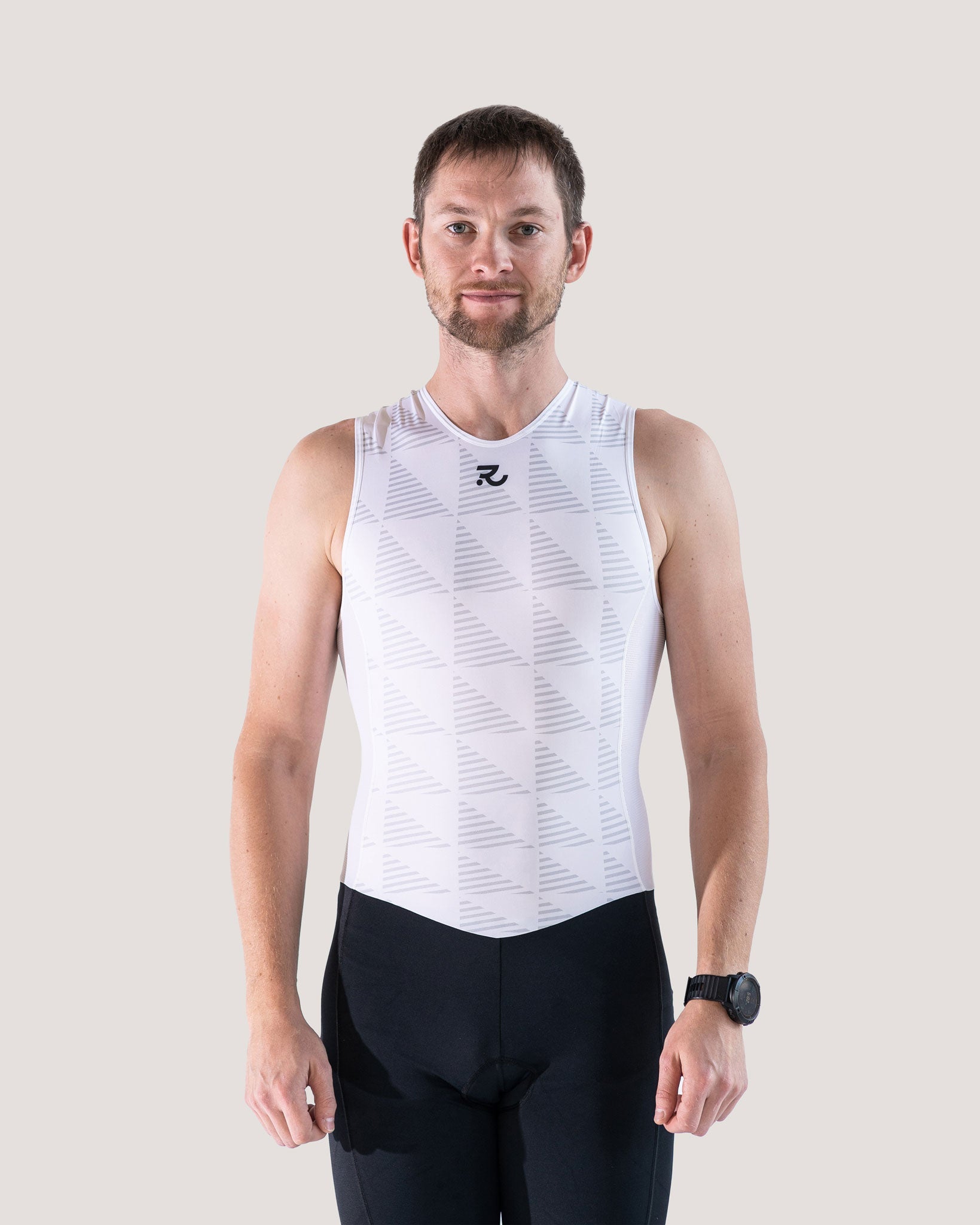
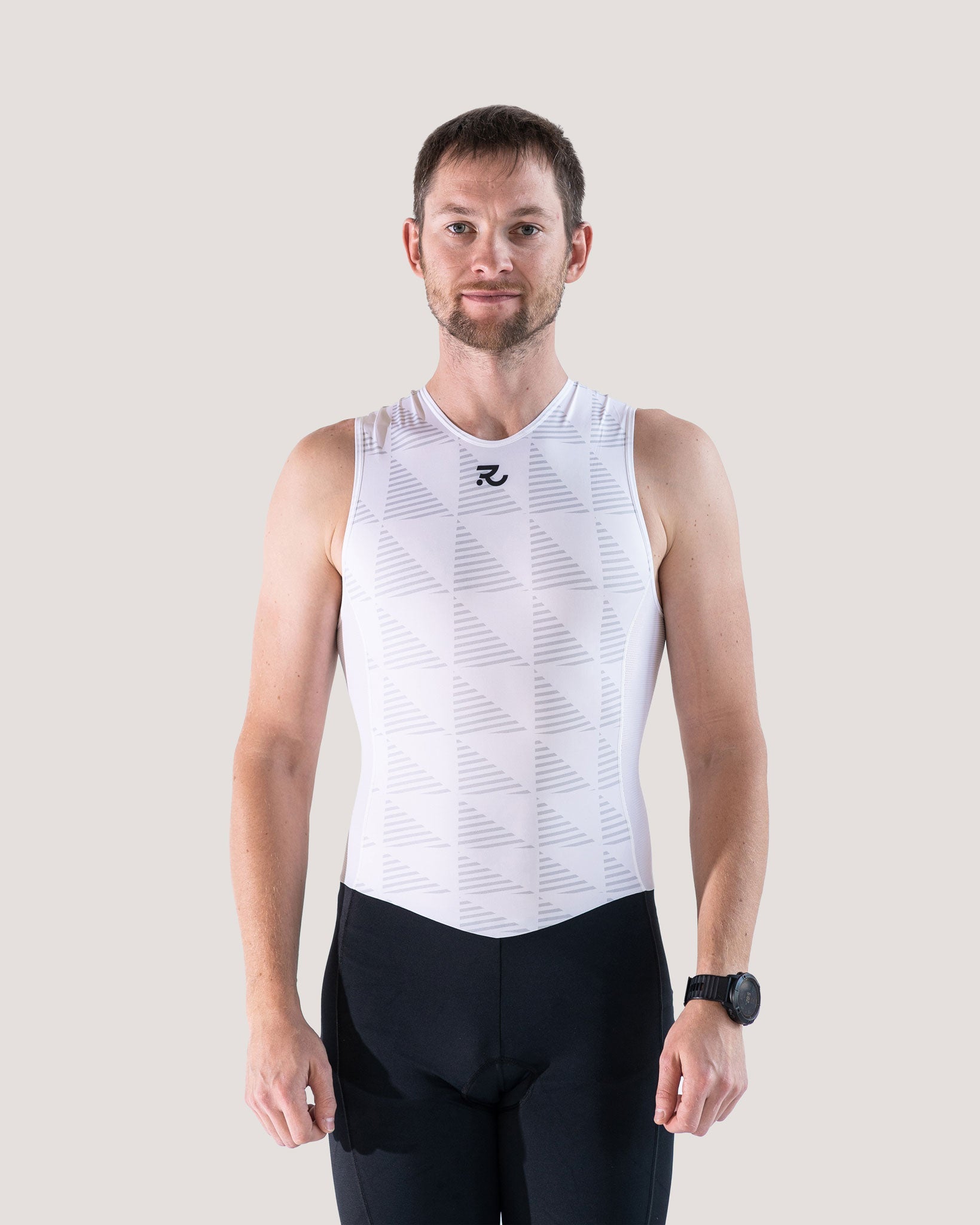
The right gear can make training more convenient and efficient. For those early morning runs or cycling sessions, consider investing in a versatile outfit like the Men's Lead Out Sleeveless Trisuit - Classy White. It offers both comfort and style, designed to transition seamlessly between biking and running activities.
Balance Nutrition
Fuel your body with a diet that supports both work and training demands. An interesting read on this topic is the Comparative Guide: Nutrition for Cyclists vs Triathletes. This article provides insights tailored specifically to triathletes, helping you optimize your diet for peak performance.
Communicate and Adapt
Keep an open line of communication with your employer and colleagues regarding your training commitments. If possible, adjust your work schedule to fit in key training sessions. Whether it’s starting work earlier or later, a small adjustment can provide the breathing room needed for training without affecting your work performance.
Learn from the past
The past few years have brought significant changes to how we perceive sporting events like triathlons. Adaptability has been key. For a broader understanding, consider reading An Editor’s Perspective on the Future of Triathlons Post Pandemic. It provides insight into the evolving landscape of the sport and might inspire new ways to balance your triathlon journey.
Take Regular Breaks
Mental well-being is as important as physical health. Incorporate short breaks during your workday to mentally recharge. Small walks or quick stretching exercises can maintain your energy levels and prevent burnout.
Reflect and Adjust
Finally, regularly assess your training regime and work-life balance. Are you meeting your training goals without compromising your work? If not, make necessary adjustments. Flexibility is crucial, and finding the right balance might require trial and error.
For more tips and insights on how to successfully balance your triathlon journey with other life commitments, feel free to explore more articles and resources on downtheroad.cc.
Remember, finding your optimal work-life-training balance is a personal journey. With the right mindset and planning, it's possible to achieve success in both arenas.

Laat een reactie achter
Deze site wordt beschermd door hCaptcha en het privacybeleid en de servicevoorwaarden van hCaptcha zijn van toepassing.