

A packable wind layer is the most-used jacket you'll own — a wind- or water-resistant shell light enough to live in a jersey pocket until the temperature drops, the rain starts, or you crest a climb into a cold descent. The best ones disappear until you need them, then take the sting out of wind and light rain without cooking you on the way up. This guide compares the packable cycling windbreakers and jackets worth your money in 2026, across road and gravel, and helps you pick the right type for how you ride.
First, know what you're buying
Three overlapping categories, and choosing the wrong one is the usual mistake:
- Windbreakers / wind shells block wind and shrug off a light shower. Lightest and most breathable, but not built for sustained rain.
- Packable rain shells add real waterproofing — taped seams, waterproof membranes — for committing to wet rides. Warmer, less breathable, a little heavier.
- Gilets / vests protect your core, the part that matters most for staying warm, while leaving your arms free. The most versatile layer for changeable days.
Whatever the type, four things separate good from bad: packability (does it fold into a jersey pocket?), fit (a flapping shell is a slow, cold shell), breathability, and how well the cuffs and hem seal out weather.
Best packable cycling windbreakers & jackets 2026 — at a glance
Prices and exact weights shift by season and region — confirm current specs before buying.
Castelli Squall Shell — best tiny waterproof
The reviewers' standout for packing genuine waterproofing into almost nothing: it weighs under 100g, uses a stretchy fabric, and cuts well enough to avoid the flap that ruins lesser shells. If you want one layer that handles real rain and still vanishes into a pocket, this is the benchmark.
Rapha Core Rain Jacket — best value full waterproofing
Water- and windproof, packs neatly into a jersey pocket, with elasticated cuffs that seal out weather while staying breathable. For a fully waterproof shell it lands at a sensible price, which is why it's the value pick when the forecast is genuinely wet.
Sportful Hot Pack — best self-stuffing shell
Fully waterproof and windproof, and it stuffs into its own pocket that then drops into a jersey pocket — minimal bulk, no separate stuff sack to lose. A clean choice if you want committed weather protection you'll actually carry.
Castelli Aria Shell — best breathable wind shell
Incredibly light and packable, and good in light rain. Mesh panels trade some heavy-rain protection for breathability and a closer fit, which makes it a warm-day, high-tempo layer rather than a foul-weather one. Reach for it when you run hot and just need to cut the wind.
Maap Atmos — best breathable minimalist
Keeps water at bay while staying highly breathable, packs down easily, and has a slim cut that doesn't restrict movement. Note the minimal pockets — this is a stripped-back, high-output shell for riders who prioritise breathability over features.
DTR Paceline Vest — best gilet for wind and light rain
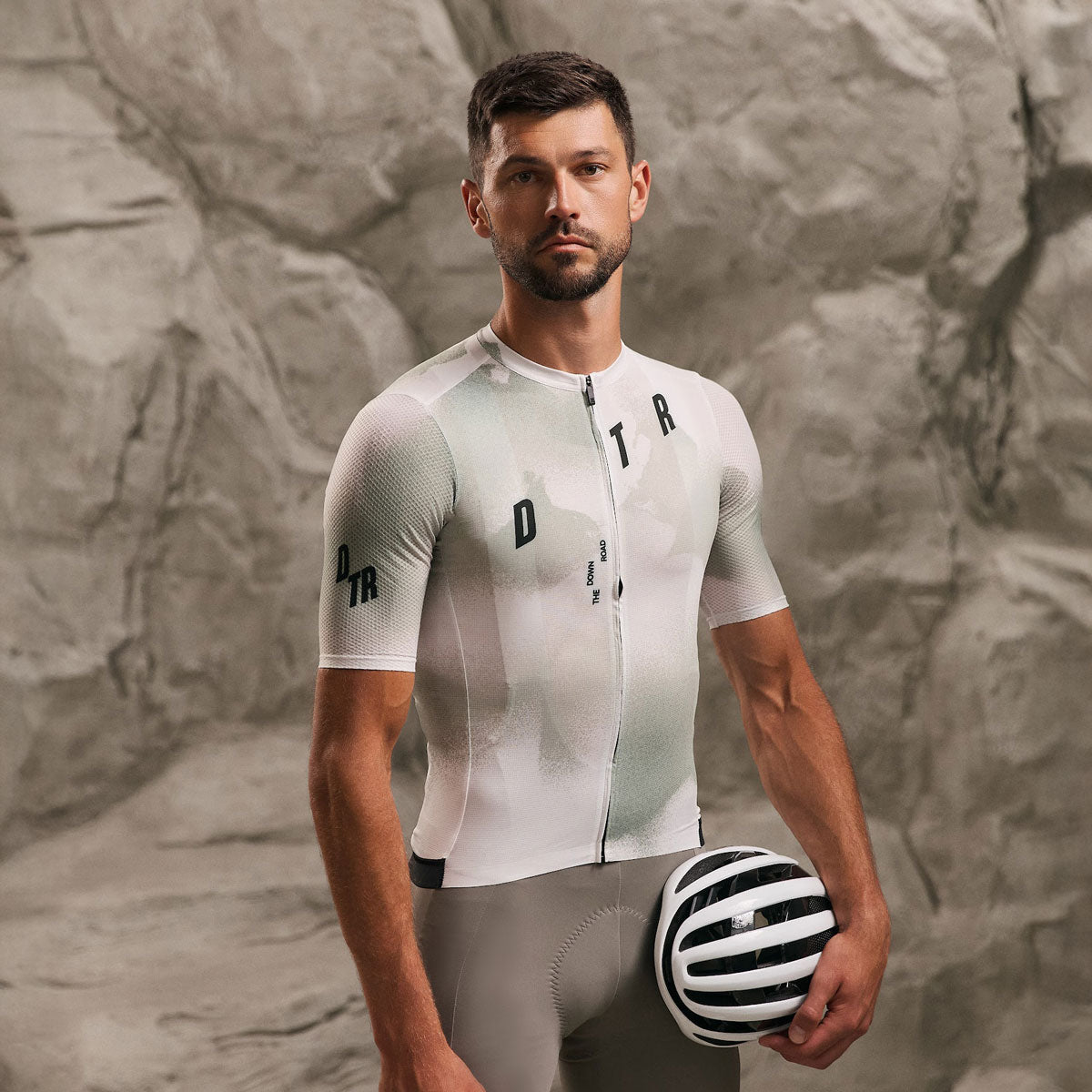
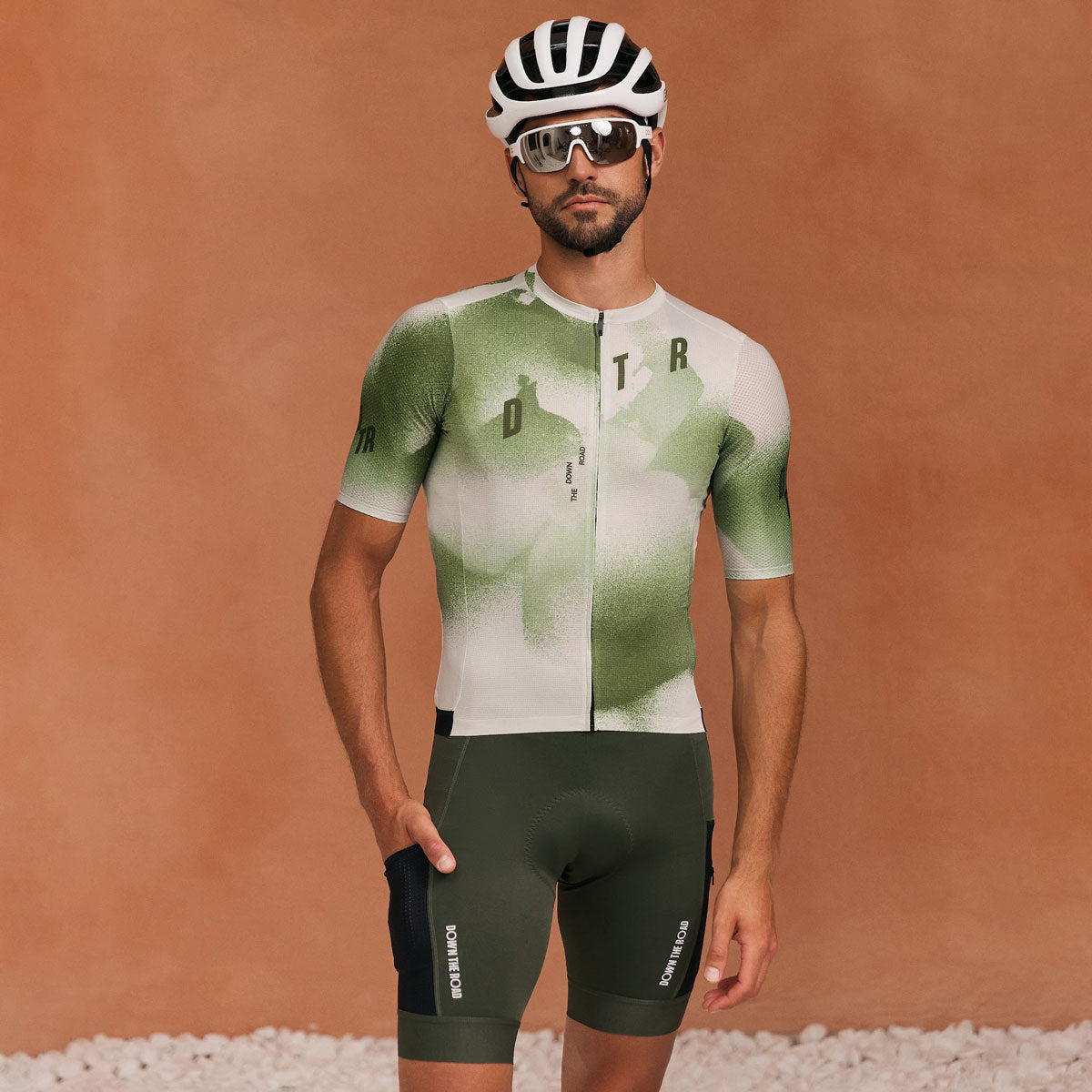
Our take on the most versatile layer of all. The Paceline Vest is a packable gilet built for unpredictable conditions: a windproof front, light-rain protection, and a back that breathes. It guards the core where it counts and leaves your arms free, so it stays useful across a wider temperature range than a full jacket — and it folds into a jersey pocket. It's €110, in an ergonomic women's-specific cut as well as men's. If you want full-sleeve wind protection, DTR's windbreaker range covers that too.
The honest read: a gilet won't keep your arms dry in sustained rain — for that, one of the waterproof shells above is the right tool. But for the changeable days that make up most of a season, a windproof gilet is the layer you'll reach for most.
Windbreaker, rain shell or gilet — which do you actually need?
The category matters more than the brand. Match it to how you ride:
- Mostly dry but changeable, and you want one do-it-all layer → a gilet like the Paceline Vest. Core protection, arm freedom, biggest temperature range.
- You run hot and mainly need to cut wind, with the odd shower → a wind shell like the Castelli Aria.
- You're committing to wet rides, all-day epics, or a bad forecast → a waterproof shell — Squall, Core, or Hot Pack.
How to choose
Start with the conditions you actually ride in, not the worst day imaginable — most riders over-buy on waterproofing and under-use it. Then check the fit (snug enough not to flap at speed), the packed size (jersey-pocket small), the breathability (so you're not soaked from the inside on climbs), and the seals at cuff and hem. A shell that fits and packs well gets carried and worn; one that doesn't stays home.
FAQ
What's the difference between a cycling windbreaker and a rain jacket?
A windbreaker blocks wind and handles a light shower while staying very light and breathable. A rain jacket adds real waterproofing — membranes and taped seams — for sustained rain, at the cost of some breathability and weight.
Will a windbreaker keep me dry in the rain?
In a light shower, yes. In sustained or heavy rain, no — that's what a waterproof shell is for. Many riders carry a windbreaker for the wind and cold-descent chill, and a separate packable rain shell for genuinely wet days.
How small should a packable jacket fold?
Small enough to live in a jersey rear pocket without you noticing it's there. If it needs a separate bag or fills a pocket on its own, you'll leave it behind — and a layer you don't carry can't help you.
Do I still need a gilet if I have a jacket?
Often, yes. A gilet covers the core while leaving your arms free, so it works across a wider range of temperatures and efforts than a full jacket. Many riders use a gilet as their default changeable-day layer and keep a waterproof shell for the forecast days.
What's best for gravel and long rides?
Packability and breathability matter most, because conditions and effort swing over a long day. A breathable wind shell or a windproof gilet you can add and drop repeatedly usually beats a heavier waterproof you overheat in.
Wind, rain, or a cold descent — the right packable layer is the one you'll actually carry. See DTR windbreakers and vests.
—
DTR — performance cycling and triathlon apparel, designed and developed in Ukraine.

Dejar un comentario
Este sitio está protegido por hCaptcha y se aplican la Política de privacidad de hCaptcha y los Términos del servicio.